What Flying an Australian Labradoodle to America Costs
Bringing an Australian Labradoodle to America isn't as simple as booking a flight and showing up at the airport with a leash in hand. Many prospective owners underestimate the significant financial and logistical hurdles involved in transporting a beloved puppy or adult dog across continents. This guide will meticulously break down the various costs and considerations you'll encounter when flying an Australian Labradoodle from its homeland to your American doorstep, helping you prepare for a journey that's often far more complex than a standard domestic pet relocation.
Understanding Why Australian Labradoodles Are Imported
For many families, the dream of owning an Australian Labradoodle starts with the distinct bloodlines and reputations of breeders down under. There's a certain cachet, a perceived guarantee of specific traits, that drives the desire to import rather than source domestically. It’s not just about getting a Labradoodle; it’s about getting the Labradoodle they've envisioned, often from a lineage they believe offers superior qualities.
The Allure of Australian Labradoodle Lines
The term "Australian Labradoodle" itself often conjures images of a consistently well-tempered, non-shedding, and robustly healthy dog. This perception stems from the breed's origins and the dedicated efforts of Australian breeders who worked to stabilize the breed for specific characteristics. Unlike many "Labradoodles" you might find in the US, which are often first-generation (F1) crosses of a Labrador and a Poodle, the Australian Labradoodle is a multi-generational breed developed by introducing other breeds like the Cocker Spaniel and Irish Water Spaniel to achieve a more consistent look, coat type, and temperament. This history contributes to the allure, making these specific lines highly sought after globally.
Many prospective owners are drawn to the idea of owning a dog from the "original" lines, believing these dogs possess a temperament that's uniquely suited for family life and even assistance work. They hear stories of these dogs being exceptional companions, intelligent, and eager to please, and they want that specific foundation. It's an investment in what they hope will be a very particular kind of family member.
The consistency in physical traits, like the desired fleece or wool coat that is less prone to shedding and more hypoallergenic, is another major draw. While any dog can trigger allergies, the goal with these specific lines was to maximize the chances of a coat that causes fewer issues. This consistency is something breeders in the United States have been working towards for years, but the historical development in Australia means those established lines often carry a strong reputation for these very characteristics. Understanding Why an Australian Labradoodle Is Not a Labradoodle is crucial for anyone considering this path.
The Perception of Breed Purity and Health
With the meticulous breeding programs established in Australia, there's a strong perception that Australian Labradoodles offer a higher degree of genetic predictability and health. Breeders have often focused on rigorous health testing and selective breeding to minimize the incidence of hereditary diseases that can plague both Poodles and Labradors. This careful approach appeals to buyers who want to reduce the risk of unforeseen veterinary bills and heartache down the line. They are investing in a future they hope is healthier and more predictable.
Of course, no dog is ever guaranteed to be free of health issues, but the efforts made in these Australian lines to establish specific standards and health protocols can offer a greater sense of security. Buyers often scrutinize pedigrees and health clearances, trusting that breeders who have invested in these established lines are providing dogs with a solid genetic foundation. This commitment to health testing is a significant factor in the premium price point and the willingness of buyers to import these dogs. Ensuring you understand Whether Health Tested Parents Add Years to a Labradoodle is key to a long and happy life with your companion.
Moreover, the reputation for temperament consistency, stemming from decades of careful selection, contributes to this sense of "purity." People often seek a dog with a specific disposition – calm, intelligent, sociable – and believe these qualities are more reliably found in established Australian lines. This belief, whether entirely accurate or partially aspirational, drives demand and justifies the extra effort and cost of importing.
Limited Availability in the United States
Despite the popularity of Labradoodles, truly multi-generational Australian Labradoodles from established lines can still be somewhat harder to find in the United States, especially from breeders who adhere to the strict standards set by Australian associations. While many American breeders have excellent programs, some prefer to access the original genetic diversity and characteristics directly from Australia to maintain or enhance their own breeding stock. This often means that a specific coat color, size, or lineage that a buyer desires might only be available or reliably produced by a breeder overseas.
The limited availability drives up demand and, consequently, the price. When a particular puppy catches your eye from an Australian breeder, and it perfectly matches your family's needs and aesthetic preferences, the additional cost of importation becomes a hurdle many are willing to clear. It’s not just about owning a dog; it’s about owning that dog.
Furthermore, some reputable Australian breeders have lengthy waitlists, even for local buyers. If you're looking for a specific genetic makeup, temperament, or even a rare color, the wait time might be shorter (or the option simply available) from an overseas breeder who has already established those lines. The desire for a particular dog outweighs the complexities of international travel. This exclusivity is a powerful motivator, making the import process seem like a necessary step to realize their dream dog.
The Core Costs of Flying Your Labradoodle Across Continents
The sticker shock of an Australian Labradoodle puppy itself can be substantial, often running into several thousand dollars, but that's just the beginning. The actual cost of getting that furry bundle from Australia to your home in America is where many first-time importers are truly surprised. These are not minor fees; they are significant expenses that can easily add a substantial percentage to the dog's purchase price.
Airfare and Cargo Fees
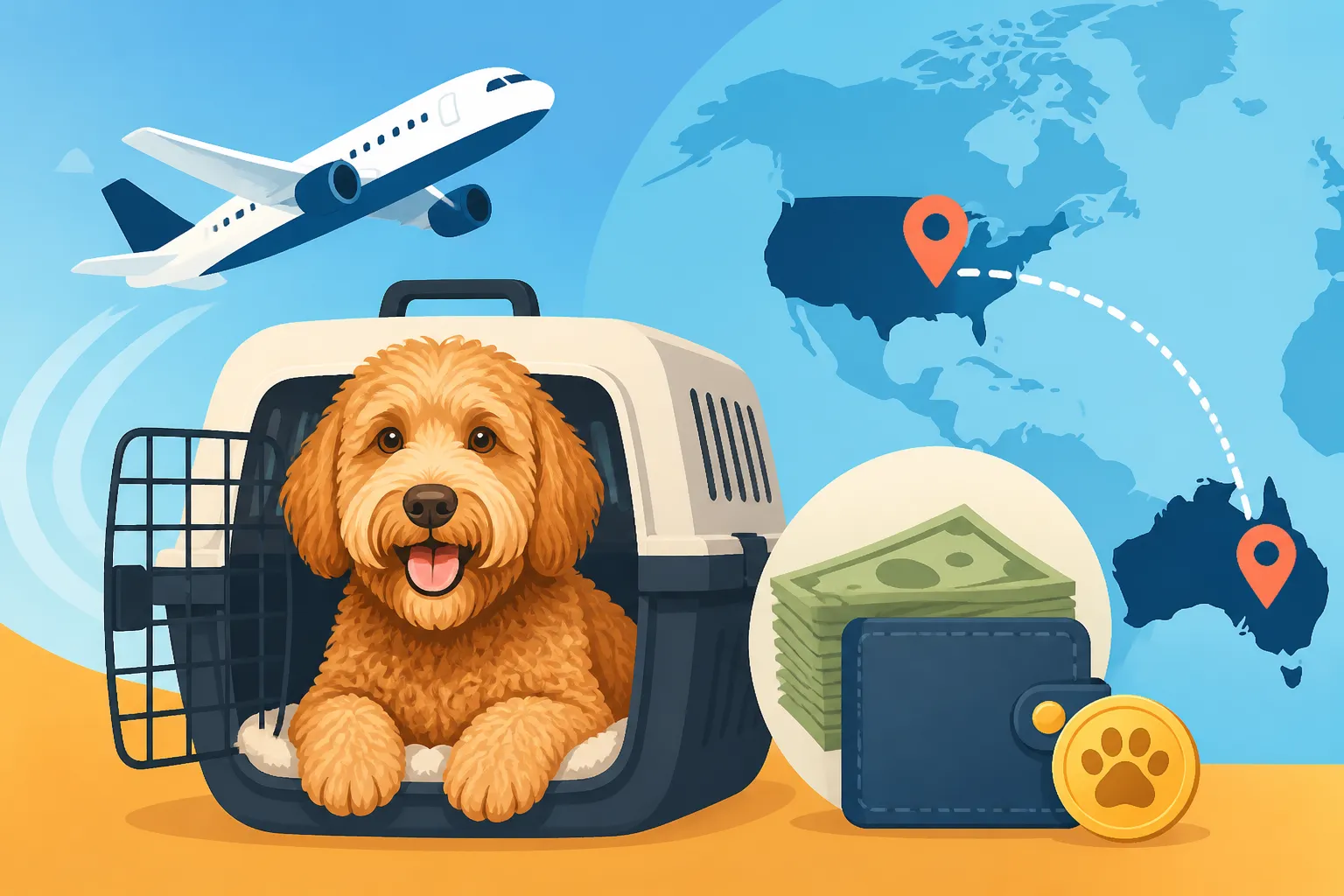
This is typically the largest component of the shipping cost. Dogs, especially larger puppies or adult dogs, travel as cargo, not in the cabin with passengers. The cost of cargo space depends on several factors: the dog's size and weight (including the crate), the airline, the route, and the season. Airlines have specific pet travel programs and regulations, and these are often quite strict. You can't just send a dog on any flight; it needs to be on an approved route with appropriate climate control in the cargo hold.
The fees are usually calculated based on volumetric weight, meaning the size of the crate often has a greater impact than the dog's actual weight. A larger crate, even if the dog inside is relatively small, will incur higher costs. Direct flights are often more expensive but can be less stressful for the dog. Flights with layovers might be cheaper but increase travel time and the potential for complications. Remember that prices can fluctuate, so getting an exact quote from an airline or a professional pet transport company is essential. You're not just paying for a ticket; you're paying for a specialized service designed to keep your dog as safe and comfortable as possible during a long journey.
Consider that a "standard" size Australian Labradoodle will require a fairly substantial crate, and this immediately places it into a higher tier of cargo pricing. Unlike a small toy breed, a Labradoodle isn't going to fit under a seat. This means you're looking at dedicated freight costs, which can easily be a significant portion of your budget.
Crate Requirements and Comfort
The travel crate isn't just a simple carrier; it's a critical piece of equipment that must meet International Air Transport Association (IATA) regulations. These regulations dictate everything from the materials and construction to the ventilation, size, and labeling. The dog must be able to stand up, turn around, and lie down comfortably without its head touching the top of the crate. Skimping on the crate size or quality can lead to the airline refusing to transport your dog, causing costly delays.
Beyond regulatory compliance, choosing a sturdy, well-ventilated, and appropriately sized crate is an investment in your dog's comfort and safety during a long and potentially stressful journey. You'll also need to consider absorbent bedding, water and food dishes that attach to the inside of the door, and possibly comfort items like a familiar blanket or toy (though some airlines have restrictions on what can be inside the crate). A good quality, IATA-compliant crate can be a notable expense on its own. It's not just a box; it's your Labradoodle's temporary home for many hours, and you want it to be as secure and stress-free as possible.
Many people find it useful to start crate training their puppy well before the journey if possible, even if it's just for a few days before departure, to help them become accustomed to the space. This small preparation can make a huge difference in how calmly your Labradoodle handles its flight.
Veterinary Clearances and Health Certificates
Before your Australian Labradoodle can even think about boarding a plane, it must jump through a series of veterinary hoops to ensure it's fit to travel and free of diseases. This involves multiple vet visits, vaccinations, parasite treatments, and specific health examinations. The exact requirements are set by both the exporting country (Australia) and the importing country (USA), and they can be quite stringent.
Common requirements include:
- Rabies Vaccination: Even if Australia is rabies-free, dogs entering the U.S. generally need to be vaccinated.
- Microchip: An ISO-compliant microchip is usually mandatory for identification.
- Health Certificate: An official document issued by a licensed veterinarian, often endorsed by the government's animal health authority in Australia, stating the dog is healthy and free of communicable diseases.
- Internal and External Parasite Treatment: Proof of recent treatment for fleas, ticks, and internal parasites is often required.
- Blood Tests: Depending on current regulations, specific blood tests might be necessary to confirm freedom from certain diseases.
Each vet visit, each vaccine, each test, and the government endorsement all come with their own fees. These costs can accumulate quickly, and any missed step or incorrectly filled out paperwork can lead to delays, additional expenses, or even refusal of entry for your dog. It's absolutely vital to work closely with both the breeder's vet in Australia and, if possible, a pet transport specialist who is familiar with the latest import regulations. This is one area where cutting corners can have dire consequences for your new family member.
Navigating Import Regulations and Additional Expenses
The journey doesn't end when the plane lands. Your Australian Labradoodle still needs to clear customs and fulfill any remaining import requirements. This phase can be just as complex and costly as the flight itself, often involving fees for inspections, potential quarantine, and the services of professionals who specialize in navigating international pet travel.
Quarantine and Customs Fees
While the United States generally does not require a lengthy quarantine period for dogs arriving from countries like Australia that are considered rabies-free, it's crucial to verify current regulations. Policies can change, and any unforeseen requirement for quarantine would add a significant, often daily, cost for boarding at an approved facility. Even without a full quarantine, your dog will need to be cleared by customs and potentially by an agricultural inspector upon arrival.
These inspections come with fees. Depending on the airport and specific circumstances, there could be charges for veterinary inspections at the port of entry, handling fees, and general customs processing. If any paperwork is incomplete or incorrect, or if the dog shows any signs of illness, it could lead to extended holds, additional veterinary checks, and more fees. It's a bit like a bureaucratic maze, and each turn can involve an unexpected bill.
It's wise to budget for these potential costs, even if you hope to avoid a full quarantine. The peace of mind that comes from knowing you're prepared for any eventuality is invaluable when dealing with such a precious cargo. The rules can be intricate, so staying updated on CDC and USDA guidelines for animal imports is essential.
Brokerage Services and Agent Fees
Given the complexity of international pet travel, many owners opt to use the services of a professional pet transport agent or broker. These companies specialize in coordinating all aspects of the journey, from booking flights and ensuring IATA compliance for crates to managing veterinary appointments and navigating import paperwork. While this service adds a significant fee, it can be well worth it to ensure a smooth, compliant, and less stressful process.
A good pet transport agent will have up-to-date knowledge of all airline and government regulations, reducing the risk of costly errors or delays. They can advise on the best routes, prepare all necessary documentation, and communicate with ground staff at both ends of the journey. For many, the value of their expertise in handling the intricate details and potential pitfalls is immense, especially when dealing with the emotional investment of bringing a new Labradoodle home. This is particularly true when you consider What Flying an Australian Labradoodle to America Costs in total, as mistakes can be far more expensive than hiring a professional.
These agents often have established relationships with airlines and can sometimes secure better rates or more reliable flight schedules than an individual might. They act as your advocate, ensuring your dog's welfare is prioritized throughout the entire process. While it's an additional line item on your budget, it's often an investment in peace of mind and successful delivery.
Preparing for Arrival and Post-Import Care
Once your Australian Labradoodle finally lands and clears customs, the immediate costs don't stop. You'll need to arrange for transportation from the airport to your home, which might involve a long drive or even another domestic flight, each with its own expenses. Depending on the travel time and the dog's condition, a visit to your local veterinarian soon after arrival for a check-up is highly recommended to ensure they've tolerated the journey well and to establish care.
This initial period also involves ensuring you have all the necessary supplies for your new family member. Think about everything from a comfortable bed, toys, a leash and collar, and grooming tools to enough food for the first few weeks. If your Labradoodle is still a puppy, you'll want to review your feeding plan and consider a reputable brand like Ollie for high-quality, fresh food options, or find suitable kibble from a place like Chewy. This helps ensure a smooth transition and that your dog's nutritional needs are met from day one. You'll also want to consider Feeding a Labradoodle Through Its Growth to support their development.
Beyond the immediate, think about the long-term needs. Your Labradoodle will need ongoing veterinary care, grooming appointments (especially for their unique coat, as detailed in What a Full Groom Costs on a Wool Coated Labradoodle), training classes, and toys. These are the regular costs of dog ownership, but it's important to remember they start immediately upon arrival.
Budgeting for the Unexpected and Long-Term Considerations
Even with meticulous planning, international pet travel can throw curveballs. Flights can be delayed, regulations can shift, and dogs can react unexpectedly to the stress of travel. Building a buffer into your budget for these unforeseen circumstances is not just smart; it's essential for avoiding last-minute panic and ensuring your Labradoodle's well-being.
Potential Delays and Rerouting Costs
Imagine your Labradoodle's flight gets delayed or even rerouted due to weather, mechanical issues, or other logistical problems. This isn't uncommon, especially with long-haul international flights. Such delays can incur additional costs for overnight boarding at an approved kennel, rebooking fees for subsequent flights (both international and any connecting domestic legs), and increased agent fees for managing the altered itinerary. You might also have to adjust your own travel plans or take extra time off work, adding to the indirect costs.
Having a contingency fund specifically for these types of disruptions is crucial. It’s better to have it and not need it than to be caught off guard and face difficult decisions under pressure. Discuss potential delay protocols and associated costs with your pet transport agent or airline beforehand, so you understand their policies. Knowing what to expect, even for the worst-case scenario, can alleviate a lot of stress during an already anxious time.
Sometimes, the airline may require the dog to be taken off the plane for a significant layover for health and safety reasons, especially during extreme temperatures. This can involve ground transport, kennel boarding, and additional checks, all contributing to the final expense.
Initial Supplies and Acclimation
Once your Australian Labradoodle arrives, the focus shifts to helping them acclimate to their new home and routine. This period can come with its own set of expenses. You'll need high-quality food, treats for training and comfort, a comfortable bed, and an array of toys. Don't forget grooming supplies specific to their fleece or wool coat type, such as slicker brushes, combs, and detangling sprays. The Three Labradoodle Coats: Hair, Fleece and Wool often require different care.
Beyond tangible items, consider the cost of initial training. Your Labradoodle, especially if a puppy, will benefit greatly from puppy classes or private training sessions to help them settle in and understand household rules. This is particularly important for a dog coming from a different environment. You might also find yourself investing in new gates, playpens, or different kinds of enrichment toys to help them adjust and feel secure. This initial period of establishment is key to building a strong bond and a well-adjusted companion.
It's also important to factor in the time you'll need to dedicate to your new dog. Whether it's taking time off work or adjusting your schedule, the non-monetary cost of acclimation is significant. A well-adjusted dog is less likely to develop behavioral issues that could lead to even greater expenses down the line.
Ongoing Health and Insurance Considerations
Once your Australian Labradoodle is home, regular veterinary care, vaccinations, and parasite prevention are ongoing costs. Given the breed's predispositions, it's wise to consider pet insurance from the outset. Companies like Healthy Paws offer various plans that can help cover unexpected illnesses, accidents, and even some hereditary conditions if enrolled early enough. Insuring a Labradoodle Before Anything Is On Record can be a game-changer if your dog develops an unforeseen health issue later in life.
Even with health-tested parents, Labradoodles, like all breeds, can be prone to certain conditions. Understanding potential health challenges, such as Hips and Elbows in a Sixty Pound Labradoodle or Addison's Disease a Labradoodle Inherits From the Poodle, will help you be proactive about their care. A comprehensive pet insurance policy can provide peace of mind by mitigating the financial impact of major medical events.
Beyond insurance, regular check-ups, quality nutrition (perhaps continuing with Ollie or other premium dog foods from Chewy), and appropriate exercise are all investments in your Labradoodle's long-term health and happiness. Importing an Australian Labradoodle is not just a one-time purchase; it's the beginning of a long-term commitment that requires careful financial planning for their entire lifespan, which could be The Twelve to Fifteen Years a Labradoodle Lives.
Summary of Potential Import Costs (Estimates will vary greatly based on factors like distance, airline, and services chosen):
| Cost Category | Description | Considerations |
|---|---|---|
| Purchase Price of Labradoodle | Cost from the Australian breeder. | Varies significantly based on lineage, breeder reputation, and specific traits. |
| Air Cargo Fees | Airline charges for transporting the dog as live animal cargo. | Based on volumetric weight (crate size), route, airline, and time of year. |
| IATA-Compliant Travel Crate | Specialized crate meeting international air travel standards. | Must allow dog to stand, turn, and lie down comfortably. Material and ventilation are critical. |
| Veterinary Services (Pre-Export) | Vaccinations, microchipping, health checks, parasite treatments, blood tests. | Multiple vet visits required; exact needs depend on US import regulations. |
| Government Endorsement Fees | Fees for official government veterinarian to endorse health certificates. | Essential for legal entry into the US. |
| Pet Transport Agent/Broker Fees | Cost for professional service to manage logistics, paperwork, and communication. | Optional but highly recommended for peace of mind and navigating complexity. |
| Customs & Port of Entry Fees | Charges for inspection and processing upon arrival in the United States. | Can include USDA inspection fees, handling charges. |
| Ground Transportation (USA) | Cost to transport the dog from the arrival airport to your home. | Could be personal vehicle, specialized pet transport service, or connecting flight. |
| Contingency Fund | Buffer for unexpected delays, rebookings, additional vet checks, or unforeseen quarantine. | Crucial for mitigating stress and avoiding last-minute financial strain. |
| Initial Supplies | Food, bowls, leash, collar, bed, toys, grooming tools, cleaning supplies. | Essential for settling your new Labradoodle into your home comfortably. |
| Initial Vet Check-up (Post-Arrival) | Recommended visit to your local vet to confirm health after travel and establish care. | Addresses any travel-related stress or minor ailments quickly. |
| Pet Insurance (First Year) | Policy to cover unexpected illnesses, accidents, and some hereditary conditions. | Highly recommended; consider enrolling before any conditions are on record. |
Bringing an Australian Labradoodle to America is a significant undertaking, financially and logistically. However, for those who are prepared for the journey and commit to the costs involved, the reward is often a cherished companion that brings immense joy for many years to come.
Disclaimer
This article is for general informational purposes only and does not constitute professional advice. Laws, prices and regulations vary by location and change over time. Consult a qualified professional for guidance on your specific situation.