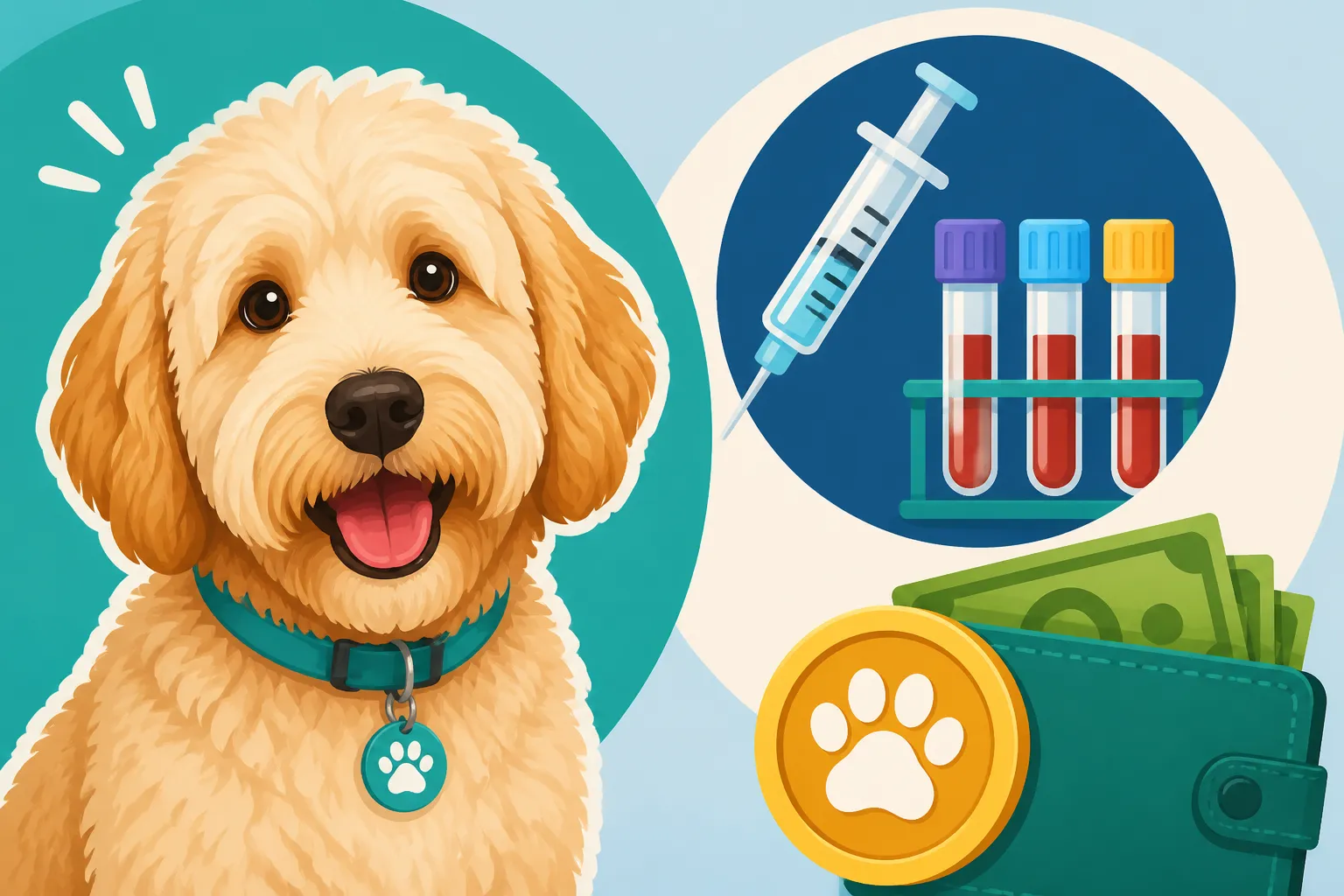
What an ACTH Stimulation Test Costs a Labradoodle Owner
When your beloved Labradoodle starts showing subtle, unsettling changes—a bit lethargic, perhaps a strange appetite, or even vomiting that comes and goes—it's easy to dismiss them as just an off day. But for Labradoodle owners, these seemingly minor issues can sometimes point to a serious, often tricky-to-diagnose condition called Addison's disease. This guide will walk you through what an ACTH stimulation test is, why it's so critical for confirming Addison's, and the financial considerations you, as a devoted Labradoodle parent, need to be aware of when facing this diagnostic hurdle.
Understanding Addison's Disease in Labradoodles
Addison's disease, also known as hypoadrenocorticism, is a condition where your dog's adrenal glands don't produce enough crucial hormones, specifically glucocorticoids (like cortisol) and sometimes mineralocorticoids. It's often called the "great imitator" because its symptoms are so vague and mimic many other less serious ailments, making it particularly frustrating for owners and veterinarians alike to pinpoint. For Labradoodles, there's a heightened awareness of this condition due to their Poodle heritage, where the disease is more commonly seen.
Why a Labradoodle Might Need an ACTH Test
Imagine your lively Labradoodle, who usually greets you with an enthusiastic tail wag and boundless energy, suddenly seems withdrawn. Maybe they're skipping meals, throwing up inconsistently, or just seem generally "off." You might think it's a stomach bug or perhaps they ate something they shouldn't have. You take them to the vet, and after some general checks, the symptoms might even temporarily clear up, only to return later. This waxing and waning of symptoms is a hallmark of Addison's.
It's these subtle, often frustratingly non-specific signs that lead a vet to consider Addison's disease. These can include unexplained weight loss, intermittent gastrointestinal upset, increased thirst, shivering, or a general lack of energy. When a vet suspects Addison's, especially in a breed like the Labradoodle with its Poodle lineage, the ACTH stimulation test becomes the gold standard for diagnosis. Without it, you could be chasing symptoms for months, mistakenly treating for other conditions while the underlying problem silently worsens. Understanding The Vague Signs of Addison's in a Labradoodle is truly the first step toward getting the right diagnosis.
The Importance of Early and Accurate Diagnosis
The stakes are incredibly high with Addison's disease. Left undiagnosed and untreated, it can lead to a life-threatening "Addisonian crisis." This is an acute, severe episode where the body's systems essentially collapse due to critically low hormone levels. During a crisis, your Labradoodle might experience severe shock, collapse, uncontrollable vomiting and diarrhea, and a dangerously slow heart rate. It’s an emergency situation that requires immediate, intensive veterinary care, and even then, the outcome isn't always guaranteed.
That's why a definitive diagnosis, confirmed by an ACTH stimulation test, is paramount. It shifts the entire approach from symptom management to targeted treatment, which can dramatically improve your Labradoodle's quality of life and prognosis. An accurate diagnosis means you can start appropriate medication, monitor their condition, and learn how to manage potential stressors, preventing those terrifying crises. It’s not just about a test; it's about providing your furry family member with the best chance at a long, healthy life. This is also covered in depth in How Addison's Is Diagnosed in a Labradoodle.
Deconstructing the ACTH Stimulation Test
The ACTH stimulation test might sound intimidating, but it's a relatively straightforward procedure that provides definitive answers about your Labradoodle's adrenal function. It's designed to measure how well their adrenal glands respond when stimulated to produce cortisol.
What Happens During the Test
The test typically involves a few steps, often requiring your Labradoodle to spend a few hours at the veterinary clinic. First, a baseline blood sample is drawn from your dog. This sample measures the initial, or "resting," cortisol level in their blood. This initial reading is important as a reference point.
Next, your Labradoodle will receive an injection of synthetic ACTH (adrenocorticotropic hormone). This hormone is naturally produced by the pituitary gland and signals the adrenal glands to release cortisol. By giving a synthetic version, the test mimics the body's natural stimulation. After the injection, there's a waiting period, usually one to two hours, to allow the synthetic ACTH to work its magic and stimulate the adrenal glands. Finally, a second blood sample is drawn. This second sample measures the stimulated cortisol level. The comparison between the baseline and stimulated levels tells the story. For a deeper dive into the specifics, check out The ACTH Test That Confirms Addison's in a Labradoodle.
The Role of the Adrenocorticotropic Hormone ACTH
Think of ACTH as the messenger hormone. Its job is to travel from the pituitary gland in the brain down to the adrenal glands, which are small glands located near the kidneys. When ACTH arrives, it tells the adrenal glands, "Hey, we need more cortisol!" In a healthy dog, the adrenal glands respond promptly by releasing a significant amount of cortisol into the bloodstream.
In a dog with Addison's disease, however, the adrenal glands are damaged or not functioning correctly. When the synthetic ACTH is injected, these compromised glands either produce very little cortisol, or sometimes none at all, even when given a strong signal. This lack of response, as measured by the low stimulated cortisol level in the second blood sample, is what confirms the diagnosis of Addison's. It's a critical piece of the puzzle, showing whether the adrenal glands are capable of doing their job.
Interpreting the Results
The interpretation of the ACTH stimulation test results is quite clear-cut for veterinarians. If your Labradoodle's adrenal glands are healthy, both the baseline and, crucially, the post-stimulation cortisol levels will be within or above the normal reference range. This indicates that the adrenals responded appropriately to the ACTH signal.
However, if your Labradoodle has Addison's disease, the results will look different. The baseline cortisol might be low or even normal, which is why a single cortisol test isn't enough. The key diagnostic indicator is that the post-stimulation cortisol level will remain very low, or show little to no increase from the baseline. This flat response, despite the strong signal from the synthetic ACTH, confirms that the adrenal glands are failing to produce sufficient cortisol. This low stimulated cortisol level is the definitive confirmation your vet needs to make the Addison's diagnosis.
The Financial Aspect of an ACTH Stimulation Test
Let's be real, a vet bill can sometimes feel like a punch to the gut, especially when your furry friend isn't feeling well and you're already worried sick. The ACTH stimulation test is a specialized diagnostic, and as such, it comes with its own set of costs. It's not a simple quick test; it involves specific components and laboratory analysis, all of which contribute to the overall expense.
Factors Influencing the Cost
The actual financial outlay for an ACTH stimulation test can fluctuate quite a bit depending on several factors. Where you live plays a significant role; veterinary costs can be higher in urban areas or regions with a higher cost of living compared to rural ones. The type of veterinary clinic also matters—a small general practice might charge differently than a large, multi-specialty veterinary hospital or an emergency clinic.
Speaking of emergency, if your Labradoodle presents in an Addisonian crisis, the diagnostic costs will be compounded by the emergency stabilization and intensive care needed, often outside of regular business hours. This typically means higher fees than if the test is scheduled electively for a dog with more subtle symptoms. Additionally, sometimes other blood tests, like a complete blood count or biochemistry panel, might be run concurrently to rule out other conditions or assess overall organ function, adding to the total bill. These aren't usually included in the core ACTH test cost but are often necessary components of a thorough workup.
Breakdown of Potential Charges
When you look at the invoice for an ACTH stimulation test, it's typically an itemized list that helps you understand where your money is going. Here's a general breakdown of the components that contribute to the overall cost:
- Consultation/Exam Fee: Even if your dog is already a patient, there's usually a charge for the vet visit itself to discuss symptoms, perform a physical exam, and plan the test.
- Initial Blood Draw Fee: This covers the technician's time and supplies for drawing the baseline blood sample.
- Synthetic ACTH Hormone: This is often the most significant single component. The synthetic hormone itself is a specialized, often expensive, pharmaceutical.
- Second Blood Draw Fee: Similar to the first, covering the second blood collection after the hormone has had time to act.
- Laboratory Analysis Fee: The cost for the external or in-house lab to process both blood samples and measure the cortisol levels accurately. This usually involves specialized equipment and expertise.
- Interpretation Fee: The veterinarian's time to review the results, provide the diagnosis, and discuss the treatment plan with you.
Here's a simplified table to illustrate the typical components, though specific figures will vary greatly:
| Cost Component | Description |
|---|---|
| Veterinary Consultation | Initial exam, discussion of symptoms, test planning |
| Baseline Blood Collection | Technician time and supplies for first blood draw |
| Synthetic ACTH Injection | Cost of the specialized hormone administered |
| Post-Stimulation Blood Collection | Technician time and supplies for second blood draw |
| Laboratory Analysis (Cortisol) | Lab processing and measurement of cortisol levels from both samples |
| Results Interpretation | Veterinarian's time for diagnosis and treatment plan discussion |
| IV Catheter & Fluids (Optional) | Often placed for easy blood draws and hydration, especially in crisis |
This test is a critical investment in your Labradoodle's health, but it's certainly one that many owners feel anxious about from a financial standpoint.
How Pet Insurance Can Help
This is where pet insurance can truly be a lifesaver. Many comprehensive pet insurance policies, like those offered by Healthy Paws, are designed to cover diagnostic tests for illnesses, including conditions like Addison's disease. If you have a policy in place before your Labradoodle develops symptoms or receives a diagnosis, the ACTH stimulation test and subsequent treatment costs would likely fall under your coverage, subject to your deductible and reimbursement percentage.
It’s important to understand that pet insurance typically doesn't cover pre-existing conditions. So, if your Labradoodle is already showing symptoms or has been diagnosed with Addison's before you enroll or during the waiting period, that specific condition may not be covered. This highlights the value of proactive planning and enrolling your Labradoodle when they are young and healthy. Having insurance can significantly ease the burden of unexpected veterinary expenses, allowing you to focus on your dog's care rather than the daunting price tag.
Other Financial Considerations
Beyond the initial ACTH test, confirming an Addison's diagnosis opens the door to ongoing financial commitments. There will be costs associated with follow-up consultations to discuss the results and initiate treatment. The first few weeks or months of treatment might involve more frequent vet visits to stabilize your dog and fine-tune their medication dosage.
Furthermore, if Addison's is indeed confirmed, there's the ongoing cost of medication for the rest of your Labradoodle's life. This isn't a condition that goes away; it's managed with lifelong hormone replacement. These medications are crucial, and while they drastically improve quality of life, they do represent a continuous expense. This overall picture is why it’s so important to fully understand not just the test cost, but the broader financial implications that come with an Addison's diagnosis.
Managing Long-Term Costs for an Addisonian Labradoodle
An Addison's diagnosis for your Labradoodle isn't the end of the world, but it does mark the beginning of a new chapter in their care journey. The good news is that with proper management, most Addisonian dogs can live long, happy, and relatively normal lives. However, this management does come with its own set of ongoing financial responsibilities.
Ongoing Medication and Monitoring
The cornerstone of treating Addison's disease is lifelong hormone replacement therapy. This typically involves daily oral medication, such as fludrocortisone, to replace both mineralocorticoids and glucocorticoids. Sometimes, if the mineralocorticoid deficiency is severe, monthly injections of desoxycorticosterone pivalate (DOCP) are also required. These medications, while vital, are an ongoing cost that you will need to factor into your budget. The specific medication and dosage will be tailored to your Labradoodle's needs, and the cost will vary based on brand, dosage, and where you purchase them. For insight into what this looks like, consider Life on Daily Medication for an Addisonian Labradoodle.
Beyond the medications themselves, regular monitoring is essential. Your vet will recommend periodic blood tests to ensure the hormone levels are correctly balanced and that the treatment is effective. These tests might be more frequent initially as your vet finds the right dosage, and then settle into a routine of every few months or once a year. Each of these blood tests and subsequent vet consultations adds to the long-term cost of care, but they are critical for maintaining your Labradoodle's health and preventing crises. It's important to discuss the implications of Monthly Fludrocortisone for an Addisonian Labradoodle with your vet.
Dietary and Lifestyle Adjustments
While Addison's disease itself doesn't typically require a highly specialized diet, some Labradoodles may benefit from a consistent, high-quality diet to support their overall health and minimize gastrointestinal upset, which can sometimes be exacerbated by stress or medication changes. You might find yourself exploring different premium dog food brands available through retailers like Chewy, or even considering fresh food options like Ollie, to ensure your Labradoodle is getting optimal nutrition. These choices, of course, come with their own price points that might be higher than standard kibble.
More importantly, stress management becomes a significant lifestyle adjustment. Stress can trigger Addisonian crises, so creating a calm, predictable environment for your Labradoodle is key. This might mean investing in calming aids, comfortable bedding, or even behavioral training to help them cope with stressful situations. While not direct medical costs, these lifestyle adjustments contribute to the overall well-being and stability of an Addisonian Labradoodle. Preventing a crisis can save significant money and heartache, especially when you consider What an Addisonian Crisis Costs Overnight.
Proactive Care to Prevent Crises
The ultimate goal in managing an Addisonian Labradoodle is to prevent those frightening crises. This means staying vigilant for any subtle changes in your dog's behavior or appetite and communicating promptly with your veterinarian. Having an emergency plan in place, knowing who to call, and what to do if you suspect a crisis is developing, can be invaluable. This preparedness is why many owners delve into Whether an Addisonian Labradoodle Needs an Emergency Plan to feel more confident.
Proactive care also extends to routine veterinary check-ups, ensuring your Labradoodle receives their annual vaccinations, parasite prevention, and general health screenings. While it might seem like a lot of expense, these regular visits allow your vet to catch any potential issues early, adjust medication as needed, and provide guidance on managing their condition. Investing in consistent, proactive care for your Addisonian Labradoodle not only safeguards their health but often proves to be more cost-effective in the long run than facing repeated emergency treatments.
Disclaimer
This article is for general informational purposes only and does not constitute professional advice. Laws, prices and regulations vary by location and change over time. Consult a qualified professional for guidance on your specific situation.