Whether a Labradoodle Without Papers Is Cheaper for a Reason
It's completely understandable to feel a tug-of-war in your mind when you see a Labradoodle puppy advertised at a price significantly lower than others, especially when those "others" come with a stack of what breeders call "papers." That lower price tag can look mighty tempting, particularly in a world where everything seems to cost an arm and a leg. But here's the honest truth, and a painful one for many who've learned the hard way: a Labradoodle without proper documentation or "papers" is almost always cheaper for some very significant, often heartbreaking, reasons that can cost you far more in the long run. This guide will meticulously unpack what those "papers" actually mean for a Labradoodle, the hidden costs that can accompany a seemingly inexpensive puppy, and the long-term risks you might unknowingly be taking on.
What "Papers" Actually Mean for a Labradoodle
When we talk about "papers" for a dog, many people immediately think of registration with a national kennel club like the American Kennel Club (AKC) in the U.S. or The Kennel Club in the UK. These organizations register purebred dogs, maintaining pedigrees and often requiring certain health clearances for breeding stock. However, here's where the Labradoodle puzzle begins: the Labradoodle is a crossbreed, not a recognized purebred dog by these major kennel clubs. So, a Labradoodle won't have AKC papers, and that's perfectly normal.
The Role of Breed-Specific Registries
This lack of mainstream kennel club recognition doesn't mean "papers" are irrelevant for a Labradoodle. Far from it! For Labradoodles, especially the Australian Labradoodle lines that have been selectively bred over many generations to produce more consistent traits, "papers" usually refer to registration with breed-specific associations like the Australian Labradoodle Association of America (ALAA) or the Worldwide Australian Labradoodle Association (WALA). These organizations have stepped in to provide a framework that mimics traditional kennel clubs, but tailored for the unique nature of the Labradoodle.
These associations are not just handing out certificates for fun; they set stringent requirements for breeders to register their dogs and litters. To be registered, parents typically need to meet specific health testing requirements, ensuring they are clear of common genetic diseases that plague both parent breeds (Labrador Retrievers and Poodles). They also track pedigrees, which helps breeders avoid inbreeding and ensure genetic diversity. When a breeder presents you with "papers" from ALAA or WALA, they are essentially providing a transparent history of your puppy's lineage and demonstrating that the parents met certain health and ethical breeding standards. This is crucial because it gives you a much better prediction of what your puppy's future health and temperament might look like. Without these, you’re often flying blind.
Transparency and Accountability in Breeding
Ultimately, "papers" from a reputable Labradoodle association are a sign of transparency and accountability on the part of the breeder. It means they've invested time, money, and effort into health testing their breeding stock, maintaining detailed records, and adhering to a code of ethics designed to promote the health and well-being of the breed. It shows they care about the future of the puppies they produce.
Think about it this way: if a breeder isn't bothering with these certifications, what else are they skipping? Are they performing the necessary health screens? Are they carefully selecting for temperament? Are they providing adequate nutrition and early socialization for the puppies? Often, the answer is no, and that's where the initial "savings" begin to evaporate, replaced by potential heartache and significant financial burdens down the road. It's not just a piece of paper; it's a testament to the breeder's dedication and your puppy's foundational health.
The True Cost of a Labradoodle Without Papers
That lower upfront cost of a Labradoodle without papers can feel like a win at first. You save a few hundred, maybe even a couple of thousand dollars, and you get to bring home that adorable, fluffy puppy sooner. But many owners quickly discover that the initial discount is merely the tip of a much larger, more expensive iceberg. The true cost of a Labradoodle isn't just the purchase price; it's the lifetime investment in their health, training, and well-being. And when corners are cut by a breeder, those costs often shift directly onto the unsuspecting new owner.
Hidden Health Issues and Veterinary Bills
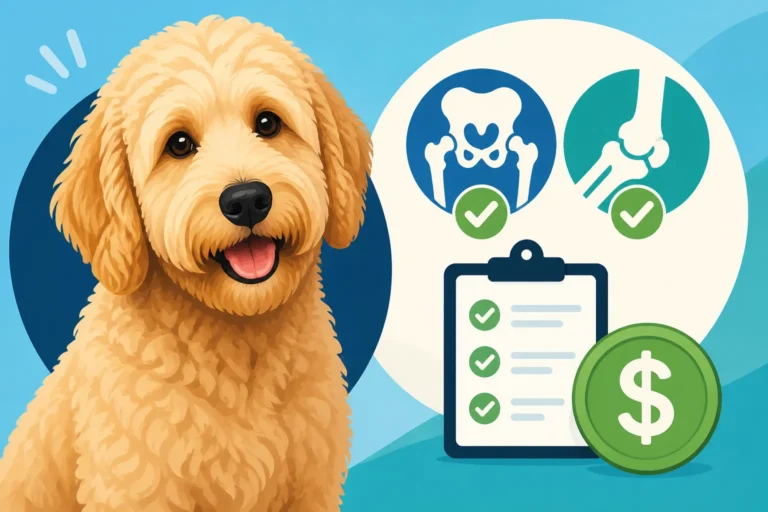
This is perhaps the most significant "hidden" cost. Reputable Labradoodle associations require parent dogs to undergo a battery of health tests for genetic conditions common in Labradors and Poodles. This includes screenings for hip and elbow dysplasia, various eye conditions like progressive retinal atrophy (prcd-PRA), heart conditions, and endocrine disorders such as Addison's Disease. When a breeder doesn't provide these "papers" or isn't part of an association that mandates them, it's highly likely they haven't performed these expensive, but vital, tests on their breeding stock. This means your puppy could inherit one or more of these debilitating conditions.
Imagine bringing home your sweet Labradoodle, only to discover at a young age that they have severe hip dysplasia, a painful condition that often requires expensive surgeries or lifelong pain management. Or perhaps they start losing their sight due to PRA, a heartbreaking genetic eye disease. The costs for diagnosing and treating these conditions can quickly skyrocket. A single orthopedic surgery can easily run into thousands of dollars, and managing chronic conditions like Addison's Disease requires ongoing medication and veterinary visits. These bills far outweigh any initial savings. Having pet insurance from providers like Healthy Paws can certainly help mitigate these unforeseen expenses, but the conditions themselves are still a heavy burden to bear, both financially and emotionally.
Behavioral Challenges and Training Expenses
Beyond physical health, a lack of "papers" can also signal a breeder who hasn't prioritized temperament or early socialization. Responsible breeders carefully select parent dogs known for good temperaments, socialize their puppies from birth, and provide a stimulating environment. A "backyard breeder" or puppy mill, however, often breeds solely for profit, paying little attention to these critical factors.
This can result in a Labradoodle with significant behavioral issues, such as extreme shyness, fear, anxiety, aggression, or a severe lack of confidence. You might find yourself with a dog that struggles with house-training, exhibits destructive chewing, or develops separation anxiety because it wasn't properly acclimated to being alone. Addressing these issues often requires extensive, and expensive, professional training, behavioral consultations, or even specialized medications. The time and emotional toll of living with a dog with unresolved behavioral problems can be immense, overshadowing any joy from the initial low price.
Unexpected Grooming and Allergies
One of the biggest draws of the Labradoodle is its reputation for being a low-shedding, allergy-friendly dog. However, this is largely dependent on the genetics inherited from the Poodle and careful breeding selection. Without "papers" and the associated knowledge of lineage and coat genetics, you have no guarantee of what kind of coat your Labradoodle will have. You might end up with a "hair" coat that sheds profusely, much like a Labrador, or a fleece or wool coat that, while non-shedding, mats intensely and requires professional grooming every 6-8 weeks.
If you specifically chose a Labradoodle for allergy reasons, a hair-coated dog can lead to serious disappointment and potentially even necessitate rehoming, which is devastating for everyone involved. Even a proper fleece or wool coat requires significant upkeep. If you haven't been prepared for The Yearly Grooming Total on a Standard Labradoodle, those frequent trips to the groomer, or the investment in high-quality grooming tools to do it yourself, can quickly add up. A severely matted coat can even lead to expensive veterinary visits for skin issues or sedated shaving. Many owners report that Why a Wool Coated Labradoodle Costs More to Groom is a surprise they weren't ready for.
| Feature | Labradoodle With Papers (Reputable Breeder) | Labradoodle Without Papers (Irresponsible Breeder) |
|---|---|---|
| Initial Purchase Price | Higher upfront cost | Significantly lower upfront cost |
| Health Predictability | High; parents health-tested, screened for genetic issues. Lower risk of inherited diseases. | Low; parents likely not tested. High risk of inherited diseases. |
| Temperament | More predictable; parents selected for good temperament, puppies well-socialized. | Less predictable; higher risk of fear, anxiety, aggression due to poor breeding/socialization. |
| Coat Type | More predictable (e.g., fleece, wool); breeder can often advise on shedding/allergy potential. | Unpredictable; higher chance of shedding "hair" coat or severe matting issues. |
| Lifetime Vet Costs | Generally lower due to reduced risk of genetic conditions. | Potentially very high due to inherited diseases and untreated conditions. |
| Training Costs | Generally lower; well-socialized, stable temperament aids training. | Potentially very high for behavioral modification, professional trainers. |
| Grooming Costs | Predictable; budget for regular professional grooming for fleece/wool. | Unpredictable; may incur higher costs for dematting, or if coat is problematic. |
| Breeder Support | Ongoing support, advice, and often a health guarantee. | Little to no support, no health guarantee. |
| Emotional Toll | Lower stress, more joy from a healthy, well-adjusted companion. | Higher stress, heartbreak over illness, frustration with behavioral issues. |
The Risks Hidden in a "Cheap" Labradoodle
The allure of a cheaper puppy is strong, but it's vital to understand that this lower price often masks a host of serious risks. These aren't just minor inconveniences; they can fundamentally impact your dog's quality of life and your experience as an owner. When you forego "papers" that signify responsible breeding, you're essentially gambling with your future companion's health and well-being.
Health Risks: A Genetic Minefield
One of the primary reasons "papers" exist from associations like ALAA or WALA is to ensure health testing of breeding dogs. Without this, you are entering a genetic minefield. Both parent breeds, the Labrador Retriever and the Poodle, are prone to specific genetic health issues. A responsible breeder invests in The Health Tests a Labradoodle Breeder Should Show to minimize the risk of passing these on. A breeder who sells a puppy without such documentation is likely skipping these expensive but critical tests.
Consider conditions like Hips and Elbows in a Sixty Pound Labradoodle. Dysplasia in these joints can manifest as early as puppyhood, leading to pain, lameness, and crippling arthritis later in life. Surgical corrections are incredibly costly, and lifelong pain management can become the norm. Similarly, The prcd-PRA Test Both Labradoodle Parents Need is vital. Progressive Retinal Atrophy is a cruel disease that slowly robs a dog of its sight, leading to eventual blindness. Then there's Addison's Disease a Labradoodle Inherits From the Poodle, an autoimmune condition that affects hormone production and can lead to life-threatening crises if not diagnosed and managed with daily medication. Exercise Induced Collapse (EIC) is another concerning inherited neuromuscular disorder that can cause a seemingly healthy dog to collapse during strenuous activity. The cost of dealing with these conditions, both financially and emotionally, far outweighs any initial savings on the puppy's price. You really want to know Whether Health Tested Parents Add Years to a Labradoodle, and the answer is a resounding yes.
Temperament and Behavioral Red Flags
The Labradoodle is celebrated for its friendly, intelligent, and generally eager-to-please temperament. However, these traits are not guaranteed; they are carefully cultivated through selective breeding and early socialization. When a breeder doesn't prioritize temperament in their breeding stock or provides poor socialization for their puppies, you run the risk of bringing home a dog with unpredictable or undesirable behaviors.
This can manifest as extreme shyness, fear aggression, incessant barking, destructive chewing, or an inability to cope with being left alone. These aren't just "naughty" behaviors; they can be deeply rooted issues stemming from genetics or early environmental deprivation. Training a dog with these foundational issues is a monumental task, often requiring the expertise of a professional behaviorist or trainer, which comes at a significant financial outlay. You might find yourself constantly trying to manage a dog whose behavior causes stress and restricts your lifestyle, rather than enhancing it. Owners often underestimate The Ten Month Old Labradoodle That Forgets Everything or The Velcro Labradoodle That Cannot Be Left, and these issues can become amplified in a poorly bred dog.
The Uncertainty of Coat Type and Allergies
Many people choose a Labradoodle specifically because they believe it will be hypoallergenic and non-shedding. While many Labradoodles can be low-shedding, it's not a given, especially in first-generation crosses or puppies from breeders who don't understand coat genetics. Reputable breeders use genetic testing to predict coat types and aim for the desired fleece or wool coats that are typically low-shedding. What a Labradoodle Coat DNA Panel Tells You is invaluable here.
Without "papers" or a breeder who can confidently discuss coat genetics, you might end up with a Labradoodle that sheds as much as a Labrador. This can be devastating for families with allergies, often forcing them to rehome the dog. Even if shedding isn't an issue, a poorly bred coat can be prone to severe matting, turning routine grooming into a nightmare. These mats can pull on the skin, cause pain, and lead to skin infections, requiring expensive veterinary intervention and often a complete shave-down by a groomer, which can be stressful for the dog and costly for you. This aspect alone is why many What a Groomer Charges to Strip a Matted Labradoodle often exceeds expectations.
Ethical Concerns: Supporting Irresponsible Practices
Finally, choosing a Labradoodle without papers, especially from a source that seems too good to be true, often means you are unknowingly supporting irresponsible breeding practices. These breeders typically operate without regard for animal welfare, often keeping dogs in substandard conditions, overbreeding their females, and neglecting proper veterinary care. They prioritize profit over the health and happiness of their dogs.
By purchasing from such a source, you perpetuate a cycle of suffering. You might save money initially, but the long-term cost to the dogs, and potentially to your family, is immeasurable. Opting for a reputable breeder who adheres to the standards of organizations like ALAA or WALA, or even considering a rescue from groups like Doodle Rock Rescue or IDOG Rescue (who often have health-tested dogs), ensures you are making an ethical choice that supports responsible dog ownership.
Beyond the Price Tag: What You're Really Paying For
When you look at a Labradoodle puppy's price, it's easy to focus on that single number. But a responsible breeder's price tag isn't just for a puppy; it's an investment in a meticulously planned, health-focused, and well-socialized companion. When you choose a Labradoodle from a breeder who provides "papers" — meaning they adhere to the standards of reputable registries like ALAA or WALA — you're paying for a whole lot more than just a cute face. You're investing in peace of mind, predictability, and a foundation for a happy, healthy life for your dog.
The Value of a Responsible Breeder's Work
A reputable breeder dedicates immense time, effort, and financial resources to their breeding program. This includes the substantial cost of The Health Tests a Labradoodle Breeder Should Show, which cover conditions like hip and elbow dysplasia, eye diseases, cardiac health, and genetic disorders such as Addison's Disease or EIC. They don't just test the parents; they interpret the results, make informed decisions, and often incur costs for advanced genetic screenings. This diligence significantly reduces the likelihood of your puppy inheriting painful or life-limiting conditions.
Beyond health, responsible breeders meticulously plan pairings to achieve desirable temperaments. They prioritize early socialization for their puppies, exposing them to various sights, sounds, people, and other animals during critical developmental stages. This early work helps to build confident, well-adjusted dogs. They also provide excellent nutrition from the start, often feeding high-quality foods from brands you can trust, which you can easily find at retailers like Chewy, ensuring optimal growth and development. This comprehensive approach means your puppy arrives in your home already set up for success, both physically and emotionally. The difference between What an ALAA Labradoodle Breeder Charges Above a Hobby One often reflects this extensive, vital groundwork.
Peace of Mind and Predictability
Imagine knowing that your puppy's parents were cleared of common genetic diseases, giving you a much higher probability of a long, healthy life for your furry friend. Imagine understanding the likely adult size, coat type, and general temperament of your Labradoodle before you even bring them home. This predictability is what "papers" and responsible breeding offer. It minimizes heartbreaking surprises and allows you to plan effectively for your dog's future care, including knowing what kind of grooming commitment to expect or if your family's allergies will truly be accommodated.
When a breeder can show you a clear pedigree and health clearances, you can be more confident that you're not facing unforeseen, astronomical veterinary bills for preventable conditions. This isn't to say any dog is guaranteed never to get sick, but you've significantly stacked the odds in your favor. This peace of mind is truly priceless.
Ongoing Support and Ethical Considerations
A reputable breeder doesn't just sell you a puppy and disappear. They typically offer ongoing support and guidance throughout your dog's life. They are a valuable resource for advice on training, nutrition, grooming, and health concerns. Many even have take-back clauses in their contracts, ensuring their dogs always have a home, no matter what. This lifelong commitment reflects their dedication to the breed and the puppies they produce.
Choosing a Labradoodle with "papers" from a responsible breeder also means you are making an ethical choice. You are supporting practices that prioritize animal welfare, genetic health, and responsible population management. You are not contributing to the cycle of neglect and suffering often associated with puppy mills or backyard breeders. You're investing in a puppy whose first weeks of life were spent in a caring, stimulating environment, receiving the best possible start. For example, knowing that your pup started on a quality diet, perhaps from Ollie, can give you confidence in their early development.
Ultimately, The Full Cost of Fourteen Years With a Labradoodle is substantial, regardless of where you get your puppy. That initial purchase price is a mere fraction of the lifetime expense. By paying a fair price for a Labradoodle with proper "papers" from a responsible breeder, you're not just buying a dog; you're buying into a partnership built on integrity, health, and a shared commitment to the well-being of your new family member. It truly is cheaper for a reason, and often, that reason is a lack of investment in the very things that make a Labradoodle a wonderful, healthy companion. Choosing the seemingly "cheaper" option upfront often sets you up for years of costly and emotionally draining challenges.
Disclaimer
This article is for general informational purposes only and does not constitute professional advice. Laws, prices and regulations vary by location and change over time. Consult a qualified professional for guidance on your specific situation.