What Gastropexy Adds to a Labradoodle’s Neuter
One of the most terrifying things a Labradoodle owner can face is the sudden, life-threatening emergency of bloat, also known as Gastric Dilatation-Volvulus (GDV). It strikes quickly and without warning, turning a happy, healthy dog into a critically ill patient within hours. For many, the thought of this emergency looming over their beloved companion is a constant source of anxiety, and understanding preventative options, especially when combined with a routine procedure like neutering, can be a huge relief. This guide will walk you through what a prophylactic gastropexy entails, why it’s often recommended for Labradoodles, and critically, what this preventive surgery adds to the overall cost and recovery of your dog’s neuter or spay.
Understanding Gastric Dilatation-Volvulus The Silent Threat to Your Labradoodle
The fear of bloat is very real for owners of larger, deep-chested breeds, and Labradoodles, with their Poodle lineage, certainly fall into this category. It's a condition that can escalate from a vague discomfort to a life-or-death situation in a blink, leaving owners feeling helpless and panicked.
What is GDV and Why is it So Dangerous?
Gastric Dilatation-Volvulus, or GDV, is far more than just an upset stomach; it's a terrifying medical emergency. In simple terms, it happens when a dog's stomach fills with gas, food, or fluid (dilatation) and then twists upon itself (volvulus). This twisting cuts off blood supply to the stomach and often other organs, leading to rapid tissue death. The pressure from the distended stomach also makes it difficult for the dog to breathe normally and can severely impact their cardiovascular system. Without immediate veterinary intervention, which almost always involves emergency surgery, the prognosis is grim. It’s a race against time, where every minute counts, and even with prompt treatment, the mortality rate can be high. The sheer speed and severity of GDV are what make it such a dreaded condition.
Why Labradoodles are Particularly Susceptible
Labradoodles inherit many wonderful traits from their parent breeds, but unfortunately, one of the less desirable ones comes from the Poodle side: a deep, narrow chest. This particular body conformation is a significant risk factor for GDV. The Deep Chest a Labradoodle Gets From the Poodle plays a crucial role here, allowing the stomach more room to swing and twist within the abdominal cavity when distended. While the exact cause isn't fully understood, breed predisposition is undeniable. Beyond genetics, other factors like eating one large meal a day, eating rapidly, vigorous exercise after eating, and even stress are thought to contribute, though none are as consistently linked as breed and chest conformation. This combination of factors puts Labradoodles at a higher statistical risk compared to many other breeds, making preventative measures a serious consideration for many owners.
Recognizing the Alarming Signs of Bloat
One of the most challenging aspects of GDV is how quickly symptoms progress, and sometimes how subtle they can seem at first. Initially, you might notice your Labradoodle acting restless, pacing, or trying unsuccessfully to vomit (often bringing up only foamy saliva). As the condition worsens, their abdomen will become noticeably distended and hard to the touch, and they may show signs of intense pain, such as whining, panting, and weakness. Their gums might become pale, and they could even collapse. Recognizing The Signs a Labradoodle Is Bloating immediately is absolutely critical. This is not a situation to "wait and see." If you ever suspect bloat, you need to get your Labradoodle to an emergency veterinary clinic immediately. There's no time for phone calls or searching for home remedies; prompt surgical intervention is the only chance for survival.
Prophylactic Gastropexy A Preventative Measure for Peace of Mind
Given the frightening nature of bloat, many Labradoodle owners explore prophylactic measures. A gastropexy is one of the most effective ways to reduce the risk of the stomach twisting. It’s a preventative surgery that offers significant peace of mind.
How Gastropexy Works to Save Lives
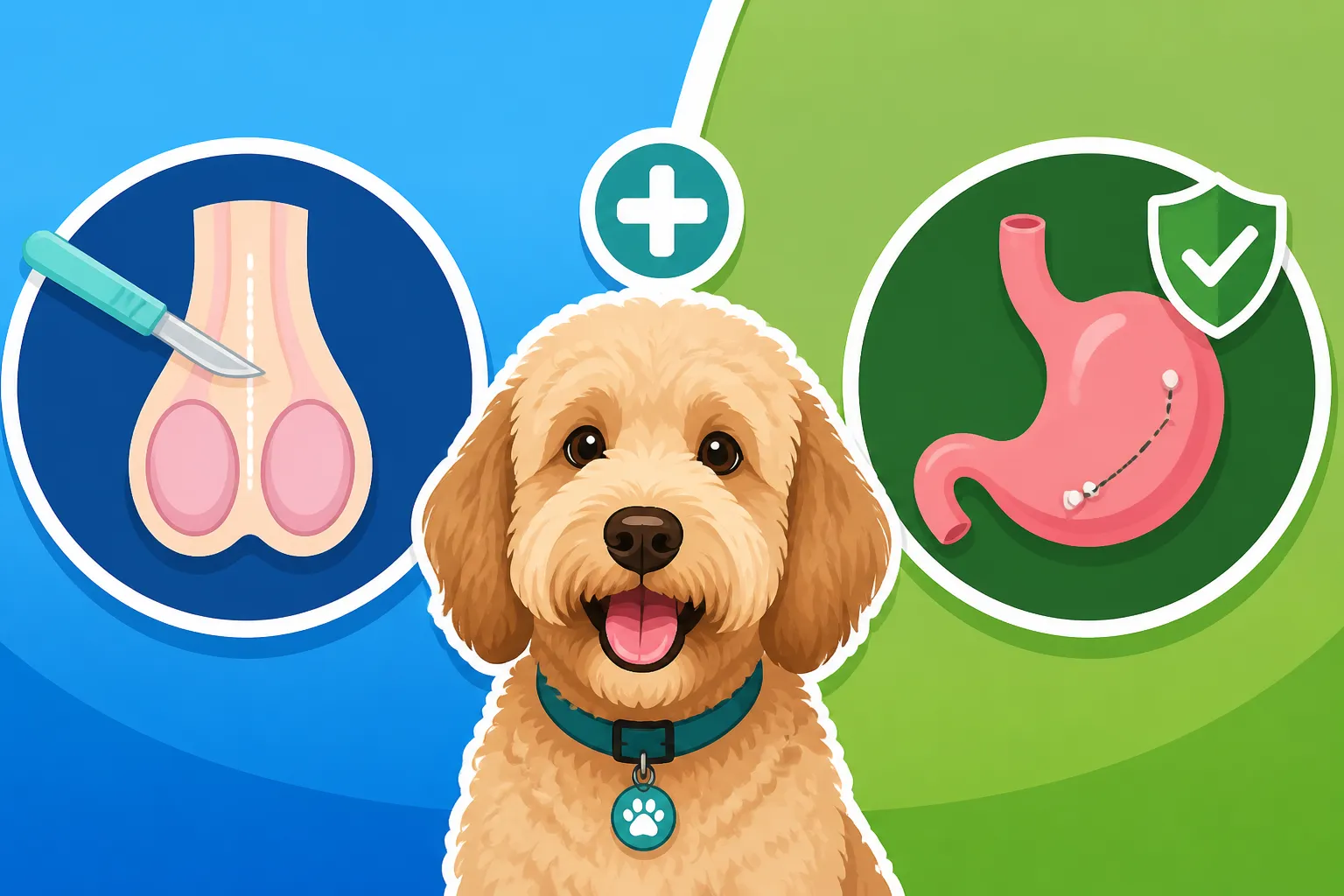
A prophylactic gastropexy is a surgical procedure where a dog's stomach is permanently attached, or "tacked," to the inside of the abdominal wall. This attachment prevents the stomach from twisting, which is the "volvulus" part of GDV. It's important to understand that a gastropexy does not prevent the stomach from filling with gas (dilatation), so your dog could still experience bloat in that sense. However, by preventing the twist, it dramatically reduces the life-threatening complications and the need for emergency surgery. Whether a Tacked Stomach Ends a Labradoodle's Bloat Risk is a common question, and the answer is that it prevents the torsion which is the most dangerous part. This procedure can literally be a lifesaver, transforming a potential medical catastrophe into a less severe, treatable upset stomach.
Different Surgical Approaches and Their Implications
There are a few ways a gastropexy can be performed, each with its own benefits and considerations. The traditional method is an "open" gastropexy, which involves a larger incision in the abdomen, similar to a standard spay or neuter incision, allowing the surgeon direct access to the stomach. More recently, laparoscopic (or "keyhole") gastropexy has become a popular option. This minimally invasive technique uses a small camera and specialized instruments inserted through tiny incisions, leading to less pain, smaller scars, and often a quicker recovery time for the dog. Some clinics also offer a hybrid approach, combining a small incision with laparoscopic assistance. While laparoscopic procedures often come with a higher upfront cost due to specialized equipment and training, the reduced invasiveness can translate to less discomfort and a smoother post-operative period for your Labradoodle.
The Core Benefits of Elective Gastropexy
The primary benefit of an elective gastropexy is the massive reduction in the risk of fatal bloat. Knowing that your Labradoodle is protected from the most dangerous aspect of GDV can relieve a tremendous amount of worry. Beyond this life-saving potential, there's also the financial aspect. While the upfront cost of a prophylactic gastropexy might seem substantial, it pales in comparison to the emergency veterinary bills for treating full-blown GDV, which often involves after-hours specialist surgery, extensive monitoring, and a potentially lengthy hospital stay. Furthermore, an elective procedure can be scheduled at your convenience, performed by your trusted veterinarian, and allows for thorough pre-surgical planning, which is a stark contrast to the rushed, stressful atmosphere of an emergency bloat situation. For many, the peace of mind alone is worth the investment. It allows you to enjoy activities with your Labradoodle without the constant underlying fear. Whether a Labradoodle Should Have a Preventive Gastropexy is a serious discussion to have with your vet.
The Strategic Choice Combining Gastropexy with Neuter/Spay
For Labradoodle owners who decide to move forward with a gastropexy, combining it with a routine neuter or spay procedure is often the most logical and beneficial approach. It’s a smart way to minimize the impact on your dog while maximizing the preventative benefits.
Streamlining Procedures: One Anesthetic, One Recovery
The biggest advantage of combining a prophylactic gastropexy with a neuter or spay is the "two-for-one" benefit regarding anesthesia and recovery. Any time an animal undergoes general anesthesia, there are inherent risks, however small. By performing both procedures simultaneously, your Labradoodle only needs to be anesthetized once, reducing their overall exposure to anesthetics and the associated risks. Similarly, they only have to go through one post-surgical recovery period. Instead of facing two separate periods of pain management, activity restriction, and discomfort, they get it all done at once. This single recovery period is less stressful for the dog and often easier for you, the owner, to manage, as you only need to focus on one set of post-operative instructions and monitoring.
The Ideal Timing for This Combined Surgery
The timing for combining a gastropexy with a neuter or spay is typically when your Labradoodle is still relatively young, usually between six months and two years of age, though your vet will provide the best guidance based on your dog's individual development and breed specifics. For males, neutering is often recommended around 6-12 months. For females, spaying is often done before their first heat cycle, which can be around 6-12 months. This timeframe often aligns perfectly with the optimal window for gastropexy, as the abdominal wall is still pliable, and the dog is young enough to recover quickly. Discussing What a Labradoodle Should Know by Six Months with your vet includes planning for these important procedures. Catching it before they've had a chance to experience a bloat episode is the goal, as a gastropexy won't undo any damage from a prior event.
Understanding the Added Layer to Your Pet's Procedure
While combining surgeries is efficient, it's crucial to understand that gastropexy is an additional procedure, not just a minor add-on. It extends the total surgical time under anesthesia, requires additional surgical expertise, and involves a separate incision or tiny laparoscopic ports, even if the primary neuter/spay incision is used as an access point. This means that while recovery is consolidated, it might be slightly more involved than a neuter/spay alone due to the extra abdominal manipulation and healing required. Your vet will provide specific instructions for managing two surgical sites, ensuring proper pain control, and monitoring for complications related to both procedures. It's a comprehensive approach to preventive care, but one that demands careful attention during the healing phase.
Demystifying the Costs What Gastropexy Adds to Your Bill
One of the first questions owners naturally ask when considering a prophylactic gastropexy is, "What's this going to cost me?" It’s a valid concern, as adding any surgical procedure will impact your budget. Let's break down what you can expect financially.
Breaking Down the Components of the Gastropexy Cost
When you opt for a prophylactic gastropexy, whether combined with a neuter/spay or as a standalone procedure, you're looking at several cost components. These typically include the surgeon's fee, which accounts for their skill and time; the anesthesia fee, which covers the drugs and the time your dog is under; comprehensive monitoring during the surgery (ECG, blood pressure, oxygen saturation); pre-surgical bloodwork to ensure your Labradoodle is a good candidate for anesthesia; pain medication before, during, and after the procedure; and any post-operative care, such as an overnight stay or follow-up visits. Additionally, the specialized equipment needed for laparoscopic procedures can also contribute to the overall cost. Each element is crucial for ensuring the safety and comfort of your dog, and together, they build the full picture of the gastropexy's expense.
Open vs. Laparoscopic Gastropexy: Cost vs. Recovery
The choice between an open and laparoscopic gastropexy often comes down to a balance between cost and recovery experience. Generally, a laparoscopic gastropexy will have a higher price tag. This is due to the specialized, often expensive, equipment required (laparoscopes, cameras, intricate instruments), as well as the advanced training and skill needed for the veterinary surgeon to perform these minimally invasive techniques. However, the benefits of laparoscopic surgery often include smaller incisions, less post-operative pain, and a faster, smoother recovery for your Labradoodle. This might mean fewer days of restricted activity and a quicker return to their normal self, which can be invaluable. An open gastropexy, while typically less expensive upfront, involves a larger incision and may necessitate a slightly longer, more uncomfortable recovery period. It’s a decision to discuss thoroughly with your veterinarian, weighing the financial aspect against the potential comfort and recovery time for your pet.
Comparing Costs: Prevention vs. Emergency Treatment
While a prophylactic gastropexy adds an upfront cost to your Labradoodle's neuter, it's essential to view this through the lens of potential future expenses. The cost of preventing bloat is almost always significantly lower than the cost of treating it as an emergency.
| Procedure Type | Typical Cost Shape | Recovery Timeframe | Complications Risk |
|---|---|---|---|
| Standard Neuter/Spay | Moderate | 10-14 days | Low |
| Prophylactic Gastropexy (Add-on) | Moderate to High | Adds 2-5 days to initial | Low |
| Combined Neuter/Spay + Gastropexy | Higher overall upfront | 14-21 days | Low |
| Emergency GDV Surgery | Extremely High (after-hours) | Weeks, potentially life-long issues | High (mortality risk) |
Note: These are general cost shapes and recovery estimates; actual figures vary widely by location, clinic, and individual circumstances. Consult your local veterinary practice for precise estimates.
Emergency GDV surgery is a major undertaking, often performed in the middle of the night, sometimes by a specialist surgeon, and includes extensive pre- and post-operative care, IV fluids, medications, and potentially blood transfusions. These bills can quickly escalate, often reaching many multiples of the cost of a prophylactic gastropexy. Beyond the financial strain, there's the emotional toll of a critical emergency, the uncertainty, and the potential for a devastating outcome. Investing in a gastropexy is an investment in your Labradoodle's long-term health and your peace of mind, potentially saving you immense stress and expense down the road. What Emergency Bloat Surgery Costs a Labradoodle Owner can be staggering. If you're concerned about the upfront costs, resources like CareCredit or other veterinary financing options can help. Arranging Care Credit Before a Labradoodle Bloats is a wise move, whether you opt for prophylactic surgery or not.
Weighing Your Options The Pros and Cons of Preventive Gastropexy
Deciding whether to pursue a prophylactic gastropexy for your Labradoodle is a personal choice, made in consultation with your veterinarian. It's about balancing the known risks with the benefits and understanding the full picture.
The Significant Advantages for Your Labradoodle's Future
The most compelling advantage of a preventive gastropexy is the dramatic reduction in the risk of your Labradoodle suffering from the life-threatening twisted stomach (volvulus) component of GDV. This peace of mind cannot be overstated; knowing you've taken a significant step to protect your beloved companion from such a terrifying and often fatal condition is invaluable. For breeds prone to bloat, like the Labradoodle, it truly is a proactive measure that can save their life and prevent immense suffering. Furthermore, opting for an elective procedure allows you to plan, schedule with your preferred veterinarian, and prepare for recovery in a controlled, non-emergency setting, which is far less stressful for both you and your dog. Should your Labradoodle still experience stomach distension, it would likely be a less severe, non-surgical issue rather than a dire emergency.
Acknowledging the Downsides and Considerations
While the benefits are substantial, it's also important to consider the potential downsides. Foremost among these is the additional upfront cost, which can be a significant factor for many families. While often less than emergency surgery, it's still an added expense to an already routine procedure like neuter/spay. There's also the fact that any surgery, no matter how routine, carries inherent risks related to anesthesia and potential complications, although these are typically low for an elective procedure performed on a healthy dog. The gastropexy also extends the overall surgical time and may necessitate a slightly longer or more cautious recovery period compared to a neuter or spay alone. Finally, it's crucial to remember that a gastropexy prevents the twist, but not the dilatation (gas build-up). Your Labradoodle could still experience discomfort from a gassy, distended stomach, though it wouldn't be the immediate, life-threatening emergency of a twisted stomach.
Navigating Insurance and Financial Planning
The financial aspect of veterinary care, especially for procedures like gastropexy, can be a heavy burden if not planned for. Understanding how pet insurance works and exploring other financial avenues is crucial for Labradoodle owners.
Pet Insurance Coverage for Elective Procedures
When it comes to pet insurance, coverage for prophylactic gastropexy can vary. Many comprehensive pet insurance plans, like those offered by Healthy Paws, recognize the value of preventive care and may offer coverage for the gastropexy portion of the surgery, especially when it's medically recommended for a high-risk breed. However, it’s absolutely critical to check your specific policy details before the procedure. Some plans might categorize it as an "elective" surgery, which might have different coverage percentages or even be subject to specific waiting periods before the coverage kicks in. You'll want to confirm if the procedure is covered, what percentage they'll reimburse, and if any pre-existing conditions (though unlikely for a prophylactic procedure on a young, healthy dog) could impact coverage. Insuring a Labradoodle Against Bloat needs careful consideration of your policy.
Exploring Other Financial Avenues
Even with pet insurance, or if you don't have it, there are other ways to prepare for the cost of a gastropexy. Many veterinary clinics work with third-party financing options like CareCredit, which offers payment plans, sometimes with deferred interest, allowing you to pay over time. Setting up a dedicated savings account specifically for your pet's health emergencies and routine care is another smart strategy; even putting away a small amount each month can build up quickly. Don't hesitate to openly discuss payment options with your veterinary office. They often have experience guiding clients through these financial decisions and can offer advice or resources to make the procedure more manageable. Having a plan in place ensures that you can make the best medical decisions for your Labradoodle without undue financial stress.
Ensuring a Smooth Recovery Post-Operative Care at Home
Bringing your Labradoodle home after a combined neuter/spay and gastropexy means you'll be responsible for their critical recovery. Diligent care during this period is essential for a successful outcome.
Immediate Post-Surgical Care and Monitoring
The first few days after surgery are the most crucial. Your Labradoodle will likely be a bit groggy and might have a reduced appetite. Your veterinarian will send you home with detailed instructions, including dosages for pain medication, which is vital for their comfort and healing. You'll need to strictly monitor their incision sites (typically one main incision for neuter/spay and potentially smaller ones for laparoscopic gastropexy) for any signs of redness, swelling, discharge, or opening. Ensuring they don't lick or chew at the sutures is paramount, which usually means a "cone of shame" (E-collar) will be their constant companion for a couple of weeks. Their activity will need to be severely restricted – no running, jumping, or rough play. Short, leashed bathroom breaks only. Whether a Labradoodle Should Rest After Eating will be a critical part of the post-op care, preventing any strain on the stomach attachment.
Longer-Term Recovery and Activity Restrictions
While the initial recovery is intense, the full healing process takes several weeks. Your vet will advise on when you can gradually reintroduce normal activities. Typically, full activity restriction lasts for at least two weeks, often longer for a gastropexy, to allow the internal stomach attachment to heal securely. This can be challenging with an active Labradoodle, so creativity with puzzle toys and quiet mental stimulation is key. Avoid stairs, slippery surfaces, and any situation where your dog might jump or strain. Supporting a Sixty Pound Labradoodle That Cannot Rise might be necessary if they are stiff or sore, and ramps can be helpful for car access or getting onto furniture. Patience is your best friend during this period, as rushing recovery can lead to complications.
Nutrition and Comfort During Healing
Your Labradoodle's diet during recovery might also need slight adjustments. Your vet may recommend a bland, easily digestible food for the first few days to minimize stomach upset. Brands like Ollie, known for their fresh, gently cooked meals, or Chewy's extensive selection of veterinary-prescribed or sensitive stomach diets, can be good options to explore. Ensure they have constant access to fresh water. Beyond diet, creating a comfortable, quiet recovery space is important. A soft bed in a low-traffic area of your home, away from stairs or rambunctious pets, will help them rest. Continuing their pain medication exactly as prescribed will keep them comfortable, allowing them to sleep and heal effectively. Remember, a comfortable dog is a dog that heals better.
Deciding to combine a prophylactic gastropexy with your Labradoodle's neuter or spay is a thoughtful and often life-saving choice. While it adds to the upfront cost and recovery time, the peace of mind it provides, knowing you've significantly reduced the risk of a fatal bloat emergency, is truly priceless. Discuss all your options thoroughly with your veterinarian, weigh the costs against the benefits, and prepare diligently for the recovery. Your Labradoodle will thank you for this proactive step towards a longer, healthier, and safer life.
Disclaimer
This article is for general informational purposes only and does not constitute professional advice. Laws, prices and regulations vary by location and change over time. Consult a qualified professional for guidance on your specific situation.