Supporting a Sixty Pound Labradoodle That Cannot Rise
It’s truly heartbreaking to watch your beloved Labradoodle, especially a strong sixty-pounder, struggle with something as fundamental as simply getting up. One day they’re bounding around, and the next, they’re hesitant, wobbly, or worse, unable to push themselves off the floor without immense effort or assistance. This guide is here to walk you through understanding why your Labradoodle might be facing this challenge and, more importantly, how you can provide the best possible support and care to help them regain comfort and mobility.
Understanding Why Your Labradoodle Cannot Rise
When your Labradoodle starts having trouble getting up, it's a huge red flag, and it's natural to feel a mix of worry, sadness, and even a bit of helplessness. It's not just "getting old"; there are often underlying reasons that need to be addressed. Pinpointing the cause is the first crucial step toward effective support.
Common Causes of Mobility Issues in Older Labradoodles
As Labradoodles age, much like us, their bodies go through changes that can affect their mobility. What was once easy becomes a monumental task. The joints, muscles, and even the nervous system can contribute to their struggles.
One of the most frequent culprits is arthritis, also known as osteoarthritis or degenerative joint disease. This isn't just a minor ache; it’s a progressive and often painful condition where the cartilage cushioning the joints wears down, leading to bone-on-bone friction, inflammation, and stiffness. Imagine trying to get up with constant grinding pain in your knees or hips – that's often what our senior dogs endure. It can affect any joint, but you'll most commonly see it in the hips, knees, elbows, and spine. It’s why you might notice your Labradoodle having trouble on stairs, hesitating before jumping, or just generally moving slower. Many Labradoodle owners find that around the age of ten, their dog starts showing signs of Arthritis in a Labradoodle at Ten.
Beyond general arthritis, hip and elbow dysplasia are significant concerns, especially in a dog the size of a sixty-pound Labradoodle. These are inherited conditions where the hip or elbow joints don't form correctly, leading to a loose, unstable joint that is prone to developing severe arthritis much earlier in life. Even if your Labradoodle was screened for Hips and Elbows in a Sixty Pound Labradoodle as a puppy, the long-term effects of even mild dysplasia can become pronounced as they get older and their body weight takes its toll. The pain from these conditions can make pushing off with the hind legs or supporting weight with the front legs incredibly difficult, if not impossible, without assistance.
Less common, but still important to consider, are other age-related conditions. Degenerative Myelopathy (DM), for instance, is a progressive disease of the spinal cord that is often seen in older, larger breeds. It’s painless, but it causes weakness in the hind limbs, stumbling, and eventually paralysis. It’s often mistaken for arthritis because the symptoms look similar initially, but it’s a neurological issue. Spinal disc disease can also cause severe back pain or nerve compression, making it excruciating for a dog to move, let alone stand up. Thyroid failure in a Labradoodle can also sometimes contribute to generalized weakness, though it's usually accompanied by other symptoms like coat changes or lethargy.
Sudden Onset Weakness or Inability to Rise
While chronic issues like arthritis often develop slowly, sometimes a Labradoodle's inability to rise can come on quite suddenly. This is particularly alarming and usually warrants immediate veterinary attention.
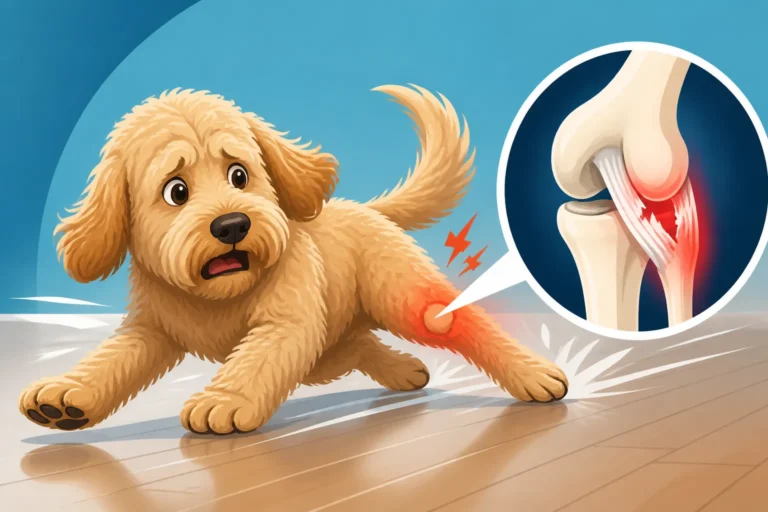
An acute injury is a common cause of sudden inability to rise. Your Labradoodle might have slipped on a slick floor, jumped off the couch awkwardly, or taken a tumble during playtime. This could lead to a sprain, strain, or even a fracture. If they're showing signs of sudden, intense pain, vocalizing when touched, or favoring a limb completely, an injury is highly probable. Even something like a torn cruciate ligament in the knee, which is common in active dogs, can make them unable to put weight on a leg and therefore struggle to stand.
Neurological issues can also manifest suddenly. A slipped disc in the spine (Intervertebral Disc Disease, or IVDD) can cause excruciating pain and weakness or paralysis in the affected limbs. One moment they're fine, the next they're yelping and can't use their back legs. This is an emergency, as timely intervention can often prevent permanent damage. Similarly, a stroke can lead to sudden disorientation, weakness on one side of the body, or difficulty coordinating movements, making rising impossible. While less common, certain types of Exercise Induced Collapse and the Labradoodle's Labrador Half can also present as sudden weakness after exertion, although this usually occurs in younger, active dogs.
Finally, an acute illness can sometimes present as extreme weakness, making it impossible for your dog to stand. Severe infections, organ failure (like kidney or liver crises), or even internal bleeding can cause profound lethargy and weakness. If your Labradoodle also has other symptoms like vomiting, diarrhea, loss of appetite, pale gums, or difficulty breathing, a sudden inability to rise is a strong indicator of a serious medical emergency. This is where having a good pet insurance plan, like those offered by Healthy Paws, can really make a difference, allowing you to focus on getting the best care without immediate financial strain.
Immediate Steps When Your Labradoodle Struggles to Get Up
Finding your Labradoodle unable to rise can be a frightening experience. Your immediate actions are critical to ensure their safety, comfort, and to gather information for your veterinarian. Panic won't help either of you, so take a deep breath and follow these steps.
Assessing the Situation and Ensuring Safety
First and foremost, approach your Labradoodle calmly. They are likely in pain or disoriented, and a sudden, loud approach might startle them or make them try to move, potentially causing further injury. Observe them from a distance for a moment. Are they trying to move? Are they vocalizing in pain? Is there any visible injury, swelling, or obvious deformity?
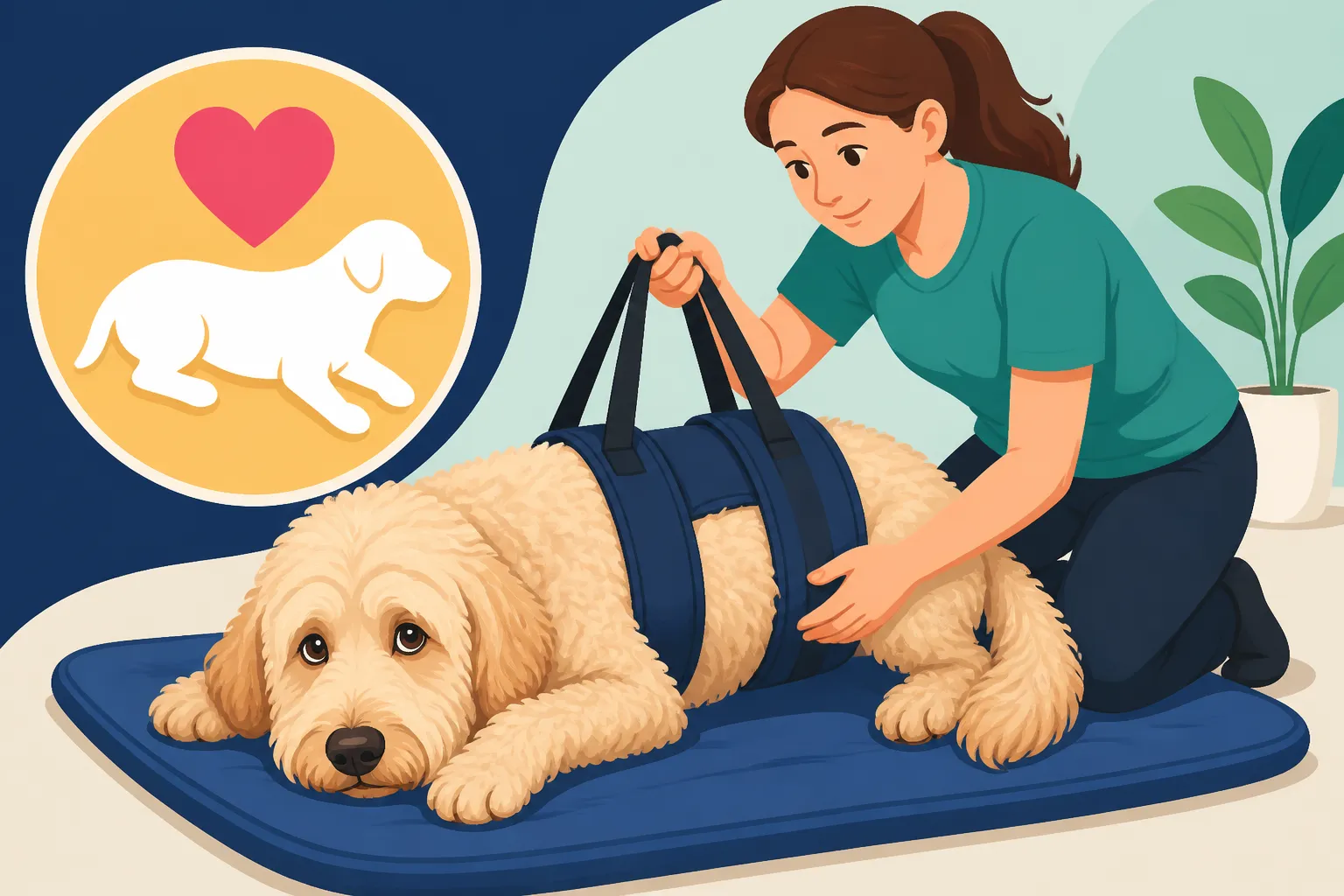
If they are on a slippery surface, carefully try to place a non-slip mat, towel, or rug under them. A sudden inability to gain traction can exacerbate their struggle and even cause more harm. If your Labradoodle is a larger, sixty-pound dog, moving them can be a challenge. Resist the urge to yank or lift them by their legs or midsection, as this could worsen an injury. Instead, try to slide a blanket, towel, or even a sturdy bath mat underneath them to create a makeshift stretcher. Gently gather the edges and, with assistance if possible, carefully slide them to a more comfortable, carpeted area or their bed. The goal is to minimize movement of their spine and limbs.
Once they are in a safe, comfortable spot, it's time to call your veterinarian immediately. Describe exactly what happened: when you first noticed it, any attempts your dog made to rise, signs of pain, and any other symptoms you've observed. Your vet will advise you on whether it's an emergency visit, what to do next, or if it can wait for a regular appointment. Be prepared for questions about their appetite, thirst, urination, and defecation habits, as these details can provide important clues.
Providing Temporary Comfort and Support
While you're waiting for veterinary advice or preparing for a trip to the clinic, focus on making your Labradoodle as comfortable as possible. This means ensuring they have easy access to water and a comfortable resting spot.
If they are unable to move to their water bowl, bring the water to them in a shallow bowl or even offer it from your hand. You can also dampen their gums with a wet cloth if they are very weak and not drinking. For food, if they normally eat twice a day, offer a small amount in an accessible bowl, but don't force it. Loss of appetite is common when dogs are in pain or unwell.
Padding is crucial for comfort and to prevent pressure sores, especially if they are going to be lying in one spot for an extended period. Use soft blankets, orthopedic dog beds, or even an old duvet. If you have a larger Labradoodle, a supportive dog bed designed for senior dogs can make a huge difference, offering better joint cushioning. If they are prone to Canine Cognitive Decline in an Old Labradoodle, keeping their environment familiar and calm is especially important.
You might also try very gentle, superficial massage around their non-injured areas, if they tolerate it. This can help improve circulation and reduce muscle stiffness, but never massage directly on or near an area where you suspect injury or acute pain. Observe their reaction closely; if they show any signs of discomfort, stop immediately. It's about providing comfort, not causing further pain. If you're planning for future mobility challenges, it's worth looking into whether your pet insurance, like Healthy Paws, covers physical therapy or alternative treatments, as these can be instrumental in long-term comfort.
Long-Term Management and Support Strategies
Once your veterinarian has diagnosed the underlying cause of your Labradoodle's difficulty rising, a long-term plan can be put into place. This often involves a multi-faceted approach, combining medical treatments with supportive care at home, dietary adjustments, and a keen eye on their overall well-being.
Mobility Aids and Home Modifications
Living with a large, sixty-pound Labradoodle who struggles to get around means making some thoughtful adjustments to your home and investing in aids to help them maintain their independence and comfort. These adaptations can significantly improve their quality of life.
Ramps and steps are invaluable, especially if your Labradoodle still wants to get onto furniture, into the car, or navigate a few steps around the house. Instead of letting them try to jump (which can be dangerous for compromised joints) or lifting them (which can be strenuous for you and potentially risky for them), a ramp provides a safe, low-impact way for them to ascend and descend. For inside the home, smaller ramps or pet steps can lead to their favorite couch spot or bed. For outdoor use or car access, longer, more durable ramps are available. Consider the length and incline; a shallower incline is always better for an older or less mobile dog. You can find more specific advice on Ramps and Steps for an Aging Labradoodle.
Support harnesses and slings are essential tools for immediate assistance and ongoing mobility support. A rear-end lift harness or full-body harness can provide the extra boost your Labradoodle needs to get up, go outside for potty breaks, or navigate short distances. These are designed to distribute weight evenly, reducing strain on any one part of their body and preventing injury to your back as you help them. Brands like Help 'Em Up Harness or GingerLead are popular and highly recommended for their durability and design. For a dog that needs constant support, a sturdy cart or dog wheelchair might be a life-changing option, allowing them to remain active and enjoy walks even if their hind legs are severely compromised. This may seem like a big step, but the joy of seeing a dog able to move freely again is immeasurable.
Finally, non-slip flooring is paramount. Many homes have hardwood, tile, or laminate floors which are beautiful but treacherous for a dog with weak legs or compromised balance. Lay down runners, area rugs, or anti-slip mats in high-traffic areas and wherever your Labradoodle rests or eats. Toe grips or non-slip booties can also give them better traction. Reducing the risk of slips and falls not only prevents further injury but also builds their confidence in moving around.
Here's a quick comparison of popular mobility aids:
| Mobility Aid | Best For | Pros | Cons |
|---|---|---|---|
| Ramps | Access to cars, beds, couches, stairs | Reduces impact on joints, prevents falls, promotes independence | Can be bulky, requires space, some dogs need training to use |
| Support Harness | Lifting, walking assistance, balance support | Versatile (front, rear, or full body), good for short-term assistance | Requires owner participation, may not suit dogs with severe weakness |
| Dog Wheelchair | Hind leg weakness/paralysis, long-term use | Restores mobility for walks, encourages exercise, improves quality of life | Can be expensive, requires adjustment, not for all situations |
| Non-slip Mats | Slippery floors, preventing falls | Affordable, easy to implement, reduces anxiety on slick surfaces | May not cover all areas, can be trip hazard for humans |
Veterinary Treatments and Therapies
Working closely with your veterinarian is crucial for managing your Labradoodle's mobility issues. There's a wide range of medical and therapeutic options available to reduce pain, slow disease progression, and improve comfort.
Medications are often the first line of defense. Non-Steroidal Anti-Inflammatory Drugs (NSAIDs) like Rimadyl, Galliprant, or Metacam are commonly prescribed to reduce pain and inflammation associated with arthritis. These can make a tremendous difference in your dog's ability to move comfortably. However, long-term use requires careful monitoring by your vet, as they can have side effects on the liver and kidneys. Other pain relievers, such as Gabapentin or Amantadine, might be added for neuropathic pain or to enhance the effects of NSAIDs. For joint health, supplements containing glucosamine and chondroitin, often combined with MSM, are widely recommended to help support cartilage health. You might investigate Whether Glucosamine Helps a Labradoodle's Joints with your vet. Injectable polysulfated glycosaminoglycans (Adequan) can also help improve joint fluid and reduce cartilage degradation.
Physical therapy (PT), often performed by a certified canine rehabilitation therapist, is incredibly effective. This isn't just about walks; it involves targeted exercises to strengthen muscles supporting weak joints, improve range of motion, and reduce stiffness. This might include passive range of motion exercises, therapeutic exercises with balance balls or cavaletti poles, and even therapeutic massage. Your therapist will create a customized plan for your Labradoodle. Many pet parents find great success with hydrotherapy (underwater treadmill or swimming). The buoyancy of water reduces weight-bearing stress on joints, allowing your dog to exercise muscles without pain, which can be particularly beneficial for a sixty-pound Labradoodle struggling with their weight.
Beyond traditional approaches, many vets also offer or recommend alternative therapies. Acupuncture can provide significant pain relief by stimulating specific points on the body, improving blood flow, and releasing natural painkillers. Laser therapy (low-level light therapy) is another non-invasive option that uses specific wavelengths of light to reduce inflammation and promote healing at a cellular level. These therapies can be used in conjunction with medications to provide a more holistic approach to pain management and mobility support. Be sure to discuss these options with your vet to see what's best for your Labradoodle and to understand if your pet insurance, like Healthy Paws, offers coverage for such specialized treatments.
Nutritional Support and Weight Management
One of the most impactful things you can do to support a Labradoodle with mobility issues is to ensure they maintain an ideal body weight and receive appropriate nutritional support. Every extra pound puts additional stress on already compromised joints, amplifying pain and accelerating degeneration.
Weight management is paramount. If your sixty-pound Labradoodle is carrying even a few extra pounds, those pounds translate to significantly more force on their joints with every step. Work with your vet to determine The Weight a Labradoodle Should Hold. This often means carefully measuring their food, reducing treats, and opting for lower-calorie, high-fiber options. Switching to a senior or weight-management dog food formulated with fewer calories and higher protein can help them feel full while still providing essential nutrients. Regular, gentle exercise, appropriate for their mobility level, is also key. This might mean shorter, more frequent walks, or hydrotherapy instead of strenuous runs.
Joint-supporting diets and supplements play a vital role. Many senior dog foods are enriched with omega-3 fatty acids (EPA and DHA), glucosamine, and chondroitin, which are known for their anti-inflammatory properties and ability to support joint cartilage. If your dog isn't on a joint-specific diet, your vet might recommend adding these supplements separately. Look for high-quality, veterinarian-approved brands. Omega-3 fatty acids, often derived from fish oil, are particularly beneficial for their anti-inflammatory effects, which can help reduce the pain and discomfort associated with arthritis.
Beyond specific joint supplements, ensuring a balanced diet that supports overall health is crucial. A good quality diet provides the necessary vitamins, minerals, and antioxidants to support the immune system and cellular health, aiding in their recovery and well-being. Always discuss any dietary changes or supplements with your veterinarian to ensure they are appropriate for your Labradoodle's specific health needs and don't interact negatively with any medications.
The Emotional Toll and Quality of Life Considerations
Living with a Labradoodle who can no longer rise easily is not only physically challenging for them but emotionally challenging for you. It's tough to watch their independence diminish, and it's vital to address both their physical comfort and their mental well-being, as well as your own.
Maintaining mental stimulation and companionship is just as important as physical care. Even if your Labradoodle can't go on long walks, they still need mental engagement. Scent games, puzzle toys, gentle petting, and simply spending time with them can keep their spirits up. If they can’t get to their favorite window, bring them to it or provide a comfortable spot where they can watch the world go by. Keep their routine as consistent as possible, as predictability provides comfort, especially for an older dog who might be experiencing Canine Cognitive Decline in an Old Labradoodle. Your presence and reassurance are often the greatest comfort you can offer.
Recognizing their pain and discomfort is critical. Dogs are masters at hiding pain, so you need to be observant. Subtle signs might include panting more than usual, restlessness, difficulty settling, licking at joints, changes in appetite, or even subtle changes in their facial expression. If they’re reluctant to be touched in certain areas, that’s another strong indicator. Don’t hesitate to ask your vet about a pain management plan; ensuring they are comfortable is paramount. It’s also important to involve your veterinarian in evaluating their overall quality of life. This means looking at their good days versus their bad days, their ability to enjoy food, interact with the family, and maintain basic bodily functions.
Making difficult decisions about their quality of life is perhaps the hardest part of caring for an aging or debilitated dog. There may come a point where, despite your best efforts and all available treatments, your Labradoodle's pain or loss of function becomes too great, and their quality of life diminishes beyond what's fair for them to endure. This is a deeply personal and heartbreaking decision. Your vet can help you assess their current state, understand the progression of their condition, and guide you through considering options. Resources like the HHHHHMM (Hurt, Hunger, Hydration, Hygiene, Happiness, Mobility, "More good days than bad") scale can help you objectively evaluate their well-being. While pet insurance like Healthy Paws can help manage the financial burden of care, it cannot alleviate the emotional toll. Remember, choosing to end their suffering is often the final, most profound act of love you can give them, especially when you reach The Point a Labradoodle's Owner Has to Decide.
Disclaimer
The information provided in this article is for educational purposes only and is not a substitute for professional veterinary advice. Always consult with a qualified veterinarian for any health concerns or before making any decisions about your Labradoodle's care.