Whether a Labradoodle Sold Sight Unseen Is a Scam
The internet has made finding your dream Labradoodle puppy easier than ever, but it's also opened a Pandora's Box of uncertainty and potential heartbreak. Many aspiring owners wonder if a Labradoodle advertised online, sight unseen, is too good to be true, and sadly, often it is. This comprehensive guide will help you understand the risks involved in purchasing a Labradoodle without meeting them or their breeder in person, how to spot the red flags of a scam, and how to protect yourself and your wallet.
The Allure and Risks of Buying Sight Unseen
The idea of finding your perfect Labradoodle puppy online, often advertised with adorable photos and compelling stories, can be incredibly tempting. For many, especially those living in areas with few local breeders or those seeking a specific coat type or color, searching farther afield online seems like the only option. However, this convenience comes with significant risks, and it’s important to understand why so many scams thrive in this environment.
Why the "Sight Unseen" Appeal Exists
It's completely understandable why someone might consider buying a Labradoodle sight unseen. Perhaps you've fallen in love with a picture of a puppy on a breeder's website that seems to perfectly match what you're looking for, but the breeder is hundreds or even thousands of miles away. Or maybe local breeders have long waitlists and higher prices, making an out-of-state option look more appealing and immediately available. Social media groups and online marketplaces are rife with postings that promise immediate puppy availability, often playing on the emotional desire to bring a furry family member home as quickly as possible. This appeal is heightened by glossy, professional-looking websites and photos that can easily deceive. The thought of avoiding travel or securing a seemingly "rare" puppy can cloud judgment, leading people to overlook crucial steps in the verification process.
The Red Flags of a Legitimate Breeder
A truly legitimate Labradoodle breeder, whether they are across the country or down the street, will operate with transparency and an unwavering commitment to the health and welfare of their dogs. If you encounter a breeder who avoids video calls, pushing you instead to rely solely on photos or vague descriptions, consider it a major red flag. They should be eager to show you their facility, introduce you virtually to the parent dogs, and discuss the living conditions of their puppies. A reputable breeder will never push for quick payment, especially through untraceable methods like wire transfers, gift cards, or cryptocurrency. They will also be upfront about all costs, including deposits, the final price of the puppy, and any associated fees like health testing or initial vet visits. Any evasiveness, refusal to provide references (such as from previous puppy buyers or their veterinarian), or a lack of detailed information about the puppy's lineage or health clearances, should make you extremely wary. Remember, a good breeder has nothing to hide.
Common Scams and How They Operate
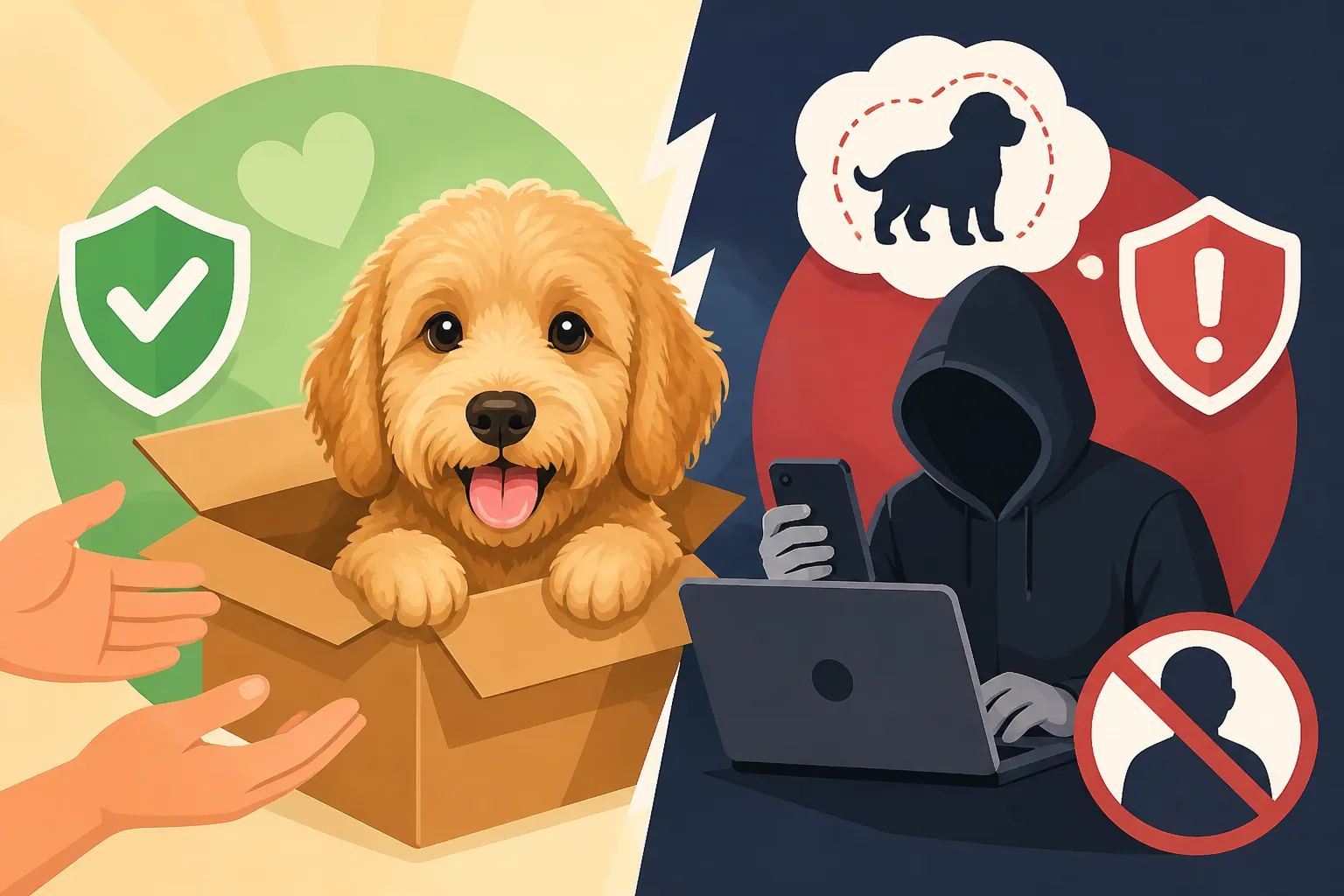
The world of online puppy sales is unfortunately riddled with various types of scams, all designed to separate hopeful buyers from their money without ever delivering a puppy. One of the most common is the "ghost puppy" scam, where scammers use stolen photos of adorable puppies they don't actually own. They might create fake websites or social media profiles, engage in convincing email conversations, and even provide fake documents. Once you've sent payment, they disappear, and you're left with no puppy and no recourse. Another variation is the "bait-and-switch," where the puppy you thought you were buying suddenly becomes "unavailable," but another, often less desirable or more expensive, puppy is offered in its place.
Then there are the elaborate "shipping scams." After you pay for the puppy, the scammer invents additional, unexpected costs for shipping, insurance, or "special temperature-controlled crates." They might even claim the puppy is stuck at a distant airport, demanding more money for its release. These charges often come from fake shipping companies they've set up, or from real companies whose names they've hijacked. The goal is to extract as much money as possible from you before you realize there's no puppy at all. Always be suspicious of any pressure to pay extra fees beyond the initial stated price, especially if those fees appear suddenly or demand immediate payment.
Verifying a Labradoodle Breeder's Legitimacy
The key to avoiding scams when looking for a Labradoodle is rigorous verification. You need to become an expert detective, scrutinizing every detail and asking tough questions. A little upfront effort can save you immense heartache and financial loss down the line.
The Importance of Virtual and In-Person Visits
While an in-person visit is always the gold standard for verifying a breeder, it's not always possible. This is where virtual tools become indispensable. A legitimate breeder will be happy to schedule video calls where you can see the puppies interacting with their mother in their actual environment. This isn't just a quick peek; it should be a comprehensive tour of their facility, showing you where the dogs live, play, and sleep. Be wary if a breeder insists their puppies are "too young" or "too fragile" for video calls, or if they only offer heavily edited video clips. You might also ask if they have "puppy cams" or regularly updated social media feeds where you can see the puppies growing.
Beyond just seeing the puppies, a virtual visit allows you to gauge the breeder's demeanor and willingness to answer questions openly. Ask for references from their veterinarian and previous puppy buyers. A good breeder will have a long list of happy families and a strong relationship with their vet. Don't just take their word for it; actually call these references and ask probing questions about their experience. If a breeder is part of a reputable organization, such as the ALAA or WALA, check their credentials. What a WALA Pedigree Shows About a Labradoodle can be a good indicator of a breeder's commitment to verifiable lineage and health. Remember, seeing is believing, and in a digital age, that means seeing live video, not just static photos.
Due Diligence Beyond the Website
A professional-looking website can be easily faked. Your due diligence needs to extend far beyond what’s presented on a breeder’s own page. Search for the breeder's name, kennel name, and contact information online. Look for independent reviews on sites like Yelp, Google, or dedicated dog forums. Be cautious of overwhelmingly positive reviews that all sound similar, as these can be fabricated. Conversely, a lack of any online presence beyond a basic website can also be a red flag.
Check their social media profiles (Facebook, Instagram, etc.). Do they regularly post updates about their dogs and puppies? Do their posts align with the information they've given you? Are there interactions with other satisfied owners? A thriving online community around a breeder is often a good sign. You should also ask for photographs of the parent dogs, not just the puppies, and inquire about their personalities and living arrangements. Pay attention to how long the waitlist for a program Labradoodle runs as a benchmark; a legitimate breeder will often have a waiting list, while a scammer might claim immediate availability. If they claim a puppy is available right now, especially for popular breeds, it's worth a double-take.
Essential Health Clearances and Documentation
This is perhaps the most critical aspect of verifying a Labradoodle breeder. Responsible breeders invest heavily in genetic health testing for their parent dogs to reduce the risk of passing on inherited diseases. You should insist on seeing copies of health clearances for both parents, not just verbal assurances. These should include certifications for hips and elbows (OFA or PennHIP), eyes (CERF/OFA Eye Certification Registry), and genetic tests for common Labradoodle issues like Progressive Retinal Atrophy (prcd-PRA) and Exercise Induced Collapse (EIC), as outlined in resources like The Health Tests a Labradoodle Breeder Should Show and The prcd-PRA Test Both Labradoodle Parents Need.
Don't accept a breeder's claim that a puppy is "clear by parentage" without seeing the actual parent certifications. If a breeder claims their dogs are from champion lines or have exceptional pedigrees, ask for documentation to back it up. A reputable breeder will also provide a detailed contract, outlining their health guarantee, return policy, and spay/neuter requirements. Make sure to read What a Labradoodle Health Guarantee Actually Covers carefully. A lack of transparent, verifiable health documentation is a massive warning sign that you might be dealing with a breeder who is cutting corners, or worse, a scammer.
Protecting Yourself When Purchasing a Labradoodle
Even after thorough vetting, it's vital to protect yourself financially and legally when finalizing the purchase of your Labradoodle puppy. This involves understanding payment methods, what a good breeder provides, and knowing when to simply walk away.
Secure Payment Methods and Contracts
Never, ever use untraceable payment methods for a puppy purchase, such as wire transfers, gift cards, or cryptocurrency. These methods are favored by scammers because once the money is sent, it's virtually impossible to recover. Always opt for traceable methods like credit card payments, PayPal (using buyer protection), or personal checks if you have a signed contract and verifiable breeder information. While most legitimate breeders will require a deposit to hold a puppy, this should also be done through a secure, traceable method.
Furthermore, a comprehensive, written contract is non-negotiable. This document should clearly state the purchase price, the specific puppy being purchased (identified by microchip or unique markings), health guarantees, vaccination records, deworming schedule, and what happens if the puppy becomes ill within a certain timeframe after coming home. It should also outline breeder responsibilities, such as when the puppy can go home and what supplies are included. Understanding what a Labradoodle breeder's contract says can prevent many misunderstandings. If a breeder resists a contract or offers only a vague, verbal agreement, consider it a deal-breaker.
What to Expect from a Responsible Breeder
A responsible Labradoodle breeder doesn't just sell you a puppy and disappear; they become a lifelong resource for you and your dog. You should expect ongoing communication, answering your questions both before and after you bring your puppy home. They should provide a puppy care package that includes the puppy's current food, vaccination records, deworming schedule, and possibly a small toy or blanket with the litter's scent to help with transition. Many will also offer a starter supply of high-quality food, perhaps from brands like Chewy or Ollie, to help you transition your puppy's diet smoothly.
A good breeder will also provide guidance on house training, socialization, and general puppy care. They often require that you keep them updated on the puppy's progress and might even request that you reach out if you ever need to rehome the dog, demonstrating their lifelong commitment. They care about the well-being of their dogs for their entire lives, not just until the sale is complete. This level of support and engagement is a hallmark of a genuine, caring breeder. They understand that bringing home a Labradoodle is a huge commitment, and they want to set you and your puppy up for success.
When to Walk Away
Knowing when to cut your losses and walk away from a potential purchase is crucial. If at any point you feel pressured, uncomfortable, or have a gut feeling that something isn't right, trust that instinct. High-pressure sales tactics, demands for immediate payment, or refusal to answer specific questions thoroughly are all major red flags. If a breeder seems more interested in getting your money than in asking questions about the kind of home you can provide for their puppy, that's a problem. A responsible breeder wants to ensure their puppies go to loving, appropriate homes, and they will likely have just as many questions for you as you have for them.
Be extremely wary if a breeder cannot provide verifiable health clearances for the parent dogs, or if they claim the puppy is much cheaper than the typical The Fifteen Hundred to Three Thousand a Labradoodle Puppy Costs. While prices vary, suspiciously low prices often indicate a backyard breeder cutting corners on health and care, or an outright scam. Similarly, if they offer to ship a puppy without allowing any prior virtual interaction or insist on meeting in a public place with no access to their breeding facility, these are significant warning signs. It's far better to walk away and continue your search than to risk becoming a victim of a scam or supporting an unethical breeding operation. Don't let your excitement for a new puppy overshadow your common sense.
What to Do If You Suspect a Scam
If you've unfortunately found yourself in a situation where you suspect a Labradoodle puppy sale is a scam, it's important to act quickly and methodically. While recovering funds can be challenging, there are steps you can take to report the scam and prevent others from falling victim.
First, immediately cease all communication with the suspected scammer. Do not send any more money, even if they invent new "fees" or threats. Collect all documentation you have: emails, text messages, website screenshots, payment receipts, and any names or contact information they provided. This evidence will be crucial for your next steps.
Contact your bank or credit card company to report the fraudulent transaction. They might be able to reverse charges, especially if you used a credit card or a service with buyer protection. Be prepared to provide all the evidence you've gathered.
Next, report the scam to the relevant authorities. In the United States, this includes the Federal Trade Commission (FTC) and the FBI's Internet Crime Complaint Center (IC3). If the scammer used a specific online platform (e.g., Facebook Marketplace, a specific puppy selling website), report their profile or listing to that platform. Your report can help shut down their operation and protect future potential victims.
It's also a good idea to report the scam to pet-specific fraud databases or organizations. While it might not get your money back, it adds to a growing body of information that helps track and expose these fraudsters. Remember that if you were looking for a specific type of Labradoodle, such as an Australian Labradoodle, scammers often target these higher-value dogs, so be extra vigilant.
If you're still looking for a Labradoodle, consider alternatives that offer more transparency and security. Rescues dedicated to doodles, such as those found by looking into What the Doodle Rescues Charge for a Labradoodle, are fantastic options. These dogs often come with veterinary care already covered and their temperaments are usually well-understood by their foster families. You can also explore reputable breeders with strict guidelines, ensuring you understand whether a Labradoodle from untested parents is a risk. When you bring your genuine Labradoodle home, considering pet insurance from a provider like Healthy Paws can give you peace of mind against unexpected vet bills, a common concern for any dog owner, especially when factoring in The Two Parent Breeds a Labradoodle Policy Has to Cover.
It’s never easy to realize you’ve been targeted by a scam, but taking action can make a difference for yourself and others.
Here's a quick comparison of what to look for:
| Feature | Trustworthy Breeder Signs | Scam Red Flags |
|---|---|---|
| Communication | Open, responsive, willing to video call, asks you many questions. | Evasive, vague answers, poor grammar/spelling, doesn't ask about your home. |
| Transparency | Offers virtual tours, shows parent dogs, provides references (vet, past buyers), encourages questions. | Refuses video calls, only provides stock photos, no references, avoids showing living conditions. |
| Health & Documentation | Provides verifiable health clearances (OFA, CERF, DNA tests) for parents, detailed health guarantee, vaccination records. | Claims "clear by parentage" without proof, no verifiable health records, vague or no health guarantee. |
| Pricing & Payment | Transparent pricing, accepts traceable payments (credit card, PayPal with protection), detailed contract. | Suspiciously low prices, demands untraceable payments (wire transfer, gift cards, crypto), no formal contract. |
| Availability | Often has a waiting list, puppies available at appropriate age (8+ weeks). | Claims immediate availability, pushes for quick sale, offers to ship very young puppies. |
| Support | Offers lifelong support, guidance, asks for updates, may have a take-back clause. | Disappears after payment, no follow-up, no interest in puppy's future well-being. |
Disclaimer
This article is for general informational purposes only and does not constitute professional advice. Laws, prices and regulations vary by location and change over time. Consult a qualified professional for guidance on your specific situation.