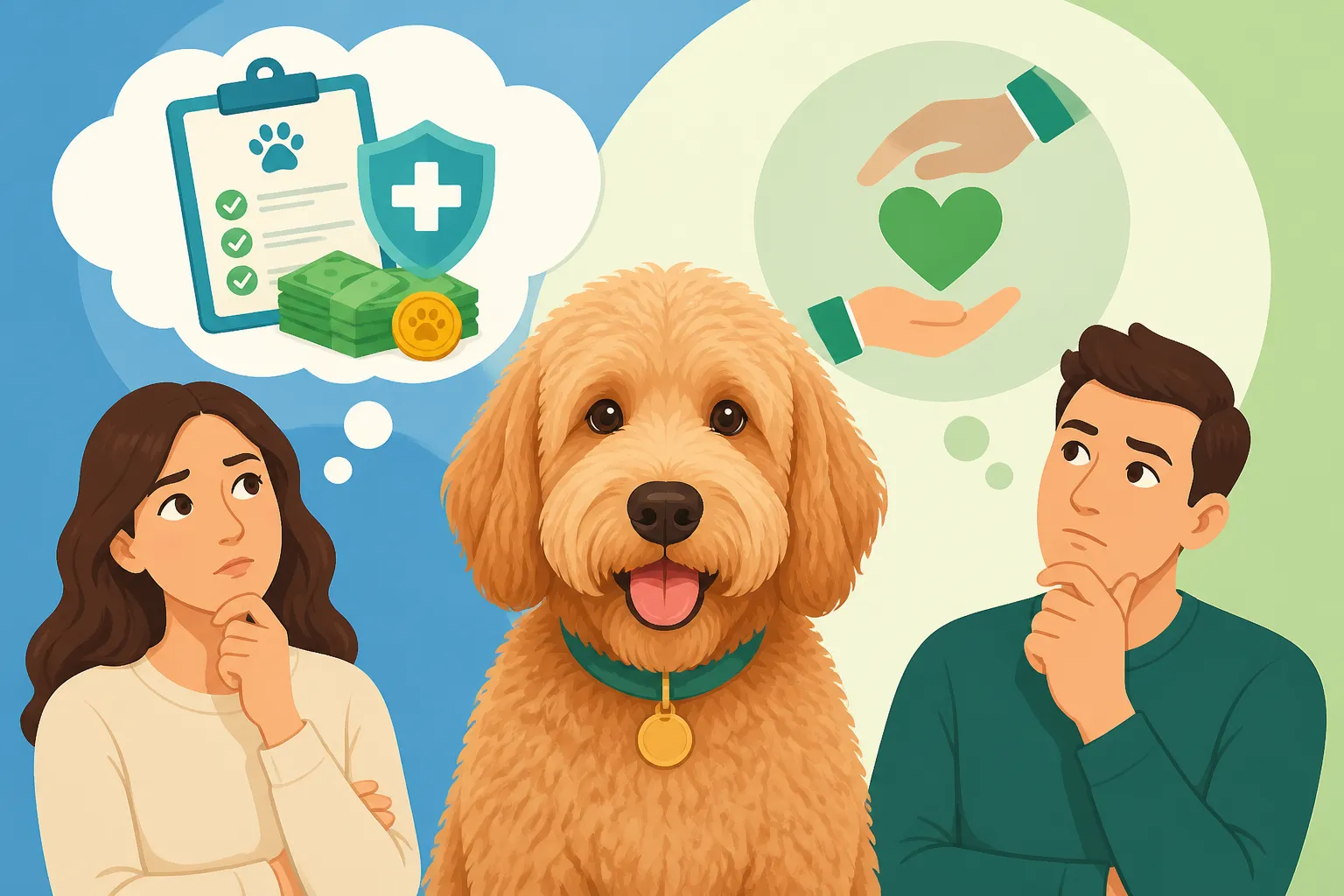
Who Pays the Vet Bills on a Guardian Labradoodle
Bringing a Labradoodle into your life through a guardian home program can be a truly wonderful experience, offering the joy of a beloved family pet while supporting a reputable breeder. However, one of the most common areas of confusion and potential stress for guardian families often revolves around veterinary bills. It’s not always black and white who pays for what, and misunderstanding this can lead to awkward conversations and unexpected financial strain. This guide is here to help you navigate the intricacies of vet bill responsibility in a guardian home agreement, ensuring you feel confident and prepared.
Understanding the Guardian Home Arrangement
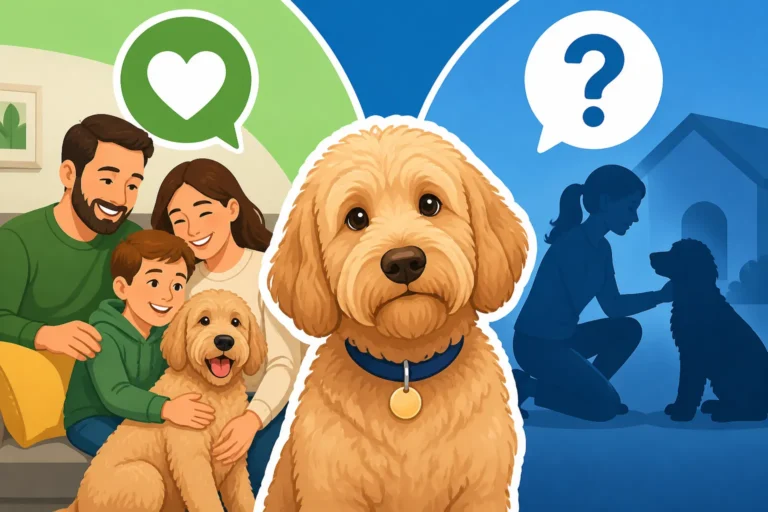
A guardian home program is a fantastic way for ethical breeders to expand their breeding program without housing too many dogs in one kennel. It allows breeding dogs to live their lives as cherished family pets in a loving home environment, rather than being confined to kennels. For the guardian family, it's an opportunity to welcome a carefully selected, health-tested Labradoodle into their home, often at a reduced or waived initial cost, with the understanding that the dog will be part of the breeder's program for a certain number of litters or years. It’s a win-win when handled correctly, but the unique shared ownership model means that typical pet ownership responsibilities, especially veterinary expenses, need clear definition.
What a Guardian Home Agreement Entails
At its heart, a guardian home agreement is a partnership. The breeder retains ownership and breeding rights, while the guardian family provides the day-to-day care, love, and training. This dog is truly your family pet, living in your home, going on walks with you, and curling up on your sofa. You’re responsible for its daily well-being, its socialization, and its integration into your family life. The breeder, in turn, manages all breeding-related aspects, including health testing, arranging matings, whelping, and raising puppies. This split responsibility naturally extends to medical care, creating a need for a very clear understanding of financial obligations. If you're considering this path, it's worth exploring How a Guardian Home Labradoodle Arrangement Works in detail to grasp the full scope.
Why Vet Bills Can Be a Grey Area
The primary reason vet bills become a gray area in guardian programs is because the dog serves two purposes: it's both a family pet and a breeding animal. This duality means that some veterinary care is purely for the dog's personal health and well-being, while other care is directly related to its role in the breeding program. For instance, routine vaccinations are standard for any pet, but specialized genetic health screenings or whelping costs are specific to breeding. Without a detailed contract, it’s easy for assumptions to be made on both sides, leading to confusion and potential disagreements when a bill arrives from the vet. Every guardian family needs to understand What a Guardian Family Gives Up on a Labradoodle and what they gain, especially regarding financial aspects.
Common Divisions of Veterinary Costs in Guardian Programs
Generally, the responsibility for vet bills is divided based on whether the care is routine for any pet or specific to breeding. A good guardian contract will clearly outline these distinctions, but here's a breakdown of what you can typically expect.
Routine Care Versus Breeding-Related Costs
Think of it this way: if your Labradoodle were purely a pet and not part of a breeding program, what vet care would you be responsible for? That's usually the guardian family's part. This includes things like annual check-ups, vaccinations (distemper, rabies, etc.), heartworm prevention, flea and tick medications, and any treatment for injuries or illnesses unrelated to breeding. Essentially, it's the cost of keeping your dog healthy and happy in its day-to-day life.
On the flip side, the breeder typically assumes responsibility for all costs associated with the dog's breeding duties. This would cover all necessary genetic health screenings (like those for hips, elbows, eyes, and specific genetic diseases common in Labradors and Poodles), stud fees, artificial insemination, progesterone testing, ultrasounds, X-rays during pregnancy, whelping costs (if the litter is raised at the breeder's home, which is common), and any post-whelping complications for the dam. Even if the initial health testing clears the dog, future testing or specialized breeding services will fall to the breeder. Knowing The Health Tests a Labradoodle Breeder Should Show can help you understand the breeder's commitment to responsible breeding.
Examples of Typical Cost Allocations
Let's look at some concrete examples to illustrate the division of costs:
-
Guardian Family Responsibility:
- Annual Wellness Exams: Your yearly vet visit, including basic blood work if recommended.
- Vaccinations: Keeping your Labradoodle up-to-date on all recommended vaccines.
- Parasite Prevention: Monthly heartworm, flea, and tick medications. You might find these at competitive prices on platforms like Chewy.
- Spay/Neuter Surgery: Once the dog has completed its breeding career, the spay or neuter is usually performed at the breeder's expense, but the general upkeep until that point, including the typical neutering or spaying if it weren't a breeding dog, would be yours. Correction: Typically, the breeder covers the spay/neuter at the end of the breeding contract, as it's part of fulfilling the agreement. However, routine dental cleanings would fall to the guardian.
- Accidents/Illnesses: If your Labradoodle breaks a leg playing in the park or gets an ear infection from swimming, those costs are generally yours, just like with any pet. Issues like Ear Infections Built Into a Labradoodle's Drop Ear are common pet ailments.
- Food and Supplies: Daily food, toys, beds, and grooming supplies are all on the guardian. Some families choose fresh food options like Ollie, which are fantastic for a Labradoodle's health.
-
Breeder Responsibility:
- Pre-breeding Health Clearances: All genetic testing, hip and elbow evaluations, eye certifications (like a CAER exam), and any other breed-specific screenings required before breeding. The prcd-PRA Test Both Labradoodle Parents Need is a good example.
- Breeding-Related Vet Visits: Appointments for progesterone testing, semen collection/shipping, artificial insemination, pregnancy confirmation ultrasounds/X-rays, and any veterinary care directly related to pregnancy, whelping, and lactation.
- Emergency Breeding Care: If a C-section is needed, or if there are complications during labor or post-whelping, these costs are typically the breeder's.
- Spay/Neuter After Retirement: Once the dog is retired from the breeding program, the cost of its spay or neuter surgery is almost always covered by the breeder, signifying the transition to full family pet status.
It’s crucial that the guardian agreement you sign with the breeder spells out each of these points in clear, unambiguous language.
Navigating Unexpected or Emergency Vet Bills
While routine and breeding-related costs can often be predicted and planned for, unexpected illnesses or emergencies can throw a wrench into even the best-laid plans. This is where communication and preparation become absolutely vital.
Handling Medical Emergencies
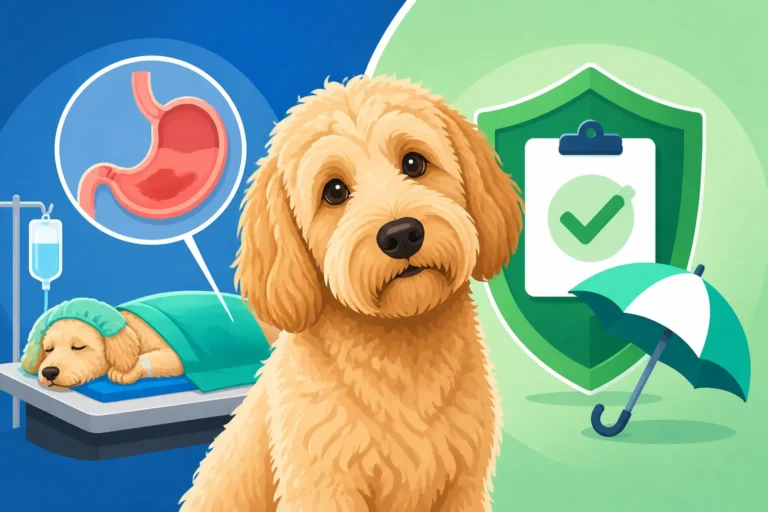
Imagine your Labradoodle suddenly showing signs of bloat, a life-threatening condition for deep-chested dogs like the Labradoodle's Poodle ancestors. Bloat Risk in a Standard Poodle Bred Labradoodle is a real concern. Or perhaps they've ingested something toxic. In these urgent situations, time is of the essence, and you can't always wait to consult with the breeder about payment.
A good guardian contract should have a clause addressing emergency veterinary care. Often, it stipulates that the guardian family should seek immediate veterinary attention and then notify the breeder as soon as possible. Who pays for this emergency might still depend on whether the emergency is breeding-related or a general pet health issue. For example, if an emergency occurs during pregnancy, it would fall to the breeder. If it's an accident while playing, it's usually the guardian's responsibility. Some agreements might even outline a shared responsibility for certain severe, non-breeding related medical conditions. This is where having pet insurance can be a huge relief, regardless of who is ultimately responsible.
Insurance Considerations for Guardian Dogs
Pet insurance is an absolute must-have for any Labradoodle owner, but it becomes even more critical in a guardian home scenario. It provides a safety net for those unexpected, expensive vet bills that can arise from accidents or sudden illnesses. Many guardian families choose to get their own pet insurance policy from providers like Healthy Paws. This policy would typically cover the guardian's share of veterinary costs, such as non-breeding related accidents, illnesses, and emergencies, much like it would for any privately owned pet.
The question then becomes: does the breeder also carry insurance, or is there a specific agreement for how their share of costs would be covered? Some breeders might stipulate that the guardian family insures the dog, with the understanding that the breeder will reimburse the guardian for any breeding-related claims. Others might have a policy themselves that covers breeding animals. It's essential to clarify this in the contract. Discussing Whether a Guardian Labradoodle Is Insured by the Breeder directly with your potential breeder is a crucial step before signing. Even for conditions that are technically covered by the breeder, a robust insurance policy can help manage cash flow in an emergency by reimbursing you quickly.
The Importance of a Detailed Contract for Vet Expenses
Let me say this again: your guardian home contract is your bible. It's the document that should clarify all questions about financial responsibilities, especially regarding vet bills. Without a comprehensive and well-understood contract, you're opening yourself up to potential misunderstandings and friction down the line.
What to Look for in a Guardian Contract
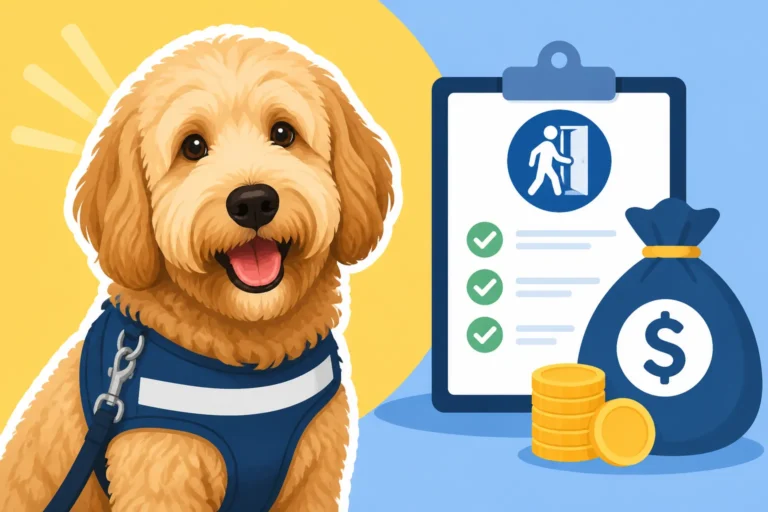
When reviewing a guardian contract, pay very close attention to the section on veterinary care and financial responsibility. It should explicitly detail:
- Routine Care: What ongoing health maintenance is the guardian family responsible for (vaccinations, parasite control, general check-ups, etc.)?
- Breeding-Related Care: What specific veterinary services and health screenings are the breeder's responsibility (genetic testing, breeding procedures, whelping, post-whelping complications for the dam)?
- Emergency Care Protocol: What steps should be taken in a medical emergency? Who makes decisions? How are costs divided or reimbursed if the guardian pays upfront?
- Spay/Neuter Clause: A clear statement that the breeder covers the spay/neuter surgery once the dog is retired.
- Insurance Requirements: Whether the guardian family is required to carry pet insurance, and if so, what kind of coverage is expected. Also, clarify if the breeder has their own insurance for breeding-related issues.
- Exclusions: Are there any conditions or situations where either party is not responsible? For example, if a dog develops Epilepsy Recorded in Labradoodle Lines, would this be a shared cost, or fall to one party?
- Dispute Resolution: What happens if there's a disagreement over a vet bill? This might seem pessimistic, but a good contract prepares for all eventualities.
Don't be afraid to ask questions and seek clarification on any point you don't fully understand. A reputable breeder will welcome your thoroughness and want you to feel completely comfortable with the agreement. It's about building a trusting relationship. Understanding whether a Labradoodle breeder's contract is enforceable can also give you peace of mind.
Open Communication and Record Keeping
Beyond the contract, maintaining open and honest communication with your breeder is paramount. If your Labradoodle shows any signs of illness or injury, even if you think it's minor, notify your breeder. They might have valuable insight into their lines or previous experiences. Similarly, if your vet recommends a specific treatment or procedure, discuss it with your breeder, especially if it's costly or could potentially affect the dog's breeding future.
Keeping meticulous records of all vet visits, invoices, and payment receipts is also critical. This ensures transparency and provides documentation if there are ever questions about who paid for what. Using a digital folder or a dedicated binder for your Labradoodle's health records, including all communications with the breeder, can save you a lot of headaches in the long run. Regular check-ups, often yearly, are part of The Yearly Screening a Labradoodle Should Get and these records are invaluable.
In conclusion, while the guardian home program offers incredible benefits, clarifying financial responsibilities, particularly for vet bills, is non-negotiable. With a detailed contract, proactive communication, and smart planning (like pet insurance), you can ensure that your Labradoodle thrives as both a beloved family member and a valuable part of a responsible breeding program, without any unexpected monetary surprises.
Disclaimer
This article is for general informational purposes only and does not constitute professional advice. Laws, prices and regulations vary by location and change over time. Consult a qualified professional for guidance on your specific situation.