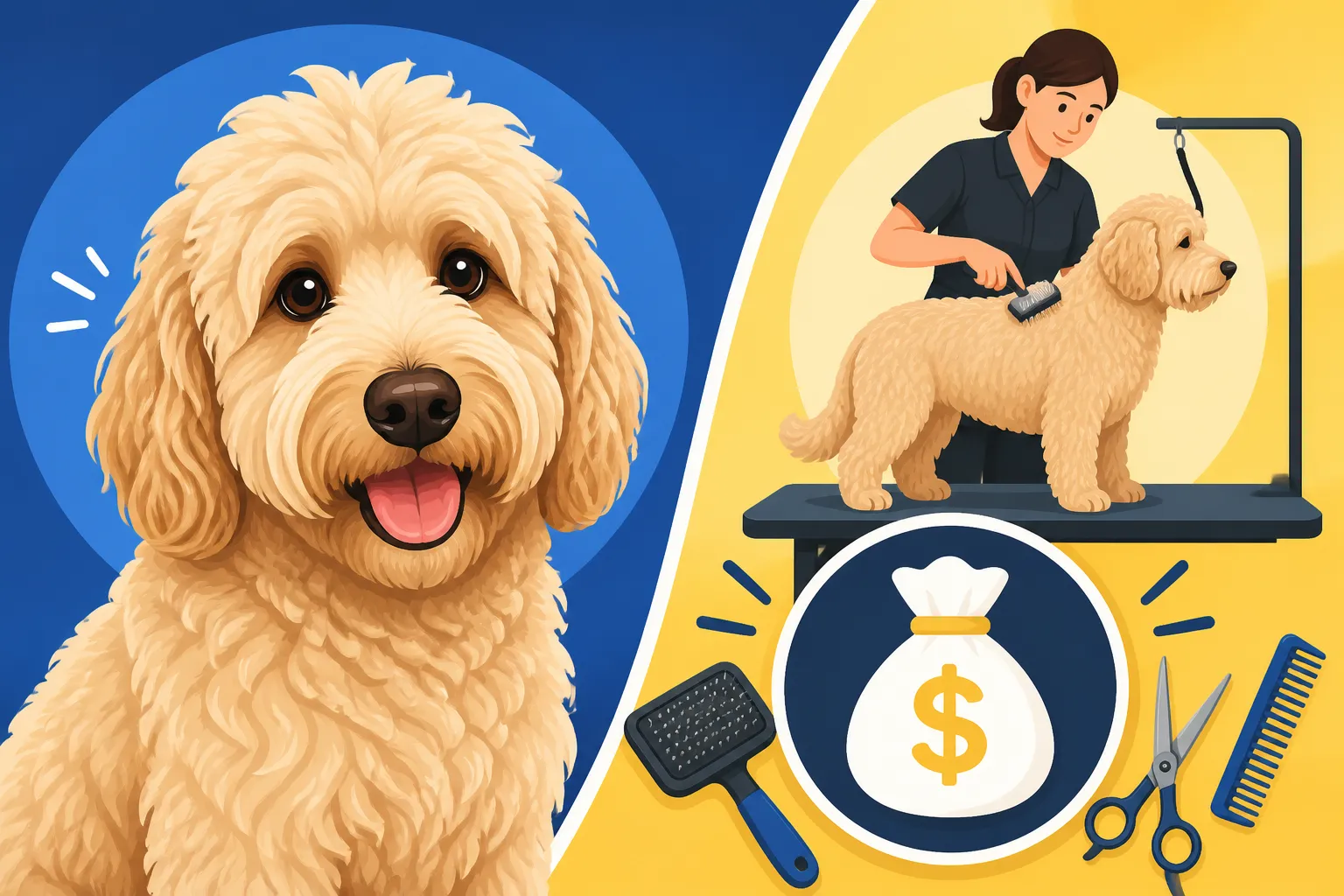
Why a Wool Coated Labradoodle Costs More to Groom
If you're a Labradoodle parent, you've probably experienced that sticker shock at the groomer's or spent countless hours battling knots and tangles at home. There's a common misconception that all Labradoodles are low-maintenance, but the reality, especially for those with a wool coat, is far different. This comprehensive guide will explain exactly why that beautiful, curly wool coat demands more time, effort, and indeed, more money to keep it in tip-top condition.
Understanding the Labradoodle Coat Spectrum
The truth is, not all Labradoodle coats are created equal, and this distinction plays a huge role in how much time and money you'll pour into grooming. When breeders first started crossing Labradors and Poodles, the coat results were incredibly varied, and we still see that diversity today. Understanding what kind of coat your Labradoodle has is the first step in managing your grooming expectations and budget.
The Hair Coat Labradoodle: Shedding and Easier Maintenance
At one end of the spectrum, you have the "hair coat" Labradoodle. These pups tend to take more after their Labrador retriever parent. Their coat is typically straighter, coarser, and feels much like a traditional dog's fur. The biggest giveaway? They shed. Yes, the very thing many people hope to avoid by getting a Labradoodle can still happen with a hair coat.
While the shedding can be a nuisance for allergy sufferers or those who prefer a fur-free home, the upside is that this coat type is generally the easiest to maintain from a grooming perspective. It’s less prone to matting and tangling compared to its woolly cousins. You'll still need regular brushing to manage shedding and prevent some loose hair from forming mats, but it won't demand the same rigorous daily routine. Professional grooming might be less frequent and less expensive because the texture is simpler to work with, and there’s less risk of extensive matting that requires painstaking dematting sessions. For many, a good deshedding shampoo and a solid brush from places like Chewy are often enough for day-to-day care, with professional trims every few months to tidy things up.
The Fleece Coat: The Dream Dood Texture
The fleece coat is often considered the holy grail of Labradoodle coats. It’s soft, flowing, and has a silky, wavy, or spiraling texture that is incredibly appealing. This coat typically falls somewhere in the middle when it comes to shedding, with most fleece-coated Labradoodles shedding minimally to moderately. It’s this coat type that often comes closest to the "hypoallergenic" ideal many prospective owners are seeking.
While beautiful, the fleece coat isn't maintenance-free. Its softness and slight waviness make it prone to tangles and mats if not brushed regularly. However, it's generally easier to comb through than a dense wool coat. With consistent line brushing a Labradoodle coat needs, perhaps 2-3 times a week, and professional grooming every 6-8 weeks, fleece coats can be kept in fantastic condition. Grooming costs for a fleece coat will be higher than for a hair coat, but usually less than for a full wool coat, simply because the matting potential is lower, and the hair is generally less dense and easier to work with. Breeders often aim for this coat type due to its aesthetic appeal and more manageable upkeep, striking a balance between the non-shedding qualities of the Poodle and the softer feel many desire.
The Wool Coat: The Poodle's Legacy and its Demands
And then we have the star of our show: the wool coat. This coat type is heavily influenced by the Poodle parent and is characterized by its dense, curly, and often coarse texture, much like a sheep's wool. It's the least likely of the three types to shed, making it highly desirable for allergy sufferers. But here's the kicker: what you gain in reduced shedding, you pay for in grooming commitment and cost.
The wool coat is a matting machine. Its dense, tightly curled structure grabs onto loose hairs, dirt, and debris, weaving them into a felt-like mess faster than you can say "Labradoodle." If you don't stay on top of it, even a few days of neglected brushing can turn a beautiful coat into a matted nightmare. This dense texture also takes longer to wash and significantly longer to dry, both at home and at the professional groomer. The challenge is exponential – the longer the coat, the more work it requires. Owners often find themselves learning to line brush a Labradoodle to the skin, not just the surface, to prevent these deep, hidden mats. This is the coat type that truly drives up grooming expenses, and we'll dive deeper into exactly why in the following sections.
The Unique Challenges of a Wool Labradoodle Coat
Owning a wool-coated Labradoodle means understanding and preparing for a specific set of grooming challenges that are simply not present to the same degree in other coat types. These challenges are the root cause of the increased time and expense associated with keeping these gorgeous coats well-maintained.
The Density and Curl: A Magnet for Mats
The defining characteristic of a wool coat is its extreme density and tight, springy curl. Imagine hundreds of tiny springs intertwined, and you start to get the picture. This structure, while beautiful, is a perfect trap for anything that comes into contact with it. Loose undercoat, shed hairs, dirt, twigs, burrs, even dust and lint from your home – all get caught and held tightly within the curls.
Unlike a straight or wavy coat where shed hairs might fall out or be easily brushed away, in a wool coat, these shed hairs become woven into the live coat. If not diligently removed, they quickly form knots that then tighten into dense, painful mats, especially in high-friction areas like behind the ears, in the armpits, on the insides of the legs, and around the tail. Mats behind a Labradoodle's ears are particularly notorious, often forming quickly and unnoticed until they're severe. These mats don't just look bad; they pull on the skin, causing discomfort, pain, and even skin infections if moisture and bacteria get trapped underneath. A groomer facing a matted dog has to make a difficult choice: spend hours painfully trying to demat (if possible) or shave the coat down, which is often the most humane option. Either way, it costs more.
The "Cottony" Texture and Static Electricity
Beyond density and curl, many wool Labradoodle coats also have a somewhat "cottony" or felt-like texture. This can vary in coarseness, but it often contributes to the matting problem. This texture, combined with the natural dryness that can occur, makes the coat highly susceptible to static electricity.
Static makes grooming a nightmare. It causes the individual hairs to repel each other when dry, making them fly away and difficult to brush smoothly. Paradoxically, this static can also draw hairs together, accelerating the formation of tangles and knots, especially during brushing itself. It’s a frustrating cycle where the act of grooming can sometimes contribute to the very problem you’re trying to solve. Managing static often requires specific anti-static sprays, conditioners, and careful drying techniques, all of which add to the product cost and time investment for both the owner and the professional groomer. Furthermore, this texture can feel rougher on brushes, leading to quicker wear and tear on grooming tools.
The Dreaded Coat Change: A Grooming Gauntlet
Perhaps the single biggest challenge for wool-coated Labradoodle owners (and their groomers) is the infamous "coat change." This typically occurs between 8 to 14 months of age, when the soft, fluffy puppy coat transitions into the denser, often coarser adult coat. It's during this period that a Labradoodle mats overnight during the change if not constantly managed.
During the coat change, the puppy hairs are shedding out while the new adult hairs are growing in. The problem is, the old puppy coat often gets hopelessly tangled with the new, stronger adult coat. It’s like trying to comb through a shag carpet that's simultaneously shedding and growing new fibers. This period requires an exponential increase in grooming frequency and intensity. What was once a weekly brush might become a daily, hour-long battle to prevent severe matting. Many first-time Labradoodle owners are caught completely off guard by this phase, leading to dogs arriving at the groomer in an emergency, severely matted state, which inevitably means higher costs for dematting or a complete shave-down. It's a critical time that truly highlights why diligent, consistent grooming is non-negotiable for a wool-coated Labradoodle.
Why Professional Groomers Charge More for Wool Coats
It's natural to wonder why a groomer's bill for your wool-coated Labradoodle seems so much higher than what your friend pays for their Labrador or even their less woolly Goldendoodle. The reasons are entirely practical and directly linked to the unique challenges this specific coat type presents. Groomers aren't just pulling numbers out of a hat; they're pricing their services based on the realities of the work involved.
Time is Money: The Extended Grooming Session
The most significant factor driving up the cost for wool-coated Labradoodles is the sheer amount of time required. A standard full groom for a dog often includes bathing, drying, brushing, clipping, nail trimming, and ear cleaning. For a wool-coated Labradoodle, each of these steps takes considerably longer.
- Bathing: The dense coat holds water like a sponge, requiring more shampoo, more scrubbing to penetrate the entire coat, and significantly more rinsing to ensure no residue is left behind.
- DDrying: This is where a huge chunk of time is added. A wool coat cannot be air-dried or even towel-dried effectively. It must be thoroughly blow-dried with a high-velocity dryer, section by section, from the skin out, to ensure it’s completely dry and straight before clipping. If it's not perfectly dry and brushed out, clippers won't glide through, and the finish will be uneven and riddled with clipper marks. This drying process can easily add 30 minutes to an hour or more compared to a dog with a simpler coat.
- Brushing and Dematting: Even with a relatively well-maintained wool coat, thorough brushing before and during drying is crucial. If there are any tangles or minor mats, the groomer must painstakingly work them out. As mentioned, if the dog comes in with significant matting, this can extend the grooming session by hours or make a shave-down the only option, both of which incur extra fees due to the time involved. For dogs with severe matting, a groomer might charge by the hour to demat, if they even offer the service, as it can be incredibly painful for the dog and stressful for the groomer. This is often where a groomer charges to strip a matted Labradoodle.
All told, a wool-coated Labradoodle's grooming session can easily run 3-4 hours, sometimes more, for a medium to standard-sized dog, whereas a smaller or smoother-coated dog might be done in 1-2 hours. This extended labor directly translates to higher pricing.
Specialized Tools and Products Required
Grooming a wool-coated Labradoodle isn't just about time; it also requires specific, high-quality tools and products that come with their own costs.
- Clippers and Blades: The dense, curly nature of a wool coat is tough on clipper blades. They dull faster and need to be sharpened or replaced more frequently. Groomers typically use professional-grade clippers and a variety of specialized blades to get through different coat textures and lengths, all of which represent a significant investment and ongoing maintenance cost.
- Brushes and Combs: Forget flimsy pet store brushes. Professional groomers use heavy-duty slicker brushes, various steel combs, and often specialized detangling rakes. These tools are designed to penetrate the dense coat effectively and gently, but they are more expensive and also wear out.
- Shampoos and Conditioners: To properly clean and manage a wool coat, groomers often use professional-grade shampoos that are highly concentrated and conditioners designed to help detangle and add moisture, reducing static. These products are more expensive than consumer-grade options.
- High-Velocity Dryers: These powerful dryers are essential for thoroughly drying a wool coat without causing matting or damage. They are a significant investment for any professional groomer and are costly to maintain and operate.
The upfront and ongoing costs for these specialized tools and products are factored into the grooming price.
The Skill and Experience Demanded
Finally, grooming a wool-coated Labradoodle requires a higher level of skill and experience than many other breeds. It’s not just about clipping hair; it’s about understanding coat structure, recognizing early signs of matting, knowing how to safely and effectively demat (or when to recommend shaving), and being able to achieve a desired style on a challenging texture.
A skilled groomer knows how to work with the natural curl, how to create a balanced "teddy bear clip on a Labradoodle" or other popular styles, and how to safely handle a dog that might be uncomfortable during a long grooming session. They have the expertise to avoid clipper burns, nicks, and skin irritation, which are more common with dense, matted coats. This specialized knowledge and refined technique are invaluable and naturally command a higher price. When you pay more for a wool-coated Labradoodle's groom, you're not just paying for hair removal; you're paying for the groomer's education, experience, and the sheer effort involved in managing such a demanding coat.
Breaking Down the Cost: What You're Paying For
When you look at that final bill for your wool-coated Labradoodle's grooming, it's easy to feel overwhelmed. But once you understand the components that make up that cost, it starts to make a lot more sense. It's rarely just a simple haircut; it's a multi-faceted service tailored to a demanding coat.
Standard Grooming Services for a Wool Coat
A "full groom" for a wool-coated Labradoodle typically includes several critical steps, each contributing to the overall price:
- Pre-Groom Assessment and Brushing: Before any water touches your pup, the groomer will do a thorough assessment of the coat, looking for mats, skin issues, and determining the best approach. They'll likely start with a preliminary brush-out to remove loose debris and surface tangles. This pre-work is vital to prevent mats from tightening further in the bath.
- Bathing and Conditioning: As discussed, wool coats require more shampoo, more scrubbing, and especially more rinsing. Professional-grade conditioners are often used to soften the hair, reduce static, and aid in detangling.
- High-Velocity Drying: This isn't just about getting the dog dry; it's about "fluff drying" the coat straight so it can be properly cut and styled. This labor-intensive process ensures every part of the dense coat is dry from the skin out, preventing hidden moisture that can lead to skin problems and an uneven cut.
- Brush-out and Detangling: Post-drying, the groomer will perform a meticulous brush-out, using a slicker brush and comb to ensure there are absolutely no tangles or mats before the clippers come out. This step is often the most time-consuming for wool coats, even well-maintained ones.
- Clipping and Styling: This is where the haircut happens. Whether it's a practical kennel clip or a more stylized teddy bear cut, the groomer uses specialized clippers and scissors. This requires a steady hand and an artistic eye, especially with a curly, dense coat that can be unforgiving if not cut correctly. Keeping a Labradoodle's face trimmed out of its eyes is a common request and requires precision.
- Nail Trim, Ear Cleaning, and Sanitary Trim: These essential maintenance tasks are included in a full groom. For wool coats, ear cleaning might involve careful plucking of ear hair (if recommended by a vet) and trimming of hair around the ear canal to prevent infections. Trimming around a Labradoodle's rear is also crucial for hygiene.
Each of these steps, intensified by the nature of the wool coat, contributes to the baseline cost of a groom.
Dematting Fees: When Prevention Fails
This is often where the grooming bill can really skyrocket. If your wool-coated Labradoodle arrives at the salon with significant matting, you'll almost certainly incur additional fees. Groomers typically price dematting services by the hour, and they are usually quite expensive.
- Pain and Discomfort: Dematting is a painstaking and often painful process for the dog. Groomers prioritize the dog's welfare, and if dematting would cause undue stress or pain, they will recommend shaving. Many groomers won't even attempt severe dematting because of the discomfort it causes.
- Time Consumption: Carefully picking apart mats, section by section, with detangling sprays and combs can take hours. This is labor-intensive work that ties up the groomer and their equipment for a much longer period than a standard groom.
- Tool Wear and Tear: Mats can be incredibly tough on grooming tools, dulling blades and bending comb teeth. This wear and tear is factored into dematting charges.
- The "Kennel Clip" Option: Often, if a wool coat is severely matted (a situation where a groomer refuses a matted Labradoodle for dematting), the only humane and safe option is a "kennel clip" or "shave down." This means shaving the dog's coat very short, often right down to the skin, underneath the mats. While this sounds simpler, it still requires extreme caution to avoid cutting the skin (which can be pulled taut by mats) and takes skill. Even a shave-down due to matting will cost more than a standard groom because of the difficulty and risk involved.
The best way to avoid these high dematting fees is diligent at-home maintenance.
Specialized Treatments and Add-ons
Beyond the basic groom and potential dematting, there are often additional services that can add to the total cost, some of which are particularly beneficial for wool coats.
- Medicated Shampoos/Treatments: If your Labradoodle has sensitive skin, allergies (which often manifest as itching and can lead to matting if scratching creates tangles), or other skin conditions, your groomer might recommend or use specialized medicated shampoos or conditioning treatments. These products often cost more.
- Deep Conditioning Treatments: For dry, static-prone wool coats, a deep conditioning treatment can significantly improve coat health, making it softer, more manageable, and less prone to matting between grooms. While an extra cost, it can be a wise investment.
- Blueberry Facials/Paw Treatments: These are more luxurious add-ons, but some owners appreciate them.
- De-shedding Treatments (Paradoxical but useful): Even minimal-shedding wool coats can benefit from professional de-shedding treatments during the coat change phase, or if there's an unusual amount of loose undercoat trapped within the curls. This helps remove dead hair before it can form dense mats.
Understanding these individual components helps you see why the total adds up, and allows you to prioritize which services are most important for your wool-coated companion's health and comfort.
Home Grooming a Wool Coated Labradoodle: Is it Feasible?
Many Labradoodle owners, faced with rising professional grooming costs, consider taking on some or all of the grooming themselves. While entirely feasible, especially for maintaining the coat between professional visits, it's crucial to approach home grooming a wool Labradoodle with realistic expectations and the right equipment. It's a significant time commitment and requires a learning curve.
The Essential Tool Kit for Home Grooming
You can't effectively groom a wool coat with just any old brush. Investing in quality tools is non-negotiable and will be your first significant expense. Think of it as a necessary upfront investment to save on long-term professional costs. Places like Chewy or specialty pet supply stores are great for this.
- High-Quality Slicker Brush: This is your primary weapon against mats. Look for one with firm pins that can penetrate the dense wool coat down to the skin. Brands like Chris Christensen or Activet often come highly recommended by professional groomers. You'll need to brush a Labradoodle to the skin, not just the surface.
- Steel Comb: A sturdy, all-metal comb with both wide and narrow teeth is essential for checking your work and finding any hidden tangles the slicker brush might have missed. It helps separate the hair and ensures you're truly mat-free.
- Detangling Spray: These sprays help lubricate the hair, making it easier to brush through tangles and mats without causing pain or breakage.
- High-Velocity Dryer: This is arguably the most important, and often most expensive, piece of equipment for home grooming a wool coat. A good force dryer is vital for thoroughly drying a Labradoodle to the skin after a bath, preventing new mats from forming, and helping to straighten the coat for easier brushing and trimming.
- Clippers and Blades: If you plan to do any trimming, you'll need a good set of clippers (e.g., Andis, Wahl, or Oster) and a variety of sharp blades (e.g., a #10 for sanitary areas, a longer guard comb set for body length). Don't skimp here; dull clippers pull and cause discomfort.
- Grooming Shears: Straight, curved, and thinning shears are useful for tidying up the face, feet, and any uneven spots the clippers might miss.
- Nail Clippers/Grinder: Essential for keeping nails short.
- Ear Cleaner and Cotton Balls: For routine ear hygiene.
The initial cost of this toolkit can easily run into several hundred dollars, but it's an investment that pays for itself over time if you commit to learning and using the tools properly.
Learning the Ropes: Techniques and Time Commitment
Having the right tools is only half the battle; you also need to know how to use them effectively. Learning to line brush a Labradoodle is fundamental. This technique involves systematically brushing small sections of hair, lifting the top layers and brushing from the skin outwards, rather than just skimming the surface. It’s time-consuming but essential for preventing mats deep in the coat.
You'll need to dedicate significant time each week, potentially even daily during the "coat change" phase. A typical brushing session for a wool-coated Labradoodle can take 30-60 minutes, several times a week. Baths, including the critical high-velocity drying and thorough brushing, can take 2-3 hours or more at home. If you're doing a full trim, you could be looking at a 4-5 hour project.
There are many online tutorials, books, and even local grooming classes that can teach you the proper techniques. Starting grooming handling on a Labradoodle puppy is key to making them accustomed to the process early on. Desensitizing a Labradoodle to the clipper vibration and sound, and teaching a Labradoodle to give a foot for nails will make the process much smoother for both of you. However, be realistic: becoming proficient takes practice, patience, and a willingness to accept that your dog might not look "professionally groomed" at first.
The Hidden Costs of DIY Grooming
While home grooming can save you money on professional fees, it's not entirely without its own "hidden" costs, beyond the initial tool investment.
- Time: Your time is valuable. Those hours spent brushing, bathing, and trimming are hours you could be doing something else. For some, it's a bonding experience; for others, it's a chore.
- Learning Curve and Frustration: Expect mistakes. You might give a lopsided haircut, or struggle to get all the mats out. This can be frustrating for both you and your dog, potentially leading to a negative association with grooming if not handled patiently. Home grooming a Labradoodle sometimes ends badly, leading back to the professional for a "fix."
- Risk of Injury: Without proper technique, you could accidentally nick your dog's skin with clippers or scissors, especially if the coat is matted. Over-trimming nails can lead to bleeding. These mishaps might mean a trip to the vet.
- Maintenance of Tools: Clippers need oiling, blades need sharpening, and brushes need cleaning. This adds to the time and a small ongoing cost.
- Quality of Finish: Achieving that polished, even look of a professional groomer is incredibly difficult for an amateur, especially on a wool coat. If aesthetics are paramount, home grooming might not fully satisfy.
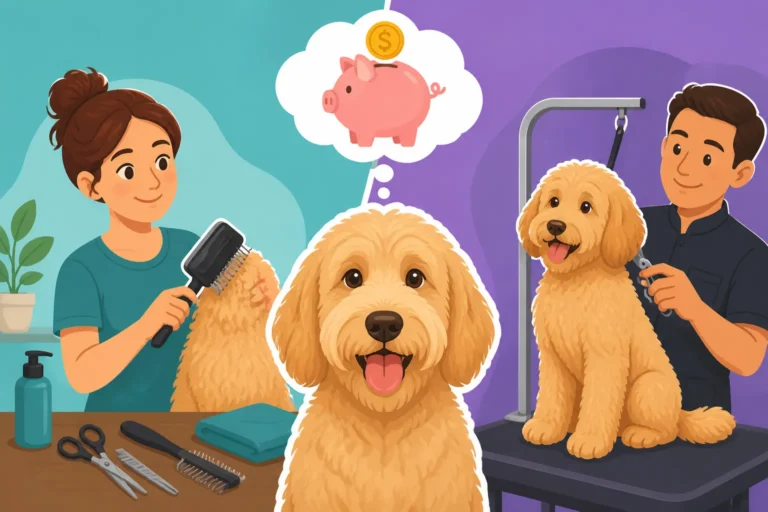
Ultimately, home grooming is a fantastic way to manage the costs and maintain a healthy coat between professional grooms. However, few owners completely replace professional grooming for a wool-coated Labradoodle, often opting for a hybrid approach where they do daily brushing and perhaps some light trimming, leaving the more complex cuts and thorough de-shedding to the experts every few months.
Strategies to Manage Wool Coat Grooming Expenses
Given that a wool-coated Labradoodle will almost certainly be one of the more expensive dogs to groom, it's wise to develop strategies to manage these ongoing costs. It's not about cutting corners on your dog's welfare but being smart and proactive about their coat care.
Consistent At-Home Maintenance is Key
This cannot be stressed enough: the single biggest factor in reducing your professional grooming bill is consistent, thorough at-home maintenance. Groomers charge more for matted dogs because it takes more time and skill to fix neglected coats. If your dog arrives clean, brushed, and largely mat-free, the groomer can proceed directly to the haircut, saving significant time and thus, money.
- Daily or Every-Other-Day Brushing: For a wool coat, especially if it's kept longer, this is non-negotiable. Use your slicker brush and steel comb to perform a full line brush, making sure to get down to the skin. Pay special attention to high-friction areas: armpits, behind ears, belly, tail, and around the harness area. Mats in a Labradoodle's armpits or mats behind a Labradoodle's ears are common culprits that require extra attention.
- Regular Baths and Blow-Drying: Even if you're not doing a full clip at home, regular baths (every 2-4 weeks, depending on activity level) followed by thorough high-velocity blow-drying and brushing will make a world of difference. This helps keep the coat clean, prevent tangles from setting in, and reduce static. Rinsing a Labradoodle after the lake is also critical.
- Trim Face, Feet, and Sanitary Areas: Learn to safely trim the hair around your Labradoodle's eyes, ears, paws, and sanitary areas between professional grooms. This not only improves hygiene but also reduces the likelihood of these areas developing severe mats. Trimming the hair between a Labradoodle's pads is also very important.
- Nutrition and Coat Health: A healthy coat often starts from within. Feeding your Labradoodle high-quality food, like those offered by Ollie, can contribute to a stronger, healthier coat that might be less prone to breakage and matting. Some owners also find that supplements like fish oil can improve coat condition.
By doing the groundwork yourself, you're essentially preparing your dog for the groomer, making their job easier and quicker, which reflects in your bill.
Finding the Right Groomer and Building a Relationship
Not all groomers are created equal, and finding one experienced with Labradoodle wool coats is paramount. Look for groomers who specialize in doodles or Poodle mixes. They understand the coat texture, the challenges, and the appropriate styling.
- Ask for Recommendations: Word-of-mouth from other local doodle owners is often the best way to find a great groomer.
- Interview Potential Groomers: Don't be shy about asking questions. Inquire about their experience with wool coats, their pricing structure for different coat conditions, and their approach to dematting. Ask what they charge to dematt a Labradoodle by the hour.
- Schedule Regular Appointments: Once you find a groomer you trust, book your appointments in advance and stick to a consistent schedule, typically every 6-8 weeks. This ensures the coat never gets too long or matted, making each subsequent groom easier and preventing emergency situations that incur higher fees.
- Communicate Clearly: Discuss your preferences for length and style, and be honest about your at-home grooming routine. A good groomer can offer advice and work with you.
- Puppy Introductions: If you have a puppy, get them to the groomer early for "puppy trims." These short, positive experiences help your Labradoodle get used to the sounds, sights, and sensations of grooming, making future sessions less stressful and potentially reducing behavioral challenges (which can also add to grooming time and cost) down the line. A Labradoodle's first puppy trim costs much less than a full adult groom and is an investment in their future comfort.
Building a good relationship with a skilled groomer who knows your dog's coat and temperament can be invaluable for managing both costs and stress.
Considering a Shorter Clip Year-Round
One of the most effective ways to manage the ongoing cost and effort of a wool coat is to simply keep it shorter. While a long, flowing wool coat is undeniably beautiful, it's also the most demanding.
- Reduced Matting: A shorter coat (e.g., a one-inch clip on a Labradoodle or even shorter) has significantly less surface area and length for mats to form. This means less brushing required at home and less likelihood of dematting charges at the groomer.
- Quicker Drying: Shorter hair dries much faster, both after baths and if your dog gets wet playing. This cuts down on grooming time for both you and your professional groomer.
- Cooler in Summer: A shorter clip can also help your Labradoodle stay cooler in warmer weather, although their coat does provide insulation, so you don't necessarily need to shave a Labradoodle in summer.
- Consistency: A shorter, consistent clip makes planning and budgeting easier, as the groomer's time is more predictable.
While some owners love the fluffy look, a shorter, well-maintained clip is often more practical, comfortable for the dog, and kinder to your wallet. You can discuss different lengths and styles with your groomer to find a happy medium that suits your lifestyle and budget.
The Long-Term Financial Picture of a Wool-Coated Labradoodle
Understanding the long-term financial commitment of owning a wool-coated Labradoodle, especially concerning grooming, is crucial for responsible pet ownership. It’s not just a one-time expense; it’s an ongoing part of their care, potentially spanning 10-15 years.
Comparing Costs to Other Coat Types
Let's put the grooming costs into perspective by comparing the three main Labradoodle coat types. This table provides a rough estimate of annual professional grooming costs, assuming a medium to standard-sized Labradoodle and a regular grooming schedule (not including dematting fees).
| Coat Type | Grooming Frequency (Professional) | Average Cost Per Groom | Estimated Annual Cost | Home Maintenance (Brushing) |
|---|---|---|---|---|
| Hair Coat | Every 10-12 weeks (4-5 times/year) | $60 – $90 | $240 – $450 | 1-2 times/week |
| Fleece Coat | Every 6-8 weeks (6-8 times/year) | $80 – $120 | $480 – $960 | 2-3 times/week |
| Wool Coat | Every 4-6 weeks (9-13 times/year) | $100 – $150+ | $900 – $1,950+ | Daily |
Note: These are estimates and actual costs vary widely based on location, groomer's experience, dog's size, condition of coat, and specific services requested.
As you can see, the difference is significant. A wool-coated Labradoodle can easily cost two to four times more annually for professional grooming compared to a hair-coated one. This doesn't even factor in the cost of your at-home grooming supplies, which will also be higher for a wool coat due to the need for specialized tools like a high-velocity dryer and robust brushes. This stark difference highlights why understanding your Labradoodle's coat type (you can even get a Labradoodle coat DNA panel) is so important before bringing them home.
The Overall Investment in a Well-Groomed Labradoodle
When we talk about the overall investment in a well-groomed Labradoodle, it's not just about the dollar figures, though they are substantial. It's about the commitment of time, effort, and care that ensures your companion lives a healthy, comfortable life. Neglecting grooming, especially with a wool coat, has serious consequences beyond just a higher bill.
Severe matting can lead to:
- Pain and Discomfort: Mats pull on the skin, causing constant irritation.
- Skin Infections: Moisture, dirt, and bacteria get trapped under mats, leading to hot spots, fungal infections, and other dermatological issues that would require veterinary attention. The cost of a dermatology referral for a Labradoodle can be significant, and while pet insurance like Healthy Paws might cover treatment for such conditions, prevention through proper grooming is always better.
- Reduced Mobility: Severe mats can restrict movement, making it difficult for your dog to walk, run, or even lie down comfortably.
- Heatstroke Risk: A dense, matted coat traps heat, making the dog more susceptible to overheating, particularly during warmer months.
Beyond these physical ailments, there's the emotional impact on your dog. A dog that is constantly uncomfortable, or dreads grooming sessions because they are painful, will be a less happy and well-adjusted pet. The time you spend brushing and maintaining their coat isn't just a chore; it's a vital part of their physical and emotional well-being and a chance to bond with your furry friend.
Ultimately, the higher cost of grooming a wool-coated Labradoodle is a direct reflection of the specialized care and attention this unique coat requires. By understanding these demands, investing in the right tools, committing to consistent home maintenance, and partnering with a skilled professional, you can ensure your Labradoodle remains beautiful, healthy, and happy, without breaking the bank unexpectedly. It’s all part of the journey of being a dedicated Labradoodle owner.
Disclaimer
This article is for general informational purposes only and does not constitute professional advice. Laws, prices and regulations vary by location and change over time. Consult a qualified professional for guidance on your specific situation.