What Upkeep Runs on a Wool Coated Labradoodle
Bringing a delightful Labradoodle into your life is an incredibly exciting prospect, but many new owners, especially those drawn to the charming wool coat, find themselves utterly blindsided by the ongoing financial commitment required for their care. That luscious, non-shedding fur, while beautiful, comes with its own set of demanding and often expensive maintenance needs. This comprehensive guide will meticulously break down the various upkeep costs associated with owning a wool-coated Labradoodle, detailing everything from essential grooming to feeding, veterinary care, and general supplies, ensuring you're fully prepared for the journey ahead.
The Real Cost of Grooming a Wool Coated Labradoodle
Let's be honest, that beautiful, plush wool coat is a huge part of the Labradoodle's appeal, especially for those hoping for a less shedding companion. But what often goes unsaid, or perhaps unheeded, is just how much work and money goes into maintaining it. Unlike a Labrador's sleek, easy-care coat, or even some Poodle coats that can be kept clipped short, the Labradoodle's wool coat is a unique beast, a dense, curly, often cottony texture that loves to tangle, mat, and generally cause mischief if not meticulously cared for. This isn't just about aesthetics; neglected coats can lead to painful skin infections, discomfort, and even restricted movement for your dog.
Professional Grooming Frequency and Expense
For a wool-coated Labradoodle, professional grooming isn't a luxury; it's an absolute necessity for their health and comfort. You'll likely find yourself booking appointments every six to eight weeks, perhaps even more frequently if your dog is particularly active, loves to swim, or you prefer a longer coat style. These aren't quick in-and-out visits either. A full groom for a wool-coated Labradoodle involves a thorough bath, blow-dry (which takes ages for that dense coat!), brushing, de-matting if necessary, clipping, and styling. The time and skill required mean these appointments are significantly more expensive than grooming a short-haired breed or even a more easily maintained Poodle coat.
The cost can fluctuate based on your location, the groomer's experience, and the size of your Labradoodle. A standard-sized wool-coated Labradoodle can command a substantial fee per session. Many owners are surprised when they ask, "What a full groom costs on a wool coated Labradoodle?" and see the numbers. It's a significant recurring expense, easily running into hundreds of dollars annually, if not more. Furthermore, be prepared for an even more intensive period when your Labradoodle hits "the coat change that hits a Labradoodle at nine months." During this adolescent phase, their soft puppy fur transitions to the denser adult coat, creating a perfect storm for matting that often requires more frequent, or longer, professional grooming sessions.
At-Home Grooming Tools and Products
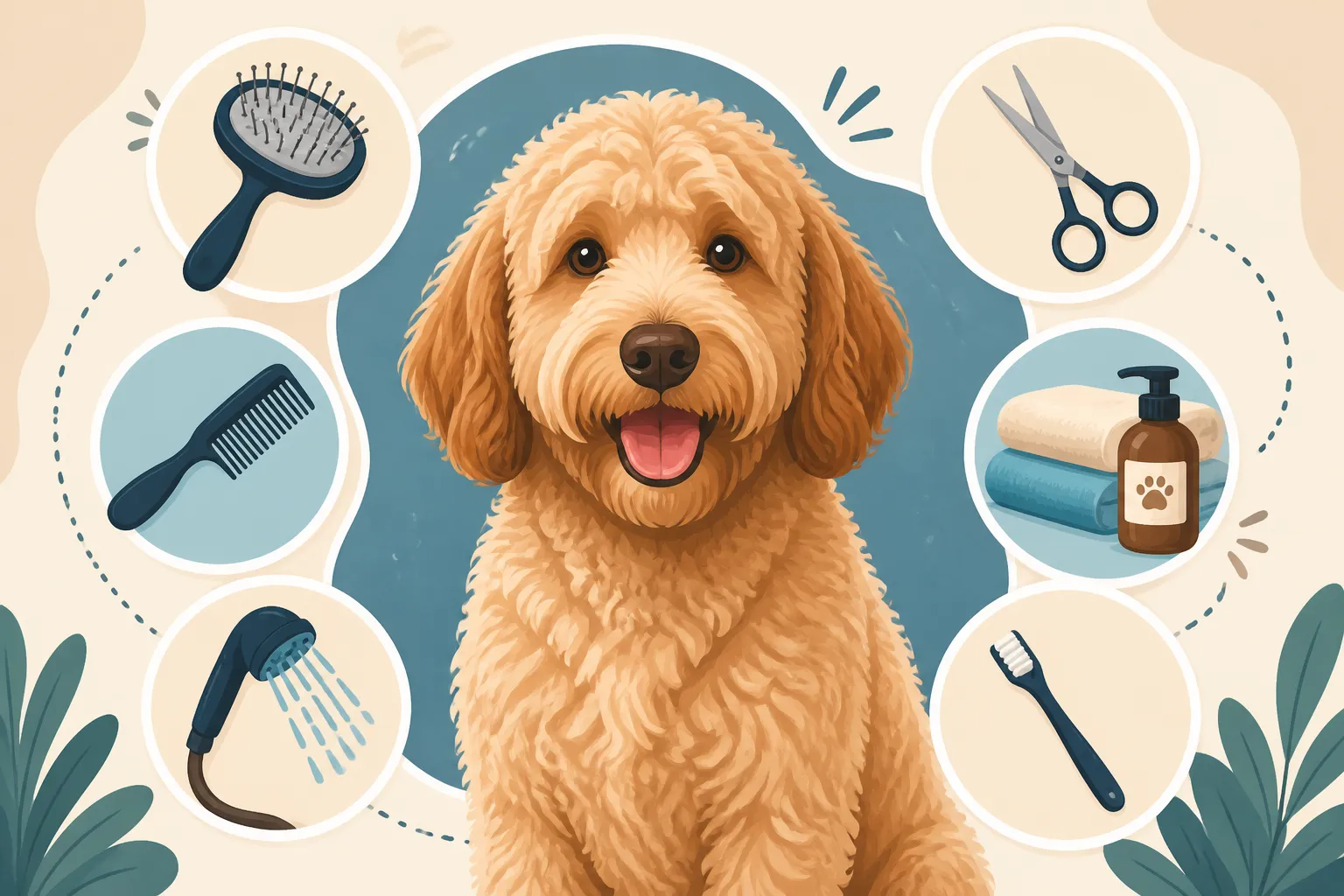
While professional grooming is vital, it absolutely does not negate the need for diligent at-home care. In fact, without consistent home grooming, your professional groomer will spend more time (and charge you more for) de-matting. Investing in the right tools is paramount. You'll need a high-quality slicker brush, a robust metal comb that can reach to the skin, and potentially a de-matting rake for those stubborn tangles. Forget those cheap brushes you find at the grocery store; they simply won't cut it for a wool coat. These specialized tools can be a considerable initial investment. You might also find yourself needing a good quality force dryer, especially if your Labradoodle loves water, as air-drying a wool coat almost guarantees mats.
Beyond tools, you'll need the right shampoos and conditioners designed for dense, curly coats to prevent dryness and maintain coat health. Regular nail trimmers or grinders are also essential, as are ear cleaning solutions to help prevent ear infections built into a Labradoodle's drop ear. Many owners find themselves stocking up on these items from pet supply retailers like Chewy, ensuring they always have what they need on hand. Teaching a Labradoodle to lie still for a ninety minute groom, whether at home or at the groomer, starts with consistent positive reinforcement with these tools from a young age. This early training can save a lot of stress (and money!) down the line.
Managing Mats and Emergencies
Mats are the bane of every wool-coated Labradoodle owner's existence. They form quickly, seemingly out of nowhere, especially in high-friction areas like behind the ears, in the armpits, on the insides of the legs, and around the tail and sanitary areas. A small tangle can turn into a tight, painful mat in mere days if not addressed. These aren't just cosmetic issues; severe matting can pull on the skin, cause bruising, restrict blood flow, and become breeding grounds for bacteria, leading to painful skin infections.
If a mat becomes too tight or widespread, your groomer might have no choice but to shave the dog down, often referred to as a "kennel clip a matted Labradoodle ends up with." This is not only a jarring change in appearance but can also be distressing for the dog and owner, and it certainly doesn't come cheap. Groomers often charge extra for de-matting services, usually by the hour, on top of the standard grooming fee. This is why consistent daily or every-other-day brushing, working layer by layer down to the skin, is so crucial. It’s a time commitment, but it’s far less painful for your dog and for your wallet than dealing with severe matting.
Nourishing Your Wooly Companion: Food and Diet Costs
Just like humans, what we put into our bodies directly impacts our health and overall well-being. For a Labradoodle, especially one with a high-maintenance coat and an active lifestyle, nutrition plays a crucial role not only in their energy levels and internal health but also in the luster and condition of their coat. Skimping on food quality can lead to a dull coat, skin issues, and other health problems that end up costing more in vet bills down the line.
Quality Kibble and Specialized Diets
The foundation of most Labradoodles' diets is high-quality kibble. This isn't just about meeting basic nutritional needs; it's about providing a balanced diet with good protein sources, healthy fats, and essential vitamins and minerals that support their dense coat and active bodies. The price range for quality kibble is vast, but generally, you'll find that premium brands, free from excessive fillers and artificial ingredients, come with a higher price tag. A standard Labradoodle needs a fair amount of food daily, so this is a significant recurring cost. You'll need to figure out how much an adult Labradoodle eats daily based on their size, age, and activity level, and then budget accordingly.
Some owners opt for specialized diets, such as fresh food or raw food, which can be even more expensive. Brands like Ollie offer fresh, human-grade food delivered to your door, which can be an excellent option for some dogs, but the cost per month will be considerably higher than even premium kibble. These dietary choices are often made to address specific health concerns, improve coat quality, or simply because owners prefer to feed a less processed diet. Regardless of the type, remember that switching foods should be done gradually to avoid digestive upset, which can also lead to unexpected vet visits.
Treats and Supplements
Treats are an undeniable part of most dogs' lives, whether used for training, rewards, or simply as an expression of affection. For a smart and food-motivated breed like the Labradoodle, treats are an invaluable tool in training. The cost of treats can add up quickly, especially if you're using high-value options for specific training goals. Buying in bulk or making your own healthy treats can sometimes help manage this expense.
Beyond treats, many Labradoodle owners consider supplements. Fish oil, rich in Omega-3 fatty acids, is a popular choice for supporting skin and coat health, helping to keep that wool coat soft and less prone to dryness. Given the breed's predisposition to joint issues like hip and elbow dysplasia, you might also find yourself considering whether a Labradoodle needs a joint supplement early, even before signs of arthritis appear. Glucosamine and chondroitin supplements are common for joint support. These additions, while beneficial, add another layer to your monthly budget for your Labradoodle's care.
Avoiding Food-Related Issues
Responsible feeding practices extend beyond just the type and quantity of food; they also involve how your Labradoodle eats. Labradors, one of the parent breeds, are notorious for eating quickly, and this trait can pass to Labradoodles. Rapid eating can increase the risk of serious conditions like bloat, a life-threatening emergency common in deep-chested breeds. Investing in a slow-feeder bowl can be a small but crucial expense that helps mitigate this risk by forcing your dog to eat at a slower pace.
Moreover, Labradoodles are often clever and opportunistic, sometimes leading to incidents like pancreatitis after a Labradoodle raids the trash or counter-surfs for forbidden snacks. The veterinary bills for treating such acute illnesses can be astronomical, far outweighing the cost of securing your trash cans or training your dog to stay off counters. Prevention through proper feeding tools, secure food storage, and consistent training is always the most cost-effective approach in the long run.
Veterinary Care and Health Protection for Your Labradoodle
Owning a dog means accepting the responsibility for their health and well-being, which inevitably includes veterinary care. While preventative care is designed to keep your Labradoodle healthy, unexpected illnesses and emergencies can arise, making veterinary expenses one of the most significant and unpredictable costs of dog ownership. For Labradoodles, with their mixed heritage, understanding potential breed-specific health concerns is key to budgeting responsibly.
Routine Vet Visits and Vaccinations
The foundation of good health for your wool-coated Labradoodle starts with routine veterinary care. As a puppy, this means a series of vaccinations against common canine diseases, deworming, and potentially microchipping. These initial costs are typically bundled but represent a significant upfront investment. Once they're older, annual wellness exams are crucial. During these visits, your vet will conduct a thorough physical check-up, update necessary vaccinations, and often recommend annual parasite prevention (heartworm, flea, and tick medication).
These routine appointments are not just about shots; they allow your veterinarian to establish a baseline for your dog's health, catch potential issues early, and discuss preventative measures tailored to your Labradoodle's age, lifestyle, and any emerging concerns. Ignoring these routine costs is a false economy, as minor, easily treatable issues can escalate into major, expensive problems if left unchecked.
Unexpected Illnesses and Emergencies
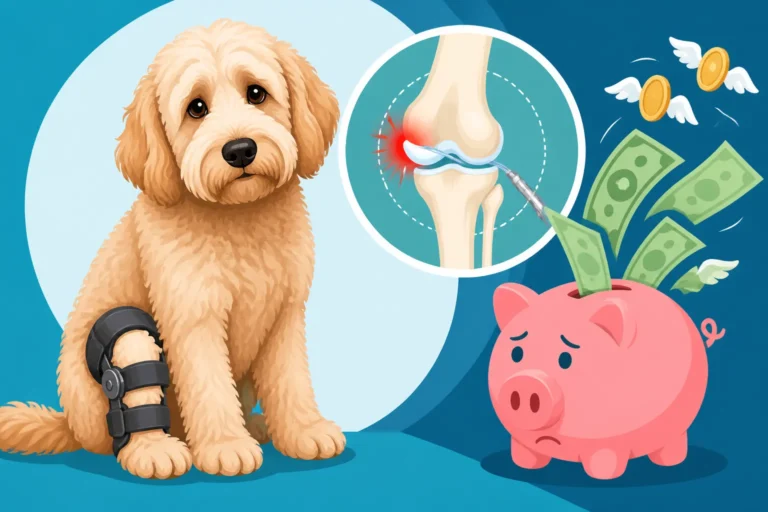
Despite the best care, dogs can get sick or injured. Labradoodles, inheriting genetics from both Labradors and Poodles, can be prone to certain conditions. For example, Addison's disease, an endocrine disorder from the Poodle side, can manifest with vague symptoms before an Addisonian crisis. The bill for diagnosing Addison's in a Labradoodle, including specialized tests like the ACTH stimulation test, can be substantial. Similarly, bloat (Gastric Dilatation-Volvulus), a rapid and life-threatening twisting of the stomach common in deep-chested breeds like the Poodle, requires immediate emergency surgery. What emergency bloat surgery costs a Labradoodle owner can easily run into the thousands, often making it one of the most terrifying and expensive canine emergencies.
Other potential issues include hip and elbow dysplasia, eye conditions like progressive retinal atrophy, and various allergies that can lead to costly dermatology visits and long-term medication. These unexpected health challenges highlight why a buffer in your budget, or better yet, a robust pet insurance plan, is so critical for Labradoodle owners.
The Role of Pet Insurance
Pet insurance, from providers like Healthy Paws, is an increasingly popular way to manage the financial burden of unexpected veterinary care. Instead of facing a sudden, massive bill, insurance helps cover a significant portion of eligible costs, making advanced treatments and emergency care more accessible. Policies vary widely, with different deductibles, reimbursement percentages, and annual limits. It's crucial to research and choose a plan that best fits your budget and your Labradoodle's potential health needs.
The key is to enroll your Labradoodle when they are young and healthy, ideally before any conditions are "on record" as pre-existing, which would typically be excluded from coverage. While it's an ongoing monthly premium, the peace of mind it offers, knowing you can provide the best care without financial strain during a crisis, is invaluable. Always read the fine print to understand what is covered, especially concerning hereditary conditions that Labradoodles might inherit.
Essential Supplies and Enrichment for Daily Life
Beyond the big-ticket items like grooming and vet care, the daily reality of owning a Labradoodle involves a continuous stream of supplies and accessories. While some are one-time purchases, many require regular replenishment, and others need to be upgraded as your puppy grows into a full-sized adult. These seemingly small costs add up, so it's important to factor them into your overall budget.
Bedding, Crates, and Carriers
From day one, your Labradoodle puppy will need a safe, comfortable space of their own. A sturdy crate is often recommended for house-training, denning, and safe travel. Initial crate costs vary based on size and material, but remember that a standard Labradoodle will need a fairly large one. Alongside the crate, a comfortable bed or pad is essential. These items will likely need to be replaced over time as they wear out, or if your puppy decides to redecorate with their teeth.
If you plan on traveling with your Labradoodle, especially by car, a secure car harness or a travel-safe crate/carrier is a must for their safety and yours. Again, choosing durable, appropriate sizes means investing a bit more upfront, but it pays off in longevity and protection. These initial setup costs are often overlooked in the excitement of bringing a new puppy home.
Toys, Chews, and Grooming Gear
A Labradoodle is an intelligent and often energetic dog, meaning they need plenty of mental and physical stimulation to prevent boredom and destructive behaviors. This translates to a continuous need for toys and chews. You'll want a variety of durable toys for different types of play: fetch toys, puzzle toys to engage their brains, and tough chew toys to satisfy their natural urge to chew. While a basket of toys might seem like a one-time purchase, toys wear out, get lost, or are simply destroyed, requiring regular replacement.
Beyond the initial professional grooming tools, you'll also have ongoing needs for at-home grooming supplies purchased from places like Chewy. This includes regular refills of dog shampoo and conditioner, ear cleaner, nail clippers, and perhaps even eye wipes. If you choose to do some clipping yourself, the cost of the clipper, blade and dryer a Labradoodle owner buys can be a significant upfront expense, but it can save money on professional grooms in the long run if you're committed to learning.
Collars, Leashes, and Outdoor Gear
Every Labradoodle needs a basic collar with identification tags and a sturdy leash for walks. As a puppy grows, you'll likely go through a few different collar sizes. For dogs that pull, you might invest in a front-clip harness to help with leash manners, though you'll want to choose one carefully as whether a front clip harness mats a Labradoodle can be a concern with their dense coat. Training collars and specialized long lines for recall practice are other potential costs.
Depending on your climate, you might also consider weather-appropriate gear. For winter, a warm, waterproof coat could be beneficial for older or less active Labradoodles, or those living in very cold regions. In summer, cooling vests or mats might be useful to help prevent overheating, especially if your Labradoodle has a very dense wool coat. Reflective gear for night walks is also a wise safety investment.
Ongoing Investment in Training and Socialization
A well-behaved Labradoodle is a joy to live with, and that doesn't happen by accident. It's the result of consistent effort, patience, and often, financial investment in training and socialization. While the Labradoodle's eager-to-please nature and intelligence make them generally good candidates for training, they are still active, strong dogs that require guidance and structure. Neglecting this aspect of their care can lead to behavioral problems that are far more costly (and stressful) to resolve later on.
Puppy Classes and Basic Obedience
Starting early with puppy classes is one of the best investments you can make. These classes provide crucial socialization opportunities, exposing your Labradoodle to other dogs, people, and new environments in a safe and structured setting. They also lay the groundwork for basic obedience commands like sit, stay, come, and leash manners. The cost of puppy classes is usually a one-time fee per course, but the benefits are lifelong.
As your Labradoodle grows, you might find that you need to refresh their training, especially as they enter adolescence. This is the period when the "the ten month old Labradoodle that forgets everything" phenomenon seems to strike, and consistent, positive reinforcement training is essential to navigate this phase and reinforce good habits. Continuing with basic obedience classes or hiring a private trainer for specific issues can be invaluable during these challenging months.
Advanced Training and Sports
For many Labradoodle owners, basic obedience is just the beginning. Given their intelligence and athleticism, Labradoodles often excel in various dog sports and advanced training activities. Options include agility, scent work, obedience trials, rally obedience, and even therapy dog certification. These activities provide excellent mental and physical stimulation, strengthen your bond with your dog, and give them a "job" to do, which many breeds, including the Labradoodle, thrive on.
Enrolling in advanced classes or participating in dog sports comes with its own set of costs. These can include class fees, entry fees for competitions, and specialized equipment. While not essential for every owner, this is a significant area of expense for those who wish to pursue these rewarding activities with their Labradoodle. Some owners even consider whether their Labradoodle is big enough to brace for service work, which involves highly specialized and expensive training programs.
Daycare and Pet Sitting
For owners who work full-time or have busy schedules, providing adequate exercise and mental stimulation for a Labradoodle can be a challenge. Dog daycare can be an excellent solution, offering supervised play, socialization, and exercise during the day. This prevents boredom, reduces the likelihood of destructive behaviors at home, and ensures your Labradoodle is happy and tired when you return. The cost of daycare can be a significant weekly or monthly expense, especially if used frequently.
When you go on vacation or need to be away overnight, you'll also need to budget for pet sitting or boarding services. Finding a reliable, trustworthy caregiver is paramount, and these services vary widely in price depending on whether it's an in-home sitter, a dedicated boarding facility, or a dog-friendly hotel. These intermittent costs need to be factored into your long-term ownership budget, as they can easily add up over the years.
Here's a breakdown of estimated monthly upkeep costs for a wool-coated Labradoodle:
| Category | Low Estimate (USD) | High Estimate (USD) | Notes |
|---|---|---|---|
| Grooming (Professional) | $70 | $150 | Assumes professional groom every 6-8 weeks, average size Labradoodle. Higher end for larger dogs, complex styles, or de-matting fees. |
| Grooming (At-Home Supplies) | $10 | $30 | Shampoos, conditioners, brushes, combs, ear cleaner, nail care tools. Higher end includes specialized products, replacement blades. |
| Food & Treats | $60 | $150 | Quality kibble (e.g., Chewy's options) to fresh food (e.g., Ollie). Includes training treats and dental chews. Higher end for larger appetites/fresh food. |
| Supplements | $15 | $40 | Fish oil, joint supplements, probiotics. Varies based on need and brand. |
| Vet Care (Routine) | $25 | $50 | Annual exams, vaccinations, parasite prevention averaged monthly. Excludes initial puppy costs. |
| Pet Insurance | $30 | $80 | Varies greatly by provider (e.g., Healthy Paws), coverage level, age, location, and deductible. |
| Toys & Chews | $15 | $40 | Durable toys, puzzle toys, regular chew replacements. Higher end for heavy chewers. |
| Miscellaneous (Leashes, Bags, etc.) | $5 | $20 | Waste bags, replacement leashes/collars, cleaning supplies. |
| Training/Daycare/Pet Sitting | $0 | $150+ | Varies based on owner's commitment/needs. Can be much higher for regular daycare or specialized training. |
| Total Monthly Estimate | $230 | $710+ | This is a broad estimate. Initial setup costs (crate, bed) are additional. Emergencies are not fully captured here without insurance. |
Disclaimer
This article is for general informational purposes only and does not constitute professional advice. Laws, prices and regulations vary by location and change over time. Consult a qualified professional for guidance on your specific situation.