What OFA Hip and Elbow Submissions Cost on a Labradoodle
For any Labradoodle owner, the idea of breeding can bring a mix of excitement and apprehension, especially when you start looking into the necessary health clearances. One of the biggest hurdles, both logistically and financially, is navigating the process of obtaining OFA (Orthopedic Foundation for Animals) hip and elbow certifications. It's not just a simple vet visit; it involves specialized imaging and a comprehensive evaluation, and the costs can feel a bit murky until you're right in the thick of it. This guide aims to clear up some of that confusion, detailing what goes into those costs so you can plan effectively.
Understanding OFA Hip and Elbow Certifications
When you're considering breeding your Labradoodle, or even just looking at a puppy from a breeder, you've likely heard the term "OFA certification" thrown around. It’s a cornerstone of responsible breeding, but what exactly does it entail, and why is it so important for our beloved doodles?
What OFA Hip and Elbow Certifications Mean
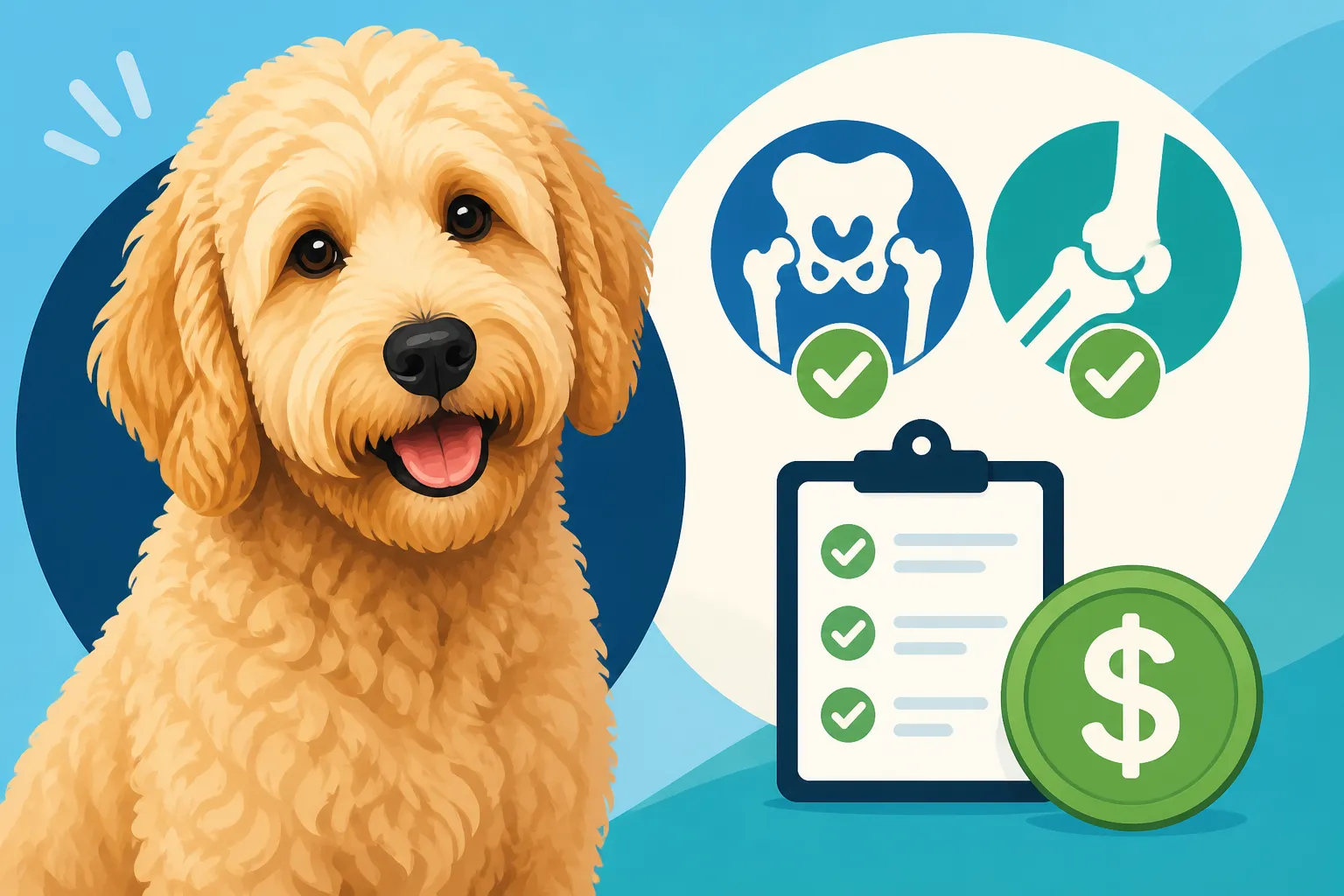
The Orthopedic Foundation for Animals (OFA) is a not-for-profit organization that has been dedicated to improving the health and well-being of companion animals for decades. For hips and elbows, OFA provides a standardized, objective evaluation of radiographs (X-rays) to screen for common orthopedic diseases like hip and elbow dysplasia. These conditions are hereditary, meaning they can be passed down from parents to puppies, and they can cause significant pain, lameness, and reduced quality of life for affected dogs.
When a dog is submitted for OFA evaluation, specialized X-rays are taken and then sent to a panel of three independent, board-certified veterinary radiologists. These experts review the images and assign a grade to the dog's hips (ranging from Excellent, Good, Fair — which are passing grades — to Borderline, Mild, Moderate, or Severe dysplasia) and elbows (ranging from Normal to Grade I, II, or III dysplasia). Only dogs receiving passing grades are issued an OFA certification number, which signifies they are free from radiographic evidence of dysplasia at the time of the evaluation. It's a snapshot, but a very important one.
Why These Tests Are So Important for Labradoodles
Labradoodles, being a crossbreed of Labradors and Poodles, inherit genetic predispositions from both sides of their family tree. Unfortunately, both parent breeds are known to be susceptible to hip and elbow dysplasia. Labradors are particularly noted for hip issues, while Poodles, especially Standard Poodles, can also be affected. This means a Labradoodle has a double risk, and without proper screening, breeders could unknowingly perpetuate these debilitating conditions in future generations. This is a crucial step in ensuring you have a healthy dog. Hips and Elbows in a Sixty Pound Labradoodle discusses the specifics of these joint issues.
Responsible breeders use OFA certifications to make informed breeding decisions. By only breeding dogs that have passed their OFA clearances, they are actively working to reduce the incidence of hip and elbow dysplasia in the breed, improving the overall health of Labradoodles everywhere. This isn't just about avoiding a hefty vet bill down the line; it's about ethical breeding practices and ensuring the well-being of every puppy that comes into the world. It’s an investment in the long-term health of your furry family member and something all prospective owners should seek out when looking for a puppy. Whether Both Labradoodle Parents Need OFA Hips goes into more detail on this.
The Process of OFA Submission and Associated Costs
The path to getting OFA hip and elbow certifications for your Labradoodle isn't just one single fee; it's a multi-step process involving your veterinarian, specialized equipment, and the OFA organization itself. Understanding each component can help you anticipate the total cost more accurately.
Veterinary Consultation and Initial X-rays
The first step in obtaining OFA certification involves a visit to your trusted veterinarian. During this initial consultation, your vet will perform a thorough physical exam to ensure your Labradoodle is healthy enough for the procedure and discuss the process with you. They will explain why these X-rays are needed, especially if you plan to breed, and walk you through what to expect on the day of the radiographs. It's also a good time to ask any questions you have about the timeline or potential outcomes.
The core of the submission process is the actual taking of the X-ray images. This isn't just any X-ray; OFA requires specific positioning to get clear, diagnostic views of the hip and elbow joints. Your veterinary clinic will have specialized equipment for this, and the skill of the veterinary technician taking the images plays a huge role in the quality of the submission. You're paying not just for the equipment use, but for the expertise of the team handling your dog. The cost here will encompass the vet's time, the technician's time, and the use of the radiography equipment itself.
Sedation, Positioning, and Radiograph Quality
To achieve the precise positioning required by OFA for hip and elbow radiographs, most Labradoodles will need some form of sedation or anesthesia. This is non-negotiable for obtaining accurate, clear images, as even a slight movement can blur the X-ray and render it undiagnostic. During the hip X-ray, for example, your dog must lie perfectly on its back with its hind legs extended straight and parallel, and its knees rotated inward. This position can be uncomfortable and unnatural, making sedation essential for your dog's comfort and safety, as well as for the quality of the images.
The cost associated with sedation can vary based on your dog's weight, age, and any pre-existing health conditions that might require more specialized anesthetic protocols or monitoring. Your vet will likely recommend pre-anesthetic blood work to ensure your Labradoodle is a good candidate for sedation, adding another layer to the cost. This blood work checks organ function and helps identify any hidden risks. Ensuring top-notch radiograph quality is paramount, as poor images will be rejected by OFA, meaning you'll have to repeat the entire process and incur the costs all over again.
OFA Submission Fees
Once your veterinarian has captured high-quality radiographs, they will typically send them electronically or physically to the OFA for evaluation. This isn't a free service, of course. The OFA charges a submission fee for reviewing the images and issuing the official certifications. This fee is separate from what your vet charges for the X-rays and sedation.
The OFA's fees are generally set per animal and per type of evaluation. For instance, there will be a fee for hip evaluation and a separate fee for elbow evaluation, though often submitted at the same time. These fees contribute to OFA's operational costs, including maintaining their database, funding research into canine genetic diseases, and compensating the board-certified radiologists who review thousands of images each year. While these fees are a smaller portion of the overall cost, they are a necessary part of the certification process, and you should always check the OFA's official website for their most current fee schedule.
Factors Influencing the Total Cost
It's natural to want a clear-cut number for what OFA hip and elbow submissions will cost, but the truth is, it's not a one-size-fits-all figure. Several variables can significantly impact your final bill, making it wise to understand these factors upfront.
Veterinary Clinic Fees and Location
One of the most substantial factors influencing the total cost is the specific veterinary clinic you choose and its geographical location. Just like human healthcare, vet costs can vary wildly depending on whether you're in a bustling city, a quiet rural town, or somewhere in between. Clinics in areas with a higher cost of living generally have higher overheads, which translates to higher prices for their services, including specialized procedures like OFA X-rays.
Furthermore, the type of clinic matters. A large, state-of-the-art veterinary hospital with advanced imaging equipment and multiple specialists on staff might charge more than a smaller, independent practice. However, larger facilities often have more experience with OFA submissions and advanced techniques, potentially leading to fewer retakes. It's always a good idea to call a few local vets and ask for a detailed estimate specifically for OFA hip and elbow radiographs, making sure to clarify what's included in their quoted price. This way, you can compare apples to apples.
The Labradoodle's Size and Temperament
Your individual Labradoodle's characteristics can also play a role in the final cost. Larger Labradoodles, for instance, may require more sedative medication than their smaller counterparts, which increases the associated drug costs. A standard Labradoodle often weighs significantly more than a miniature, and medication is typically dosed by weight. The Weight a Labradoodle Should Hold is important for knowing appropriate dosing.
Beyond size, temperament is a significant factor. A calm, cooperative Labradoodle might need less sedation, or a less intensive anesthetic protocol, compared to a highly anxious or fidgety dog. If your Labradoodle is particularly difficult to position or becomes stressed easily, the veterinary team might need more time and resources to ensure both its safety and the quality of the radiographs. In some rare cases, if a dog is exceptionally challenging, additional staff might be needed, or the procedure might take longer, which can add to the labor portion of the bill. Discussing your dog's temperament with your vet beforehand can help them prepare and give you a more accurate estimate.
Retakes and Additional Views
The goal for any OFA submission is to get perfect, diagnosable images on the first try. However, sometimes things don't go as planned, and retakes are necessary. If the initial X-rays are blurry, improperly positioned, or don't meet OFA's strict standards, they will be rejected by the evaluating radiologists. When this happens, you'll need to schedule another appointment to retake the radiographs, which means incurring the costs for sedation, vet time, and X-ray use all over again. This can be a frustrating and unexpected expense, especially if you thought everything went smoothly the first time.
Sometimes, even if the initial images are adequate for a standard OFA submission, your veterinarian might recommend additional views if they spot something subtle that warrants further investigation, or if they want to get an even more comprehensive look at a joint. While these additional images might not be strictly required by OFA, they can provide valuable insights into your dog's joint health, helping you make more informed decisions about breeding or future care. Of course, each additional X-ray view will add to your overall cost. It's important to discuss the necessity of any additional views with your vet and understand their reasoning.
| Cost Component | Description | Typical Charges |
|---|---|---|
| Veterinary Exam Fee | Initial consultation and physical check-up before imaging. | Standard office visit fee. |
| Pre-anesthetic Blood Work | Recommended to assess organ function and ensure safe sedation/anesthesia. | Separate lab fee. |
| Sedation/Anesthesia | Medications and monitoring required for precise positioning during X-rays. | Varies by dog's weight, duration of procedure, and monitoring level. |
| Radiograph Fees (Hips & Elbows) | Cost for taking the specialized X-ray images, including technician's time and equipment use. | Often charged per body part (hips/elbows) or as a package. |
| Veterinarian's Submission Fee | Some clinics charge a small administrative fee for handling the submission paperwork and digital transfer to OFA. | Small fee, not always separate. |
| OFA Evaluation Fee | Direct payment to OFA for the review by board-certified radiologists and issuance of certification. | Flat fee per dog per evaluation type (check OFA's website for current rates). |
| Potential Retake Costs | If initial X-rays are not clear or properly positioned, the entire process (sedation, X-rays) must be repeated. | Similar to initial radiograph fees. |
Long-Term Value and Financial Considerations
While the upfront costs of OFA hip and elbow submissions might seem significant, it’s crucial to view this investment through the lens of long-term value, both for the individual dog and for the future of the breed. Responsible breeding practices, underscored by comprehensive health testing, can save a tremendous amount of heartache and financial strain down the road.
The Return on Investment for Responsible Breeding
For breeders, investing in OFA clearances is not just an expense; it's a critical investment in the integrity of their breeding program and the health of their puppies. Puppies from health-tested parents are statistically less likely to develop severe hip or elbow dysplasia, which significantly reduces the risk of expensive veterinary treatments and surgeries for new owners. This commitment to health builds trust with prospective puppy buyers, who are often willing to pay a fair price for a puppy with a clear health background. The Health Tests a Labradoodle Breeder Should Show is a related read that underscores this point.
From an ethical standpoint, it's about minimizing suffering. No one wants to see a beloved dog crippled by a preventable genetic condition. By weeding out affected or high-risk dogs from the breeding pool, responsible breeders are contributing to a healthier Labradoodle population overall. This proactive approach helps to justify The Fifteen Hundred to Three Thousand a Labradoodle Puppy Costs you see from reputable breeders, as those costs reflect the significant investment they've made in health and genetics. Ultimately, the return on this investment is healthier dogs and happier families.
Insurance and Future Health Costs
Even with the most rigorous health testing, no dog is guaranteed to be free from all health issues throughout its life. However, starting with parents who have clear OFA certifications significantly reduces the risk of inherited orthopedic problems. This proactive step can indirectly influence your long-term financial picture as a pet owner. Imagine the peace of mind knowing you've done everything possible to mitigate the risk of a major issue like hip dysplasia, which can lead to costly treatments like total hip replacement, a procedure that can run into the many thousands of dollars. What Total Hip Replacement Runs on a Labradoodle is a sobering example of such costs.
Pet insurance, like plans offered by Healthy Paws, can be a lifesaver for unexpected vet bills. While it won't cover pre-existing conditions, starting with a puppy from health-tested parents means you're less likely to encounter certain hereditary issues that might be deemed "pre-existing" if not properly screened. If you're wondering Whether Health Tested Parents Add Years to a Labradoodle, the answer is complex, but they certainly improve the quality of those years and reduce the likelihood of chronic pain and expensive interventions. When considering a Labradoodle, factor in the cost of good pet insurance from the start, as it can soften the blow of any unforeseen health challenges, even with the best genetic background.
Budgeting for a Health-Tested Labradoodle
For prospective Labradoodle owners, understanding these costs upfront means you can make informed choices and budget appropriately. When researching breeders, inquire specifically about their health testing protocols and ask to see the OFA certificates for both parents. Don't be shy about it; a reputable breeder will be proud to share this information and explain its importance. This transparency is key to finding a puppy that starts life on the best possible paw.
Beyond the initial puppy purchase, remember that owning a Labradoodle involves ongoing expenses for food, grooming, routine vet visits, and unexpected health concerns. Services and products from places like Chewy or specialty pet stores for high-quality food, treats, and grooming supplies are continuous costs. Even something as simple as a personalized meal plan from Ollie adds up over time. Factoring in these regular expenses, plus the potential for emergencies or the yearly screening discussed in The Yearly Screening a Labradoodle Should Get, ensures you're truly prepared for the delightful journey of Labradoodle ownership. Investing in a puppy from health-tested parents is the first step in a financially responsible and loving commitment.
Disclaimer
This article is for general informational purposes only and does not constitute professional advice. Laws, prices and regulations vary by location and change over time. Consult a qualified professional for guidance on your specific situation.