What the First Year With a Labradoodle Costs
Bringing a Labradoodle into your life is an incredibly exciting prospect, but many new owners quickly realize that the initial sticker shock of a puppy is just the beginning. It's easy to get swept up in the adorable puppy photos and overlook the financial commitment that extends far beyond the purchase price. This comprehensive guide is here to walk you through all the potential costs you can expect during that crucial first year with your Labradoodle, helping you budget wisely and avoid unwelcome surprises.
Bringing Your Labradoodle Home: The Upfront Investment
The moment you decide to welcome a Labradoodle into your home marks the beginning of your financial journey. These initial costs are often the largest single expenses you'll encounter, setting the stage for everything that follows.
The Cost of Acquiring Your Labradoodle
Whether you choose to buy from a reputable breeder or adopt from a rescue, there's an upfront fee involved. For a Labradoodle puppy from a breeder, you're looking at a significant investment. This cost reflects the breeder's dedication to health testing, quality care for the parents, proper nutrition for the puppies, and early socialization efforts. Factors like the puppy's generation (F1, F1b, Multigen), coat type, color, and whether they come with limited or full breeding rights can all influence the price. You might be asked for a The Deposit a Labradoodle Breeder Asks For well in advance, which secures your spot on a waiting list for a future litter. It’s crucial to understand The Health Tests a Labradoodle Breeder Should Show for both parents, as these contribute significantly to the puppy’s long-term health prospects and thus, the initial price tag. Don't be shy about asking about these details; a good breeder will be transparent.
On the other hand, adopting a Labradoodle from a rescue organization, like those specializing in doodles, typically involves a lower fee. This fee usually covers the cost of spaying or neutering, initial vaccinations, microchipping, and any necessary veterinary care the dog received while in the rescue's care. While the adoption fee is generally less than a breeder's price, you might not get a young puppy, and the dog's history might be less known. Regardless of how you acquire your Labradoodle, make sure you understand What a Labradoodle Health Guarantee Actually Covers, as this provides some peace of mind regarding congenital health issues.
Initial Veterinary Care and Procedures
Even if your Labradoodle puppy comes with its first set of shots from the breeder or rescue, there will be immediate veterinary expenses. Puppies need a series of vaccinations to protect them from common diseases, typically administered in several rounds over their first few months. They’ll also need regular deworming treatments and flea/tick prevention. A general health check-up soon after bringing them home is always a good idea to establish a relationship with your vet and ensure your new family member is thriving.
For most owners, spaying or neutering is a significant one-time cost that usually occurs within the first year, typically between six months and a year of age. This procedure not only prevents unwanted litters but also offers various health and behavioral benefits. Your vet will discuss the best timing for your individual Labradoodle, considering factors like size and breed. If you're wondering about potential long-term impacts, you might consider discussing Whether Neutering Timing Changes a Labradoodle's Lifespan with your vet. Beyond these, you might opt for additional tests, like a What the EIC DNA Test Costs if you're concerned about Exercise Induced Collapse, or a What a prcd-PRA Test Costs on a Labradoodle to rule out a common eye condition.
Setting Up Shop: Essential Gear for Your New Companion
Once your Labradoodle is home, you'll need a whole host of supplies to ensure their comfort, safety, and happiness. These are the one-time purchases that set up your home for your furry friend.
Sleeping, Eating, and Walking Essentials
A comfortable bed or crate is crucial for your Labradoodle's sense of security and for potty training. A sturdy, appropriately sized crate provides a safe den where they can rest and feel secure. You'll need food and water bowls, preferably stainless steel or ceramic, which are easy to clean and sanitize. For active chewers, you might find yourself replacing toys frequently, so factor in a budget for durable options. When it comes to walks, a good quality collar or harness and a sturdy leash are non-negotiable. Many Labradoodle owners find front-clip harnesses helpful for managing a strong puller during walks.
Think about the size your Labradoodle will eventually reach; a standard Labradoodle can grow to be quite substantial, impacting the size of crate, bed, and even car restraints you'll need. Don't forget identification tags with your contact information, just in case.
Grooming Tools and Pet-Proofing Supplies
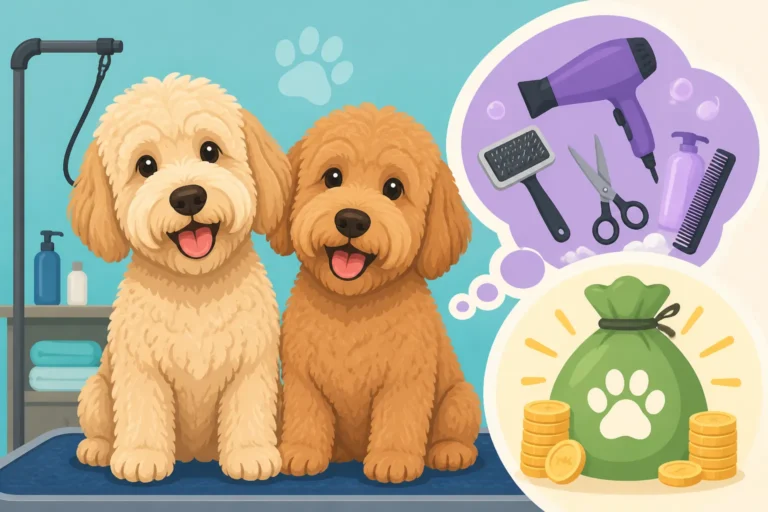
Labradoodles are known for their beautiful, often low-shedding coats, but this comes with a grooming commitment. The Three Labradoodle Coats: Hair, Fleece and Wool each have specific needs, but all require regular brushing to prevent matting. You'll need a slicker brush, a metal comb, and potentially a de-shedding tool, especially during The Coat Change That Hits a Labradoodle at Nine Months. Even if you plan on professional grooming, having your own basic tools is essential for daily maintenance. How Many Times a Week a Labradoodle Needs Brushing often surprises new owners, but it's key to avoiding expensive de-matting fees at the groomer.
Beyond grooming, you'll need to pet-proof your home. This might involve baby gates to restrict access to certain areas, covers for electrical cords, and secure storage for anything potentially toxic. Accidents happen, especially with puppies, so having enzymatic cleaners on hand to deal with messes is a smart move. Many pet parents find it convenient to order their recurring pet supplies from online retailers like Chewy, which often have a wide selection and offer scheduled deliveries.
The Rhythm of Life: Ongoing Monthly and Annual Expenses
The first year with a Labradoodle isn't just about initial outlays; it's about establishing a routine of recurring costs that will continue throughout their life. These are the expenses you'll budget for on a regular basis.
Food, Treats, and Nutritional Supplements
Food is arguably the largest ongoing expense for your Labradoodle. Puppies, especially large breed puppies, have specific nutritional needs to support their rapid growth without putting undue stress on their developing joints. You’ll need a high-quality puppy food, and later, an adult formula. The type of food you choose—kibble, wet, fresh, or raw—will significantly impact your monthly bill. Brands like Ollie offer fresh, human-grade food that can be a fantastic option for some owners, though it typically comes at a higher price point than traditional kibble.
Treats are essential for training and rewarding good behavior, but they add to the cost. Factor in dental chews or other long-lasting chews to help with boredom and oral hygiene. Some Labradoodles might benefit from supplements, such as joint support, especially as they get older, but it's always best to discuss these with your vet. How Much a Growing Labradoodle Should Eat will change as they mature, so keeping an eye on their weight and adjusting portions accordingly is important.
Regular Grooming and Hair Care
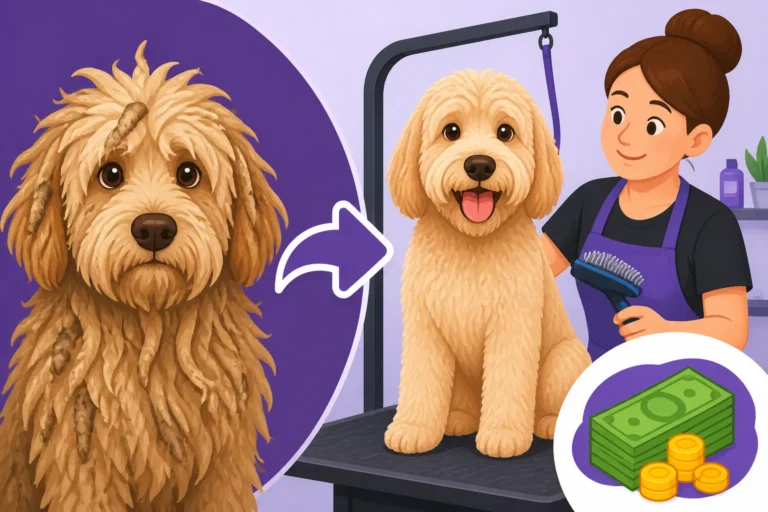
For many Labradoodle owners, professional grooming is a non-negotiable recurring expense. Depending on your Labradoodle's coat type (fleece or wool coats are higher maintenance) and your preferred length, you might be looking at grooming appointments every 6 to 8 weeks. Why a Wool Coated Labradoodle Costs More to Groom is a common realization, as these coats are denser and more prone to matting. A full groom usually includes bathing, drying, clipping, ear cleaning, and nail trims.
If you decide to try grooming at home, remember that while it saves money on professional fees, it requires an investment in quality tools and a significant time commitment. However, even with home grooming, you’ll still need to budget for professional nail trims or ear cleaning if you're not comfortable doing it yourself.
Preventative Healthcare and Pet Insurance
Routine veterinary check-ups are crucial for keeping your Labradoodle healthy. This includes yearly wellness exams, booster vaccinations, and ongoing parasite prevention for heartworm, fleas, and ticks. These preventative measures are far less costly than treating an illness once it takes hold.
Many owners find pet insurance to be a valuable investment, especially during the first year when puppies are prone to getting into mischief. A policy from a provider like Healthy Paws can help offset the cost of unexpected accidents or illnesses, ranging from a sudden upset stomach to a broken bone from an enthusiastic tumble. While you'll still pay a monthly premium, having insurance can be a lifesaver if your Labradoodle needs emergency care, which can quickly run into thousands of dollars. It's worth researching What Insuring a Labradoodle Puppy Runs Monthly and what hereditary conditions might be covered.
Training Classes and Socialization
A well-behaved Labradoodle is a joy to live with, but it doesn't happen by accident. Puppy kindergarten classes are highly recommended for early socialization and basic obedience. These group classes teach your Labradoodle good manners around other dogs and people, and they teach you how to communicate effectively with your puppy. As your Labradoodle grows, you might consider advanced obedience, agility, or even private training sessions for specific behavioral issues.
Even if you plan to do most of the training yourself, a one-time class or a few private sessions can provide a solid foundation. Remember, a Labradoodle is intelligent and energetic, and ongoing mental stimulation through training is just as important as physical exercise. The Ten Month Old Labradoodle That Forgets Everything is a common frustration during adolescence, making continued training vital.
Beyond the Budget: Unexpected Costs and Future Planning
Despite our best efforts to plan, life with a dog invariably throws a few curveballs. It’s wise to have a financial buffer for unforeseen circumstances and to consider long-term implications.
Emergency Veterinary Care
This is often the biggest unpredictable expense. Puppies explore with their mouths, and sometimes that means ingesting something they shouldn't, leading to emergency vet visits. Labradoodles, like their Poodle ancestors, can be prone to conditions like bloat, and their Labrador side can be adventurous, leading to injuries. Conditions like The Vague Signs of Addison's in a Labradoodle or a sudden lameness from Elbow Dysplasia in a Labradoodle Puppy might also require immediate diagnostic testing and treatment. Having an emergency fund or robust pet insurance like Healthy Paws can make a huge difference in these stressful situations, allowing you to focus on your dog's health rather than the astronomical bill.
Damage to Property
Let’s be real: puppies chew. They might chew on furniture, shoes, carpets, or even electrical cords. While training and providing appropriate chew toys can mitigate this, some damage is almost inevitable during that curious first year. Factor in potential costs for replacing or repairing household items that fall victim to puppy teeth or enthusiastic play. A Labradoodle has plenty of energy, and if it's not channeled constructively, it can lead to destructive behaviors.
Boarding, Daycare, and Pet Sitting
If you travel or have long workdays, you’ll need to budget for care services. Doggy daycare can be an excellent way to provide exercise and socialization for an energetic Labradoodle, but it's an additional daily or weekly cost. Boarding facilities or pet sitters are necessary if you go on vacation. The cost varies widely based on your location and the level of service, but it’s an important consideration for many households.
The Full Picture of Your First Year
Understanding these various categories of costs can feel overwhelming, but breaking it down helps. Here's a general idea of what you might expect, though individual expenses will fluctuate widely.
| Cost Category | Typical Range (First Year Estimate) | Notes |
|---|---|---|
| Initial Acquisition | Hundreds to several thousand | Breeder fee, adoption fee, or rescue donation. |
| Initial Vet Care | Several hundreds | Exams, vaccinations, deworming, spay/neuter surgery, microchip. |
| Essential Supplies | Few hundreds to over a thousand | Crate, bed, bowls, leash, collar, ID tags, toys, grooming tools. |
| Food & Treats | Several hundreds to over a thousand | High-quality puppy food, transition to adult, training treats. |
| Professional Grooming | Several hundreds to over a thousand | Depending on coat type, frequency, and local rates. |
| Pet Insurance | Few hundreds to several hundreds | Monthly premiums, deductible, and coverage level will vary. |
| Training | Few hundreds | Puppy classes, basic obedience, potentially private sessions. |
| Miscellaneous/Buffer | Few hundreds to over a thousand | Unexpected vet visits, property damage, boarding, sitter, extra toys. |
As you can see, the first year with a Labradoodle is a substantial financial commitment. It's not just the purchase price; it's the ongoing care, the preventative measures, and the preparedness for the unexpected that truly make up What Fourteen Years With a Labradoodle Comes To. By preparing for these expenses upfront, you can focus on building a wonderful, long-lasting relationship with your beloved Labradoodle.
Disclaimer
This article is for general informational purposes only and does not constitute professional advice. Laws, prices and regulations vary by location and change over time. Consult a qualified professional for guidance on your specific situation.