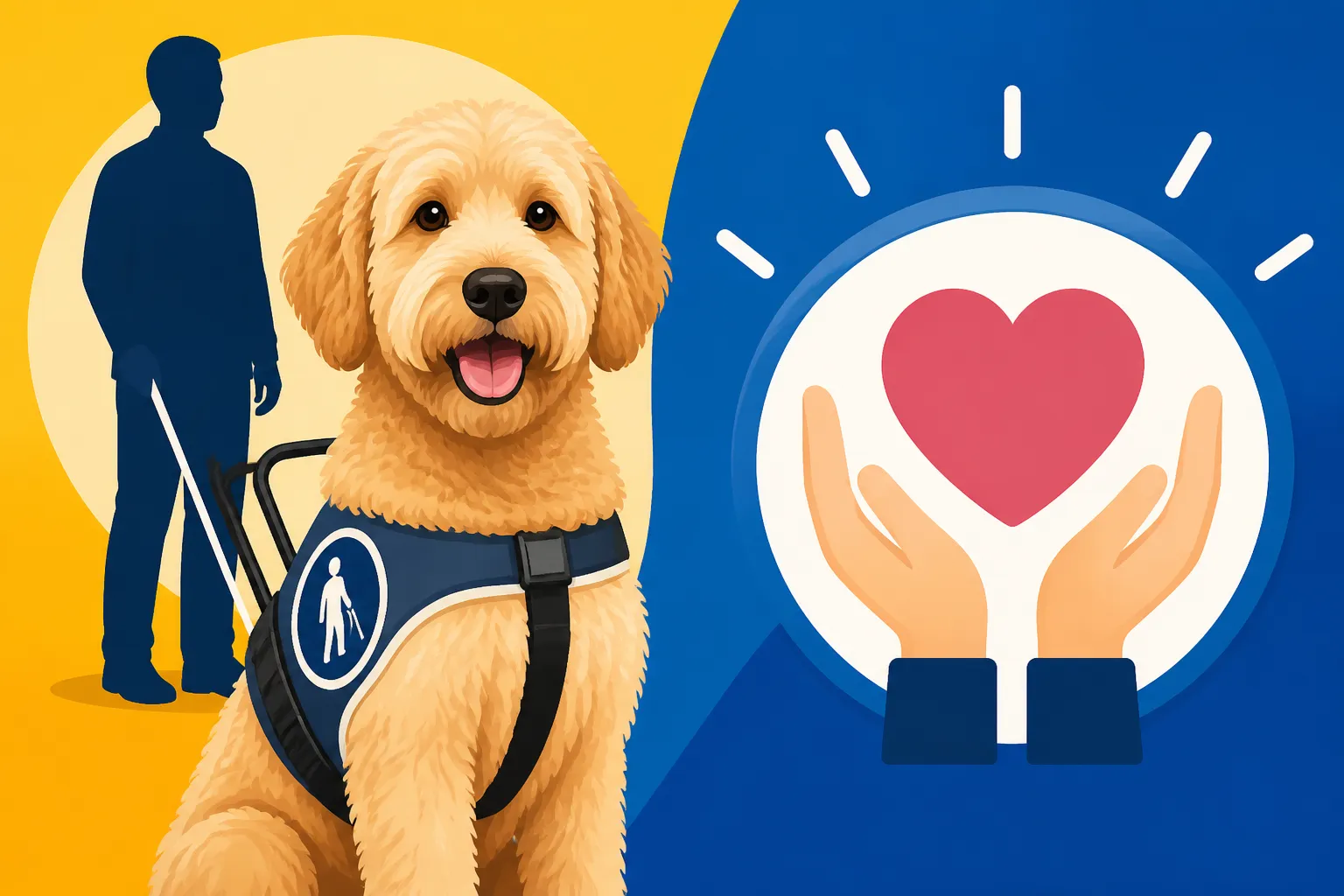
What Nonprofits Charge for a Labradoodle Guide Dog
Bringing a guide dog into your life can be an absolute game-changer, offering unparalleled independence and companionship. However, many people initially worry about the financial burden, often hearing stories of dogs costing tens of thousands of dollars. The truth is, while the production and training of a highly skilled Labradoodle guide dog is indeed a massive investment, most reputable nonprofit organizations structure their programs so that the future handler receives their dog with little to no direct charge. This guide will help you understand the true costs involved, how nonprofits cover these expenses, and what financial responsibilities a handler might still have.
The Reality of Guide Dog Costs Beyond the Sticker Price
It’s easy to look at a guide dog and just see the furry friend, but behind every successful working dog is an incredible network of resources and an astronomical financial investment. These aren't just pets; they are highly specialized, purpose-bred animals whose entire lives, from conception to retirement, are meticulously managed to ensure they can perform life-changing work.
Why Guide Dogs Are So Expensive to Produce
The journey of a guide dog starts long before a client ever meets their future partner. Nonprofits invest heavily in ethical breeding programs, a cornerstone of producing healthy, temperamentally sound dogs suitable for such demanding roles. This involves careful selection of parent dogs, often including breeds like the Labrador and Poodle to create the ideal Labradoodle. Both parents undergo extensive health screening for genetic conditions like hip and elbow dysplasia, eye diseases, and other hereditary issues to minimize health risks in the puppies. The prcd-PRA Test Both Labradoodle Parents Need and Hips and Elbows in a Sixty Pound Labradoodle are just a couple of the health clearances required.
Once a litter is born, the costs continue to mount. Puppy raisers, often volunteers, receive comprehensive support, including food, veterinary care, and ongoing guidance from the organization. These puppies need regular vet check-ups, vaccinations, and high-quality nutrition to support their rapid growth and development. Imagine the cost of feeding dozens, sometimes hundreds, of puppies and young dogs premium food – some programs might even consider specialized diets, akin to what you'd find from providers like Ollie, to ensure optimal health from day one. This early investment in health and socialization is critical for developing a resilient, adaptable working dog, but it comes at a significant expense to the nonprofit.
The Extensive Training Journey
After a foundational period with puppy raisers, where they learn basic manners and are exposed to various environments, the young Labradoodle enters formal training. This is where the magic truly happens, guided by professional instructors who often have years of experience. This phase can last anywhere from six months to over a year, involving intensive, one-on-one work. The dogs learn complex commands, advanced obedience, and how to navigate challenging public environments, safely guiding a visually impaired person. What Public Access Training Asks of a Labradoodle is incredibly rigorous.
Trainers teach specialized tasks, like stopping at curbs, avoiding obstacles, and finding specific destinations. Think about the hundreds, if not thousands, of hours of trainer salaries, the cost of specialized equipment, and the constant exposure to different real-world scenarios – from busy city streets to quiet suburban parks. Each dog's progress is carefully monitored and tailored to its individual aptitude. This highly individualized, professional training is arguably the most significant cost component, demanding immense time, skill, and resources from the organization. The goal is to produce a dog that is not only obedient but also capable of intelligent disobedience, making independent decisions to keep its handler safe.
Matching and Ongoing Support
The journey doesn't end when the dog is fully trained. A critical and often underestimated aspect is the matching process. Organizations meticulously pair dogs with clients, considering temperament, walking speed, lifestyle, and even the client's home environment. This requires careful assessment of both the dog and the human. Once a match is made, the client typically travels to the organization's campus for an intensive "class," lasting several weeks, where they learn to work with their new Labradoodle. This training covers everything from basic commands to navigating their home and work routes together.
Even after placement, reputable guide dog organizations provide lifetime support for the team. This can include follow-up visits, consultations, assistance with veterinary emergencies (for conditions directly related to their working life), and even support during the dog's eventual retirement. This commitment to the dog and handler for the entire working life of the guide dog adds substantial, ongoing costs to the nonprofit's budget. It's a testament to their dedication, ensuring the partnership remains successful and the dog's welfare is paramount.
How Nonprofits Structure Their Fees Or Lack Thereof
So, if all of this costs so much, how do people afford it? This is where the crucial role of nonprofit organizations comes into play, fundamentally reshaping the financial landscape for aspiring guide dog handlers.
The "No Cost" Model and Its Funding
The beautiful reality for many visually impaired individuals is that the most respected and established guide dog organizations provide their Labradoodle guide dogs, and all associated training and follow-up support, at absolutely no direct charge to the client. This "no cost" model is a cornerstone of their mission, ensuring that financial barriers do not prevent someone from receiving the life-changing independence a guide dog offers. Organizations like The Royal Guide Dogs Program Behind the Labradoodle were founded on such principles.
How do they achieve this? Through tireless fundraising efforts. These nonprofits rely heavily on public donations, corporate sponsorships, grants, bequests, and community events. Every dollar contributed goes towards covering the immense costs detailed above – breeding, raising, training, veterinary care, and lifetime support. When you hear about a guide dog costing $50,000 or more, that figure represents the actual investment made by the organization, not a fee charged to the client. It's an important distinction that highlights the incredible generosity of donors who believe in the mission.
Application, Interview, and Training Fees
While the dog itself and its initial training are typically free, some organizations might have nominal fees associated with the application process or the client's on-campus training. These are generally very small administrative costs, nowhere near the actual value of the dog or the program. For example, a small application fee might help cover processing paperwork, or there could be a modest charge for lodging and meals during the client's intensive two-to-four-week residential training period.
It's vital to clarify these details with any organization you're considering. A transparent nonprofit will be upfront about any potential client contributions, and these will always be a fraction of the program's overall expense. Be wary of any organization demanding significant upfront payments for a guide dog, as this can be a red flag. The focus of legitimate guide dog schools is on providing a service, not on generating profit from clients.
The Difference Between a Guide Dog and a Service Dog
It's also important to understand the terminology. While all guide dogs are a type of service dog, not all service dogs are guide dogs. Guide dogs specifically assist individuals with visual impairments. Other service dogs might assist with mobility, hearing, medical alert, or psychiatric tasks. The Tasks a Labradoodle Is Taught for Disability Work can vary widely depending on the specific need.
The funding and cost structures for other types of service dogs can sometimes differ. Some organizations that train service dogs for other disabilities might operate on different models, occasionally requiring partial payment from clients or encouraging them to fundraise their portion. However, for guide dogs, the overwhelming majority of established, accredited programs aim for the "no direct cost to client" model. This is largely due to the specific, critical nature of vision assistance and the long history of philanthropy in this area.
Understanding the "Value" Versus "Charge"
The financial landscape of acquiring a guide dog can feel complex, but understanding the difference between the immense value of a guide dog and what a nonprofit might actually "charge" is key.
The True Investment Made by Nonprofits
When we talk about the "cost" of a guide dog, we're really talking about the comprehensive financial investment a nonprofit makes in each dog's life. This isn't just a one-time fee; it's a commitment that spans years, sometimes decades. This investment covers:
- Breeding Program: Maintaining a healthy breeding colony, genetic testing, prenatal and postnatal care for mothers and pups.
- Puppy Raising: Providing food, veterinary care, equipment, and support for volunteer puppy raisers.
- Professional Training: Salaries for highly skilled trainers, specialized training facilities, and ongoing equipment.
- Veterinary Care: Comprehensive veterinary care throughout the dog's life, including routine check-ups, vaccinations, and emergency medical treatments. The Yearly Screening a Labradoodle Should Get is paramount for working dogs.
- Client Training: The intensive residential training program where the client learns to work with their new dog, including accommodation and meals.
- Lifetime Support: Post-placement follow-up, ongoing consultations, and assistance with any issues that arise throughout the dog's working life and retirement.
This holistic approach is why the estimated value of a fully trained guide dog can be substantial. It's an investment in a living, breathing partner whose capabilities literally redefine the handler's world. This extensive commitment underscores why donors are so vital to these organizations' continued operations.
| Expense Category | Typical Out-of-Pocket Cost for a Privately Trained Service Dog | What Nonprofits Typically Cover for a Guide Dog |
|---|---|---|
| Dog Acquisition | $1,500 – $5,000+ (from breeder) | Fully covered by nonprofit's breeding program |
| Health Clearances | $500 – $2,000+ (for parent dogs and puppies) | Fully covered by nonprofit |
| Puppy Raising (Food, Vet, Supplies) | $2,000 – $5,000+ (first 12-18 months) | Fully covered by nonprofit (often with volunteer raisers) |
| Professional Training | $15,000 – $50,000+ (for 6-18 months of intensive training) | Fully covered by nonprofit |
| Public Access Training | Included in professional training costs | Fully covered by nonprofit |
| Client Residential Training | Varies, can be high for some programs | Often free, or nominal fees for room/board |
| Lifetime Follow-up Support | Often additional fees per session/visit | Typically fully covered by nonprofit for working life |
| Medications/Emergency Vet Care | Covered by owner/insurance | Often covered by nonprofit (work-related issues) |
Post-Placement Expenses for the Handler
Even when a guide dog is provided at no direct charge, the handler still takes on responsibilities for the dog's daily care. This isn't about paying for the dog's training or acquisition, but about routine upkeep, just like any pet owner. These ongoing expenses can include:
- Food: While some programs might initially provide a supply of food, the handler is generally responsible for purchasing their Labradoodle's food throughout its working life. Choosing a high-quality, balanced diet is crucial for a working dog's health and energy levels. Many handlers find themselves ordering from retailers like Chewy for convenience, stocking up on their dog's preferred kibble or treats.
- Routine Veterinary Care (if not fully covered): While major or work-related veterinary expenses might be covered by the guide dog organization, handlers are usually responsible for routine check-ups, vaccinations, flea/tick prevention, and heartworm medication. This is similar to what any pet owner faces, though some programs may assist with specific medical needs. For personal pets, families often look into options like Healthy Paws pet insurance to help manage unexpected vet bills; for guide dogs, it's essential to understand exactly what the program covers.
- Grooming: Labradoodles, especially those with fleece or wool coats, require regular grooming to prevent matting and maintain skin health. This can mean professional grooming appointments every 6-8 weeks or investing in home grooming tools. The Six to Eight Week Clock on a Labradoodle's Coat is a real commitment.
- Supplies: Collars, leashes, beds, toys, and grooming tools are all necessary items that the handler will likely purchase over time. A happy, well-adjusted working dog still needs enrichment.
- Contingency Fund: Having a small emergency fund for unforeseen circumstances or non-covered veterinary care is always a good idea.
These are the practical, everyday costs of owning any dog, working or not, and while they aren't the high-dollar training costs, they are an important consideration for any prospective guide dog handler.
Finding a Reputable Guide Dog Organization
Navigating the world of service dog providers can be daunting, but knowing what to look for will help you connect with an ethical and supportive organization.
Key Characteristics of Ethical Programs
When seeking a Labradoodle guide dog, it's paramount to choose a reputable organization. Here are some characteristics to look for:
- Accreditation: Look for organizations accredited by international bodies such as Assistance Dogs International (ADI). Accreditation signifies that the program meets rigorous standards for dog health, training, client services, and ethical practices.
- Transparency: Reputable organizations are open about their processes, their funding, and any potential costs to clients. They should readily answer questions about their breeding program, training methods, and follow-up support.
- Lifetime Support: A strong program offers ongoing support for the entire working life of the dog and beyond, including retirement. This demonstrates a commitment to the well-being of both the dog and the handler.
- Specialization in Guide Dogs: While some organizations train for multiple disabilities, those primarily focused on guide dogs often have deeper expertise and more established "no cost" models for visually impaired clients.
- Thorough Application Process: Expect a comprehensive application, interview, and assessment process. This isn't meant to be difficult, but rather to ensure a successful match between the dog and the handler.
- Breed Choice: For Labradoodles, ensure they emphasize health-tested lines and predictable temperaments. Whether an Australian Labradoodle Trains Better for Service is a common question, and good organizations can discuss their specific breeding philosophy.
Don't hesitate to research, read testimonials, and, if possible, speak with current handlers who have received dogs from the organization.
Asking the Right Questions About Costs
When you connect with a potential guide dog organization, be prepared to ask specific questions about financial aspects:
- "What is your philosophy on client contributions for guide dogs?"
- "Are there any fees associated with the application, interview, or enrollment in your training class?"
- "What expenses are typically covered by the organization post-placement (e.g., vet care, specific equipment)?"
- "What ongoing expenses will I, as the handler, be responsible for?"
- "Can you provide information on the resources you offer for ongoing support and follow-up?"
A good organization will welcome these questions and provide clear, reassuring answers. Their goal is to empower individuals, not to burden them financially. Remember, the true "charge" for a Labradoodle guide dog is almost always borne by the generous donors and fundraising efforts that sustain these incredible nonprofit programs, allowing the gift of independence to be truly accessible. What a Program Trained Assistance Labradoodle Costs in the open market highlights the incredible value a nonprofit provides.
Disclaimer
This article is for general informational purposes only and does not constitute professional advice. Laws, prices and regulations vary by location and change over time. Consult a qualified professional for guidance on your specific situation.