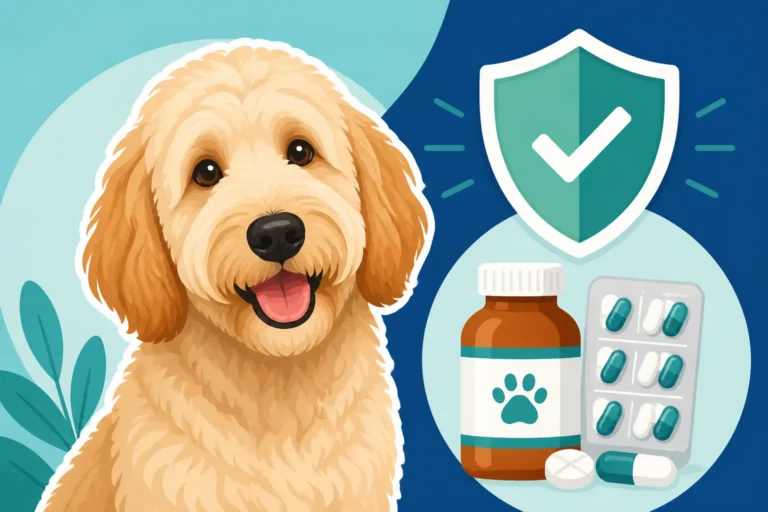
Whether a Labradoodle’s Premium Jumps at Middle Age
It’s a natural worry for any loving Labradoodle owner: as our furry companions grow older, so do their chances of needing more veterinary care. You’ve likely heard stories, or maybe even experienced it yourself with previous pets, that pet insurance premiums seem to skyrocket once your dog hits a certain age. This concern is particularly acute for Labradoodle parents, who want to ensure their delightful dogs are covered without facing an impossible bill as they transition into their senior years. This guide will delve into whether a Labradoodle’s pet insurance premium truly jumps at middle age, explore the reasons behind these potential increases, and offer practical strategies to navigate the costs.
How Pet Insurance Premiums Work as Your Labradoodle Ages
Understanding pet insurance isn't always straightforward. It's not like human health insurance; it operates on a different model, often designed to reimburse you for a percentage of unexpected veterinary costs. As your Labradoodle matures, the likelihood of these unexpected costs generally increases, and the pricing structure of policies reflects that.
The Basics of How Pet Insurance Premiums Are Calculated
When you first sign up for pet insurance, providers typically assess several factors to determine your premium. These include your geographical location (vet costs vary wildly from city to city), the specific plan you choose (accident-only, accident and illness, or comprehensive wellness), your chosen deductible, and your reimbursement percentage. However, one of the most significant factors, right from the start, is your dog's breed and age. For a Labradoodle puppy, you might be surprised by how affordable the premiums seem, largely because puppies, while prone to accidents, generally have fewer pre-existing conditions or age-related illnesses on record.
As time goes on, the insurance company is constantly assessing the risk profile of your individual pet and the larger pool of dogs like yours. They look at data on how often Labradoodles of a certain age tend to visit the vet, what conditions they are most susceptible to, and the average cost of treating those conditions. This dynamic assessment means that your premium isn't static; it's a living figure that can and often does change over the lifetime of your policy.
Why Age is a Major Factor in Pricing
Age is undeniably a cornerstone of pet insurance premium calculation. Think about it from the insurance company's perspective: a young, healthy Labradoodle puppy is statistically less likely to incur major medical expenses related to chronic illness than a Labradoodle entering its golden years. Puppies might break a leg or eat something they shouldn’t, leading to emergency visits, but these are often one-off incidents.
As dogs age, however, their bodies naturally begin to wear down. Joints might stiffen, organs might not function as efficiently, and the risk of developing more serious conditions, like cancer or chronic organ failure, increases dramatically. Because the probability of costly veterinary interventions rises with age, so too does the premium to cover that increased risk. This isn't unique to Labradoodles; it's a universal principle across most pet insurance policies for all breeds. The real question then becomes, at what age does this become particularly noticeable, and how much of a "jump" should you anticipate for your beloved Labradoodle?
Comparing Initial Puppy Premiums to Adult Dog Premiums
Let's imagine you adopted your Labradoodle, Charlie, as a bouncy 8-week-old puppy. You wisely enrolled him in a comprehensive pet insurance plan right away. His premiums were likely quite manageable, a predictable monthly cost that gave you peace of mind for those inevitable puppy shenanigans. Now, fast forward a few years. Charlie is five or six, still full of energy, but perhaps a little less reckless. You might notice that his renewal premium has crept up gradually each year, perhaps by a small percentage.
However, once Charlie approaches what veterinarians consider "middle age" – typically around 6 to 8 years for a larger breed like a Standard Labradoodle – you might see a more significant increase. This isn't just a slight bump; it can feel like a noticeable leap compared to the incremental rises of previous years. The reason is that this age often marks the threshold where common age-related conditions begin to manifest, moving your Labradoodle from a "low-risk" or "moderate-risk" category into a higher one in the eyes of the insurer. This is the "jump" people often refer to, and it's something every Labradoodle owner should be prepared for financially.
Identifying "Middle Age" and Associated Health Concerns for Labradoodles
The concept of "middle age" for a dog isn't as clear-cut as it is for humans. It varies by breed and size, and for a Labradoodle, it's a blend of their Labrador and Poodle heritage. Understanding this age bracket and the health issues that commonly arise during this time is key to anticipating those insurance premium changes.
Defining "Middle Age" for a Labradoodle and How It Impacts Insurance
For many Labradoodles, especially the Standard and Medium sizes, middle age generally begins around six to eight years old. Miniature Labradoodles, similar to smaller breeds, might enter middle age a bit later, perhaps closer to seven or nine years. This period isn't about feeling "old," but rather a transition from the vibrant energy of early adulthood to a more settled, sometimes slightly stiffer, phase of life. The Birthday a Labradoodle Counts as Senior is often around eight, but the groundwork for potential health changes can begin much earlier.
From an insurance perspective, this "middle age" threshold is where the actuarial tables start to really shift. While a Labradoodle in their early years might primarily be at risk for accidental injuries or perhaps some inherited conditions if not from health-tested lines, a middle-aged Labradoodle introduces a broader spectrum of concerns. This is when insurers begin to factor in the increased probability of conditions that require ongoing management or significant one-time treatments. Your premiums reflect this heightened statistical risk, regardless of how healthy your individual Labradoodle might seem at that moment.
Common Health Issues That Emerge in Middle-Aged Labradoodles
As our beloved Labradoodles cross into their middle years, certain health issues become more prevalent, reflecting their genetic predispositions from both the Labrador Retriever and Poodle sides. It's during this time that you might start to see subtle changes that warrant veterinary attention and, consequently, trigger insurance claims.
One major area is joint health. Conditions like arthritis, a worsening of existing hip or elbow dysplasia, or even cruciate ligament tears become more common. A sixty-pound Labradoodle, especially one that has led an active life, can start showing signs of wear and tear. Hips and Elbows in a Sixty Pound Labradoodle are particularly important to monitor as they age. Similarly, eye conditions, while often screened for earlier, can progress. Some Labradoodles may develop cataracts, or, if carrying the gene, show progression of conditions like progressive retinal atrophy, impacting their vision.
Other concerns include endocrine issues. Addison's Disease, inherited from the Poodle side, can sometimes manifest with vague signs that owners might miss until later in life, leading to diagnostic challenges and ongoing medication. The Vague Signs of Addison's in a Labradoodle are important to recognize. Additionally, the risk of bloat, or Gastric Dilatation-Volvulus (GDV), a life-threatening condition, remains a concern for deep-chested Labradoodles, especially as they get older. Bloat Risk in a Standard Poodle Bred Labradoodle is a serious consideration. Cancer, unfortunately, is also a leading cause of death in older dogs, and its incidence begins to rise significantly in middle-aged and senior Labradoodles. Cancer in an Older Labradoodle is a heavy topic, but one that insurance companies must account for in their risk assessment. These emerging health trends directly contribute to the "jump" in insurance premiums, as the potential cost of care increases dramatically.
How Insurance Companies View Breed-Specific Risks Over Time
Pet insurance companies are incredibly data-driven. They don't just lump all dogs into one category; they analyze breed-specific data with great precision. For Labradoodles, this means their premiums are influenced by the known health predispositions of both parent breeds. The good news is that breeders often conduct health tests for many of these conditions, which can sometimes influence premiums or coverage limits if you choose a policy early enough. Whether Health Tested Parents Add Years to a Labradoodle is an important question.
As your Labradoodle moves into middle age, the insurance company's algorithms begin to weigh the cumulative risk of these breed-specific conditions manifesting. For instance, if data shows that Labradoodles, particularly those of a certain size, have a higher statistical incidence of developing certain orthopedic issues or specific cancers after age seven, then the premiums for all Labradoodles in that age bracket will reflect that increased risk, regardless of whether your individual dog has ever shown a symptom. This is why continuous, early coverage can be so beneficial; once a condition is noted in their medical history, it's generally considered pre-existing and won't be covered by a new policy. This detailed risk assessment is a significant driver behind the premium jump you might observe.
Proactive Steps to Manage or Mitigate Rising Costs
Facing rising insurance premiums for your middle-aged Labradoodle can feel daunting, but there are definitely strategies you can employ to manage these costs and continue providing the best care. It's all about being informed and proactive.
Maintaining Continuous Coverage from Puppyhood
This is perhaps the most crucial piece of advice for managing pet insurance costs over your Labradoodle's lifetime. Enrolling your Labradoodle in a policy when they are a puppy, ideally before any minor health issues arise, is invaluable. When a pet is young, they typically have no pre-existing conditions. As long as you maintain that continuous coverage, any new condition that develops later in life, even something significant like arthritis or a chronic illness, will generally be covered under your existing policy.
If you wait until your Labradoodle is already middle-aged and then decide to get insurance, you'll likely face higher premiums immediately. More importantly, any health issues that have already been diagnosed or even suspected will almost certainly be considered pre-existing conditions and will be excluded from coverage. This can leave you in a tough spot if your Labradoodle suddenly needs expensive treatment for something that could have been covered had you started earlier. So, if your Labradoodle is still young, get that policy now!
Adjusting Your Deductible and Reimbursement Levels
One direct way to influence your annual premium, especially as your Labradoodle ages and costs potentially rise, is by adjusting your policy's deductible and reimbursement percentage. A deductible is the amount you pay out-of-pocket before your insurance coverage kicks in. A higher deductible will typically result in a lower monthly premium. For example, if you increase your deductible from a couple of hundred dollars to a higher figure, your premium could decrease.
Similarly, your reimbursement level dictates the percentage of the covered veterinary bill that the insurance company pays after your deductible is met (e.g., 70%, 80%, or 90%). Opting for a lower reimbursement percentage will also reduce your premium. This requires you to carefully consider your financial comfort level. Are you willing to pay a larger chunk of each vet bill in exchange for a lower monthly premium? It's a balancing act that allows you some control over your out-of-pocket expenses versus your fixed monthly cost. Reviewing these options with your provider annually can help you strike the right balance for your budget and your Labradoodle's needs.
Exploring Different Providers and Policy Options
While loyalty to your current insurance provider is commendable, it's always a good idea to shop around, especially if you're noticing a significant premium jump. The pet insurance market is competitive, and different companies may offer varying rates or policy structures that better suit your aging Labradoodle's needs and your budget. Don't be afraid to get quotes from several providers. When comparing, make sure you're doing an apples-to-apples comparison of deductibles, reimbursement percentages, annual limits, and what's covered.
Consider companies known for their comprehensive coverage and customer service. For instance, many owners review providers like Healthy Paws for their robust coverage options and unlimited annual payout, which can be a huge benefit as a Labradoodle gets older and potentially faces chronic conditions. Be sure to specifically ask about coverage for common Labradoodle issues that might emerge in middle age, such as joint problems, allergies, or even cancer screenings. Sometimes, a new policy with a different company might offer a more favorable rate, but always be wary of pre-existing condition clauses if your Labradoodle has already developed any health issues.
| Age Bracket | Typical Premium Trend | Common Health Concerns (Labradoodle) | Impact on Insurance |
|---|---|---|---|
| Puppy (0-1 year) | Lowest | Accidents, infections, minor digestion issues, some inherited conditions (if not health-tested) | Low perceived risk of chronic illness; premiums mostly cover accidents/acute illnesses. |
| Young Adult (1-5 years) | Gradual Increase | Continued accident risk, onset of some allergies, joint issues (if predisposition exists) | Premiums rise incrementally as statistical risk of minor issues increases; still generally considered low risk. |
| Middle Age (6-9 years) | Notable Jump | Arthritis, worsening dysplasia, dental disease, chronic allergies, increased risk of cancer, endocrine issues | Significant increase as likelihood of chronic conditions, major illness, and age-related decline rises. |
| Senior (10+ years) | Highest | Advanced arthritis, organ failure, cognitive dysfunction, multiple cancers, major dental issues | Premiums peak due to high statistical probability of multiple, expensive, and ongoing medical needs. |
Beyond Premiums: Maximizing Your Labradoodle's Health
While managing insurance premiums is important, the ultimate goal is to keep your Labradoodle as healthy and happy as possible for as long as possible. Many proactive steps can help mitigate the severity or onset of age-related conditions, potentially reducing the need for costly interventions.
The Importance of Preventive Care and Regular Vet Visits
One of the best investments you can make in your Labradoodle's long-term health, and indirectly in managing your insurance costs, is consistent preventive care. This means sticking to a schedule of regular veterinary check-ups, even if your Labradoodle seems perfectly healthy. Many veterinarians recommend The Yearly Screening a Labradoodle Should Get which includes bloodwork and urinalysis after a certain age, allowing for early detection of issues before they become serious.
During these visits, your vet can identify subtle changes in weight, coat condition, or mobility that might be early indicators of a developing problem. Early intervention, whether through diet changes, supplements, or medication, can often prevent conditions from escalating into full-blown crises that require expensive emergency care or complex treatments. These routine check-ups also help establish a baseline for your dog's health, making it easier to spot deviations as they age.
Nutrition and Exercise for a Healthy Middle-Aged Labradoodle
As your Labradoodle enters its middle years, their nutritional and exercise needs might subtly shift. Maintaining a healthy weight is paramount for joint health, cardiovascular function, and overall vitality. Labradors, one half of the Labradoodle equation, are notoriously prone to weight gain, and this trait can certainly pass on to your doodle. The Weight a Labradoodle Should Hold is a critical factor for long-term health. Overweight dogs are at a higher risk for arthritis, diabetes, and other serious conditions, all of which drive up vet bills and, consequently, insurance claims.
Consider adjusting their diet to a high-quality, age-appropriate formula. Many brands offer "senior" or "reduced-calorie" options that cater to the slower metabolism of an aging dog. Exploring options from reputable pet supply retailers like Chewy can give you a wide array of choices. Some owners even look into fresh or gently cooked food options, perhaps from services like Ollie, to ensure optimal nutrient absorption and minimize inflammatory ingredients. Exercise, while perhaps less vigorous than in their youth, remains crucial. Shorter, more frequent walks, swimming (if their joints allow and they enjoy it), or gentle play can help maintain muscle mass and joint flexibility without overtaxing their body. Keeping a Labradoodle Sound Into Its Teens starts with smart lifestyle choices in their middle years.
What to Look for in a Dog Food for an Aging Labradoodle
Choosing the right food for your middle-aged Labradoodle can make a world of difference in their overall health and potentially delay the onset of some age-related conditions. Look for foods that prioritize high-quality protein sources to maintain muscle mass, even if their activity level decreases. Joint-supporting ingredients like glucosamine and chondroitin, or omega-3 fatty acids, can be beneficial, though you might also consider supplements under veterinary guidance.
Fiber content is also important for digestive health, and many senior formulas include antioxidants to support a healthy immune system. Avoiding excessive calories is key, so pay close attention to feeding guidelines and adjust portions based on your dog's actual weight and activity. If your Labradoodle has specific health concerns that have emerged in middle age, such as kidney issues or sensitivities, your veterinarian might recommend a prescription diet. Always discuss any significant dietary changes with your vet to ensure you're meeting your Labradoodle's unique needs. Investing in their nutrition now can save you significant vet costs down the road.
Disclaimer
This article is for general informational purposes only and does not constitute professional advice. Laws, prices and regulations vary by location and change over time. Consult a qualified professional for guidance on your specific situation.