What Total Hip Replacement Runs on a Labradoodle
Watching your beloved Labradoodle struggle with limping, pain, and a reluctance to play like they used to is truly heartbreaking, especially when you know it's because of something like hip dysplasia. When conservative treatments just aren't cutting it, the thought of total hip replacement can feel overwhelming, not just emotionally, but financially too. This guide will walk you through what you can expect in terms of costs for a total hip replacement for your Labradoodle, from diagnostics to long-term recovery, helping you prepare for this significant decision.
Understanding Hip Dysplasia in Labradoodles
Hip dysplasia is a common orthopedic condition that affects many large and giant breed dogs, and unfortunately, Labradoodles are not immune, inheriting this predisposition from both their Labrador Retriever and Poodle ancestry. It's a developmental disorder where the hip joint, a ball-and-socket joint, doesn't form correctly. The "ball" (femoral head) and "socket" (acetabulum) don't fit together snugly, leading to looseness, instability, and over time, painful degenerative joint disease and arthritis. It's a condition that can manifest early in a puppy's life, or gradually worsen as they age.
Imagine your Labradoodle, full of youthful energy, suddenly hesitating before jumping into the car or struggling to get up after a nap. These can be some of the first subtle clues that something isn't quite right with their hips. They might exhibit a "bunny hop" gait when running, where both hind legs move together, or show a noticeable decrease in activity levels. Sometimes, the signs are so gradual that you might not even realize how much pain they're in until it becomes severe, making simple movements a monumental effort.
Recognizing the Signs
The earliest signs of hip dysplasia can be incredibly subtle, making them easy to miss if you're not paying close attention. A young Labradoodle might show reluctance to run or jump, or you might notice a slight lameness after intense exercise. They might sit or lie down in unusual positions to alleviate pressure on their hips. As the condition progresses and arthritis sets in, the pain becomes more constant, leading to stiffness, especially after resting, and a decreased range of motion in the hind legs.
It’s not uncommon for owners to first notice their Labradoodle struggling to climb stairs, or even just stand up from a lying position. You might observe them shifting their weight forward onto their front legs to reduce the load on their painful hips. A clear sign can be muscle atrophy in the hindquarters, as your dog subconsciously avoids using those muscles due to discomfort. Keeping a close eye on your dog's gait and willingness to engage in physical activities is crucial, especially if you know they come from lines with a history of joint issues. Hips and Elbows in a Sixty Pound Labradoodle is a great resource if you want to learn more about recognizing these early indicators.
Diagnosis and Early Intervention
If you suspect hip dysplasia, a visit to your veterinarian is the first essential step. The diagnostic process typically involves a thorough physical examination, where your vet will manipulate your dog's hips to check for looseness, pain, and a reduced range of motion. They might perform specific tests like the Ortolani sign, which helps detect hip laxity. However, the definitive diagnosis usually comes from X-rays. These radiographs allow the vet to visualize the hip joints and assess the degree of dysplasia and secondary arthritis.
Early diagnosis doesn't always mean immediate surgery, but it certainly opens up avenues for intervention that can slow the progression of the disease and manage pain. This might include weight management, anti-inflammatory medications, joint supplements, and physical therapy. For some dogs, these conservative measures can offer a good quality of life for many years. However, for Labradoodles with severe dysplasia and debilitating pain that doesn't respond to these treatments, total hip replacement (THR) becomes a viable and often life-changing option, restoring pain-free mobility. What OFA Grades Mean on a Labradoodle can give you more insight into how hip quality is assessed.
The Cost Factors of Total Hip Replacement
When considering total hip replacement for your Labradoodle, it's important to understand that you're not just paying for the surgery itself. The overall cost is a culmination of multiple factors, including extensive pre-surgical diagnostics, the complex procedure performed by a specialist, post-operative care, and rehabilitation. This isn't a quick fix with a single price tag; it's a comprehensive medical journey that can be quite an investment, reflecting the specialized skills, equipment, and care involved.
Think of it like a human joint replacement – there are consultations with specialists, various tests, the surgery, hospital stays, and then weeks or months of physical therapy. For your Labradoodle, it's very similar. The price can also fluctuate significantly based on your geographical location (cities generally being more expensive than rural areas), the specific veterinary specialty hospital, and the experience of the surgical team. It’s crucial to get a detailed breakdown from your vet or the referral surgeon's office.
Pre-Surgical Assessments and Diagnostics
Before your Labradoodle can even be considered for a total hip replacement, a comprehensive series of evaluations is absolutely necessary. This isn't just about confirming hip dysplasia; it's about ensuring your dog is healthy enough to withstand major surgery and anesthesia. These pre-surgical diagnostics are a significant part of the overall cost and typically include:
- Veterinary Consultations: Initial consultations with your regular vet, followed by consultations with a board-certified veterinary orthopedic surgeon. These specialists will thoroughly review your dog's history, perform physical exams, and discuss the procedure and potential outcomes.
- Bloodwork and Urinalysis: Extensive blood tests (complete blood count, chemistry panel) and urinalysis are vital to assess organ function, check for infections, and ensure your Labradoodle's body can safely process anesthesia and recover from surgery.
- Advanced Imaging: Beyond basic X-rays, more detailed imaging like specialized hip radiographs (often performed under sedation to get precise positioning) are crucial for the surgeon to plan the procedure meticulously. They might also require chest X-rays to check for lung health and rule out any underlying heart conditions.
- Other Diagnostics: In some cases, depending on your dog's overall health, additional tests such as an echocardiogram (ultrasound of the heart) might be recommended to further assess cardiac function, especially for older Labradoodles.
All these preliminary steps are non-negotiable and contribute to the safety and success of the surgery. They ensure that the surgical team has a complete picture of your Labradoodle's health, allowing them to mitigate risks as much as possible.
The Surgical Procedure Itself
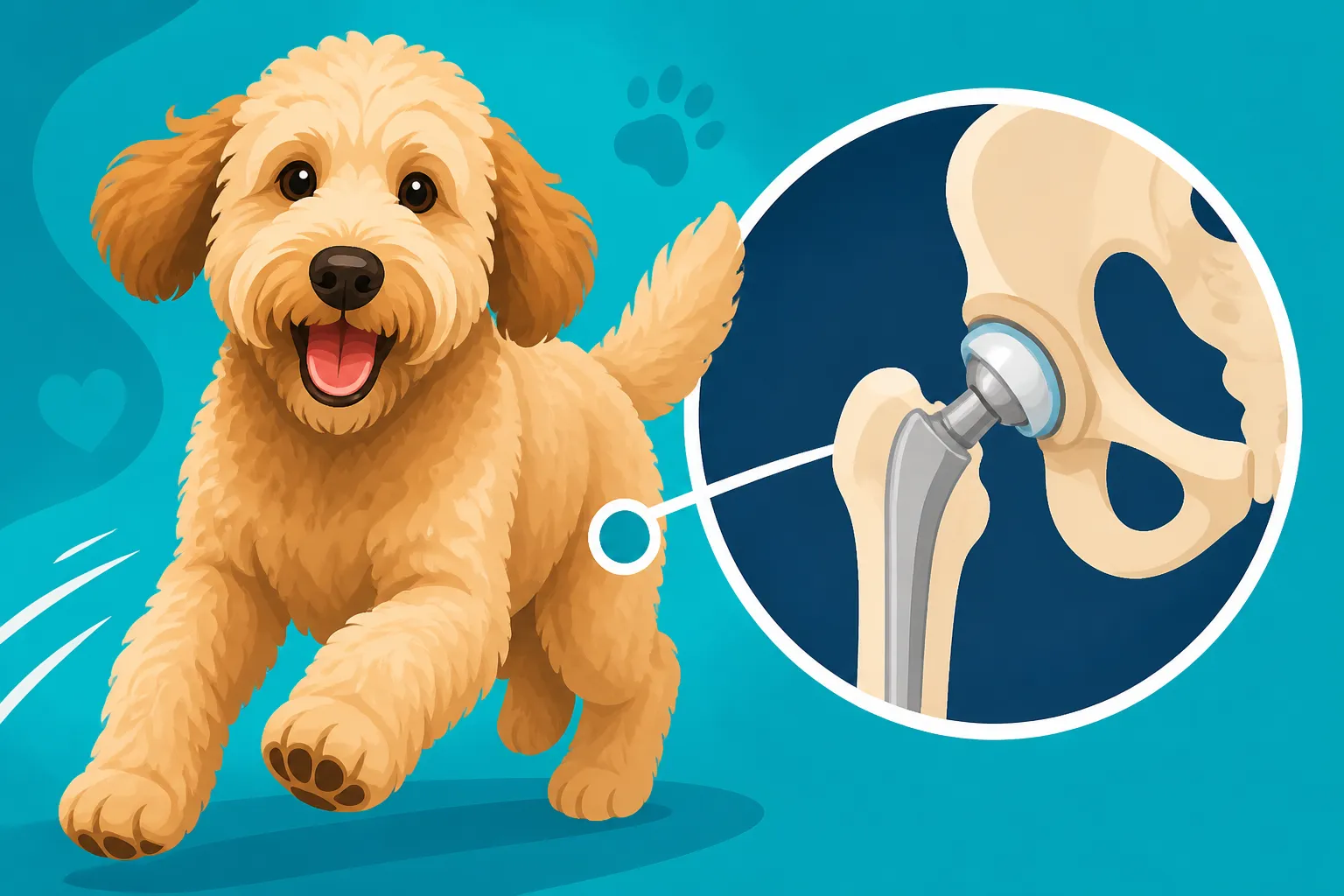
The total hip replacement surgery is a highly specialized and intricate procedure that requires immense skill and advanced equipment. During the surgery, the damaged femoral head (ball) and acetabulum (socket) are removed and replaced with artificial implants, typically made of medical-grade metal and polyethylene. This is where the bulk of the cost often lies, encompassing several key components:
- Surgeon's Fees: This covers the expertise of the board-certified veterinary orthopedic surgeon and their assistants who perform the complex operation. Their years of training and experience in this specific surgery are paramount.
- Anesthesia and Monitoring: Your Labradoodle will be under general anesthesia for several hours. This includes the cost of the anesthesiologist (often a specialist), anesthetic drugs, and continuous monitoring of vital signs (heart rate, blood pressure, oxygen levels, temperature) throughout the procedure.
- Surgical Implants: The artificial hip components themselves are precision-engineered and a significant expense. The type and size of implants used will depend on your Labradoodle's specific anatomy and the surgeon's preference.
- Operating Room Fees: This covers the use of the sterile surgical suite, specialized instruments, drapes, sutures, and other consumable supplies required for the operation. These facilities are often found in larger veterinary specialty hospitals, not every general practice.
The technical nature of the surgery, the expensive implants, and the highly trained personnel involved are why the core surgical cost is substantial. It's truly a marvel of modern veterinary medicine that can give your Labradoodle a new lease on life.
Post-Operative Care and Medication
The care doesn't stop once the surgery is complete; in fact, the post-operative phase is just as critical for a successful outcome. Your Labradoodle will require hospitalization for a few days immediately following the surgery to ensure stable recovery and pain management. During this time, they will receive intensive monitoring and care.
- Hospitalization: This includes overnight stays in the veterinary hospital, where your dog will be kept comfortable, clean, and closely monitored by veterinary staff. The duration can vary but typically ranges from 2-5 days.
- Pain Management: A comprehensive pain management plan is crucial. This will involve a combination of injectable and oral pain medications, anti-inflammatories, and sometimes nerve blocks or epidurals, to keep your Labradoodle comfortable during the initial recovery period.
- Antibiotics: To prevent post-surgical infections, a course of antibiotics will be prescribed, often starting intravenously during hospitalization and continuing orally once your dog returns home.
- Follow-up Appointments and X-rays: Regular follow-up visits with the surgeon are essential to monitor healing and assess the progress of the hip. This will often include additional X-rays to ensure the implants are stable and the bone is healing correctly.
This phase is about diligent care, minimizing discomfort, and ensuring no complications arise, all of which contribute to the overall expenditure.
Navigating the Procedure and Recovery Costs
The journey through total hip replacement is a marathon, not a sprint. Beyond the initial surgery and hospitalization, there are further considerations for specialized care and rehabilitation that will impact the final cost. These elements are vital for ensuring your Labradoodle regains optimal function and enjoys a full, active life post-surgery. Many pet parents find great value in pet insurance providers like Healthy Paws, which can often cover a significant portion of these extensive bills, reducing the financial strain when difficult decisions about care arise.
It’s worth noting that while some of these costs might seem high, they are an investment in your dog's future comfort and mobility. The goal is to get your Labradoodle back to chasing squirrels and enjoying walks without the constant ache that hip dysplasia brings.
Specialized Surgeons and Facilities
Total hip replacement is not a procedure performed by every general veterinary practice. It requires a highly specialized surgical team and a facility equipped for such complex orthopedic operations. This specialization naturally comes with a higher cost.
- Board-Certified Orthopedic Surgeons: These veterinarians have completed extensive additional training and rigorous examinations to become specialists in orthopedic surgery. Their expertise is critical for the success of THR. Their fees reflect this advanced level of qualification and experience.
- Specialty Veterinary Hospitals: These hospitals are designed with state-of-the-art operating rooms, advanced diagnostic imaging equipment (like digital radiography and sometimes CT scans), and intensive care units capable of handling complex post-operative cases. They also have dedicated nursing staff trained in post-surgical care and rehabilitation. You often find these facilities in larger metropolitan areas or associated with veterinary schools. The cost of maintaining such a facility and employing a full team of specialists factors into the overall price. Finding a reputable surgeon and facility is the first step, and they will provide detailed estimates for the procedure.
Rehabilitation and Long-Term Care
Once your Labradoodle is home, the recovery process is far from over. A structured rehabilitation program is crucial for regaining muscle strength, flexibility, and proper gait. This long-term care also adds to the overall financial commitment.
- Physical Therapy: This is a cornerstone of successful THR recovery. It typically begins with passive range of motion exercises and progresses to controlled leash walks, hydrotherapy (underwater treadmill), therapeutic exercises, and massage. Sessions can be frequent initially (2-3 times a week) and then gradually reduce in frequency. The total cost will depend on the number of sessions and the duration of therapy needed.
- Medication Continuation: Your Labradoodle may need to continue pain medications, anti-inflammatories, and joint supplements for an extended period, or even lifelong, depending on their individual needs and the health of their other joints. Regularly ordering these through a reputable pet pharmacy like Chewy or from your vet's office is an ongoing expense.
- Specialized Equipment: You might need to invest in certain aids for home, such as a supportive harness to help with mobility, non-slip mats for slick floors, or orthopedic bedding to ensure comfort.
- Monitoring and Lifestyle Adjustments: Long-term, you'll need to monitor your Labradoodle's weight carefully and manage their exercise to prevent excessive strain on the new hip and other joints. Dietary considerations might also play a role; some owners explore specialized diets, perhaps even fresh dog food options like those offered by Ollie, to support overall health and recovery. The Weight a Labradoodle Puts On Without Anyone Noticing is an important read to avoid adding unnecessary strain.
Financial Planning and Support for THR
The cost of total hip replacement can be daunting, often running into the thousands of dollars. It's a major financial undertaking, and many pet owners find themselves wondering how they can possibly afford it. However, there are several avenues for financial planning and support that can make this life-changing surgery a reality for your Labradoodle. It truly pays to be prepared for unexpected veterinary emergencies and long-term health needs, especially with active breeds prone to joint issues.
Thinking ahead can make all the difference. While the sticker shock can be immense, remember that many options exist to help ease the burden, allowing you to focus on your Labradoodle's recovery.
Pet Insurance Considerations
Pet insurance can be a lifesaver when faced with an expensive procedure like total hip replacement. It's one of the best ways to manage unexpected veterinary costs.
- Coverage for Orthopedic Surgeries: Many comprehensive pet insurance policies, such as those from Healthy Paws, will cover a significant portion of the costs associated with hip dysplasia treatment, including diagnostic tests, surgery, hospitalization, and rehabilitation, provided the condition isn't pre-existing. It's absolutely vital to enroll your Labradoodle in a policy before any signs of hip dysplasia appear, as pre-existing conditions are typically not covered.
- Deductibles and Reimbursement Rates: Understand your policy's deductible (the amount you pay before coverage kicks in) and reimbursement rate (the percentage of the vet bill the insurance company pays). Healthy Paws, for example, is known for its high reimbursement rates, which can make a substantial difference for a costly procedure like THR.
- Researching Policies: Spend time researching different providers and plans. Compare coverage, exclusions, monthly premiums, and customer reviews. Don't be afraid to call and ask specific questions about orthopedic coverage and how they handle hip dysplasia, especially given the Labradoodle's predisposition. Whether Labradoodles Claim More on Insurance Than Labradors provides useful context on this topic.
Payment Plans and Assistance Programs
If pet insurance isn't an option or doesn't cover the full amount, there are other resources available to help manage the financial burden.
- Veterinary Payment Plans: Many veterinary hospitals, especially specialty centers, understand the financial challenges of major surgeries and offer their own in-house payment plans. These allow you to pay the total cost over several months, often with little to no interest. Don't hesitate to ask the hospital's financial coordinator about these options.
- Medical Credit Cards: Services like CareCredit are essentially credit cards specifically for healthcare expenses, including veterinary care. They often offer deferred interest periods, allowing you to pay off the balance without interest if done within a specific timeframe.
- Veterinary Financial Aid Programs: Numerous non-profit organizations and foundations offer financial assistance to pet owners who need help covering expensive treatments. Programs like The Pet Fund, RedRover, and various breed-specific rescues might provide grants or aid for specific conditions. While these often have eligibility requirements, they are worth exploring.
- Crowdfunding: Online crowdfunding platforms can be an effective way to raise funds from friends, family, and compassionate strangers who want to help your Labradoodle get the care they need. Sharing your dog's story can resonate with many people.
The key is not to give up hope. Your veterinary team can often provide resources and guidance on these financial options.
A Snapshot of Total Hip Replacement Costs for a Labradoodle
To give you a clearer picture, here's a general breakdown of potential costs for a single total hip replacement, though remember these figures can vary widely based on location, facility, and individual circumstances. It's always best to get a detailed estimate from your chosen veterinary orthopedic surgeon.
| Cost Component | Estimated Range (Single Hip) | Notes |
|---|---|---|
| Pre-Surgical Diagnostics | $500 – $1,500 | Consultations, bloodwork, urinalysis, specialized X-rays, possibly echocardiogram |
| Surgical Procedure (Implants, Surgeon, Anesthesia, OR) | $6,000 – $10,000 | Highly dependent on surgeon's fees, facility, and implant type |
| Post-Operative Hospitalization | $1,000 – $3,000 | 2-5 days, includes pain meds, monitoring, nursing care |
| Initial Medications (Take-Home) | $100 – $300 | Pain relievers, anti-inflammatories, antibiotics |
| Rehabilitation/Physical Therapy | $1,000 – $4,000+ | Multiple sessions, hydrotherapy, therapeutic exercises over weeks/months |
| Follow-up Exams/X-rays (Post-Rehab) | $200 – $600 | To monitor healing and long-term joint health |
| Total Estimated Cost | $8,800 – $19,400+ | This is for one hip. Bilateral THR (both hips) would be roughly double. |
Keep in mind that if your Labradoodle requires replacement in both hips, the total cost would be significantly higher. While the initial costs are considerable, the long-term benefit of a pain-free, mobile Labradoodle is invaluable. This is a journey that requires commitment, but with proper planning and support, it's often a successful one.
Disclaimer
This article is for general informational purposes only and does not constitute professional advice. Laws, prices and regulations vary by location and change over time. Consult a qualified professional for guidance on your specific situation.