Whether Both Labradoodle Parents Need OFA Hips
Navigating the world of Labradoodle breeding and health can feel like trying to solve a complex puzzle, especially when you’re deeply invested in finding a healthy puppy for your family. One of the most common and critical areas of concern is hip health. This comprehensive guide will explain exactly why it’s not just beneficial, but absolutely essential for both Labradoodle parents to have official OFA hip clearances, ensuring you understand the risks and how to make the best choice.
Understanding Canine Hip Dysplasia in Labradoodles
It's heartbreaking to imagine your beloved furry companion suffering from chronic pain, and for many Labradoodle owners, the specter of hip dysplasia looms large. This isn't just a minor inconvenience; it's a debilitating condition that can significantly impact a dog's quality of life.
What Exactly is Hip Dysplasia?
At its core, hip dysplasia is a malformation of the hip joint. Instead of the ball (femoral head) fitting snugly into the socket (acetabulum), the joint is loose, poorly formed, or both. Imagine a door hinge that isn't quite aligned; every time you open or close the door, it grinds and causes damage. That's essentially what happens with a dysplastic hip. Over time, this constant friction and instability lead to the development of painful osteoarthritis, bone spurs, and a decreased range of motion.
For a dog, especially an active breed like a Labradoodle, this can mean anything from a subtle limp or stiffness after exercise to severe lameness, difficulty getting up, reluctance to jump, or even struggling with basic movements. The pain can be constant, and while medication and therapy can help manage it, there's no cure for the underlying structural problem. It's a genetic condition, meaning it's passed down through generations, which is precisely why responsible breeding practices are so incredibly vital.
Why Labradoodles Are at Risk
The Labradoodle, a delightful crossbreed of the Labrador Retriever and the Standard Poodle, unfortunately inherits the potential for hip dysplasia from both sides of its family tree. Labradors are famously predisposed to hip and elbow issues; it's one of the most common genetic health concerns in the breed. Standard Poodles, while often seen as more delicate, are also susceptible to orthopedic problems, including hip dysplasia.
Many people hope that by mixing two breeds, you automatically get "hybrid vigor" and sidestep these genetic landmines. While hybrid vigor can certainly offer benefits, it doesn't magically erase the genetic predispositions carried by the parent breeds. If both parent breeds carry genes for hip dysplasia, the puppies, even as a crossbreed, are still very much at risk. It’s a common misconception that a crossbreed is inherently healthier, but when it comes to polygenic conditions like hip dysplasia, the risk factors are still very much present, and sometimes even compounded if breeders aren't diligent with health testing. This is why thorough testing of both parents is absolutely non-negotiable for anyone serious about breeding healthy Labradoodles.
The Role of OFA in Hip Health Evaluation
When you’re looking for a Labradoodle puppy, you’ll hear the acronym OFA thrown around a lot. It stands for the Orthopedic Foundation for Animals, and it’s an incredibly important tool in the fight against genetic orthopedic diseases in dogs. Understanding what OFA is and how it works is crucial for discerning potential owners.
What is OFA and How Does it Work?
The Orthopedic Foundation for Animals (OFA) is a not-for-profit organization established in 1966 with the mission to promote the health and welfare of companion animals through a reduction in the incidence of genetic disease. For hip evaluations, OFA maintains a vast database of canine hip radiographs. When a dog is tested, a veterinary radiologist takes specific X-rays of the dog's hips. These X-rays are then submitted to OFA, where three independent, board-certified veterinary radiologists review them.
Each radiologist evaluates the X-rays for various criteria, including the depth of the acetabulum (hip socket), the fit of the femoral head into the acetabulum, the presence of degenerative changes, and other indicators of hip joint quality. Based on their assessment, they assign a consensus hip rating: Excellent, Good, Fair (all considered passing for breeding), or Borderline, Mild, Moderate, or Severe (all considered dysplastic and not recommended for breeding). For a final certification, dogs must be at least 24 months old because their hip joints are still developing before that age. You can even look up a dog's OFA results on their public database if you have the dog's registered name or number, providing wonderful transparency.
The Importance of OFA Clearances for Breeding Dogs
For any responsible breeder, OFA certification isn't just a suggestion; it's a foundational standard. It provides an objective assessment of a dog's hip health, allowing breeders to make informed decisions about which dogs to include in their breeding programs. By consistently breeding only dogs with passing OFA hip scores (ideally Good or Excellent), breeders can significantly reduce the likelihood of passing on hip dysplasia to future generations. This diligent approach is how we collectively work towards healthier dogs.
It’s completely understandable to feel overwhelmed by all the acronyms and tests when searching for a puppy. But a breeder who can provide clear, verifiable OFA certifications for both parents is demonstrating a commitment to the health of their puppies and the long-term well-being of their breed lines. It shows they are not cutting corners and understand the serious implications of hip dysplasia for a dog and its future family. Don't be shy about asking for these records; a good breeder will be proud to share them and explain what they mean.
Why Both Parents Need OFA Hip Clearances
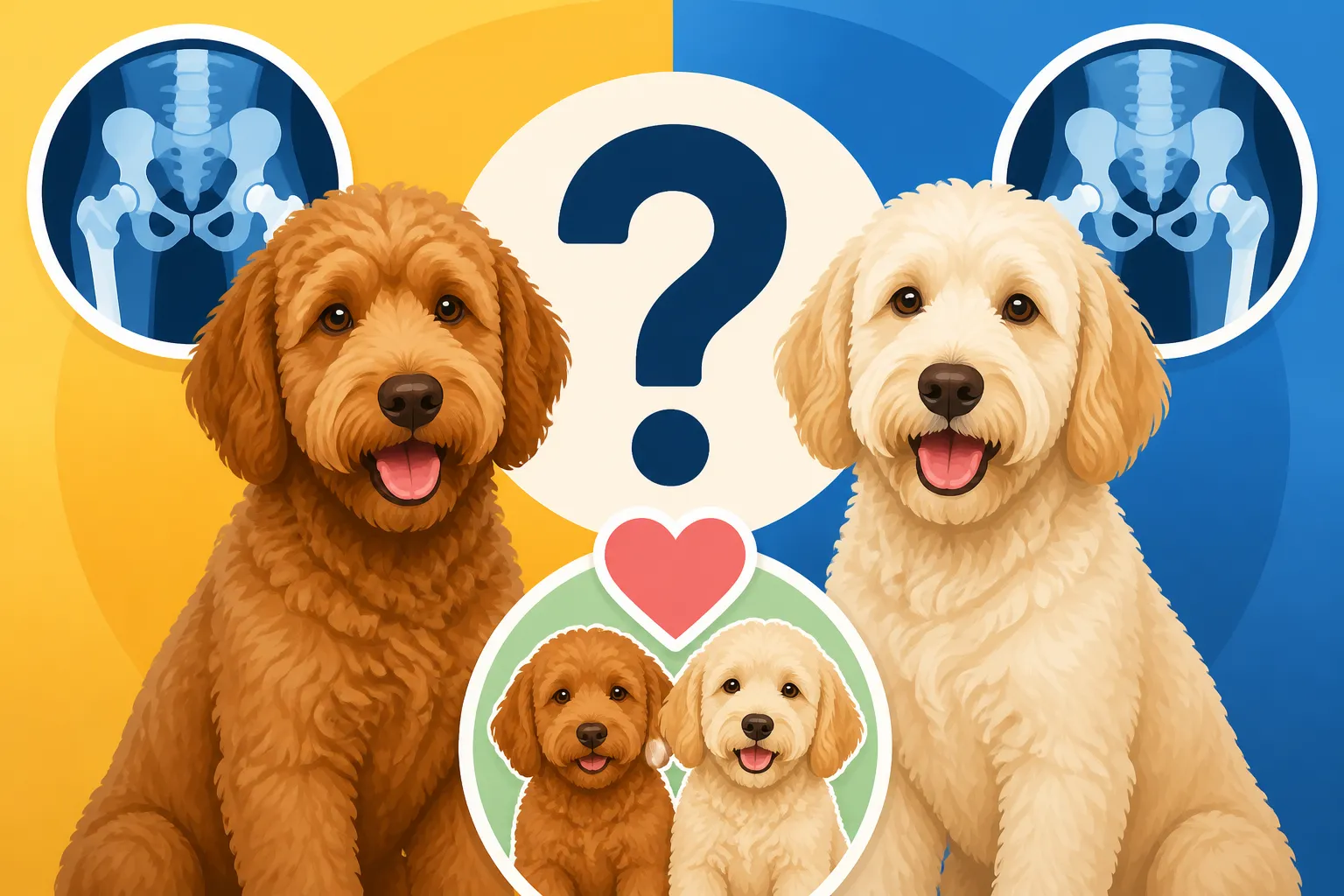
This is where the rubber meets the road. It's not enough for just one parent to have good hips. Hip dysplasia is a complex genetic condition, and to truly minimize the risk in puppies, both contributing parents must be thoroughly screened.
The Genetics of Hip Dysplasia: More Than Just One Parent
Unlike some simple genetic diseases that are passed on by a single dominant or recessive gene, hip dysplasia is considered a polygenic condition. This means that multiple genes, not just one, contribute to whether a dog develops the condition, and environmental factors can also play a role. Because it's polygenic, a dog with genetically "good" hips can still carry some of the genes for hip dysplasia, even if they don't express the condition themselves. Similarly, a dog whose hips appear perfectly normal on an X-ray might still be a carrier of problematic genes.
This is precisely why testing both parents is paramount. If only one parent has clear hips, and the other has undiagnosed mild dysplasia or carries a heavy load of the contributing genes, the chances of their offspring developing hip dysplasia increase dramatically. By breeding two dogs with verifiable, excellent or good OFA hip scores, breeders are stacking the genetic deck in favor of healthy hips. It's a matter of probability and responsible risk management. Even if two parents have great OFA scores, there's always a tiny chance that the complex interplay of genes could result in a dysplastic puppy, but the likelihood is profoundly reduced.
Minimizing Risk in Labradoodle Puppies
The primary goal of health testing in breeding is to produce the healthiest puppies possible. When it comes to something as potentially debilitating as hip dysplasia, minimizing risk is not just a preference, but an ethical imperative. If both Labradoodle parents have passing OFA hip clearances, especially scores of Good or Excellent, you're looking at a puppy with the best possible genetic foundation for healthy hips. This doesn't offer a 100% guarantee – genetics are rarely that simple – but it's the closest a breeder can get to assuring future owners of robust joint health.
Beyond the genetic component, choosing puppies from health-tested parents offers immense peace of mind. As a prospective owner, you're investing emotionally and financially in a new family member. Knowing that the breeder has gone to extensive lengths to screen for common inherited diseases, including those affecting the hips and elbows in a sixty pound Labradoodle, can significantly ease anxieties about potential future health struggles and expensive veterinary bills. It’s a testament to a breeder's integrity and commitment to the welfare of their dogs, paving the way for a healthier, happier life for your Labradoodle from day one.
Understanding OFA Scores and What They Mean for Your Labradoodle
When a breeder shows you an OFA certificate, it's more than just a piece of paper; it's a window into the health of your potential puppy's lineage. Deciphering those ratings is key to truly understanding the genetic foundation of your future companion.
Deciphering OFA Ratings
The OFA hip evaluation results range from "Excellent" to "Severe." Each rating signifies a specific level of hip joint conformity and health.
- Excellent: These hips are near perfect. The femoral head fits very deeply into a well-formed acetabulum with minimal joint space. This is the gold standard for breeding.
- Good: The hips are well-formed and congruous, with the femoral head fitting well into the acetabulum. There is adequate joint space. This is a very desirable score for breeding.
- Fair: The hips are congruous, but there might be some minor irregularities or shallow acetabula. While still considered a passing score for breeding, breeders often aim for higher.
- Borderline: These hips have some suspicious features that prevent them from being rated "Fair" but also lack definitive evidence of dysplasia. OFA recommends re-evaluation in 6-8 months, and breeding is generally not advised until a clear passing score is achieved.
- Mild Dysplasia: There is definite evidence of hip dysplasia, with significant subluxation (partial dislocation) of the femoral head and minor degenerative changes. Breeding dogs with this score is highly discouraged.
- Moderate Dysplasia: More pronounced evidence of dysplasia, with significant subluxation, shallow acetabula, and considerable degenerative changes. These dogs should absolutely not be bred.
- Severe Dysplasia: This is the most extreme form, characterized by marked hip laxity, very shallow acetabula, and extensive degenerative changes. Dogs with severe dysplasia often experience significant pain and mobility issues.
Here's a quick summary of the OFA hip grades and what they mean for breeding decisions:
| OFA Hip Grade | Description | Breeding Recommendation |
|---|---|---|
| Excellent | Near perfect, superior hip joint conformation. | Recommended |
| Good | Well-formed, healthy hip joints. | Recommended |
| Fair | Adequate hip joint conformation, minor irregularities present. | Passing, but better scores are preferred |
| Borderline | Suspicious, not clearly dysplastic nor normal. | Re-evaluate, generally not recommended |
| Mild | Definite evidence of hip dysplasia. | Not Recommended |
| Moderate | Significant evidence of hip dysplasia. | Not Recommended |
| Severe | Extreme evidence of hip dysplasia. | Not Recommended |
Beyond Just a "Pass": Aiming for the Best
While "Fair" is technically a passing grade, truly responsible Labradoodle breeders often strive for "Good" or "Excellent" scores in their breeding dogs. This isn't just about meeting a minimum standard; it's about continuously working to improve the genetic health of the breed and to move away from even minor predispositions to hip issues. Breeders who consistently produce puppies from "Excellent" or "Good" rated parents are showing a deep commitment to reducing the incidence of hip dysplasia over generations, demonstrating a proactive approach to genetic health.
Choosing a puppy from parents with higher OFA scores isn't just about peace of mind; it can also potentially translate into real savings down the line. Managing hip dysplasia in a dog can involve significant veterinary costs, from pain management medications and physical therapy to potentially expensive surgeries like total hip replacement. While pet insurance providers like Healthy Paws can certainly help mitigate these financial burdens, starting with a puppy from meticulously screened parents is a proactive step towards a healthier future. It’s an investment in your dog's long-term comfort and your own financial well-being. Knowing what OFA grades mean on a Labradoodle empowers you to make an informed decision and support ethical breeding practices.
The Broader Picture: Other Essential Health Tests for Labradoodles
While OFA hip clearances are critical, a truly comprehensive health-testing program for Labradoodle parents goes far beyond just the hips. Labradoodles, inheriting genes from both Labradors and Poodles, are susceptible to a range of other hereditary conditions that responsible breeders must address.
Beyond Hips: Elbows and Eyes
Just like hips, elbows are another major joint concern, especially in larger breeds. OFA elbow dysplasia screenings are equally important. Elbow dysplasia is a complex condition that can lead to lameness and arthritis, mirroring many of the painful issues seen with hip dysplasia. Ensuring both parents have clear OFA elbow certifications (Grade I, II, or III are dysplastic; Grade 0 is clear) is crucial for preventing future elbow problems in their offspring. This is especially important for protecting a developing puppy from elbow lameness in a six month old Labradoodle.
Eye health is also paramount. Labradoodles are susceptible to various inherited eye diseases from both parent breeds. The most significant of these is Progressive Retinal Atrophy (PRA), particularly the prcd-PRA form, which can lead to blindness. Responsible breeders will conduct DNA tests for this specific condition, as well as regular eye examinations by a board-certified veterinary ophthalmologist (known as a CAER/CERF exam). This ensures that the eyes are clear of other conditions like cataracts, distichiasis, or retinal folds. You can delve deeper into the specifics by reading about the prcd-PRA Test Both Labradoodle Parents Need, which is an absolute must-have clearance.
Genetic Tests for Specific Labradoodle Concerns
Beyond orthopedic and eye issues, several other specific genetic conditions commonly affect Labradors and Poodles, and thus Labradoodles. Responsible breeders utilize DNA testing to identify carriers or affected dogs for these conditions, preventing them from passing on preventable diseases.
One such condition is Exercise Induced Collapse (EIC). This inherited neuromuscular disorder, primarily seen in Labradors, causes affected dogs to experience weakness, uncoordinated gait, and eventual collapse after intense exercise. It’s a terrifying experience for owners and dangerous for the dog. DNA testing for the DNM1 gene mutation can identify carriers, allowing breeders to make informed pairing decisions to avoid producing affected puppies. Learning about Exercise Induced Collapse and the Labradoodle's Labrador Half can shed more light on this important test. Similarly, Von Willebrand's Disease (vWD), a bleeding disorder, is prevalent in some Poodle lines. A simple DNA test can identify affected and carrier dogs, preventing severe bleeding complications during surgery or injury in their offspring. Knowing about Von Willebrand's Bleeding in a Labradoodle is essential for a breeder to prevent this potentially life-threatening condition.
When seeking a puppy, asking about all of these tests, not just hips, is vital. A reputable breeder should be transparent and provide documentation for all relevant health screenings. While proactive health testing significantly reduces risks, unexpected health issues can still arise. That's where a comprehensive pet insurance plan, like those offered by Healthy Paws, can be an invaluable safety net. However, the best defense is always a good offense, meaning choosing a puppy from parents who have been rigorously health-tested for all known breed-specific concerns.
Finding a Responsible Labradoodle Breeder
Choosing a Labradoodle puppy is a big decision, and finding the right breeder is arguably the most crucial step. A responsible breeder is your partner in ensuring you bring home a healthy, well-socialized companion, and their approach to health testing is a significant indicator of their integrity.
What to Ask and Look For
When you contact a breeder, don't hesitate to ask detailed questions about their health testing protocols. A good breeder will welcome your questions and be eager to provide proof of their dogs' clearances. Specifically, you should ask to see OFA certificates for both the dam (mother) and sire (father) of the litter. Don't just take their word for it; ask for the registered names or OFA numbers of the parent dogs so you can verify the results directly on the OFA public database. This level of transparency is non-negotiable. It’s important to understand that good breeders go through the trouble of getting these certifications for a reason: they care deeply about the future health of their puppies.
Beyond hip and elbow clearances, inquire about eye certifications (CAER/CERF), DNA tests for prcd-PRA, EIC, and vWD. They should also be able to discuss the general health history of their breeding lines, including any incidences of Addison's Disease a Labradoodle inherits from the Poodle or other common Labradoodle health issues. A responsible breeder will also invite you to meet the parent dogs, or at least the mother, in person, allowing you to observe their temperament and living conditions. This provides a holistic view of the care and commitment they put into their breeding program. For a deeper dive into what to expect, check out The Health Tests a Labradoodle Breeder Should Show.
Red Flags to Watch Out For
Unfortunately, not all breeders operate with the same high standards. Being aware of red flags can protect you from making a heartbreaking and costly mistake. Be very wary of breeders who:
- Claim their dogs are "clear by parentage" for all conditions without providing actual documentation for the parents themselves. While "clear by parentage" can apply to a puppy if both parents are cleared by DNA test for a recessive gene, it doesn't apply to complex conditions like hip dysplasia.
- Are reluctant or refuse to show you health certificates or allow you to verify them.
- Offer puppies at suspiciously low prices, as proper health testing and care are expensive, and these savings often come at the cost of the puppies' well-being.
- Are unable to articulate their breeding goals, health testing philosophy, or why they chose a particular pairing.
- Have multiple litters simultaneously with many different breeds, as this often indicates a puppy mill or broker rather than a dedicated breeder.
- Do not screen for any health conditions beyond the absolute bare minimum, or worse, none at all.
Remember, investing in a puppy from health-tested parents is an investment in a potentially healthier, longer life for your dog and fewer veterinary bills for you. While pet insurance, such as from Healthy Paws, is a wonderful resource for unexpected illnesses and accidents, it’s always best to mitigate known risks through responsible breeding practices. After all, whether health tested parents add years to a Labradoodle is a very real consideration for their lifespan.
Living with a Labradoodle and Supporting Their Joint Health
Even with impeccable breeding and clear OFA hips, a Labradoodle's joint health throughout their life is also influenced by how they are raised and cared for. You play a significant role in supporting their skeletal system.
Early Care and Preventative Measures
Proper care from puppyhood is paramount for joint development. For a growing Labradoodle, this means controlled exercise. While it's tempting to let a bouncy puppy run wild, excessive or high-impact exercise (like jumping off high surfaces, repetitive fetching on hard ground, or long, forced runs) can stress developing joints before they are fully mature, even if they have genetically sound hips. Follow the "five-minute rule" for walks: no more than five minutes of structured exercise per month of age, up to twice a day, until they're fully grown. This allows their bones and joints to develop properly without undue strain. You can learn more about The Exercise Limit for a Growing Labradoodle to ensure you're providing appropriate activity levels.
Nutrition also plays a critical role. Feed a high-quality, large-breed puppy food designed for slow growth, which helps prevent rapid growth spurts that can exacerbate joint issues. Maintaining a healthy weight throughout your Labradoodle's life is perhaps one of the most impactful preventative measures you can take. Every extra pound puts additional stress on their joints, accelerating wear and tear and potentially worsening any underlying predispositions to arthritis. Regularly assess your dog's body condition and adjust food intake and exercise accordingly. As they age, you might consider veterinarian-recommended joint supplements containing glucosamine and chondroitin, though always discuss this with your vet first.
Recognizing Signs of Hip Issues and Seeking Vet Care
Even with the best breeding and care, accidents and unexpected health challenges can occur. It's crucial for Labradoodle owners to be vigilant and recognize the subtle signs of potential hip issues. Watch for changes in your dog's gait, such as a bunny hop (using both hind legs simultaneously when running), stiffness after resting, reluctance to climb stairs or jump, limping, decreased activity levels, or a noticeable change in muscle mass in their hindquarters. Some dogs may also show pain when touched around their hips or become less tolerant of interaction.
If you notice any of these signs, don't delay in seeking veterinary attention. Early diagnosis and intervention can significantly improve your dog's quality of life and potentially slow the progression of arthritis. Your vet may recommend X-rays to assess the hip joints and confirm a diagnosis. Treatment options can range from pain management medications and anti-inflammatory drugs to physical therapy, hydrotherapy, and in more severe cases, surgical interventions like femoral head ostectomy (FHO) or total hip replacement. Managing conditions like arthritis in a Labradoodle at ten years old can be an ongoing process. Having a good pet insurance plan from a provider like Healthy Paws can be incredibly helpful in covering the costs associated with chronic conditions and potential surgeries, easing the financial burden and allowing you to focus on providing the best care for your beloved companion.
Disclaimer
This article is for general informational purposes only and does not constitute professional advice. Laws, prices and regulations vary by location and change over time. Consult a qualified professional for guidance on your specific situation.