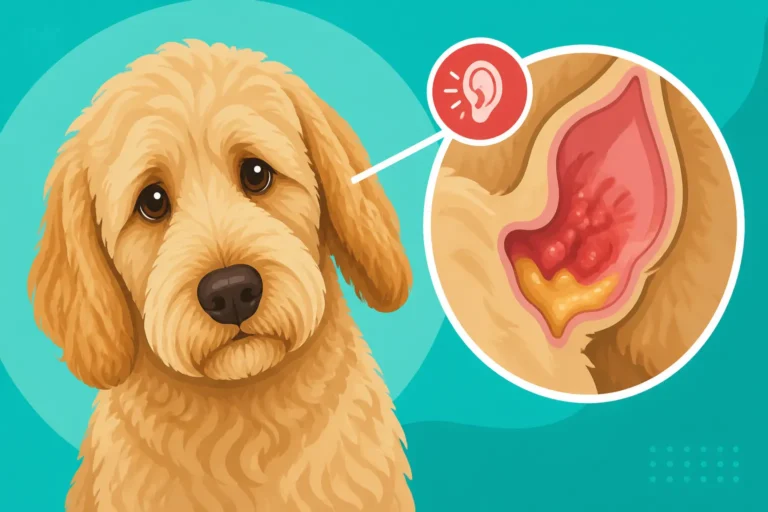
Whether an FHO Suits a Miniature Labradoodle
Finding out your beloved miniature Labradoodle is struggling with hip pain can be truly heartbreaking and overwhelming. You just want your furry family member to be comfortable and happy, but the thought of complex surgery often brings a wave of worry about the procedure itself, the recovery, and whether it's truly the best path for a smaller dog. This comprehensive guide is here to walk you through everything you need to know about Femoral Head Ostectomy (FHO) surgery and whether it's a suitable and effective option for your miniature Labradoodle.
Understanding Hip Issues in Miniature Labradoodles
It's a common misconception that smaller dogs are immune to the significant joint issues that plague larger breeds. While conditions like hip dysplasia are often associated with bigger dogs, miniature Labradoodles, despite their more compact size, can absolutely face debilitating hip problems. Their unique genetic blend from the Labrador Retriever and Poodle lines means they can inherit predispositions from either side, and smaller breeds also have their own set of joint challenges.
Common Causes of Hip Pain in Smaller Doodles
Hip dysplasia, a malformation of the hip joint where the ball and socket don't fit together properly, isn't just for the big guys. While often less severe in smaller dogs due to less weight bearing, it can still cause pain, limping, and degenerative joint disease over time. A miniature Labradoodle's Poodle lineage, in particular, can sometimes carry this predisposition. Another condition, Legg-Calvé-Perthes disease (LCPD), is actually more prevalent in small and toy breeds. This disease involves the spontaneous degeneration of the femoral head (the ball part of the hip joint), leading to collapse and severe pain. The lack of blood supply causes the bone to die, and the joint deteriorates, making every movement excruciating.
Beyond these, traumatic injuries or even just general wear and tear can lead to chronic hip discomfort. It's truly tough to see your energetic little companion suddenly reluctant to play, jump, or even just stand up without a noticeable limp. Understanding the specific cause of your miniature Labradoodle's hip pain is the first crucial step toward finding the right solution. You can learn more about general hip health in larger doodles by checking out our guide on Hips and Elbows in a Sixty Pound Labradoodle, which highlights many shared concerns. It's also worth noting that other joint issues, like Slipping Kneecaps in a Miniature Labradoodle, can sometimes present with similar limping, making an accurate diagnosis essential.
Diagnosing Hip Problems in Your Miniature Labradoodle
The journey to diagnosis usually begins with a thorough physical examination by your veterinarian. They'll manipulate your dog's hips, looking for signs of pain, stiffness, and reduced range of motion. If they suspect a deeper issue, X-rays will be the next step. These images allow the vet to visualize the hip joint, assess the severity of dysplasia if present, or identify the characteristic changes of Legg-Calvé-Perthes disease. Sometimes, more advanced imaging like CT scans might be recommended for a clearer picture.
It’s incredibly important to catch these issues early. Many owners notice their miniature Labradoodle starting to favor a leg, having difficulty climbing stairs, or showing a decrease in their usual playful energy. These subtle changes, often dismissed as just "getting older" or a minor sprain, can be early indicators of significant hip trouble. Being proactive and seeking veterinary advice at the first sign of discomfort can make a world of difference in your dog's long-term comfort and mobility. Don't hesitate to investigate any Signs a Young Labradoodle's Hips Are Failing. Responsible breeders will always prioritize these health screenings, and it's always a good idea to know Whether Both Labradoodle Parents Need OFA Hips clearances.
What is a Femoral Head Ostectomy FHO Surgery?
Once a hip problem is confirmed and conservative management (like pain medication, joint supplements, and controlled exercise) isn't providing sufficient relief, surgery often becomes a serious consideration. For many smaller breeds, including miniature Labradoodles, one of the most common surgical solutions for severe hip pain is a Femoral Head Ostectomy, or FHO. It sounds intimidating, but at its core, it's a procedure designed to remove the source of friction and pain in the hip joint.
The Surgical Procedure Explained
An FHO involves surgically removing the "ball" portion of the hip joint – the head and neck of the femur (thigh bone). This eliminates the painful bone-on-bone rubbing that occurs with conditions like severe hip dysplasia or Legg-Calvé-Perthes disease. Once the femoral head is removed, the body naturally forms a "false joint" or pseudoarthrosis. Scar tissue and muscle develop in the space where the femoral head once was, essentially creating a fibrous cushion. The goal isn't to recreate a perfect anatomical joint, but rather to remove the pain source, allowing the leg to move without the painful grinding.
The surgery itself is performed under general anesthesia. Your veterinary surgeon will make an incision, carefully access the hip joint, and use specialized instruments to remove the femoral head and neck. After the removal, the site is carefully closed. The success of an FHO largely relies on meticulous post-operative care and rehabilitation, which we'll delve into shortly. While no surgery is without risk, FHO is a relatively common and often effective procedure, especially for lighter dogs.
FHO vs. Other Surgical Options
For dogs facing severe hip issues, the primary surgical alternatives to FHO are Total Hip Replacement (THR) and, in some cases, a triple pelvic osteotomy (TPO), though TPO is typically for younger dogs with hip dysplasia and intact joints. Total Hip Replacement involves replacing both the ball and socket of the hip with artificial implants. This procedure aims to restore full, pain-free hip function and is often considered the gold standard for severe hip dysplasia in larger dogs. However, THR is significantly more complex, costly, and requires specialized equipment and expertise, often only available at specialty veterinary hospitals. You can read more about What Total Hip Replacement Runs on a Labradoodle to understand the financial scope.
FHO, on the other hand, is generally less invasive and considerably less expensive than THR. For miniature Labradoodles, FHO is often a highly suitable option because their lighter body weight places less stress on the "false joint" created. They don't need the robust, perfectly aligned joint of a large working dog to achieve comfortable mobility. In fact, many vets will recommend FHO over THR for smaller breeds due to the better cost-benefit ratio and often excellent functional outcomes. The decision between FHO and THR will depend on the dog's size, age, underlying condition, severity, and the owner's financial considerations and commitment to post-operative care.
Is FHO a Good Fit for Miniature Labradoodles?
This is the million-dollar question for many miniature Labradoodle owners facing this challenging diagnosis. The good news is that FHO surgery is generally considered an excellent option for smaller, lighter dogs, and miniature Labradoodles typically fall perfectly into this category. Their size and weight work to their advantage, often leading to more favorable outcomes compared to larger breeds undergoing the same procedure.
Advantages for Smaller Breeds
The primary advantage of FHO for a miniature Labradoodle is directly related to their body weight. When the femoral head is removed, the body relies on muscle and scar tissue to create a functional "false joint." In lighter dogs, there's significantly less gravitational force and impact on this newly formed joint, making it easier for them to build sufficient muscle mass around the hip to support comfortable movement. They don't need to bear as much weight, so the pseudoarthrosis can function effectively, often allowing them to return to a very active and pain-free life.
Furthermore, the recovery period, while still requiring dedication, can sometimes be smoother for smaller dogs. They are easier to physically manage during restricted activity phases, and their rehabilitation exercises can often be performed more safely and with less strain on both the dog and the owner. Many miniature Labradoodles regain excellent mobility and are able to run, jump, and play fetch with renewed vigor after a successful FHO and diligent rehabilitation. This procedure truly can offer a new lease on life for dogs suffering from chronic, debilitating hip pain.
Considerations and Potential Drawbacks
While FHO has many advantages for miniature Labradoodles, it's not without its considerations. The most significant factor for success is the owner's commitment to post-operative physical therapy and rehabilitation. If a dog isn't encouraged to use the operated leg and rebuild muscle mass, they can develop significant muscle atrophy and stiffness, leading to poor function. This means consistent, guided exercise and therapy are absolutely non-negotiable for a good outcome.
Cost is another factor, even if FHO is less expensive than THR. Surgery, anesthesia, pain medications, and follow-up physical therapy sessions can still add up. This is where having pet insurance can be a huge relief. Companies like Healthy Paws often cover a significant portion of unexpected surgical costs, making these crucial decisions less financially stressful. Without insurance, owners might face tough choices, so planning ahead is always wise. Lastly, while rare, complications like infection, nerve damage, or persistent lameness can occur, just like with any surgery. It's vital to have open communication with your veterinary team about all potential risks and benefits.
Life After FHO: Recovery and Management for a Miniature Labradoodle
Undergoing FHO surgery is only one part of the journey; the recovery and rehabilitation phase is arguably just as critical, if not more so, for ensuring a successful outcome for your miniature Labradoodle. This period requires patience, dedication, and a structured approach to help your dog regain full function and comfort.
Immediate Post-Operative Care
The first few weeks after FHO surgery are crucial. Your miniature Labradoodle will come home with pain medication, anti-inflammatories, and possibly antibiotics. Administering these exactly as prescribed is vital for managing discomfort and preventing infection. Activity will be severely restricted initially. This means no jumping, no running, and only short, controlled leash walks for potty breaks. Your vet might recommend cold compresses on the incision site to reduce swelling. It sounds like a lot, but imagine trying to recover from major surgery yourself – gentle handling and a quiet environment are key.
One common frustration for owners of active dogs is keeping them still. Miniature Labradoodles, known for their zest for life, might try to do too much too soon. A comfortable crate or a small, confined space in a quiet room can be invaluable for limiting movement. Gentle passive range of motion exercises, as instructed by your vet or a certified rehabilitation therapist, might begin within a few days to prevent stiffness and promote mobility in the hip.
Rehabilitation and Long-Term Management
The real work begins after the initial healing phase. Physical therapy is paramount for a miniature Labradoodle's successful FHO recovery. This typically involves a progressive exercise program designed to rebuild muscle mass, improve range of motion, and strengthen the new "false joint." This could include specific exercises like gentle leg bicycling, controlled walking on different surfaces, balance exercises, and even hydrotherapy (underwater treadmill or swimming) which allows for low-impact exercise. Consistent rehabilitation often takes several weeks to months, but the effort pays off immensely in your dog's long-term mobility.
Maintaining an ideal weight is also critically important throughout your dog's life, especially after FHO. Every extra pound puts more strain on the recovering joint and can hinder long-term comfort. Keeping a close eye on your Labradoodle's waistline and ensuring they don't gain The Weight a Labradoodle Puts On Without Anyone Noticing is vital. Many owners find that continuing with joint supplements, such as those containing glucosamine and chondroitin, can provide ongoing support for joint health. We have a detailed article discussing Whether Glucosamine Helps a Labradoodle's Joints that you might find helpful. Even as your Labradoodle ages, continuing some form of low-impact exercise and monitoring for signs of discomfort, such as those related to Arthritis in a Labradoodle at Ten, will ensure they remain as comfortable as possible. Regular check-ups and yearly screenings will continue to be a part of their overall health plan.
Here's a general overview of the FHO recovery timeline for a miniature Labradoodle:
| Phase | Approximate Timeframe | Key Activities & Focus | Important Considerations |
|---|---|---|---|
| Immediate Post-Op | Day 1 – Week 2 | Pain management, strict rest, short leash walks for potty, incision care, passive range of motion (as directed) | Keep calm and quiet. Prevent licking incision. Begin gentle massage if approved. Monitor for swelling or discharge. |
| Early Rehabilitation | Week 2 – Week 6 | Gradually increase leash walks, gentle active exercises, hydrotherapy (if available), controlled standing | Focus on weight bearing and muscle engagement. Avoid jumping or uncontrolled play. Consult a certified canine rehab therapist if possible. Healthy Paws can cover rehab! |
| Intermediate Rehab | Week 6 – Month 3 | Increase duration and intensity of exercises, introduce inclines/declines, continued hydrotherapy, introduce gentle play (controlled) | Continue to monitor for discomfort. Build stamina and strength. Focus on symmetry and balance between legs. |
| Long-Term Management | Month 3 onwards (lifelong) | Maintain regular, moderate exercise. Keep ideal weight. Consider joint supplements. Regular vet check-ups. | Listen to your dog's body. Prevent excessive impact. Be proactive with any new signs of lameness. Yearly screenings are still important for The Yearly Screening a Labradoodle Should Get. |
Remember, every dog's recovery is unique, and this timeline is a general guideline. Close communication with your veterinarian and potentially a canine rehabilitation specialist will ensure the best possible outcome for your miniature Labradoodle after FHO surgery. The investment in their recovery is truly an investment in many more years of happy, active life together. Just as you'd plan for any major health event, it's good to consider how pet insurance, like a policy from Healthy Paws, can significantly ease the financial burden of these procedures, offering peace of mind when facing unexpected veterinary bills. This proactive approach can be as important as having an emergency plan for other serious conditions.
Disclaimer
This article is for general informational purposes only and does not constitute professional advice. Laws, prices and regulations vary by location and change over time. Consult a qualified professional for guidance on your specific situation.