Whether an Addisonian Labradoodle Needs an Emergency Plan
Finding out your beloved Labradoodle has Addison's disease is a truly gut-wrenching experience. It throws you into a world of complex medical terms and the constant worry of an "Addisonian crisis." The fear of not knowing what to do when your dog suddenly crashes, or how to react in an emergency, is a heavy burden. This guide is here to walk you through exactly why an emergency plan for your Addisonian Labradoodle isn't just a good idea, but an absolute necessity, and how to create one that gives you peace of mind.
Why an Emergency Plan for Your Addisonian Labradoodle is Non-Negotiable
Living with an Addisonian Labradoodle means being prepared for the unexpected. While daily medication helps manage the condition, a sudden crisis can happen rapidly and without much warning. Having a clear, actionable emergency plan isn't about dwelling on the negative; it's about empowerment, readiness, and ultimately, safeguarding your dog's life.
Understanding Addisonian Crises and Their Severity
Addison's disease, also known as hypoadrenocorticism, is a tricky condition where your Labradoodle's adrenal glands don't produce enough vital hormones, primarily cortisol and aldosterone. When these hormone levels drop too low, especially during stress, illness, or if medication is missed, it can trigger an Addisonian crisis. This isn't just a "bad day" for your dog; it's a life-threatening medical emergency.
The signs of an impending crisis can be vague, mimicking many other conditions. You might notice your Labradoodle becoming unusually lethargic, experiencing vomiting or diarrhea, having a decreased appetite, or showing muscle weakness. These symptoms can escalate quickly, leading to severe dehydration, dangerously low blood pressure, kidney failure, and an irregular heart rhythm. Without immediate veterinary intervention, often involving intravenous fluids and injectable corticosteroids, an Addisonian crisis can be fatal. This is why understanding The Vague Signs of Addison's in a Labradoodle is so important for early detection.
The Rapid Deterioration Risk
One of the most terrifying aspects of an Addisonian crisis is how quickly a seemingly "off" dog can become critically ill. I've heard too many stories from fellow Labradoodle owners who went from noticing a slight dip in energy to rushing their dog to the emergency vet within hours. There's no time for deliberation or trying to remember what the vet told you months ago about emergency protocols. Every minute counts when your dog's body systems are shutting down.
Imagine coming home to find your usually energetic Labradoodle collapsed, unresponsive, or struggling to breathe. In that moment of panic, your mind races. Where's the vet's number? What medication did they say to give? Do I have enough money to cover this? An emergency plan cuts through that panic, providing clear steps and information. It's like having a trained paramedic's checklist right there in your hand, guiding you through a critical situation. This rapid deterioration highlights why preparedness isn't a luxury, but a necessity, especially if you're managing Life on Daily Medication for an Addisonian Labradoodle.
Peace of Mind for You and Your Loved Ones
Let's be honest, living with a dog that has a chronic illness like Addison's can be incredibly stressful. The constant worry, the meticulous medication schedule, the vigilance for subtle symptoms – it takes a toll. A well-constructed emergency plan doesn't just benefit your Labradoodle; it brings an immense amount of peace of mind to you and anyone else who cares for your dog.
Knowing exactly what to do, who to call, and what information to provide can significantly reduce anxiety. It also empowers family members, pet sitters, or even friends who might be looking after your Labradoodle to act confidently and correctly in your absence. You can rest easier knowing that if something happens, your dog's care is in capable hands, following a protocol you've carefully laid out. It’s about creating a safety net, not just for your dog, but for your emotional well-being too.
Crafting a Comprehensive Emergency Plan for Your Labradoodle
Now that we understand the gravity of the situation, let's dive into the practicalities of building an effective emergency plan. This isn't just a scribbled note; it's a detailed, accessible document that covers all your bases, from medical details to financial preparedness.
Essential Information to Compile
The cornerstone of any good emergency plan is readily available, accurate information. Think of it as your dog's medical passport, ready to be presented to any veterinarian, especially one who doesn't know your Labradoodle.
Here's a breakdown of what you need:
-
Your Labradoodle's Full Medical History:
- Diagnosis Date: When was Addison's confirmed?
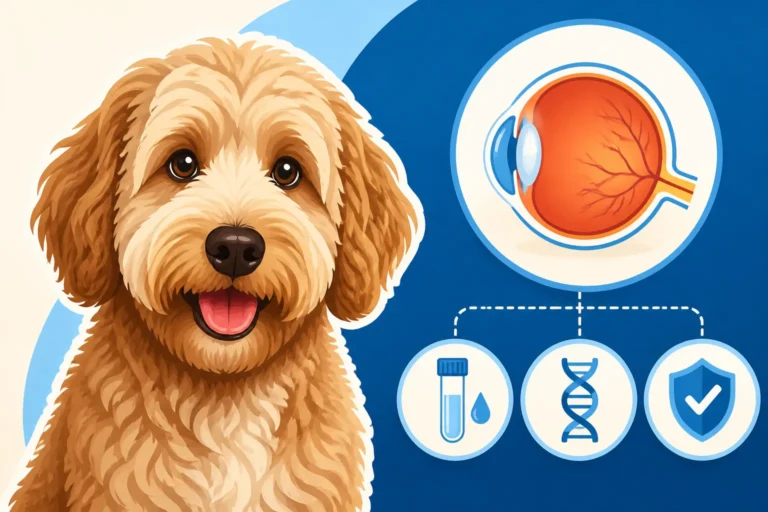
- Diagnostic Tests: Include details of The ACTH Test That Confirms Addison's in a Labradoodle and other bloodwork.
- Current Medications and Doses: List everything, including the exact type of corticosteroid (e.g., prednisone, fludrocortisone acetate) and the schedule. Don't forget any other daily medications or supplements.
- Known Allergies or Sensitivities: Is your dog allergic to any medications?
- Previous Crisis Episodes: Dates, symptoms, treatments received, and outcomes. This helps vets understand patterns.
- Weight: An up-to-date weight is crucial for accurate emergency dosing.
- Microchip Number: Include this for identification.
-
Veterinary Contact Information:
- Your Regular Veterinarian: Name, clinic name, phone number, and address.
- Nearest 24/7 Emergency Veterinary Hospital: Crucially, do your research beforehand. Know their address, phone number, and confirm they are equipped to handle Addisonian crises. Some areas might have multiple options; list the most accessible and reputable ones.
- Specialist (if applicable): If your Labradoodle sees an internal medicine specialist, include their contact details.
-
Owner/Emergency Contact Information:
- Your full name, primary phone number, and an alternative number.
- Names and phone numbers of other family members or trusted friends who can be reached if you're unavailable.
- Pet Sitter/Dog Walker contacts.
-
"Do Not Resuscitate" (DNR) Directives (if applicable): While a difficult conversation, if you have specific wishes regarding life-saving measures, discuss these with your vet and include them clearly in your plan. This helps prevent agonizing decisions in a high-stress situation.
Medication Management and Emergency Dosing
Daily management of Addison's disease involves a precise medication regimen, often including Fludrocortisone (Florinef) and/or Prednisone. But what happens in an emergency? Your plan needs to address this head-on.
- Emergency Steroid Supply: Always, always have an emergency supply of injectable corticosteroid (like dexamethasone or hydrocortisone) on hand, with clear instructions from your vet on when and how to administer it. This is a game-changer for buying critical time. Ensure you understand the proper injection technique and storage. Your vet should prescribe this to you, and it’s something you should refresh your knowledge on regularly.
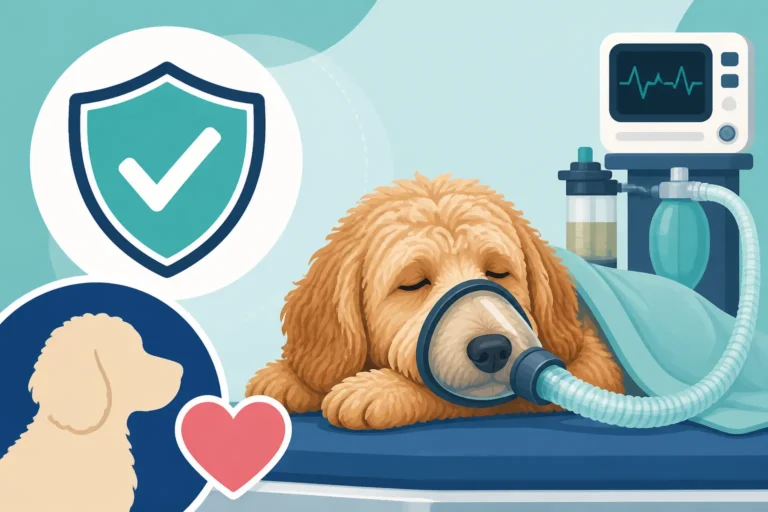
- Increased Oral Steroid Dosing: Your vet might instruct you to temporarily double or triple your Labradoodle's oral prednisone dose if you suspect a crisis is brewing or if your dog experiences significant stress (e.g., surgery, severe injury). This prophylactic measure can sometimes avert a full-blown crisis. Make sure your plan clearly states the specific dosages and situations for this adjustment. This might even be needed if your Labradoodle needs Whether Anesthesia Is Safe for an Addisonian Labradoodle.
- Medication List: Create a printed list of all medications, dosages, and frequency. Keep this with your plan.
- Refill Reminders: Set up automated reminders for medication refills so you never run out. A missed dose of Monthly Fludrocortisone for an Addisonian Labradoodle can have serious consequences.
Financial Preparedness
Emergency vet visits are expensive, and an Addisonian crisis is no exception. Costs for stabilization, IV fluids, emergency medications, and overnight stays can quickly run into thousands of dollars. Thinking about this before an emergency strikes can alleviate a huge amount of stress during a critical time.
- Pet Insurance: This is where pet insurance truly shines. A good policy can cover a significant portion of emergency treatment costs. Look for providers like Healthy Paws that offer comprehensive coverage for accidents and illnesses, especially chronic conditions like Addison's (though pre-existing conditions are usually excluded if diagnosed before coverage). Many owners find that having a robust pet insurance plan from Healthy Paws provides invaluable financial security. It's worth comparing plans and understanding what they cover regarding emergencies and long-term management.
- Emergency Fund: If pet insurance isn't an option or has limitations, start a dedicated emergency fund for your Labradoodle. Even saving a small amount regularly can make a big difference. Many people open a separate savings account just for pet emergencies.
- CareCredit or Similar Financing: Research veterinary financing options like CareCredit. These credit cards are specifically designed for healthcare expenses and can offer deferred interest options if paid off within a certain timeframe. It's a good idea to apply for one before an emergency, so you're not scrambling when time is critical.
- Understand "What an Addisonian Crisis Costs Overnight": Being aware of the potential financial burden helps you prepare. An overnight stay for stabilization can easily be $1,000-$3,000 or more, depending on the severity and location.
Implementing and Maintaining Your Emergency Plan
Creating the plan is just the first step. For it to be truly effective, it needs to be accessible, understood by others, and regularly reviewed. Don't let your carefully crafted plan gather dust!
Educating Your Support Network
You're not always going to be there. Whether it's a family member, a pet sitter, or a friend, anyone who might care for your Labradoodle needs to understand the basics of Addison's disease and your emergency protocol.
- Share the Plan: Give physical copies of your emergency plan to everyone in your dog's care circle. Consider laminating it and posting it prominently on your fridge or in a dedicated "pet emergency" binder. A digital copy should also be accessible via email or cloud storage.
- Walk Them Through It: Don't just hand them the papers. Sit down and explain the critical points:
- What are the subtle signs of trouble?
- What is the emergency injectable steroid and how do they give it?
- Who do they call first?
- Where is the emergency vet located?
- Practice Scenarios: Briefly discussing "what if" scenarios can help them feel more confident. For instance, "If Buster starts vomiting repeatedly and seems weak, give this injection immediately and call the emergency vet while you're on the way."
- Medication Refresher: If you have someone house-sitting, walk them through the daily medication schedule, emphasizing the importance of precise timing and dosage.
Emergency Contact Protocols
When an emergency strikes, clear communication is paramount. Your plan should streamline this process.
- Emergency Kit: Assemble a small "Go Bag" for your Labradoodle. This should include:
- A copy of your emergency plan.
- All current medications, including the emergency injectable steroid.
- Any necessary syringes or needles.
- A small amount of your dog's regular food.
- Favorite blanket/toy for comfort.
- Leash and harness.
- Medical records (or a summary).
- Proof of pet insurance from Healthy Paws, if you have it.
- Veterinary Communication: When you call the emergency vet, clearly state: "I have a Labradoodle with Addison's disease, and I suspect he/she is having an Addisonian crisis. We are on our way." This immediately alerts them to a critical patient and allows them to prepare.
- Post-Crisis Communication: After an emergency, be sure to update your regular vet on everything that happened and the treatment received at the emergency clinic. This ensures continuity of care and helps them monitor your Labradoodle's long-term health, including any adjustments needed after Whether an Addisonian Labradoodle Needs Bloodwork More Often.
Regular Review and Updates
Just like any good plan, your Addisonian emergency strategy isn't a "one and done." It needs to be a living document, reviewed and updated periodically.
- Annual Review: At least once a year, or whenever there's a significant change in your Labradoodle's health, medication, or your living situation, review your plan. This is a great thing to do around your Labradoodle's yearly wellness check, which might also include The Yearly Screening a Labradoodle Should Get.
- Medication Changes: If your vet adjusts your Labradoodle's medication or dosage, immediately update your plan.
- Contact Information: Double-check all phone numbers and addresses periodically. Vets move, change numbers, or emergency clinics might open closer to you.
- Experience-Based Refinements: After any minor scare or actual crisis, reflect on what worked well and what could be improved in your plan. Did you forget a crucial piece of information? Was something unclear? Use these experiences to refine your approach.
Here's a handy table to summarize the key components of your Addisonian emergency kit and information:
| Category | Essential Item | Details/Notes |
|---|---|---|
| Medical Records | Full Medical History | Diagnosis date, current medications, past crises, known allergies |
| Emergency Steroid | Injectable dexamethasone/hydrocortisone, prescribed by vet, with instructions | |
| Daily Medications | At least 3-5 days supply, clearly labeled | |
| Contact Info | Regular Vet | Clinic name, phone, address |
| 24/7 Emergency Vet | Name, phone, address, directions | |
| Owner/Emergency Contacts | Your cell, alternate, trusted family/friends | |
| Pet Essentials | Leash & Harness | Easily accessible, good fit |
| Small Amount of Food/Treats | Familiar brand, for comfort or if stay is prolonged | |
| Comfort Item | Small blanket or toy to reduce stress | |
| Financial Prep | Pet Insurance Card/Info | Policy number, Healthy Paws contact, what's covered |
| CareCredit Card/Account Info | Or details of emergency savings fund | |
| Miscellaneous | Microchip Number | For quick identification |
| Waterproof bag/binder | To keep all documents organized and protected |
Living with an Addisonian Labradoodle requires vigilance and a proactive approach, but it doesn't have to be a constant source of fear. With a well-thought-out, accessible emergency plan, you're not just reacting to potential problems; you're actively preparing for them. This level of preparedness allows you to enjoy the wonderful companionship of your Labradoodle, knowing you've done everything in your power to keep them safe, healthy, and happy for many years to come.
Disclaimer
The information provided in this article is for general informational purposes only and does not constitute veterinary medical advice. Always consult with a qualified veterinarian for any health concerns or before making any decisions related to your Labradoodle's medical care. In case of an emergency, contact your nearest veterinary emergency clinic immediately.