Whether Anesthesia Is Safe for an Addisonian Labradoodle
It’s a situation no Labradoodle parent ever wants to face: your beloved furry friend needs a procedure that requires anesthesia, but they also have Addison’s disease. The thought alone is enough to send shivers down your spine, conjuring up worries about complications and the safety of your precious companion. This guide is here to walk you through everything you need to know, from understanding Addison’s to ensuring the safest possible anesthetic experience for your Labradoodle.
Understanding Addison's Disease in Labradoodles
Addison's disease, or hypoadrenocorticism, is one of those conditions that can feel incredibly daunting as a pet owner. It’s a chronic endocrine disorder that affects the adrenal glands, which are tiny but mighty organs located near your Labradoodle's kidneys. These glands are responsible for producing vital hormones, primarily cortisol and aldosterone, which play crucial roles in regulating stress, metabolism, electrolyte balance, and blood pressure. When these glands aren't producing enough of these hormones, the body struggles to cope, especially under stress.
The Basics of Adrenal Insufficiency
Think of cortisol as your body's natural "stress hormone." When your Labradoodle encounters a stressful situation – whether it’s a sudden loud noise, a trip to the vet, or the physiological stress of surgery – its adrenal glands should ramp up cortisol production to help the body adapt and recover. In an Addisonian dog, this vital response is severely impaired or non-existent. Without that surge of cortisol, their body can’t properly manage blood sugar, blood pressure, or inflammation, leading to a cascade of problems.
Aldosterone is equally important, managing the balance of sodium and potassium in the body. When aldosterone is insufficient, potassium levels can rise dangerously high, affecting heart function, while sodium levels can drop, leading to dehydration and weakness. Both of these imbalances are incredibly dangerous, and they become even more critical when a dog is undergoing the significant physiological stress of anesthesia.
How Addison's Manifests in Labradoodles
One of the trickiest aspects of Addison's disease is its often ambiguous presentation. Owners might notice a gradual decline in their Labradoodle’s energy, intermittent vomiting, diarrhea, lack of appetite, or unexplained weight loss. These are often The Vague Signs of Addison's in a Labradoodle, mimicking many other common ailments, which makes early diagnosis a challenge. Your Labradoodle might seem fine one day and listless the next, making it hard to pinpoint the exact issue.
The disease can strike Labradoodles at any age, though it’s often seen in younger to middle-aged dogs, typically between two and seven years old. For some, the first severe manifestation is an "Addisonian crisis," which is a sudden, life-threatening collapse where the dog experiences severe shock, weakness, vomiting, and diarrhea. This is often triggered by a stressful event, like being boarded, a minor injury, or even a routine vaccination.
Diagnosing Addison's
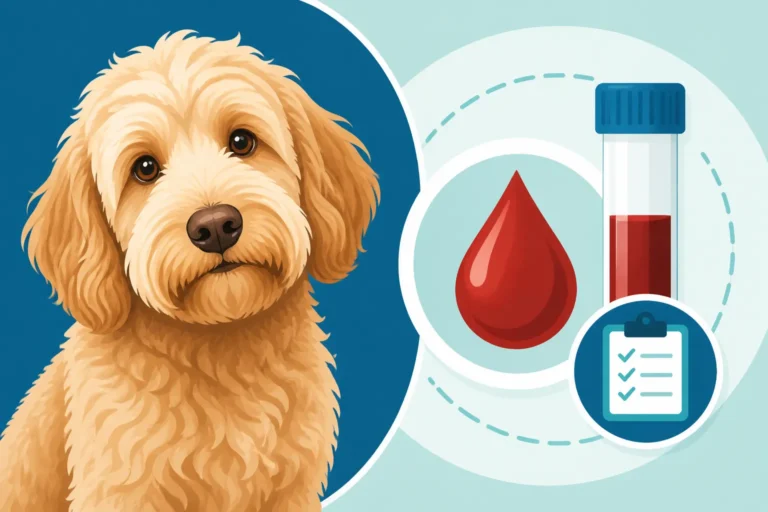
Because the signs are so vague, diagnosing Addison's requires specific tests. If your vet suspects Addison's, they will likely perform a series of blood tests, including an electrolyte panel, which can reveal the characteristic imbalances of high potassium and low sodium. The definitive test, however, is The ACTH Test That Confirms Addison's in a Labradoodle, also known as an ACTH (adrenocorticotropic hormone) stimulation test.
This test involves taking a baseline blood sample, administering a synthetic ACTH hormone, and then taking another blood sample an hour or two later. A healthy dog's cortisol levels will significantly increase after receiving ACTH, while an Addisonian dog's levels will remain low or show no increase. Once diagnosed, managing Addison's usually involves Life on Daily Medication for an Addisonian Labradoodle, often with daily oral corticosteroids and mineralocorticoids to replace the hormones their body can't produce.
The Risks of Anesthesia for Addisonian Labradoodles
Anesthesia is a big deal for any dog, but for a Labradoodle living with Addison's disease, it introduces a unique set of challenges and heightened risks. The very nature of the disease directly impacts how their body responds to the stress of a surgical procedure and the medications used. Understanding these risks isn't about fear-mongering; it's about empowering you to work closely with your veterinary team to ensure the safest possible outcome.
Why Anesthesia Is Different for These Dogs
Imagine a healthy dog going into surgery. Their body's natural stress response kicks in, releasing cortisol to manage blood pressure, glucose levels, and inflammation. This helps them cope with the trauma of surgery and the effects of anesthetic drugs. Now, picture your Addisonian Labradoodle, whose body cannot produce this essential stress hormone. Without supplemental steroids, their system is essentially flying blind, unable to mount an appropriate defense.
This lack of cortisol means they are far more susceptible to dangerously low blood pressure (hypotension) during anesthesia, which can impair blood flow to vital organs like the kidneys and brain. Their ability to regulate blood sugar can also be compromised, leading to hypoglycemia. Furthermore, the electrolyte imbalances often seen in Addison's can predispose them to cardiac arrhythmias, which are incredibly serious under anesthetic conditions.
Potential Complications
The most significant and terrifying complication for an Addisonian Labradoodle undergoing anesthesia without proper management is an Addisonian crisis. This is a life-threatening state of shock. Symptoms include severe weakness, collapse, vomiting, diarrhea, and profound dehydration. During surgery, this could manifest as a sudden drop in blood pressure, heart rate irregularities, or even cardiac arrest. It's truly an emergency that requires immediate and aggressive intervention.
Even with careful management, there's an increased risk of complications such as kidney injury due to prolonged low blood pressure, or a delayed recovery from anesthesia. Their bodies are simply not as resilient to physiological stressors as a healthy dog's, and every step, from pre-medication to recovery, needs to be meticulously planned and executed. It's why vets take extra precautions, often requesting an Whether an Addisonian Labradoodle Needs an Emergency Plan outlining their specific needs and protocols.
Importance of Pre-Anesthetic Protocols
Given these substantial risks, stringent pre-anesthetic protocols are not just recommended for an Addisonian Labradoodle – they are absolutely critical. This isn't just about drawing blood and administering a sedative; it's a comprehensive strategy designed to stabilize your dog before any anesthetic drugs are given. This preparation ensures their body is as ready as possible to handle the stress.
This often involves ensuring their Addison's medication is well-regulated and potentially adjusting doses or adding extra steroid coverage prior to the procedure. Blood work, including a full electrolyte panel, will be vital to check for any imbalances that need to be corrected. The veterinary team needs to be fully aware of your Labradoodle's Addison's diagnosis and have a detailed plan in place before they even consider inducing anesthesia.
Making Anesthesia Safe for Your Addisonian Labradoodle
When your Labradoodle needs a procedure requiring anesthesia, especially with an Addison's diagnosis, proactive communication and preparation are paramount. It’s not about avoiding anesthesia if it’s necessary, but about making it as safe as humanly possible. This involves a collaborative effort between you and your veterinary team, and understanding the steps they will take can bring immense peace of mind.
Collaborating with Your Vet
The very first step is to ensure your veterinarian is fully informed about your Labradoodle's Addison's diagnosis. Don’t assume they remember every detail from past visits, especially if it’s a practice with multiple vets. Provide them with detailed medical history, including current medications, dosages, and the date of their last Monthly Fludrocortisone for an Addisonian Labradoodle injection or oral dose. Bring copies of recent bloodwork, especially the ACTH stimulation test results and electrolyte panels.
Don’t hesitate to ask questions. A good vet will welcome your concerns and thoroughly explain their anesthetic plan. If you feel your regular vet isn’t fully comfortable managing anesthesia for an Addisonian patient, it’s perfectly acceptable to seek a referral to a specialist or a veterinary hospital with an anesthesiology department. Their expertise can make a huge difference in ensuring a smooth and safe procedure.
Essential Pre-Operative Management
Before any anesthetic drugs are even administered, the focus is on stabilizing your Labradoodle. This typically involves several key steps:
- Steroid Administration: The most crucial step is to give a "stress dose" of corticosteroids, usually an injectable form like dexamethasone or hydrocortisone, right before the procedure. This mimics the natural cortisol response that an Addisonian dog cannot produce. This dose will be carefully calculated based on the type of surgery and your dog's individual needs. Your vet will instruct you on any adjustments to their regular oral steroids leading up to the procedure.
- Intravenous (IV) Fluids: An IV catheter will be placed, and your Labradoodle will receive intravenous fluids. These fluids help maintain hydration, support blood pressure, and correct any electrolyte imbalances. This is particularly vital for Addisonian dogs, who are prone to dehydration and electrolyte derangements.
- Electrolyte Monitoring: Your vet will likely run pre-operative blood tests, including a full electrolyte panel, to check potassium and sodium levels. If imbalances are significant, they will be corrected before anesthesia is induced. During the procedure, continuous monitoring of electrolytes and blood glucose may be performed, especially for longer surgeries.
- Blood Pressure Support: Medications to support blood pressure might be on standby, or even administered proactively, given the Addisonian dog’s predisposition to hypotension.
These proactive measures are what make it possible for Whether an Addisonian Labradoodle Lives Normally and safely undergo necessary procedures.
Anesthetic Agents and Protocols
Selecting the right anesthetic agents is another critical component of keeping your Addisonian Labradoodle safe. Your veterinary team will choose drugs known to have minimal cardiovascular depression and will avoid those that might exacerbate their condition. For example, some sedative or anesthetic drugs can cause a drop in blood pressure, and these might be used at lower doses or avoided altogether in favor of safer alternatives.
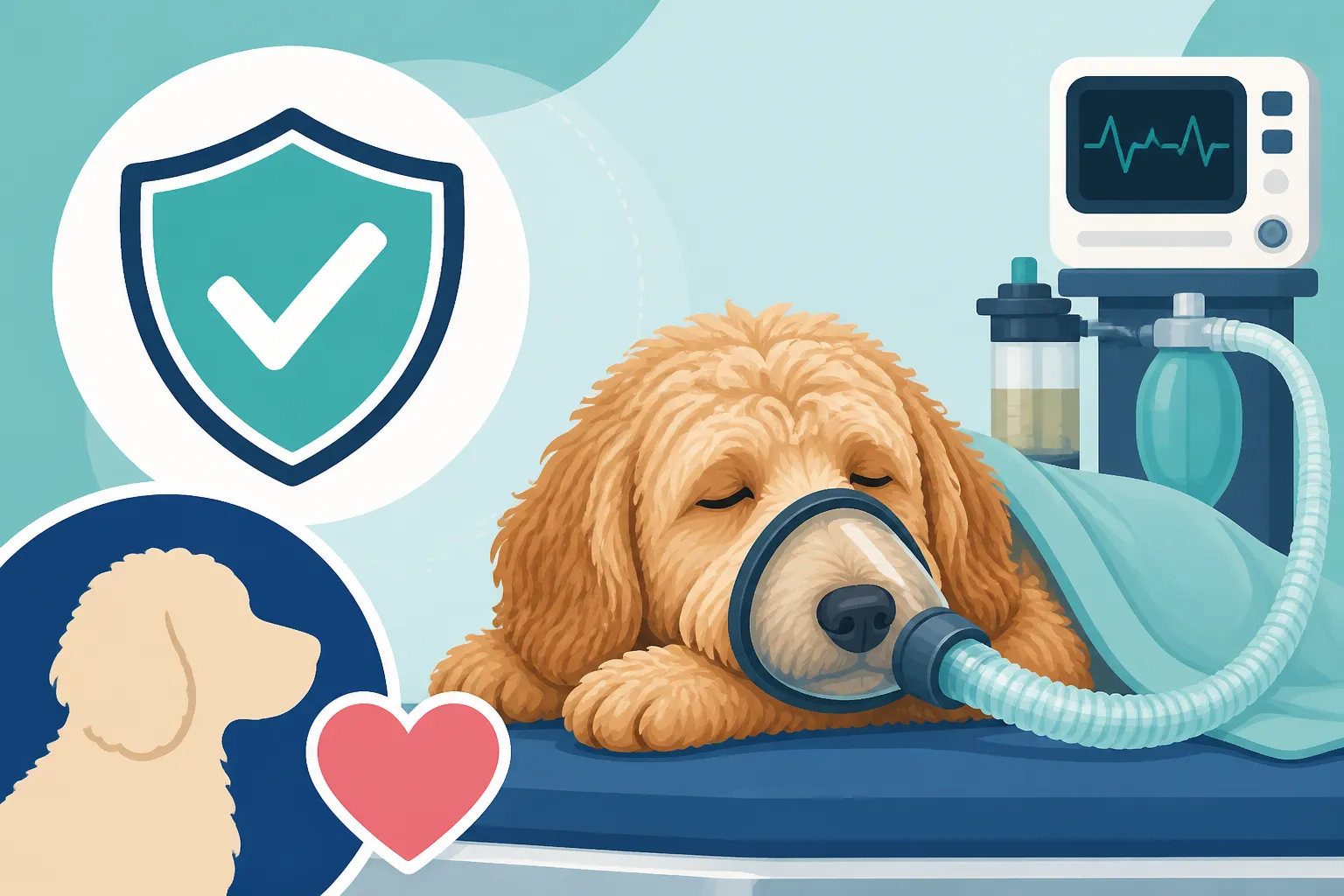
The overall anesthetic protocol will be tailored to your individual Labradoodle, considering their specific health status, the type of procedure, and the duration of anesthesia. Continuous monitoring is non-negotiable. This includes tracking heart rate, respiratory rate, blood pressure, oxygen saturation, temperature, and carbon dioxide levels throughout the entire procedure. A dedicated veterinary technician will be constantly observing these parameters and making adjustments as needed.
Post-Anesthetic Care and Monitoring
The care doesn't stop once the procedure is over. The post-anesthetic period is just as crucial for an Addisonian Labradoodle. They will need to be kept warm, monitored closely for signs of a slow recovery, and continue to receive IV fluids until they are stable and drinking on their own. The veterinary team will watch for any recurrence of Addisonian symptoms, such as weakness, vomiting, or a drop in blood pressure.
Depending on the invasiveness of the surgery and your Labradoodle's individual response, they may need to stay in the hospital for extended post-operative monitoring. Your vet will also give you specific instructions for adjusting their home Addison's medications, likely continuing the stress dose of oral steroids for a few days before tapering back to their regular maintenance dose. This careful transition ensures their body has enough support as they recover from the stress of the procedure.
Planning for the Unexpected: Financial and Emotional Preparation
Beyond the medical protocols, preparing for anesthesia in an Addisonian Labradoodle also involves emotional and financial planning. These are often the unspoken stressors that weigh heavily on pet parents, and addressing them upfront can help you navigate the process with greater confidence.
The Cost of Specialized Care
Let's be real: specialized veterinary care, particularly for a chronic condition like Addison's and for complex procedures, can be expensive. The extra blood work, the specialized anesthetic drugs, the extended monitoring, and potentially longer hospital stays all add up. While the initial diagnosis and ACTH test can be a significant expense, ongoing management is also a factor. For example, What an ACTH Stimulation Test Costs a Labradoodle Owner can vary widely, but it's just one piece of the puzzle.
It’s not just the cost of the procedure itself; there’s always the possibility of complications, which can lead to further diagnostic tests, medications, or even emergency overnight care. Having an open conversation with your vet about estimated costs beforehand can help you prepare. Don't be afraid to ask for a detailed breakdown of expenses.
The Role of Pet Insurance
This is where pet insurance can truly be a lifesaver. While most policies won't cover pre-existing conditions like Addison's itself once diagnosed, they can help with unexpected illnesses, injuries, or even future surgeries unrelated to the Addison's, or complications that arise. If your Labradoodle was enrolled in pet insurance before their Addison's diagnosis, it's possible that costs associated with managing the condition, including specialized anesthetic protocols for related procedures, might be covered.
Companies like Healthy Paws offer comprehensive plans that can provide reimbursement for vet bills, allowing you to focus on your Labradoodle's recovery rather than the financial strain. Many pet parents find that having a policy from Healthy Paws gives them peace of mind, knowing that if an unforeseen health issue arises, they won't have to make difficult decisions based solely on cost. It’s always worth checking with your specific provider about what's covered for procedures involving chronic conditions.
Here’s a quick overview of key steps to prepare your Addisonian Labradoodle for anesthesia:
| Step | Description | Why It's Crucial for Addisonian Dogs |
|---|---|---|
| Full Vet Communication | Provide complete medical history, current meds, and recent test results. | Ensures vet knows full extent of Addison's and plans accordingly. |
| Pre-operative Blood Work | Includes CBC, chemistry panel, and especially electrolyte levels. | Identifies imbalances (high K, low Na) that can affect heart function. |
| Steroid "Stress Dose" | Administer injectable corticosteroids (e.g., dexamethasone) before procedure. | Mimics natural cortisol response, preventing Addisonian crisis. |
| Intravenous (IV) Fluids | Administer fluids before, during, and after anesthesia. | Maintains hydration, supports blood pressure, corrects electrolyte issues. |
| Careful Anesthetic Drug Selection | Vet chooses drugs with minimal cardiovascular impact. | Reduces risk of hypotension and cardiac complications. |
| Continuous Monitoring | Heart rate, BP, oxygen saturation, temperature monitored throughout. | Allows immediate intervention if vital signs falter. |
| Extended Post-Op Care | Close observation, continued fluids, and gradual steroid tapering. | Ensures stable recovery and prevents post-anesthetic crisis. |
Disclaimer
The information provided in this article is intended for general knowledge and informational purposes only, and does not constitute medical advice. Always consult with a qualified veterinarian or veterinary specialist for any health concerns or before making any decisions about your pet's medical care. Every animal is unique, and a professional veterinary assessment is essential for proper diagnosis and treatment.