Whether a Tight Matted Labradoodle Has Any Other Option
Finding your beloved Labradoodle tangled in a knot of tight, painful mats is a heartbreaking and often overwhelming situation. It's a common struggle for many doodle owners, and when the brush just isn't cutting it, you might feel lost about what to do next. This guide will walk you through the realistic options available when your Labradoodle's coat has gone beyond simple tangles, helping you understand the best path forward for their comfort and health.
Understanding the Problem: The Reality of Severe Matting
It's easy to feel guilty when your Labradoodle's coat gets matted. Perhaps life got busy, or you underestimated how quickly those beautiful curls could turn into a felted mess. But let's be realistic: Labradoodle coats, especially the wool or fleece types, are designed to mat. They're dense, often curly or wavy, and they trap loose hair, which then weaves itself into the surrounding coat. When left unchecked, these tangles tighten and form hard, dense clumps that pull on the skin and become incredibly painful.
What Exactly Is Severe Matting?
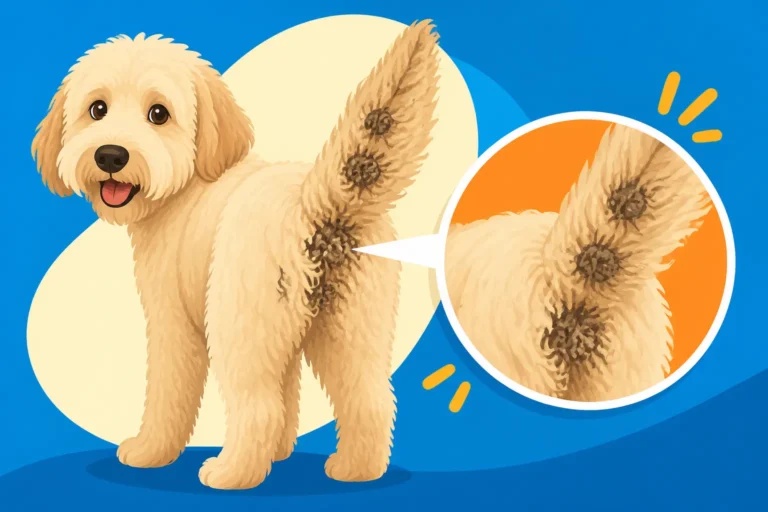
Severe matting isn't just a few knots behind the ears or under the legs, though those are often the starting points. Severe matting is when the coat forms a solid, impenetrable layer against the skin, often covering large portions of the body. Imagine wearing a heavy, tight sweater that's constantly shrinking, pulling at your skin with every movement. That's what severe matting feels like for your dog. It prevents air from reaching the skin, creating a perfect breeding ground for bacteria and yeast, leading to skin infections. It can restrict blood flow and even cause hematomas from the constant pulling. Sometimes, owners don't even realize how bad it is until they try to get a comb through it and find a solid wall of felt. This is particularly true if the mats are hidden under a fluffier top layer or if the dog is sensitive about being touched in those areas.
You might notice your dog seems less active, reluctant to jump or stretch, or is constantly trying to scratch or chew at certain spots. These are all signs that the matting is causing significant discomfort. What might look like a mere cosmetic issue from the outside is, in fact, a serious health and welfare concern for your companion. It's not a reflection of your love for your dog, but rather a testament to the unique challenges these wonderful coats present.
Why It Happens So Easily in Labradoodles
The Labradoodle's diverse coat types – from the straighter "hair" coat to the wavy "fleece" and the curly "wool" – all have one thing in common: they are prone to matting. Unlike shedding breeds where loose hair falls out, Labradoodles retain their dead undercoat, which then intertwines with the live hair. This creates a kind of Velcro effect. Factors like humidity, swimming, playing in rough foliage, or simply the natural The Coat Change That Hits a Labradoodle at Nine Months can accelerate matting. During the coat change, often between 8 and 14 months, the softer puppy coat sheds out while the denser adult coat grows in, creating a perfect storm for matting if not diligently brushed.
The texture of the fleece and wool coats, in particular, acts like a magnet for tangles. A quick run through tall grass, a playful roll in the dirt, or even just sleeping can contribute to knots forming. Add to that the common areas for matting, such as behind the ears, in the armpits, on the insides of the legs, and around the tail and sanitary areas, and you can see how quickly the problem can escalate. These are high-friction areas or places where the coat is often finer and more susceptible to knotting. Owners often focus on the visible parts of the coat and miss these hidden trouble spots, only discovering the extent of the problem when it's already severe. Understanding these unique characteristics of The Three Labradoodle Coats: Hair, Fleece and Wool is the first step in preventing future issues.
The Immediate Options: When Brushing Is No Longer an Option
When you're faced with a Labradoodle whose coat is severely matted, the idea of brushing it out might seem like the only way to save their beautiful fluff. However, it's crucial to understand that attempting to brush out tight, felted mats is not only often futile but also incredibly painful and potentially harmful to your dog.
Why Attempting to Brush Out Severe Mats Is Harmful
Imagine pulling your own hair, strand by strand, for hours. That's what brushing out severe mats feels like for your dog, only worse, because the mats are pulling on large areas of their skin, which is often already inflamed or irritated underneath. The skin is delicate, and pulling on the mats can cause bruising, tearing, and severe pain. Your dog might lash out due to the discomfort, making the situation dangerous for both of you. Many well-meaning owners, trying to be diligent, spend hours attempting to detangle these tough mats with combs and brushes, often only succeeding in causing immense distress to their pet and further irritating the skin without making any real progress.
Professional groomers are trained to assess the severity of matting and will almost always advise against painful de-matting. The philosophy of "humanity over vanity" guides their decisions. It's simply not worth putting a dog through hours of agony for the sake of preserving a matted coat. When mats are tight against the skin, they cannot be brushed out without causing significant pain and potential injury. This is a critical distinction, as many owners mistakenly believe a good groomer can "work miracles" to save a severely matted coat. In reality, a good groomer will prioritize your dog's well-being above all else, even if it means a drastic change in appearance.
The Only Humane Approach: Shaving
When matting is severe, the only truly humane and effective solution is a complete shave-down. This means clipping the coat very short, often right down to the skin, underneath the mats. It might sound drastic, and it will certainly change your Labradoodle's appearance dramatically, but it is the fastest, least painful, and safest way to free them from the constant pain and health risks associated with severe matting.
A professional groomer will use specialized clippers and blades designed for this purpose. They will work carefully, but efficiently, to slide the clippers under the mats and remove them. This process can be challenging, as the clippers might get caught, and the skin underneath can be fragile, thin, or even bruised or cut from the mats. This is why it's vital to seek out an experienced professional, as trying to do this at home with standard clippers can easily lead to accidental cuts and further stress. While the sight of your shaved Labradoodle might be shocking at first, the immediate relief your dog experiences will be palpable. They'll be able to move freely, without constant pulling, and their skin can finally breathe and heal. This is truly giving them a fresh start.
The Role of a Veterinarian vs. a Groomer in Severe Cases
For extremely severe cases of matting, or if there are noticeable skin issues underneath (like open sores, infections, or excessive redness), a trip to the vet should precede the groomer. Your veterinarian can assess the skin condition, prescribe antibiotics for infections, or provide pain relief if needed. In some instances, especially with very anxious dogs or those in extreme pain, the vet might recommend sedation to ensure the shave-down can be performed safely and without causing further trauma.
A groomer, even a highly skilled one, is not equipped to handle medical conditions. Their job is to remove the hair, not to diagnose or treat skin disease. If your dog has deep infections or open wounds hidden beneath the mats, addressing these medically first is paramount. The groomer can then safely proceed with the shave, knowing that any underlying issues are being managed. Open communication between you, your vet, and your groomer is key to ensuring the best outcome for your matted Labradoodle. Whether a groomer refuses a matted Labradoodle often hinges on whether the matting is so severe it requires medical intervention first.
Preparing for the "Shave Down": What to Expect
Embracing the necessity of a shave-down for your matted Labradoodle can be tough, but knowing what to expect can help ease the process for both you and your furry friend. It's a temporary cosmetic change for a long-term gain in comfort and health.
The Appearance After Shaving
Let's be honest: your Labradoodle will look very different after a full shave-down. Their beautiful, fluffy coat will be gone, replaced by very short, close-cropped hair, sometimes revealing a much leaner physique than you expected. You might even discover areas of discoloration on their skin due to hidden infections or irritation. It's important to prepare yourself for this visual change and to remember that it's all for their well-being. The fur will grow back, and with proper care, it will grow back healthier.
You might find your dog acts a little differently too, at first. They might feel the cold more easily or seem a bit confused by their new, light body. A soft sweater or a cozy blanket can help them adjust to the change in temperature. Remember to praise them, give them extra cuddles, and reassure them. Their confidence might take a little hit if they're used to a flowing coat, but your positive reinforcement will make all the difference. This bald new look is the necessary reset button for their comfort and health.
Aftercare for Sensitive Skin
Once those mats are gone, the underlying skin will likely be sensitive, red, and possibly irritated. Your groomer might even uncover minor nicks or cuts that occurred during the shaving process, as it's often impossible to avoid them when clipping through such tight mats. This is where diligent aftercare comes in.
- Soothing Baths: Your groomer might recommend a gentle, hypoallergenic shampoo designed for sensitive skin, perhaps from brands available on Chewy, followed by a soothing conditioner. Be sure to use lukewarm water and avoid scrubbing; instead, gently lather and rinse thoroughly. Pat your dog dry gently with a soft towel rather than rubbing vigorously. Remember, Washing a Labradoodle Without Wrecking the Coat is about gentle, thorough care.
- Moisturizers and Sprays: A light, vet-approved skin moisturizer or soothing spray can help alleviate dryness and itchiness. Always check with your vet or groomer for product recommendations.
- Monitor for Infection: Keep a close eye on their skin for any signs of worsening redness, swelling, discharge, or foul odor. These could indicate a brewing infection and warrant a vet visit.
- Protection from Elements: Their skin will be much more exposed to the sun and cold. If spending time outdoors, consider a light doggie shirt to protect against sunburn in warmer weather or provide warmth in cooler temperatures.
The goal is to allow the skin to heal and recover, creating a healthy foundation for the new coat growth.
Preventing Future Matting: A New Beginning
This shave-down isn't just a solution to an immediate problem; it's an opportunity for a fresh start and a renewed commitment to coat care. Preventing future matting is crucial and requires consistent effort.
- Establish a Routine: Regular brushing is non-negotiable for a Labradoodle. For fleece and wool coats, this often means daily or every other day brushing sessions. For hair coats, it might be 2-3 times a week. Consistency is far more important than intensity. Even if you only brush for 10-15 minutes, doing it regularly prevents small tangles from becoming big mats.
- Learn Line Brushing: This technique is essential for Labradoodle owners. Instead of just brushing the top layer, line brushing involves parting the coat and brushing from the skin outwards, layer by layer, to ensure you get all the way through to the base of the hair. You can find many tutorials online, or ask your groomer to demonstrate. It’s the key to Brushing a Labradoodle to the Skin, Not the Surface.
- Use the Right Tools: Invest in a good quality slicker brush, a metal comb with both wide and fine teeth, and potentially a detangling spray. For particularly dense coats, a rake can be helpful. Products available on Amazon can offer a wide selection, allowing you to choose tools suitable for your dog's specific coat type.
- Regular Professional Grooming: Schedule professional grooms every 6-8 weeks. Your groomer can keep the coat trimmed to a manageable length and tackle any tricky areas that you might miss. Discuss your lifestyle with them; if your dog loves to swim or play outdoors, a slightly shorter cut might be more practical.
- Address Problem Areas: Pay extra attention to common matting spots like behind the ears, armpits, and under the tail. Mats Behind a Labradoodle's Ears can form incredibly quickly and are often missed.
- Diet and Coat Health: While not a direct solution to matting, a balanced diet rich in essential fatty acids can contribute to overall skin and coat health, making the hair stronger and potentially less prone to breakage and matting. Some owners explore fresh food options like those from Ollie, or supplements to support coat quality, often purchased from Chewy.
By adopting a proactive and consistent grooming routine, you can ensure your Labradoodle enjoys a comfortable, matt-free life. It's a commitment, but one that deeply enhances your dog's well-being.
Long-Term Prevention: A Matt-Free Future
Moving forward from a severe matting incident is a clean slate, a chance to implement a diligent care routine that will prevent your Labradoodle from ever experiencing that level of discomfort again. It truly is a partnership between you, your grooming tools, and a consistent schedule.
Essential Grooming Tools and Techniques
The cornerstone of preventing mats is having the right tools and knowing how to use them. It's not about having dozens of brushes, but having the effective ones.
| Tool Type | Purpose | How to Use |
|---|---|---|
| Slicker Brush | Removes tangles, loose hair, and small mats. | Brush in layers from the skin out, following the direction of hair growth. |
| Metal Comb | Detects hidden mats, works through smaller tangles. | Use after slicker brushing to ensure comb slides through easily. |
| Rake Comb | Penetrates dense undercoats to loosen dead hair (carefully). | Best for wool coats; use with light pressure, not pulling. |
| Detangling Spray | Lubricates hair, makes brushing easier and less painful. | Mist lightly before brushing, especially on dry spots. |
| Blunt-nosed Scissors | Safely snip out tiny, superficial mats away from skin. | Only for tiny mats you can clearly see skin under. Extreme caution! |
The technique is just as vital as the tools. As mentioned, Teaching Yourself to Line Brush a Labradoodle is invaluable. Imagine dividing your dog's body into sections. Work on one section at a time, parting the hair horizontally or vertically, and brushing the section from the root to the tip. Always ensure your comb can glide through the brushed section easily. If it catches, there's still a tangle there that the slicker needs to work on. Many owners underestimate How Long Brushing a Labradoodle Takes Each Week, but with practice, it becomes a routine that bonds you with your dog. You can often find high-quality brushes and detangling sprays on Chewy or Amazon.
Maintaining a Consistent Grooming Schedule
Consistency is the single most important factor in keeping a Labradoodle matt-free. Life gets busy, we all know that, but a missed brushing session can quickly snowball into a serious problem with these coats.
For most Labradoodles with fleece or wool coats, aiming for a brushing session every day, or at least every other day, is ideal. Even a quick 10-15 minute session can make a world of difference. This isn't just about preventing mats; it's also a great way to bond with your dog and check their skin for any lumps, bumps, or irritations.
Beyond at-home care, professional grooming appointments are your best friend. Schedule them every 6 to 8 weeks, like clockwork. Your professional groomer has the expertise, equipment, and keen eye to catch any developing mats before they become severe. They can also provide guidance on specific coat challenges your dog might have, and offer tips on how to improve your at-home routine. Don't wait until you see a mat; make it a regular part of your Labradoodle's health and wellness calendar. Think of it as preventative maintenance for their coat.
Environmental Considerations and Lifestyle Adjustments
Your Labradoodle's lifestyle and environment also play a role in matting. If your dog loves to swim, for instance, it's critical to thoroughly dry their coat, especially the dense underlayers, after every dip. Wet hair mats much faster than dry hair. Similarly, if they spend a lot of time playing in brush or tall grass, quick inspections and brushing after outdoor adventures are a must.
Consider the fit of their collar or harness. A harness that mats a Labradoodle's chest is a common problem. Ensure collars aren't too tight, rubbing the coat, and harnesses are properly fitted and not left on for extended periods, as friction can quickly lead to matting in those areas. Regularly check behind the ears and in the armpits, as these are prime locations for mats to form unnoticed. In some areas, special care is needed, such as trimming the hair between a Labradoodle's paw pads to prevent snowballs and debris from forming.
Lastly, be mindful of things like static electricity in dry climates, which can contribute to tangles. A light detangling spray can help here. By being aware of these factors and making small adjustments, you create an environment where your Labradoodle's coat can thrive, allowing them to remain comfortable, healthy, and happy.
Disclaimer
This article is for general informational purposes only and does not constitute professional advice. Laws, prices and regulations vary by location and change over time. Consult a qualified professional for guidance on your specific situation.