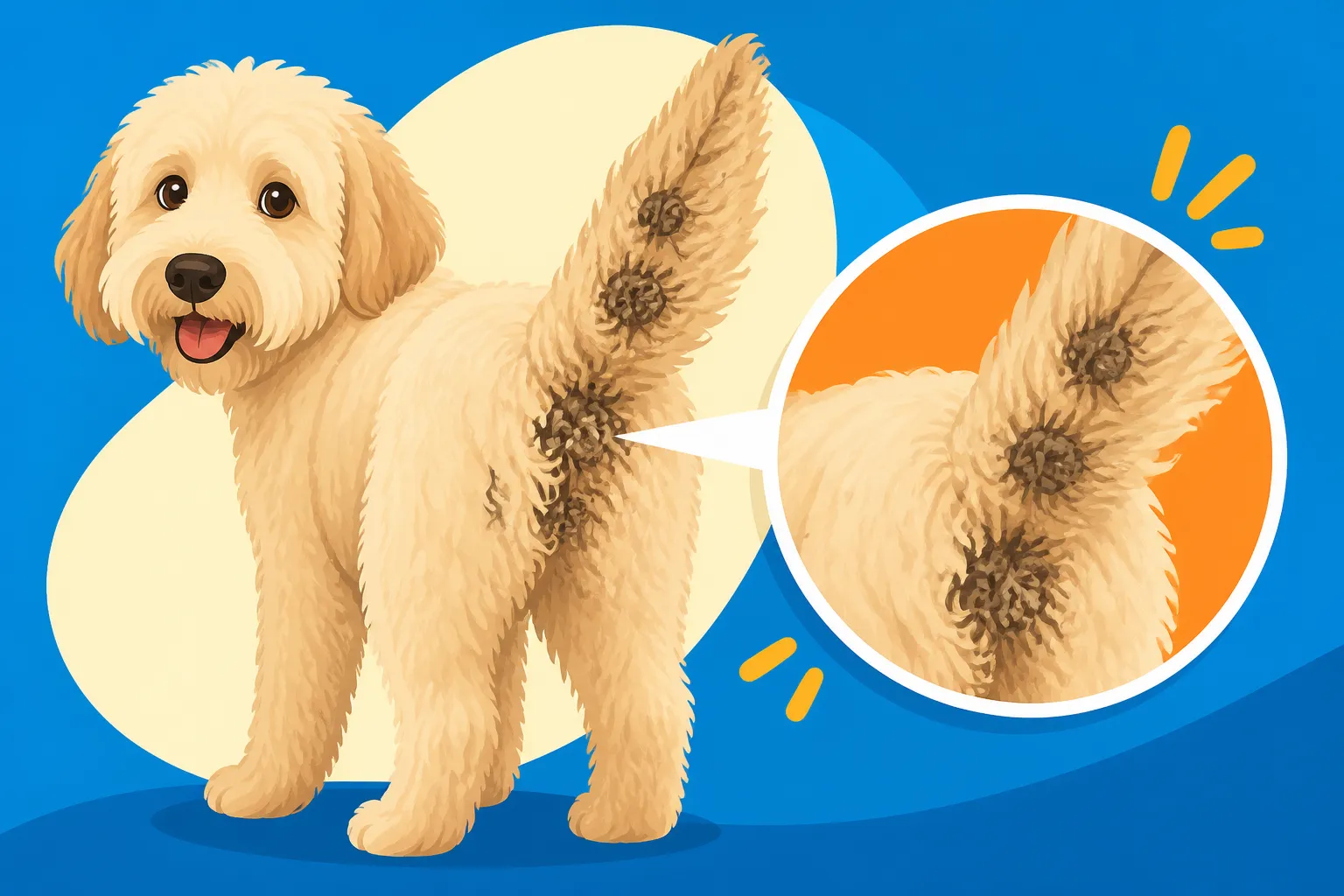
Mats on a Labradoodle’s Rear and Tail
Few things are more frustrating for a Labradoodle owner than discovering a stubborn mat tangled in the beautiful coat, especially around the rear and tail. This isn't just an aesthetic issue; these mats can cause serious discomfort, skin irritation, and even infections if left untreated. This guide will delve into why these particular areas are prone to matting, how you can prevent those pesky tangles from forming, and provide a detailed, step-by-step approach to safely remove them when they do appear, helping you keep your Labradoodle happy and healthy.
Why the Rear and Tail are Matting Hotspots
It’s easy to feel like you just brushed your Labradoodle yesterday, only to find a new knot almost overnight, particularly around their hindquarters and tail. There's a reason these areas are such notorious hotspots for matting, and understanding these factors is the first step toward effective prevention and management.
The Unique Challenges of Labradoodle Coat Types in This Area
Labradoodles are cherished for their low-shedding coats, but this very trait often means their hair holds onto itself and other debris. Unlike dogs with single coats that shed loose hair, Labradoodles, especially those with fleece or wool coats, have hair that continues to grow and, without regular intervention, will intertwine. Around the rear and tail, this problem is amplified. The hair in these regions tends to be thicker and often softer, making it particularly prone to felting. Imagine trying to comb through cotton wool that’s been slightly damp and then dried — that’s often what you’re up against. The way the hair lies and moves as your dog sits, runs, and wags their tail creates friction and pressure, pushing strands together and encouraging knots to form. This is especially true for the wonderful, dense The Three Labradoodle Coats: Hair, Fleece and Wool many Labradoodles sport, which can feel like a magnet for mats.
Furthermore, the natural oils from your dog's skin, combined with any residual moisture or outdoor elements, can act like a binding agent, gluing hair strands together. If a small tangle isn’t caught early, it can quickly snowball into a tight, painful mat that pulls on the skin and becomes incredibly difficult to remove without causing distress.
The Role of Anatomy and Everyday Activities
Beyond the coat type itself, the physical location and daily functions of your Labradoodle's rear and tail play a huge role in mat development. Think about what these areas endure every single day:
- Sitting and Lying Down: Every time your Labradoodle sits or lies down, friction is created between their rear and the surface they're on – whether it's carpet, grass, or a dog bed. This constant pressure and rubbing can push loose hairs into existing tangles, tightening them rapidly. Over time, this repetitive action can compact the hair into dense, flat mats right where they sit, often along the hocks or beneath the tail base.
- Bathroom Breaks: This is perhaps the biggest culprit. Urine, feces, and moisture from grass or dew can easily get trapped in the longer hair around the anus and under the tail. Not only does this lead to unpleasant odors and hygiene issues, but the moisture causes the hair to clump and mat tightly. Even if your Labradoodle is meticulously clean, a few drops of urine or a sticky bowel movement can be enough to start a severe matting problem.
- Tail Wagging: A happy Labradoodle's tail is a blur of motion, but that constant swishing and wagging creates friction against their own body and anything they brush past. The longer, softer hair on the tail, often called "feathering," can knot together incredibly easily. When the tail gets wet, like after a swim or a rainy walk, and isn't thoroughly dried, these mats can become even more severe, trapping moisture against the skin and potentially leading to irritation.
- Outdoor Adventures: Running through tall grass, rolling in leaves, or splashing in puddles are all part of a Labradoodle's joy. However, burrs, seeds, twigs, mud, and other debris can become instantly embedded in the coat around the rear and tail. These foreign objects act as anchors, drawing hair together and forming mats. If your dog loves to swim, remember that thoroughly Drying a Labradoodle to the Skin After a Bath the tail and rear is essential to prevent moisture-related matting.
Understanding these factors allows you to be more proactive in your grooming routine, especially in these high-risk areas.
Prevention is Key: Stopping Mats Before They Start
When it comes to your Labradoodle's coat, especially around the delicate rear and tail areas, an ounce of prevention is truly worth a pound of cure. It's far easier and more comfortable for your dog (and less frustrating for you!) to stop mats from forming than to remove them once they've taken hold.
Daily Brushing Techniques and Tools for the Rear
Consistent, thorough brushing is your strongest defense against mats. While a quick surface brush might make the coat look tidy, it won't prevent the deeper tangles that cause problems. You need to get down to the skin, especially in the areas most prone to matting.
For the rear and tail, dedicate extra time during your daily or every-other-day grooming sessions. Start by using a high-quality slicker brush. For these sensitive areas, select one with flexible pins that won't scratch the skin. Work in small sections, always brushing from the skin outwards. A technique called The Line Brushing a Labradoodle Coat Needs is indispensable here. You literally part the hair down to the skin with one hand and brush a small section from the root to the tip with the other, moving through the coat in horizontal "lines." This ensures you're not just gliding over the surface but actually detangling the undercoat where mats often begin.
After the slicker brush, follow up with a long-toothed metal comb. The comb is your mat detector. If the comb snags, it means there's still a tangle the slicker missed. Work through these tangles very gently, using just the tips of the comb or your fingers to tease them apart. Don't pull or rip, as this will hurt your dog and break the hair. You can find excellent quality slicker brushes and metal combs on sites like Chewy, which often have a wide selection suitable for various coat types. For a deeper dive into specific tools, check out The Slicker, Rake and Comb a Labradoodle Takes.
Remember to pay special attention to:
- Under the tail: Lift the tail and brush the underside thoroughly, as this area can get incredibly dense and matted from sitting and bathroom activities.
- The "pants" or "feathering" on the back legs: This long hair easily collects debris and tangles, particularly where the legs meet the body.
- The entire length of the tail: Start at the base and work your way down to the tip, ensuring every strand is free of knots.
Strategic Trimming and Hygiene
Sometimes, brushing alone isn't enough, or certain areas just need a little extra help. This is where strategic trimming and diligent hygiene come into play, significantly reducing the likelihood of mats forming around the rear and tail.
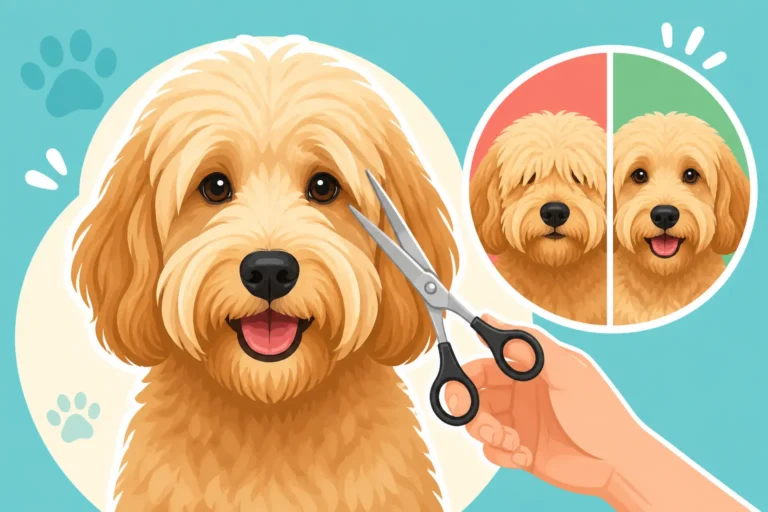
- Sanitary Trims: This is non-negotiable for Labradoodles. The hair around the anus needs to be kept short to prevent feces from clinging to it, which is not only unhygienic but a major cause of severe matting. Similarly, the hair around the vulva or sheath should be trimmed to prevent urine scalding and mat formation. You can do this yourself with blunt-nosed scissors or clippers, being extremely careful not to nick the skin. If you're unsure, ask your professional groomer to demonstrate how to perform a proper sanitary trim. Keeping this area trimmed will also make your dog much more comfortable. For guidance on specific areas, refer to Trimming Around a Labradoodle's Rear.
- Tail Trimming: While a long, flowing tail looks beautiful, excessively long tail feathering can be a magnet for mats, especially if your dog's tail often touches the ground or gets wet. Consider having your groomer trim the length of the tail hair to a more manageable length, especially if your dog is very active outdoors. This doesn't mean shaving the tail, just reducing the bulk and length to lessen matting potential.
- Post-Potty Checks: After every bathroom break, particularly if your Labradoodle has soft stools, take a moment to check their rear. If there's any clinging debris, gently clean it off with a damp cloth or a pet-safe wipe. If the area is visibly soiled or wet, a quick rinse and thorough drying are in order.
- Regular Baths and Drying: While over-bathing isn't recommended, regular baths using a good quality dog shampoo and conditioner can help keep the coat clean and manageable. The key is proper drying. Air-drying a Labradoodle, especially one with a dense coat, is a recipe for mats. Use a high-velocity force dryer (or even your human hairdryer on a cool setting, held at a safe distance) to thoroughly dry the coat, paying extra attention to the tail and rear. Brush as you dry to separate the hair and prevent tangles from forming as it dries.
The Importance of Regular Professional Grooming
While daily home care is crucial, don't underestimate the value of professional grooming. A skilled groomer has the tools, expertise, and often, the extra pairs of hands needed to thoroughly de-shed, detangle, and trim your Labradoodle's coat in ways that are challenging for owners to achieve at home.
Regular appointments, typically every The Six to Eight Week Clock on a Labradoodle's Coat, will help maintain coat health and prevent severe matting. A professional groomer can perform precise sanitary trims, thin out dense areas of the coat to reduce matting potential, and identify any early signs of skin issues or developing mats that you might miss. They can also recommend appropriate styles and lengths for your dog's specific coat type and lifestyle that minimize matting. For instance, a slightly shorter clip around the hindquarters might be a game-changer for a very active dog or one prone to recurring mats. Don't be shy about discussing your concerns regarding rear and tail matting with your groomer; they can offer tailored advice and a grooming schedule that works for you and your Labradoodle.
Safely Tackling Existing Mats
Finding a mat can feel overwhelming, especially if it's tight and close to the skin. The most important thing is to approach mat removal with patience, gentle hands, and the right tools. Ripping or cutting mats out incorrectly can cause pain, skin irritation, or even severe injury to your beloved Labradoodle.
Essential Tools for Mat Removal
Before you begin, gather your supplies. Having everything at hand will make the process smoother and less stressful for both you and your dog.
Here’s what you’ll need:
- Slicker Brush: A good quality slicker brush with flexible pins is essential for breaking up mats and brushing through the coat.
- Long-Toothed Metal Comb: This is your primary tool for detangling and checking your work. Choose one with teeth that are long enough to reach through your dog's entire coat depth.
- Mat Splitter or Dematting Rake: These tools are designed to cut through a mat without pulling too much hair. They have blades that run parallel to the handle, allowing you to slice through the mat in sections. Be extremely cautious when using these, as the blades are sharp.
- Blunt-Nosed Scissors: Absolutely crucial for safety. The blunt tips prevent accidental skin nicks, especially in sensitive areas like the groin or around the anus. These are used for carefully snipping into a mat, not cutting it off close to the skin.
- Detangling Spray or Conditioner: A leave-in conditioner or a specialized detangling spray can help lubricate the hair, making it easier to separate and brush out mats. Many brands like those found on Amazon offer excellent detangling solutions.
- High-Velocity Force Dryer (Optional but helpful): While not a direct mat removal tool, a force dryer can help blast apart minor tangles and fluff the coat, making it easier to see and work through mats.
- Treats and Patience: These are non-negotiable! Mat removal can be uncomfortable, so keep plenty of high-value treats on hand to reward cooperation and create a positive association.
| Tool | Primary Use | Important Considerations |
|---|---|---|
| Slicker Brush | General brushing, breaking up loose tangles | Flexible pins, appropriate size for your dog |
| Metal Comb | Detangling, checking for missed mats | Long, sturdy teeth; coarse and fine sections ideal |
| Mat Splitter/Dematting Rake | Slicing through dense mats to break them apart | Extremely sharp blades, use with extreme caution and never against the skin |
| Blunt-Nosed Scissors | Carefully snipping into mats | Blunt tips for safety, only cut into the mat, never across it or against the skin |
| Detangling Spray/Conditioner | Lubricating hair, easing mat removal | Pet-safe formula, helps prevent hair breakage during detangling |
Step-by-Step Mat Breaking and Detangling
Once you have your tools, find a quiet, well-lit area where your Labradoodle feels comfortable. If your dog is anxious, consider breaking the process into several short sessions.
- Locate and Assess the Mat: Gently feel around your dog's rear and tail. Mats often hide close to the skin. Note their size, location, and how tight they are. Very tight mats that pull the skin significantly will be more painful to remove.
- Apply Detangling Spray: Liberally spray the mat with a detangling spray or a small amount of leave-in conditioner. Work it into the mat with your fingers, allowing it to soak in for a few minutes. This helps loosen the hair and reduces friction.
- Break the Mat Apart (Carefully!):
- Fingers First: Start by trying to gently pull the mat apart with your fingers, working from the outer edges inward. This is the least painful method for your dog.
- Mat Splitter/Dematting Rake: If your fingers aren't working, carefully use a mat splitter. Hold the mat with one hand, getting as close to the skin as possible without pulling the skin. With the other hand, push the mat splitter into the mat, parallel to your dog's body, slicing through it in small sections. Think of it like slicing a loaf of bread, not sawing through it. This breaks the large mat into smaller, more manageable pieces. Remember, never pull the splitter through the mat like a comb.
- Blunt-Nosed Scissors: For very stubborn or tight mats, you can use blunt-nosed scissors to snip into the mat. Again, hold the mat away from the skin and make small, vertical cuts into the mat, from the outer edge towards the base, but never cutting horizontally across the mat. This will create channels, allowing you to then pull the mat apart more easily. Never try to cut the mat off by sliding scissors under it, as it's almost impossible to tell where the mat ends and the skin begins, especially with tight mats.
- Brush and Comb: Once the mat is broken into smaller sections, use your slicker brush to gently brush out each piece. Work slowly, brushing small sections at a time. After brushing, follow up with your metal comb to ensure all tangles are removed. If the comb still snags, go back to a smaller section and repeat the process.
- Reward and Reassure: Throughout the process, offer praise and treats frequently. If your dog becomes stressed or shows signs of pain, take a break. It's better to do several short sessions than to push your dog past their comfort limit.
- Check for Skin Irritation: Once the mat is removed, carefully examine the skin underneath. Mats can hide red, irritated skin, hot spots, or even open sores. If you find any, clean the area gently and consult your vet if it looks severe or infected.
For particularly stubborn mats, or if you feel uncomfortable tackling them yourself, never hesitate to seek professional help. It's far better to pay a groomer than to accidentally injure your dog. You can also review articles like Splitting a Mat on a Labradoodle Before It Tightens for additional techniques.
When to Seek Professional Help
There are definitely times when the best course of action is to put down the brush and pick up the phone to call a professional groomer or your veterinarian. Trying to tackle every mat yourself, especially large or severely matted ones, can lead to painful experiences for your Labradoodle and potentially even injury.
Consider professional help if:
- The Mats are Extensive and Tight: If the matting covers a large area, is very dense, or is pulled so tight against the skin that it causes discomfort when you touch it, a professional groomer is your best bet. They have specialized tools, techniques, and the experience to remove severe mats safely and efficiently, often resorting to clipping the mats out if necessary.
- Your Dog is in Pain or Highly Stressed: If your Labradoodle yelps, growls, or tries to bite when you attempt to touch the matted areas, it's a clear sign they're in pain or severely uncomfortable. Forcing the issue will only create a negative association with grooming. A professional groomer is skilled at handling anxious dogs and can often get the job done more quickly, minimizing stress. In some cases, sedatives might be prescribed by a vet to allow for humane mat removal.
- You're Concerned About Skin Damage: Severely matted areas can hide skin infections, hot spots, or irritation. If you suspect there's underlying skin damage or can't get a good look at the skin beneath the mat, a groomer or vet can assess the situation. Cutting into skin that is already compromised can be extremely dangerous.
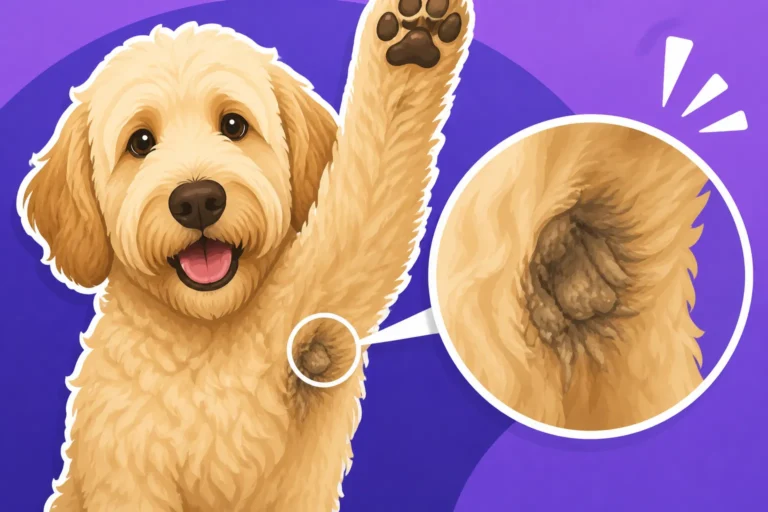
- The Mats are in Difficult or Sensitive Areas: Mats around the anus, armpits, or ears can be particularly tricky and dangerous to remove due to proximity to delicate skin and orifices. A professional has the experience to safely navigate these areas. Mats in a Labradoodle's Armpits can be just as painful and difficult to remove.
Remember, a matted coat can lead to serious health issues, including skin infections, parasitic infestations, and even restricted movement. If in doubt, always err on the side of caution and consult a professional.
Long-Term Coat Health and Maintenance
Preventing mats on your Labradoodle's rear and tail isn't just about quick fixes; it's about a holistic approach to their overall well-being. A healthy dog, inside and out, will naturally have a more manageable coat. By integrating good nutrition, consistent hygiene practices, and addressing any underlying health issues, you can significantly reduce the struggle with matting.
Diet and Supplements for a Healthy Coat
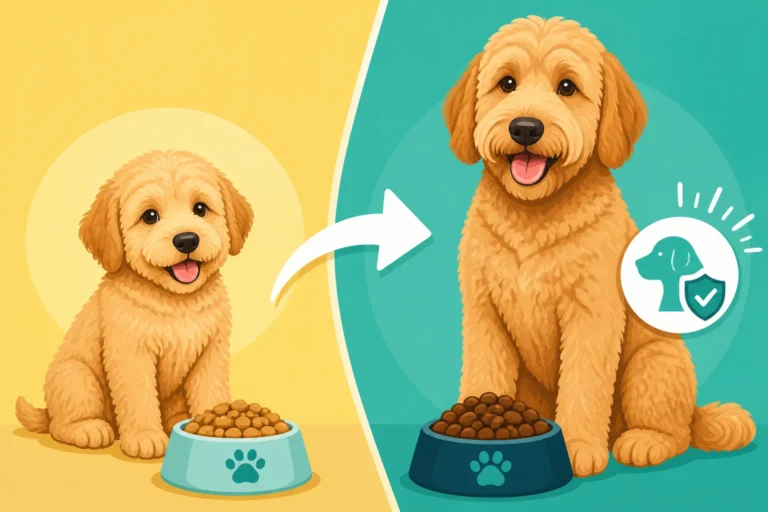
What goes into your Labradoodle's bowl has a direct impact on the quality and health of their coat. A diet rich in essential nutrients can promote strong, resilient hair that is less prone to breakage and matting.
- High-Quality Dog Food: Opt for a premium dog food that lists a quality animal protein as the first ingredient. Avoid foods with excessive fillers or artificial additives. A well-balanced diet provides the foundational building blocks for healthy skin and hair. Some owners find that fresh food delivery services, like Ollie, offer meals tailored to their dog's specific needs, which can contribute to a shinier, healthier coat.
- Omega Fatty Acids: These are superstar nutrients for coat health. Omega-3 and Omega-6 fatty acids help maintain skin hydration, reduce inflammation, and promote a glossy, strong coat. Look for dog foods that include sources like fish oil (salmon, sardine, anchovy), flaxseed, or chia seeds. If your dog's food doesn't provide enough, consider adding a supplement. You can find high-quality fish oil supplements specifically formulated for dogs on Chewy or Amazon. Consistent intake can make the hair smoother and less likely to tangle.
- Biotin and Vitamins: Biotin, a B-vitamin, is often linked to hair and nail health. While most complete dog foods contain adequate levels, some dogs with persistent coat issues might benefit from a vet-approved supplement. Vitamins A and E also play roles in skin health and cell turnover, indirectly supporting a healthy coat.
Always discuss any dietary changes or supplements with your veterinarian to ensure they are appropriate for your individual Labradoodle's needs and won't interfere with any existing health conditions.
Routine Bathing and Drying Practices
Bathing your Labradoodle might seem counterintuitive to mat prevention – after all, wet hair tangles, right? But done correctly, it's a crucial part of maintaining a healthy, mat-free coat, particularly around the rear and tail.
- Proper Shampoo and Conditioner: Use a high-quality, moisturizing dog shampoo that is pH-balanced for canine skin. Follow up with a good conditioner, especially for the longer hair on the tail and hindquarters. Conditioner helps to smooth the hair cuticles, making the coat silkier and less prone to tangling. Be sure to rinse thoroughly; any residue can irritate the skin and make the coat feel sticky, attracting more debris. For tips on effective washing, refer to How Often a Labradoodle Needs a Bath.
- Thorough Drying is Paramount: This is where many owners go wrong. Air-drying a Labradoodle, especially one with a dense fleece or wool coat, almost guarantees matting. The hair clumps together as it dries, forming tight knots. After bathing, towel dry your dog as much as possible, then use a high-velocity force dryer. This tool blows water out of the coat rather than just evaporating it, significantly speeding up drying time and preventing mats. As you dry, use your slicker brush to constantly brush the coat in the direction of hair growth, separating the strands. Pay meticulous attention to the tail and rear, ensuring every layer of hair is completely dry down to the skin. If you don't have a force dryer, a regular human hairdryer on a cool setting, held at a safe distance, is a passable alternative, but always brush continuously as you dry. Never leave these areas damp.
- Post-Swim Ritual: If your Labradoodle loves to swim, a quick rinse with plain water after a dip can help remove chlorine or lake debris, followed by the same diligent drying and brushing routine. Remember, moisture is a mat's best friend.
Addressing Underlying Issues
Sometimes, persistent matting, especially when accompanied by skin irritation, can be a symptom of a deeper health issue. It's important not to overlook these signs, as addressing the root cause can resolve the matting problem and improve your Labradoodle's overall health.
- Allergies: Environmental or food allergies can cause your Labradoodle to itch excessively, leading to scratching, licking, and chewing at their coat. This self-trauma can quickly create mats, particularly in areas they can reach, like the tail base or rear legs. If you notice persistent itching, redness, or Allergies Behind a Labradoodle's Itching, consult your vet to identify and manage potential allergies. Dietary changes, medications, or environmental adjustments might be needed.
- Skin Infections: Mats can trap moisture and create a breeding ground for bacteria and yeast, leading to skin infections (pyoderma, yeast infections). Conversely, existing skin infections can make the skin tender and the hair prone to matting. If you see inflamed skin, discharge, or notice a foul odor under a mat, veterinary attention is necessary. They might prescribe medicated shampoos or oral antibiotics. Also, be aware of changes like Whether a Labradoodle's Coat Thins in Patches which could indicate underlying skin problems or other health issues.
- Hormonal Imbalances: Conditions like hypothyroidism can affect coat quality, making it dry, brittle, and more susceptible to matting and shedding. If your Labradoodle's coat suddenly changes texture or becomes uncharacteristically difficult to manage, along with other symptoms like lethargy or weight gain, a vet check-up can rule out hormonal issues.
- Pain or Discomfort: A dog experiencing pain in their hips, back, or tail might avoid certain movements, including properly cleaning or grooming themselves, which can contribute to matting in the rear area. If you notice stiffness, reluctance to move, or unusual posture, a veterinary examination is crucial.
By being observant and proactive, you can ensure your Labradoodle enjoys a comfortable, mat-free life, full of happy wags and soft snuggles.
Disclaimer
This article is for general informational purposes only and does not constitute professional advice. Laws, prices and regulations vary by location and change over time. Consult a qualified professional for guidance on your specific situation.