The Meals a Labradoodle Puppy Needs Each Day
Bringing a new Labradoodle puppy home is an exhilarating time, but it often comes with a heap of questions, especially when it comes to something as fundamental as feeding. Many new owners feel overwhelmed by conflicting advice on how much, what, and when to feed their growing fur baby, often leading to anxiety about getting it exactly right. This comprehensive guide aims to cut through the confusion, providing a clear roadmap to nourishing your Labradoodle puppy through its crucial developmental stages.
Understanding Your Labradoodle Puppy's Nutritional Needs
Labradoodle puppies are bundles of boundless energy and rapid growth, and their diet needs to support this incredible development. They aren't just smaller versions of adult dogs; their bodies have unique requirements for calorie intake, specific nutrients, and digestive support. Getting this right from the start is absolutely fundamental for their long-term health and vitality.
Why Puppy Food is Different
Think of puppy food as specialized fuel designed for a tiny, growing athlete. Unlike adult dog food, which is formulated for maintenance, puppy food is packed with higher levels of protein to support muscle development, increased fat content for energy, and a careful balance of vitamins and minerals crucial for bone and organ growth. It’s not just about more calories; it’s about the right balance of nutrients in those calories. For instance, a growing Labradoodle puppy needs specific calcium and phosphorus ratios to ensure proper bone development, especially since they're prone to certain joint issues. Feeding an adult dog food to a puppy can lead to nutritional deficiencies or, paradoxically, too rapid growth if the calorie density is off, which can strain developing joints.
The Importance of Calorie Density
Labradoodle puppies, especially the larger standard sizes, require a significant amount of energy to fuel their playful antics and incredible growth spurts. Their metabolisms are much faster than an adult dog's, meaning they burn through calories at an accelerated rate. Puppy food is formulated to be more calorie-dense, providing the necessary energy without having to feed huge, unmanageable portions that could upset their tiny stomachs. This higher calorie density also means that even smaller meals deliver a potent nutritional punch, which is essential for puppies who can't consume large volumes of food in one sitting. It's a fine balance – enough energy to grow and play, but not so much that it leads to excessive weight gain or unhealthy growth rates.
Growth Stages and Their Demands
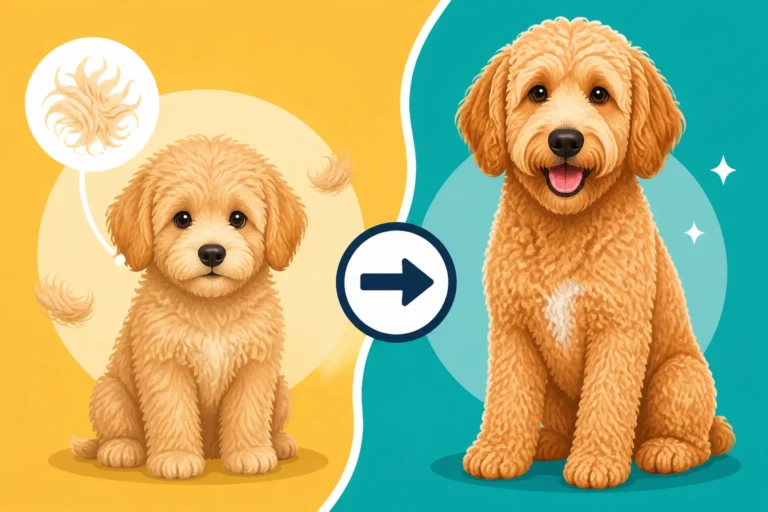
A Labradoodle puppy's life is a whirlwind of changes, and their nutritional needs shift with each stage. From birth until around eight weeks, their primary nutrition comes from their mother's milk, slowly transitioning to solids. Once they come home, typically around eight weeks, they are in a period of intense development, where every meal counts. Their bones are lengthening, muscles are forming, and brains are rapidly developing. As they move into adolescence, typically from six months to a year or more depending on their size, their growth rate might slow slightly, but their energy requirements remain high. Monitoring these stages and adapting their diet accordingly is key. For example, a miniature Labradoodle might reach maturity faster than a standard one, meaning their transition to adult food could occur earlier. The Growth Formula a Standard Labradoodle Needs often focuses on controlled growth to protect developing joints.
Establishing a Daily Feeding Schedule for Your Labradoodle Puppy
Consistency is your best friend when it comes to feeding a Labradoodle puppy. A regular schedule helps with digestion, house-training, and establishing a sense of routine and security for your new family member. Puppies thrive on predictability, and meal times are a huge part of that.
Newborn to Eight Weeks: Breeder's Role and Weaning
During this initial stage, your Labradoodle puppy's nutritional journey is largely managed by the breeder. For the first few weeks, mother's milk is paramount, providing antibodies and essential nutrients. Around three to four weeks, the weaning process usually begins. This is when breeders introduce a gruel-like mixture of high-quality puppy kibble softened with warm water or puppy milk replacer. Slowly, over several weeks, the puppies transition to eating solid, moistened kibble. By the time your Labradoodle puppy comes home, typically at eight weeks, they should be fully weaned and comfortably eating solid puppy food. It’s vital to get details from your breeder about what food they were on, how much, and their exact schedule to ensure a smooth transition to your home.
Eight to Twelve Weeks: The Crucial First Weeks Home
When your Labradoodle puppy first arrives home, usually between eight and twelve weeks of age, they are still quite small and have tiny stomachs. This means they can’t eat large amounts at once, but they need frequent meals to sustain their rapid growth and high energy. At this age, most puppies do best on four meals a day. Spreading their daily food allowance into smaller, more frequent portions helps prevent overeating at one time, reduces the risk of digestive upset, and keeps their blood sugar stable.
A typical schedule might look something like this:
- 7:00 AM: Breakfast
- 12:00 PM: Lunch
- 5:00 PM: Dinner
- 9:00 PM: Late Evening Meal (allowing time for digestion and a potty break before bed)
This frequent feeding helps manage their energy levels and supports consistent growth. Always remember to make sure they have fresh water available at all times.
Three to Six Months: Steady Growth and Energy Needs
As your Labradoodle puppy grows from three to six months old, their stomach capacity increases slightly, and their metabolism, while still high, starts to become a little more stable. During this period, you can often reduce the feeding frequency from four meals a day to three meals a day. This is a natural progression as they get older and can handle larger portions per meal.
A revised three-meal schedule might be:
- 7:00 AM: Breakfast
- 1:00 PM: Lunch
- 6:00 PM: Dinner
It’s important to calculate their total daily food requirement based on the food manufacturer’s guidelines (which we'll discuss in more detail later) and then divide that total amount into three equal portions. This ensures they’re still getting all the necessary calories and nutrients for their continued development. This stage is a good time to observe their energy levels and body condition closely. If they seem ravenous between meals or are losing weight, you might need to slightly increase portion sizes, always within the recommended daily allowance.
Six Months to Twelve Months: Approaching Adulthood
As your Labradoodle puppy enters this phase, from six months up to a year (or even longer for larger standards), they are rapidly maturing. Their growth rate will begin to slow down, and they'll start to look more like a lanky teenager than a round puppy. For most Labradoodle puppies, especially standard sizes, this is the time to transition to two meals a day. Many dogs, including adult Labradoodles, thrive on two meals a day for their entire lives.
An example two-meal schedule:
- 7:00 AM: Breakfast
- 6:00 PM: Dinner
This transition should be gradual, perhaps by slowly reducing the midday meal over a week or two while increasing the breakfast and dinner portions. This helps their digestive system adjust. While they might appear fully grown by ten or twelve months, their bones and joints are often still maturing, particularly for a large breed like a standard Labradoodle. This means they should generally remain on a large breed puppy formula until at least a year old, and sometimes up to eighteen months, as recommended by your vet or the food manufacturer. The Age a Labradoodle Hits Adolescence is a good time to start considering this transition.
Here's a quick summary of typical feeding frequencies:
| Age of Labradoodle Puppy | Recommended Meals Per Day | Notes |
|---|---|---|
| 0-8 Weeks | 4-5 (weaning) | Breeder's responsibility, transition to moistened kibble |
| 8-12 Weeks | 4 | Crucial early development, small frequent meals |
| 3-6 Months | 3 | Growing capacity, still high energy needs |
| 6-12 Months | 2 | Approaching maturity, sustained energy, consider adult transition around 12 months+ |
Choosing the Right Puppy Food for Your Labradoodle
The shelves of pet stores and online retailers like Chewy or Amazon are overflowing with dog food options, and it can be truly daunting to pick the right one for your Labradoodle puppy. The key is to look beyond flashy marketing and focus on what truly matters: quality ingredients and appropriate formulation.
Decoding Dog Food Labels
Understanding dog food labels is like learning a new language, but it's an essential skill for any pet parent. Here's what to look for:
- AAFCO Statement: This is perhaps the most important thing. Look for a statement from the Association of American Feed Control Officials (AAFCO) that explicitly says the food is "formulated to meet the nutritional levels established by the AAFCO Dog Food Nutrient Profiles for growth and reproduction" or "for all life stages." This confirms the food is nutritionally complete for puppies.
- Ingredient List: Ingredients are listed by weight. The first few ingredients should ideally be named animal proteins (e.g., "chicken meal," "lamb," "salmon") rather than vague terms like "meat by-products." Whole grains (brown rice, oats) or complex carbohydrates (sweet potato) are preferable to fillers. You want to avoid artificial colors, flavors, and preservatives.
- Guaranteed Analysis: This panel shows the minimum percentages of crude protein and fat, and maximum percentages of crude fiber and moisture. For puppies, especially large breeds, a balanced protein and fat content is crucial. You might also find information on calcium and phosphorus, which are very important for bone development in growing Labradoodles. Whether Calcium Levels Matter for a Growing Labradoodle is a vital consideration.
Dry Kibble, Wet Food, or Fresh Diets
Each type of food has its pros and cons, and what works best for your Labradoodle puppy might come down to individual preference, your budget, and what's available.
- Dry Kibble: This is the most common and often most economical choice. Good quality kibble is nutritionally complete and formulated for puppies. The crunchy texture can also help with dental hygiene to some extent, though it's no substitute for brushing. Look for "large breed puppy" formulas to ensure the right balance of nutrients for your growing Labradoodle.
- Wet Food: Canned wet food is often highly palatable and can be a good option for picky eaters or for adding moisture to the diet. However, it's typically less calorie-dense than kibble, meaning you need to feed larger quantities to meet a puppy's energy needs, which can be more expensive. It can also be mixed with kibble for added appeal.
- Fresh Diets: Services like Ollie have popularized fresh, human-grade dog food. These diets can be excellent for palatability and are often less processed. However, they are typically more expensive and require careful storage. If choosing a fresh diet, ensure it's formulated by a veterinary nutritionist and meets AAFCO standards for puppy growth. Be wary of homemade diets unless developed and overseen by a board-certified veterinary nutritionist, as it's incredibly difficult to ensure complete and balanced nutrition for a growing puppy.
Considerations for Large Breed Puppies
This is a critical point for Labradoodle owners. Because Labradoodles can grow to be quite large (standard size), they are prone to skeletal and joint problems like hip and elbow dysplasia. Rapid growth, often fueled by excessive calcium or calories, can exacerbate these issues. Therefore, feeding a large breed puppy formula is highly recommended. These specialized foods are designed to promote slower, more controlled growth, with carefully regulated calcium and phosphorus levels. This helps prevent skeletal abnormalities that can occur when large breed puppies grow too quickly. Don't fall into the trap of trying to make your Labradoodle puppy grow faster; slower and steadier is always better for their joints.
How Much to Feed Your Labradoodle Puppy at Each Meal
Once you've settled on a feeding schedule and chosen a high-quality puppy food, the next big question is: exactly how much should you put in the bowl? This isn't a one-size-fits-all answer, and it will change as your puppy grows. Overfeeding can be just as detrimental as underfeeding, so careful measurement is key.
Following Manufacturer's Guidelines
Every bag or can of quality puppy food will have a feeding chart on its label. This chart provides a daily recommended amount based on your puppy's current weight and anticipated adult weight (or age). These are excellent starting points, but remember they are guidelines, not strict rules carved in stone. For example, a 10-week-old Labradoodle puppy might have a recommendation to eat "X" cups per day, divided into the number of meals you've chosen. Always use a proper measuring cup, not just any scoop, to ensure accuracy. A slight variation in scoop size can lead to significant over or underfeeding over time. How Much a Labradoodle Puppy Should Eat Daily can fluctuate greatly based on individual needs.
Monitoring Body Condition
The best way to know if you're feeding the right amount is to regularly assess your Labradoodle puppy's body condition. You want a puppy that is lean, not chubby.
Here's how to check:
- Ribs: You should be able to easily feel your puppy's ribs with slight pressure, but not see them protruding. If you can see them, they're too thin. If you have to press hard to feel them, they're too heavy.
- Waist: When looking down at your puppy from above, you should see a discernible waistline behind their ribs.
- Abdominal Tuck: When looking at your puppy from the side, their abdomen should tuck up slightly from their rib cage, not hang low or be distended.
Puppies have a naturally round belly from eating, but it should not look like a permanent potbelly. If your puppy seems too thin or too heavy, consult your veterinarian. They can help you adjust feeding amounts or rule out any underlying health issues. This visual check is often more accurate than just relying on the numbers on the bag, as individual metabolisms vary. The Weight a Labradoodle Should Hold is an important benchmark to strive for.
Adjusting for Activity Levels and Growth Spurts
Labradoodle puppies, especially those with more Labrador energy, can be incredibly active. A puppy that spends hours playing in the yard will burn more calories than a puppy who prefers short bursts of play and long naps. Therefore, their activity level needs to be factored into their feeding. If your puppy has an unusually energetic day, or if you notice they are going through a growth spurt (which often happens around 4-6 months), you might need to slightly increase their food for a short period. Conversely, if they've been less active due to a minor ailment or bad weather, you might slightly reduce it. Always make these adjustments gradually and in small increments, and monitor their body condition closely. High-value treats used for training also count towards their daily caloric intake, so be mindful not to overdo them.
Common Feeding Challenges and Solutions
Even with the best intentions and a perfect plan, you might encounter a few bumps in the road when feeding your Labradoodle puppy. From finicky eaters to those who scarf down their food in seconds, every puppy is an individual. Understanding these common challenges can help you address them effectively and maintain a healthy feeding routine.
My Labradoodle Puppy is a Fast Eater
Many Labradoodle puppies, thanks to their Labrador ancestry, can be incredibly enthusiastic eaters – often finishing their meal in mere seconds. While it might seem harmless, eating too quickly can lead to digestive upset, gas, and in larger, deep-chested breeds like the Labradoodle (thanks to their Poodle side), it can increase the risk of a serious and life-threatening condition called bloat. The Deep Chest a Labradoodle Gets From the Poodle makes this a real concern.
Solutions:
- Slow Feeder Bowls: These bowls have obstacles, ridges, or mazes that force your puppy to eat around them, slowing down their intake. You can find many options on Amazon or Chewy.
- Food Dispensing Toys: Foraging toys or KONGs that dispense kibble gradually can turn mealtime into a fun mental exercise, effectively stretching out the eating process.
- Cookie Sheet Spread: Simply spread their meal out on a large, flat cookie sheet. This increases the surface area, making it impossible for them to gulp down large mouthfuls at once.
- Smaller, More Frequent Meals: If your puppy is still young and eating multiple meals a day, ensuring those meals are spaced out and not excessively large can also help.
Remember, the goal is to encourage a calmer, more deliberate eating pace to support healthy digestion. Whether a Slow Feeder Cuts a Labradoodle's Bloat Risk is a relevant topic for this concern.
My Labradoodle Puppy Isn't Eating
This can be incredibly worrying for new puppy owners. While occasional pickiness might happen, a sustained loss of appetite or refusal to eat can be a sign of something more serious.
Potential Reasons and Solutions:
- Stress or New Environment: It's common for puppies to be a bit off their food for the first day or two after coming home. Give them time to adjust, keep routines consistent, and ensure a calm feeding environment.
- Upset Stomach: Sometimes a sudden change in food or eating something they shouldn't have can cause a temporary loss of appetite.
- Picky Eater: Some Labradoodles can be surprisingly picky. Try adding a little warm water to their kibble to release aromas, or mix in a spoonful of plain, canned pumpkin (not pie filling) or unsalted chicken broth.
- Teething: Around 3-6 months, puppies start losing their baby teeth. Sore gums can make eating dry kibble uncomfortable. Softening their food with warm water might help.
- Illness: If your puppy refuses to eat for more than 24 hours, is lethargic, vomiting, or has diarrhea, it's crucial to contact your veterinarian immediately. It could be a sign of a serious health issue.
Avoid the temptation to constantly switch foods or add too many enticing extras, as this can inadvertently create a picky eater. Stick to a high-quality food, offer it consistently, and if they don't eat it within 15-20 minutes, pick it up until the next meal. This teaches them that food is available at certain times.
Dealing with Digestive Upset
Puppies have sensitive digestive systems, and occasional loose stools or mild vomiting can happen. This is often due to dietary changes, stress, or eating something they shouldn't.
Common Causes and Management:
- Sudden Food Changes: Always transition new foods gradually over 7-10 days, mixing increasing amounts of the new food with decreasing amounts of the old.
- Eating "Forbidden" Items: Puppies explore with their mouths! Guard against them eating plants, trash, or foreign objects in the yard. Pancreatitis After a Labradoodle Raids the Trash is a serious risk.
- Parasites: Intestinal worms are common in puppies. Ensure your puppy is on a regular deworming schedule as recommended by your vet.
- Bacterial or Viral Infections: More serious issues like parvo or other infections can cause severe digestive upset. If symptoms are severe, persistent, or accompanied by lethargy, contact your vet immediately.
For mild, temporary upset, your vet might recommend a bland diet of boiled chicken and plain white rice for a day or two, followed by a gradual return to their regular food. Probiotics specifically formulated for dogs can also help support gut health, but always discuss these with your vet first.
Transitioning Your Labradoodle Puppy to Adult Food
The day will come when your Labradoodle puppy is no longer a puppy! It might feel sudden, especially as they fill out and stop growing vertically, but transitioning them to adult food at the right time is important for their continued health. Just like humans, a growing body needs different fuel than a mature one.
When to Make the Switch
Determining the right time to switch your Labradoodle from puppy food to adult food depends primarily on their size and breed. For Labradoodles:
- Miniature Labradoodles: May be ready to transition around 10-12 months of age, as their growth plates typically close earlier.
- Standard Labradoodles: Generally benefit from staying on large breed puppy food until they are 12-18 months old. This extended period ensures their bones and joints have fully matured at a controlled rate, minimizing the risk of growth-related orthopedic issues.
Always consult your veterinarian for their specific recommendation, as they can assess your individual puppy's growth rate, current body condition, and overall health to give you the most accurate timeline. When a Labradoodle Switches to Adult Food is a key milestone.
The Gradual Transition Method
Making a sudden switch from puppy food to adult food can lead to digestive upset, including diarrhea and vomiting. A gradual transition allows your Labradoodle puppy's digestive system to adapt to the new formulation slowly and comfortably. This process should take about 7-10 days.
Here’s a typical transition schedule:
- Days 1-2: Mix 75% old food with 25% new food.
- Days 3-4: Mix 50% old food with 50% new food.
- Days 5-6: Mix 25% old food with 75% new food.
- Days 7-10: Feed 100% new food.
During this period, observe your puppy for any signs of digestive upset. If you notice soft stools or vomiting, slow down the transition. For example, if they react poorly on day 3, go back to the day 1-2 mixture for another couple of days before trying the 50/50 mix again. Patience is key.
Monitoring for Changes
Even after a successful transition to adult food, continue to monitor your Labradoodle's body condition and energy levels. Adult food is generally less calorie-dense than puppy food, so your dog might need slightly larger portions to maintain their weight, or you might find they do better on the new food and need less. As your Labradoodle matures, their activity level might also stabilize.
Keep an eye out for:
- Weight Fluctuations: Is your dog maintaining a healthy weight? You should still be able to feel their ribs easily without seeing them, and they should have a visible waist.
- Coat Condition: A healthy coat is often a good indicator of good nutrition.
- Energy Levels: Is their energy consistent with their breed and age?
- Stool Quality: Healthy, firm stools indicate good digestion.
If you have any concerns after the transition, don't hesitate to reach out to your veterinarian. They can provide personalized advice and ensure your Labradoodle continues to thrive on their adult diet. Remember, the journey from a tiny Labradoodle puppy to a magnificent adult is filled with growth and change, and their diet plays a pivotal role every step of the way. What a Labradoodle Owner Should Watch For After Eight years old shows the commitment to care throughout their lifespan.
Disclaimer
This article is for general informational purposes only and does not constitute professional advice. Laws, prices and regulations vary by location and change over time. Consult a qualified professional for guidance on your specific situation.