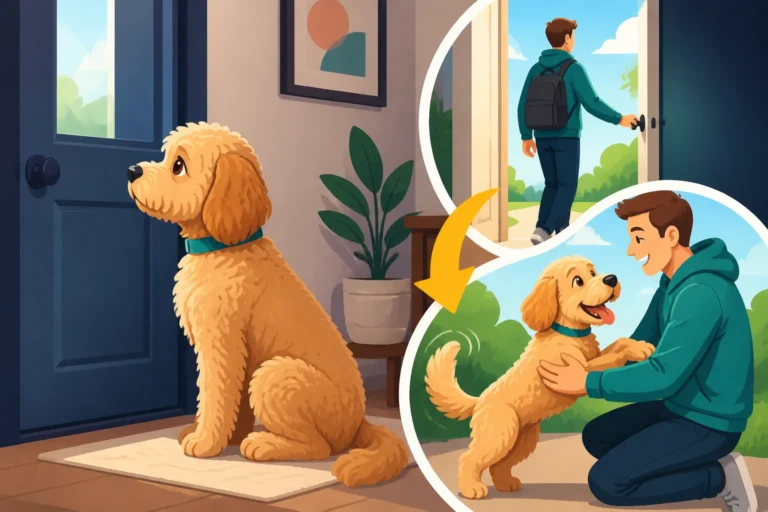
The Retrieving Drive a Labradoodle Gets From the Labrador
If you're a Labradoodle owner, or thinking of becoming one, you might already have a good idea of their energetic, playful nature. But beyond the bouncy greetings and wagging tails, there's often a deeply ingrained instinct that drives many Labradoodles: their love for retrieving. This isn't just about playing fetch; it's a fundamental part of their heritage, a trait passed down primarily from their Labrador Retriever parentage that can bring immense joy and, sometimes, a unique set of challenges to your daily life. This guide will delve deep into understanding, harnessing, and enjoying this powerful instinct in your furry companion.
Understanding the Labradoodle's Retrieving Instinct
The Labradoodle is a fascinating mix, inheriting traits from both the intelligent Poodle and the famously friendly Labrador Retriever. When we talk about the retrieving drive, we're largely looking at the Labrador side of the family tree, but the Poodle's intelligence and eagerness to please certainly amplify it. It's a blend that creates a dog often obsessed with carrying, fetching, and bringing things back to you, sometimes whether you want them to or not!
The Genetic Roots: Labrador's Influence
The Labrador Retriever was originally bred to be a working dog, specifically for retrieving game for hunters. They have a soft mouth, meaning they can carry objects without damaging them, and an innate desire to bring things back to their human companions. This isn't just a learned behavior; it's hardwired into their DNA. Think about those iconic images of Labradors joyfully bounding through fields or water with a duck or a bumper in their mouths. That incredible focus and drive to retrieve is what your Labradoodle has inherited. It's a powerful instinct that manifests in many different ways, from eagerly chasing a thrown ball to collecting all the household socks.
This strong genetic predisposition means that even if a Labradoodle has a higher percentage of Poodle in its lineage (like an F1b or multigen), the retrieving instinct from the Labrador side can still be incredibly dominant. Owners often marvel at how their Labradoodle, even as a tiny puppy, will instinctively pick up a toy and bring it to them, sometimes dropping it right at their feet as if presenting a cherished gift. It’s not just a game; it's a fulfillment of an ancient purpose. Ignoring or suppressing this drive completely can lead to a frustrated dog, so understanding its origins is the first step in channeling it positively.
For many Labrador owners, and by extension, Labradoodle owners, the retrieving drive is what makes these dogs so endearing and interactive. They want to be part of the action, to participate, and to work alongside their people. Whether it's a stick in the park, a dropped item in the house, or even a leaf that catches their eye, the urge to pick it up and deliver it is often irresistible. This inherent desire is a fantastic foundation for training and building a strong bond with your dog, provided you understand how to direct it.
The Poodle's Contribution to Drive
While the Labrador provides the what (retrieving), the Poodle often contributes to the how and why. Poodles are highly intelligent, agile, and eager to learn. They were originally water retrievers themselves, primarily for hunting ducks, so they also possess a retrieving instinct, albeit perhaps not as universally strong or pronounced as the Labrador's. What the Poodle definitely brings to the table is trainability and a deep desire to engage mentally and physically with their owners. This means your Labradoodle isn't just driven to retrieve; they are often smart about it and motivated to please you while doing it.
This combination can be incredibly powerful. A Labradoodle with strong Poodle traits might not just retrieve, but they might also figure out clever ways to get you to throw the item again, or they might even learn to retrieve specific items on command with surprising speed. Their intelligence means they pick up on cues quickly, and their desire to please makes them enthusiastic participants in training. So, while the Labrador provides the raw "fetch!" energy, the Poodle contributes the mental horsepower to turn that raw energy into sophisticated, enjoyable games and even practical assistance.
This enhanced trainability means you have a great opportunity to shape your Labradoodle's retrieving behaviors from a young age. Instead of just chasing a ball aimlessly, a Labradoodle often enjoys the entire process: the chase, the pick-up, the return, and the drop. This mental engagement is crucial for a breed that thrives on interaction and purpose. The Poodle's influence ensures that retrieving can be more than just a physical outlet; it can be a rich source of mental stimulation, which is vital for preventing boredom and potential behavioral issues in an intelligent dog.
Why Retrieving is More Than Just a Game
For your Labradoodle, retrieving is far more than simply playing fetch in the yard. It taps into a primal instinct, providing mental and physical enrichment that is essential for their well-being. When a Labradoodle is actively retrieving, they are fulfilling a deeply embedded drive, which contributes significantly to their overall happiness and balanced behavior. It's a form of work for them, a task that engages their minds and bodies simultaneously.
Think about it from their perspective: you throw an object, they hunt it down, pick it up, and bring it back to you, often with immense pride. This entire sequence is rewarding. The chase satisfies their prey drive in a healthy, directed way, the act of carrying provides sensory input, and the return often earns them praise or another throw, strengthening their bond with you. This isn't just exercise; it's a structured interaction that builds confidence, reinforces obedience, and drains excess energy in a constructive manner. Many behavioral problems in intelligent, active breeds like Labradoodles can stem from a lack of appropriate outlets for their natural drives.
When a Labradoodle isn't given an opportunity to retrieve, or to engage in similar goal-oriented activities, that pent-up energy and instinct can manifest in less desirable ways. This might include destructive chewing, excessive barking, or even obsessive behaviors like chasing shadows or light reflections. Providing regular, engaging retrieving sessions is a proactive way to ensure your Labradoodle is a well-adjusted, happy member of your family. It's a language they understand, a way to connect, and a vital component of their daily mental and physical diet. The Exercise a Labradoodle Needs Before It Behaves touches on the importance of physical outlets, and retrieving definitely fits that bill.
Recognizing Retrieving Behaviors in Your Labradoodle
Labradoodles often start showing their retrieving tendencies quite early, sometimes even before you bring them home from the breeder. Understanding what to look for and how to interpret these behaviors can help you nurture this drive positively, setting the stage for a well-adjusted and engaged companion. It's about spotting the subtle cues and encouraging the desired actions.
Early Signs in Puppyhood
Even as young puppies, Labradoodles can display a natural inclination towards retrieving. You might notice a tiny pup grabbing a toy and proudly parading it around before bringing it to your feet. They might instinctively pick up dropped items, like a sock or a piece of paper, and trot over to you with it. This isn't just random play; it's the nascent retrieving drive coming to the surface. Observing these early signs is crucial because it tells you what motivates your puppy and how you can best engage with them.
At this stage, the key is to encourage these behaviors gently. When your puppy brings you something, even if it's a forbidden slipper, praise them warmly and offer a suitable toy in exchange. This teaches them that bringing things to you is a positive interaction, and it starts to build a foundation for a reliable "drop it" command. Avoid scolding them for bringing you the "wrong" item, as this can inadvertently suppress the entire retrieving instinct. Instead, make yourself the most exciting part of the equation, and reward the act of bringing. These early interactions are foundational for all future training, including building a strong recall and fostering a confident learner.
Puppies also often enjoy carrying things in their mouths as they move around. This "mouthing" behavior, while sometimes a nuisance, can also be an early indicator of a soft mouth and a developing retrieving drive. Providing appropriate chew toys and encouraging them to carry their own toys, rather than constantly trying to take things away, can help direct this natural inclination. What Labradoodle Owners Say They Underestimated often includes how much these dogs love to carry things, so getting a head start on directing that instinct is a great idea.
Common Objects of Obsession
Labradoodles, like their Labrador ancestors, can become quite fixated on certain objects for retrieving. While a classic tennis ball is often a favorite, their retrieving obsession can extend to a surprisingly wide array of items. You might find your Labradoodle trying to "retrieve" anything from fallen leaves and pinecones on a walk to your keys, TV remote, or even an errant sock. This isn't necessarily destructive behavior; it's their drive at play, seeking an outlet.
Understanding what your particular Labradoodle finds irresistible is key to both harnessing and managing their drive. Some dogs might be drawn to crinkly toys, others to squeaky ones, and many have a soft spot for anything soft and fabric-based. The texture, size, and even the "availability" of an object can make it a prime target. For instance, a Labradoodle might completely ignore their basket of toys only to become laser-focused on a dropped mitten. This isn't naughtiness; it's their instinct kicking in, identifying an item worthy of retrieval.
A common scenario many Labradoodle owners face is their dog "collecting" household items and bringing them to their bed or a favorite spot. While this can be charming, it's also important to ensure it doesn't cross into resource guarding. Observing how they interact with these items is important. Do they happily drop them when you approach, or do they become stiff and protective? Most often, it's just a display of their retrieving instinct and a desire to be near their human. Redirecting this to appropriate toys and rewarding them for relinquishing items willingly is a continuous process.
The Difference Between Retrieving and Resource Guarding
It's really important for Labradoodle owners to understand the distinction between a healthy retrieving drive and the less desirable behavior of resource guarding. While both involve a dog taking possession of an object, their underlying motivations and manifestations are quite different. A Labradoodle's natural retrieving drive is generally collaborative and involves bringing items to you, often initiating an interaction. Resource guarding, on the other hand, is protective and involves keeping items away from others, often with signs of anxiety or aggression.
A dog with a strong retrieving drive will usually approach you with an item, sometimes dropping it at your feet or gently offering it. Their body language is typically loose, enthusiastic, and inviting. They want you to engage, to throw the item again, or to praise them for their "catch." If you reach for the item, they usually release it without tension, expecting a reward or the continuation of the game. It's a shared activity, a bond-building exercise.
Resource guarding, conversely, involves a dog displaying behaviors designed to prevent others from taking their possessions. This might include stiffening their body, growling, snarling, snapping, or even biting when someone approaches or tries to take an item. Their gaze might harden, and they may turn their body over the object. This is a serious behavioral issue that requires careful management and professional intervention, not just a playful quirk. If you ever suspect your Labradoodle is resource guarding, it's crucial to consult with a certified professional dog trainer or veterinary behaviorist. They can help you address the root causes and implement a safe and effective management plan. The goal is always to encourage a confident "give" and a joyful retrieving relationship.
Harnessing and Channeling the Retrieving Drive
Once you understand your Labradoodle's innate desire to retrieve, the next step is to channel that energy into constructive and enjoyable activities. This isn't just about fun; it's about building a strong relationship, reinforcing positive behaviors, and providing essential mental and physical exercise. A well-directed retrieving drive can make your Labradoodle an incredibly responsive and engaged companion.
Starting With Puppy Play
The best time to start fostering a positive retrieving relationship is during puppyhood. These early experiences lay the groundwork for all future training. Begin with short, enthusiastic play sessions using soft, easily graspable toys. The goal isn't perfect retrieves right away, but rather to make the entire process incredibly fun and rewarding. Get down on their level, use an excited voice, and make yourself part of the game.
Start by rolling a toy a short distance and encouraging your puppy to chase it. When they pick it up, praise them lavishly. If they start to come back towards you, even just a few steps, make a big fuss. You can even back away a little, playfully calling them to encourage them to follow with the toy. When they get close, gently take the toy and immediately offer a high-value treat or toss it again for another round. The key is to make retrieving to you the most rewarding part of the experience. Avoid any pressure or force; it should always feel like a joyous game.
As your puppy grows more confident, you can gradually increase the distance of the throws. Always end play sessions on a positive note, perhaps with one last successful retrieve and a jackpot of treats and praise. This builds anticipation for the next play session and reinforces the idea that retrieving is a fantastic way to interact with you. The Age a Labradoodle Starts Retrieving can vary, but most show interest quite early on.
Introducing Formal Retrieve Training
Once your Labradoodle has a basic understanding and enthusiasm for bringing items back, you can start to introduce more formal retrieve training. This involves adding verbal cues and consistency to the game. The "fetch" command is a classic, but you'll also want to focus on a reliable "drop it" or "give." This structure helps your Labradoodle understand their role in the game and makes retrieving a more controllable and practical skill.
To teach "fetch," show your Labradoodle the toy, say "Fetch!" enthusiastically, and then toss it a short distance. As they go for it, repeat "Fetch!" When they pick it up, encourage them to return with cheerful calls. As they approach, hold out your hand and say "Drop it" or "Give." The moment they release the toy, even if it’s a little reluctant at first, immediately reward them with a super tasty treat and praise. Repeat this many times in short, positive sessions. If they're hesitant to drop, you can try offering another, even more exciting toy as a trade-off. This teaches them that letting go of one good thing leads to an even better thing.
Consistency is vital. Everyone in the household needs to use the same commands and follow the same rules. Avoid chasing your Labradoodle to get the toy back, as this can inadvertently turn it into a game of keep-away. Instead, make coming to you and dropping the toy the most fun and rewarding part. With practice, your Labradoodle will learn that "fetch" means going to get the item and "drop it" means releasing it happily. Online platforms like BAXTER & Bella offer comprehensive puppy and dog training programs that can guide you through these steps with video tutorials and expert support.
Building a Reliable "Fetch" and "Drop It"
A truly reliable "fetch" and "drop it" are cornerstones of a well-mannered retrieving dog. This means your Labradoodle will not only enthusiastically go after an item but also bring it directly back to you and release it on command, regardless of distractions. This takes practice, patience, and a high level of reinforcement. It's about building strong habits through consistent, positive training.
To build reliability, gradually introduce distractions. Start in a quiet, familiar environment, then move to areas with mild distractions like a different room in the house or your backyard. Eventually, you can practice in busier parks or open spaces. Always start with easy, successful retrieves in the new environment before increasing the challenge. If your Labradoodle struggles, go back to an easier setting where they can succeed. The goal is to set them up for success, not failure.
Make sure your rewards are compelling. For a high-drive Labradoodle, the biggest reward for dropping a toy might simply be getting to play fetch again immediately. However, combining this with high-value treats (think tiny pieces of cheese or cooked chicken) can create an even stronger reinforcement. A reliable "drop it" is especially important for safety, ensuring your dog will release anything they shouldn't have, like a dropped pill or a dangerous object. With consistent practice and positive reinforcement, your Labradoodle will learn that responding to "fetch" and "drop it" always leads to good things, strengthening your bond and making them a joy to interact with.
Advanced Retrieving Games and Activities
Once your Labradoodle has mastered the basics of "fetch" and "drop it," you can dive into more advanced retrieving games and activities. This not only keeps things fresh and engaging for your intelligent companion but also provides deeper mental and physical stimulation, satisfying their strong drives in varied and exciting ways.
Beyond the Basic Ball Toss
While a good old-fashioned ball toss is always a hit, a Labradoodle's retrieving drive can be satisfied with much more creativity. Think about games that challenge their minds as well as their bodies. Instead of just throwing, try hiding the ball in plain sight and asking them to "find it" or "fetch the ball." This introduces a problem-solving element, tapping into their keen sense of smell and intelligence.
Vary the types of toys you use. Instead of just a ball, try a soft frisbee, a rubber dummy, or even a knotted rope. Different textures and flight patterns can add novelty and excitement. You can also incorporate obstacles into your retrieving games. For example, toss the toy over a low hurdle, around a tree, or into a designated "retrieving zone." This forces your Labradoodle to think about navigation and strategy, rather than just raw speed. For those moments when you need to purchase new and exciting toys, Amazon is a great place to browse for a wide variety of durable and engaging options designed for enthusiastic retrievers.
Another fun variation is "multi-retrieve," where you throw several toys one after another and then ask your Labradoodle to retrieve them in a specific order, or simply to bring back all of them. This advanced level of play requires more focus and memory. Remember to keep sessions fun and positive, always ending before your dog gets bored or overly tired. This keeps their enthusiasm high for the next game.
Scent Work and Hidden Object Games
Labradoodles have an excellent sense of smell, courtesy of both their parent breeds. Incorporating scent work into retrieving games is a fantastic way to engage their brains and provide a deeply satisfying outlet for their natural instincts. Hidden object games turn retrieving into a mental treasure hunt, which can be incredibly enriching.
Start by having your Labradoodle "stay" while you hide a high-value treat or a favorite toy in an easy-to-find spot in the room. Then, release them with a command like "Find it!" or "Search!" and encourage them to use their nose. As they get better, gradually increase the difficulty by hiding objects in more challenging locations, like under a blanket, behind a piece of furniture, or even in another room. The ultimate reward is not just finding the item, but then bringing it back to you for praise or a shared treat.
You can also use specific "scent articles," like small pieces of leather or fabric that you've imbued with a unique scent (such as a drop of essential oil diluted in water on a cotton ball, placed inside a closed container with the article). Train your Labradoodle to find only the item with that specific scent among others. This is the foundation of competitive scent work and can be a hugely rewarding activity for both of you. It's a fantastic way to tire out an energetic Labradoodle mentally without requiring a huge amount of physical space, making it perfect for rainy days or smaller living environments. Whether a Labradoodle Has the Nose for Scent Work is a definite yes!
Introducing Water Retrieving Safely
Many Labradoodles absolutely adore water, another trait often inherited from their Labrador and Poodle ancestors, both of whom were originally water retrievers. Introducing your Labradoodle to water retrieving can be an incredibly exhilarating and effective way to exercise them and tap into their natural instincts, but safety should always be your top priority.
Start in a safe, shallow body of water where your Labradoodle can easily touch the bottom and feel secure. A calm lake or a shallow river bank is ideal, avoiding strong currents or deep drop-offs. Never force your dog into the water. Instead, encourage them with their favorite floating toy, tossing it just a short distance into the shallows. Go in with them if you need to, making it a fun, positive experience. Praise and reward them lavishly when they retrieve the toy and come back to shore.
As your Labradoodle gains confidence, you can gradually increase the depth and distance of the retrieves. Always be mindful of water quality; avoid stagnant ponds or areas with known toxins. After any swim, ensure you thoroughly rinse and dry your Labradoodle's coat, paying special attention to their ears to prevent infections. Cleaning a Labradoodle's Ears After Swimming is critical. A secure-fitting life vest is also a smart investment, especially for longer swimming sessions or if you're exploring new waters, ensuring their safety and allowing them to swim without tiring as quickly. This is where their retrieving drive truly shines, as they joyfully plunge into the water after their prize.
Managing Excessive Retrieving Drive
While a strong retrieving drive is a wonderful trait, there are times when it can feel a bit overwhelming, especially if your Labradoodle seems to want to play fetch incessantly or becomes overly fixated on objects. Learning to manage this high drive is essential for a harmonious household.
When the Drive Becomes Overwhelming
A Labradoodle with an overwhelming retrieving drive might constantly bring you toys, nudge your hand with a ball, or even bark to initiate play. While endearing at times, this can become exhausting and disruptive if not managed. This usually isn't a sign of naughtiness, but rather an indication that your dog is trying to fulfill a deep-seated instinct and might not have learned appropriate "off-duty" behaviors or alternative outlets for their energy.
One of the biggest mistakes owners make is inadvertently reinforcing this demanding behavior. Every time you throw the ball immediately after your dog nudges you or barks, you're teaching them that this is an effective way to get what they want. Instead, teach your Labradoodle to settle and relax before play begins. Have them lie down calmly for a few moments, or even perform a quick obedience task, before you throw the toy. This teaches them that calm behavior earns rewards, not demanding behavior.
It's also important to recognize that sometimes, excessive retrieving behavior can be a symptom of under-stimulation, either physical or mental. A Labradoodle needs significant exercise and mental engagement daily. If they're not getting enough, their retrieving drive can become an almost frantic attempt to burn off energy. Regularly assess your Labradoodle's daily routine to ensure they're receiving adequate outlets for their intelligence and athleticism. Telling an Anxious Labradoodle From an Under Exercised One highlights the importance of understanding these nuances.
Teaching "Off-Duty" Relaxation
For a dog with a strong retrieving drive, learning to switch off and relax is just as important as learning to play. "Off-duty" relaxation skills are crucial for preventing an overly stimulated or demanding dog. This involves teaching your Labradoodle that there are times for quiet and calm, not just constant action.
Start by rewarding calm behavior. When your Labradoodle is lying quietly, offer gentle praise and a small, quiet treat. Don't make a big fuss that might accidentally excite them; the reward is for the calm itself. Practice "place" training, where your dog learns to go to a designated mat or bed and stay there calmly for increasing periods. This provides a clear boundary and a defined space for relaxation. You can find excellent resources for "place" training, including videos and step-by-step guides, through online programs like BAXTER & Bella.
Crate training can also be an invaluable tool for teaching relaxation, as a crate provides a safe, quiet den where your Labradoodle can settle without constant stimulation. Offer a long-lasting chew or a puzzle toy in their crate to keep them quietly occupied. Consistent routines that include periods of active play followed by enforced rest (like a crate break or quiet time on their place mat) can help your Labradoodle understand the rhythm of the day and learn to self-regulate their energy levels.
Providing Mental Stimulation Beyond Fetch
If your Labradoodle's retrieving drive seems insatiable, it might be a sign they need more varied mental stimulation beyond just fetching a ball. While physical exercise is crucial, intellectual challenges are equally important for an intelligent breed like the Labradoodle. This can help satisfy their drive without always requiring intense physical exertion.
Puzzle toys that dispense treats or kibble when manipulated are excellent for mental enrichment. They force your Labradoodle to use their brain to solve a problem, which can be surprisingly tiring. Snuffle mats, where treats are hidden within fabric strips, also engage their nose and problem-solving skills. Rotate these toys regularly to keep them novel and exciting.
Beyond toys, consider incorporating short obedience training sessions throughout the day. Teaching new tricks, practicing advanced commands, or even enrolling in a dog sport like agility or rally obedience can provide a fantastic mental workout. These activities tap into their desire to learn and work with you, fulfilling that drive for purpose. A Labradoodle that is mentally satisfied is often a calmer, happier dog, even if their retrieving drive remains strong. The Time a Labradoodle Takes Out of a Week often includes significant mental engagement, not just physical.
Training Tools and Resources for Retrieving
Having the right tools and knowing where to find good advice can make a huge difference in successfully training and managing your Labradoodle's retrieving drive. From physical aids to expert guidance, these resources can enhance your training journey.
Essential Gear for Fetch and Retrieve
To make retrieving games safe and enjoyable, investing in a few key pieces of gear is a good idea. Firstly, a variety of durable, dog-safe retrieve toys is essential. Look for toys made from tough rubber, canvas, or solid plastic that can withstand enthusiastic chewing and repeated throwing. Classic tennis balls are fine for many, but specialized dog balls are often more robust and less prone to breaking apart.
Consider investing in a ball launcher or a throwing stick. These tools allow you to throw balls much farther with less effort, which is fantastic for giving a high-energy Labradoodle a good workout without exhausting your arm. Many excellent options are readily available on Amazon, often with different sizes to suit your dog's preferences and your throwing style. For water retrieves, ensure you have buoyant toys that are highly visible in the water, making them easier for your dog to spot and retrieve.
Lastly, a long line (a very long leash, typically 15-30 feet) can be incredibly useful for practicing recall and controlled retrieving in unfenced areas. It allows your Labradoodle freedom to chase and retrieve while still giving you control and ensuring their safety. Pair this with a comfortable, well-fitting harness to avoid putting pressure on their neck when they hit the end of the line.
Online Courses and Professional Guidance
While many Labradoodles take to retrieving naturally, refining their skills and managing a high drive can benefit from professional guidance. Online courses offer a flexible and accessible way to learn effective training techniques from certified experts, all from the comfort of your own home.
Platforms like BAXTER & Bella provide comprehensive online dog training programs that cover everything from basic obedience to advanced skills, including detailed modules on building a reliable retrieve and managing high-drive behaviors. These courses often include video demonstrations, step-by-step instructions, and access to trainers for personalized advice. This kind of structured curriculum can be invaluable for owners who want to systematically build their dog's skills and address any specific challenges.
If you're struggling with particularly persistent or challenging retrieving behaviors, or if you suspect your dog's drive is leading to other issues, consider seeking out a certified professional dog trainer in your area. They can offer one-on-one sessions, observe your dog's specific behaviors, and provide tailored strategies and hands-on guidance. Sometimes, an outside perspective can help identify subtle cues or training gaps that you might miss.
Treats and Motivation for High-Drive Dogs
For high-drive Labradoodles, motivation is key to successful training. While many are inherently motivated by the retrieve itself, using a variety of treats and other rewards can supercharge their learning and keep their enthusiasm sky-high. Think of treats as a clear and immediate signal that they've done something right.
High-value treats are particularly effective. These are small, soft, and incredibly palatable rewards that your Labradoodle absolutely loves, such as cooked chicken, cheese, or specialized training treats. Save these for challenging new behaviors or for situations where you need their absolute focus. For everyday maintenance, lower-value but still tasty treats can be used. Many excellent brands of training treats are available and can be easily found on Amazon or at your local pet store.
Beyond food, remember that praise, enthusiastic verbal encouragement, and even a quick game of tug can be powerful motivators for a Labradoodle. The ultimate reward for many retrieving dogs is simply getting to play fetch again! Experiment to find out what truly motivates your individual Labradoodle. Some might work harder for a specific squeaky toy, while others might do anything for a piece of hot dog. Varying your rewards keeps training exciting and prevents your dog from becoming bored or complacent.
| Training Tool / Resource | Purpose | Key Benefits | Where to Find It (Examples) |
|---|---|---|---|
| Durable Retrieve Toys | Satisfy chewing, provide safe fetching targets | Last longer, varied textures, dog-safe materials | Pet stores, Amazon |
| Ball Launchers | Extend throwing distance, reduce arm strain | More exercise with less effort, great for open spaces | Pet stores, Amazon |
| Floating Water Toys | Safe and visible for water retrieving | Encourage swimming, durable for water play | Pet stores, Amazon |
| Long Line | Practice recall and controlled retrieves | Freedom with control, safety in unfenced areas | Pet stores, Amazon |
| Puzzle Toys | Mental stimulation, slow feeding | Brain work, reduces boredom, independent play | Pet stores, Amazon |
| Online Training Courses | Structured learning, expert guidance | Flexible, comprehensive, access to professional advice | BAXTER & Bella, other online academies |
| High-Value Treats | Reinforce desired behaviors, boost motivation | Strong motivator, clear reward signal | Pet stores, Amazon, homemade |
| Professional Trainer | Personalized guidance, behavior modification | Tailored solutions, hands-on support, problem-solving | Local certified trainers, veterinary referrals |
The Joy and Challenges of a High-Drive Retriever
Living with a Labradoodle that has a strong retrieving drive is a unique experience, filled with both heartwarming moments and, at times, certain demands. Understanding these aspects allows you to fully appreciate your companion and navigate any challenges with grace and informed strategies.
The Benefits of a Keen Retriever
The benefits of having a Labradoodle with a keen retrieving drive are abundant. Firstly, it provides a fantastic, built-in mechanism for exercise. A game of fetch can quickly burn off a significant amount of energy, keeping your Labradoodle physically fit and mentally stimulated. This can lead to a calmer dog indoors, reducing the likelihood of destructive behaviors that often stem from boredom or pent-up energy. The Weight a Labradoodle Puts On Without Anyone Noticing emphasizes the importance of exercise, and retrieving is a primary way to manage this.
Secondly, retrieving is a phenomenal way to bond with your dog. It's a shared activity, a collaborative game that strengthens the connection between you and your Labradoodle. The joy and enthusiasm they display when bringing an item back to you are infectious, creating positive interactions that deepen your relationship. This positive interaction also makes training other commands much easier, as your Labradoodle is already highly engaged and motivated to work with you.
Finally, a strong retrieving drive can make your Labradoodle an incredibly useful companion. They can be taught to retrieve specific household items, help carry things, or even assist with tasks for individuals with mobility challenges. Their eagerness to work and their natural inclination to carry objects make them excellent candidates for such roles, adding a practical dimension to their companionship.
Common Frustrations for Owners
While largely positive, a high retrieving drive can come with its own set of frustrations for owners. One of the most common is the incessant demand for play. A Labradoodle might constantly bring toys, nudge your hand, or bark to get you to throw something, making it hard for you to relax or focus on other tasks. This can be particularly challenging for first-time dog owners who might not anticipate the sheer persistence of this drive. What Labradoodle Owners Say They Were Not Warned About often includes this demanding nature.
Another frustration can be the tendency to retrieve inappropriate items. Your Labradoodle might bring you your shoes, socks, the TV remote, or even items from the trash, all with the same proud enthusiasm they'd have for a favorite toy. This requires consistent management and training to redirect their drive to acceptable objects. Without proper guidance, this can lead to damaged household items or even ingesting something harmful.
Lastly, some owners struggle with dogs that are reluctant to drop the retrieved item, turning fetch into a game of keep-away. This usually stems from a lack of consistent "drop it" training and can be frustrating when you're trying to move on from playtime or if the item is something you genuinely need back. Addressing this early through positive reinforcement and trade-offs is crucial, preventing it from becoming a long-term behavioral pattern.
Long-Term Engagement with Your Labradoodle
Maintaining a healthy and fulfilling relationship with your high-drive Labradoodle throughout their life means committing to long-term engagement. Their retrieving drive won't simply disappear as they get older, though the intensity might mellow somewhat. Providing consistent outlets for this drive is key to their continued happiness and your peace of mind.
This means regularly incorporating retrieving games into their daily routine, whether it's a brisk session of fetch in the park, a scent-finding game indoors, or a trip to a safe swimming spot. As your Labradoodle ages, you might need to adjust the intensity and duration of these activities, especially if they start to develop joint issues or Arthritis in a Labradoodle at Ten. Shorter, less strenuous sessions, or games that involve less running and more mental work, can still be incredibly satisfying for an older dog.
Beyond structured games, simply allowing your Labradoodle to carry things can be a form of engagement. Many enjoy holding a favorite toy or even a specific stick on a walk. This fulfills their desire to have something in their mouth and can be a calming activity for them. By understanding, channeling, and celebrating your Labradoodle's retrieving drive, you ensure a lifetime of joy, companionship, and a wonderfully engaged furry friend.
Disclaimer
This article is for general informational purposes only and does not constitute professional advice. Laws, prices and regulations vary by location and change over time. Consult a qualified professional for guidance on your specific situation.