Whether a Labradoodle Still Makes a Working Assistance Dog
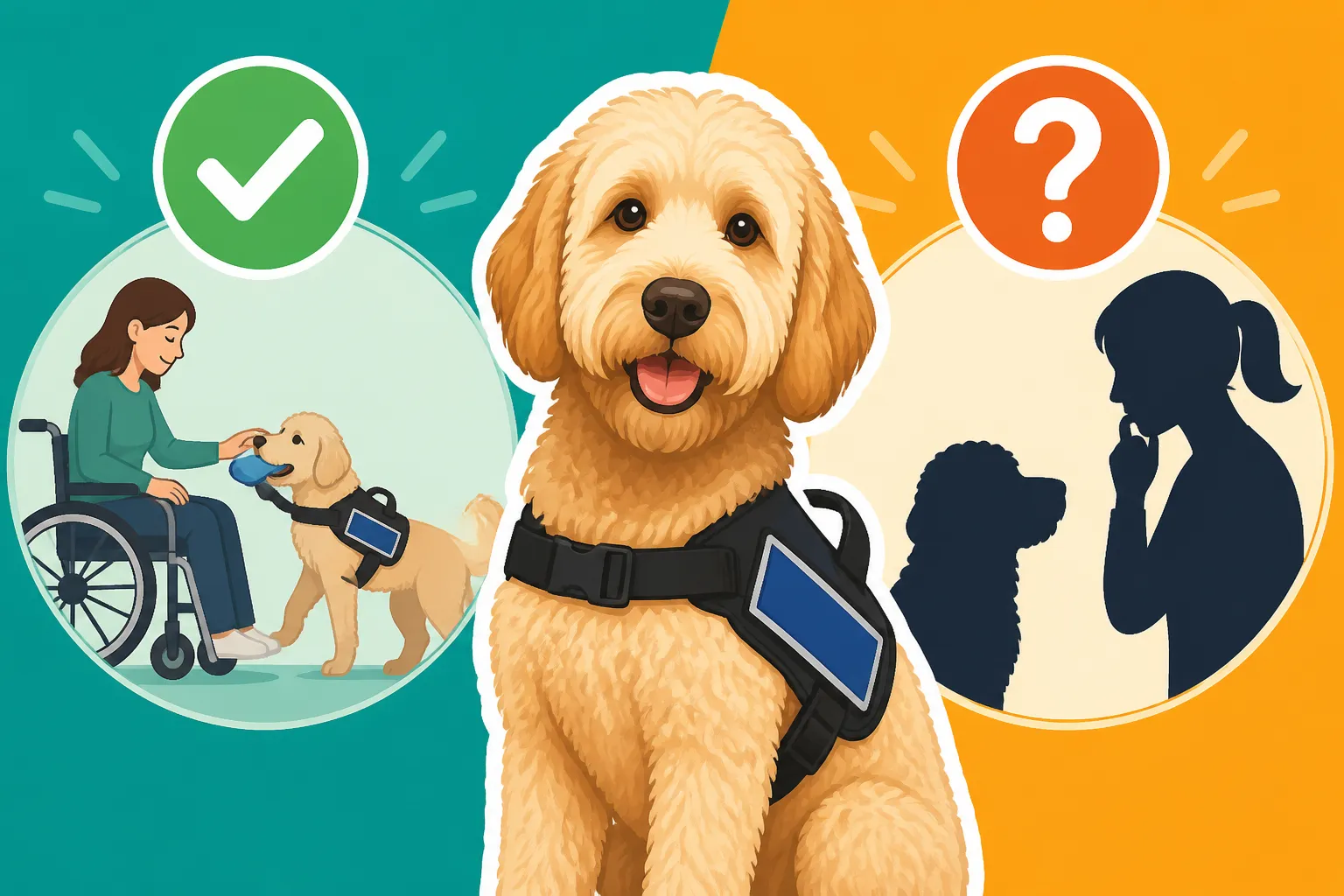
Many people bring home a Labradoodle with visions of a calm, intuitive companion, perhaps even one capable of providing genuine assistance. While their intelligent and often eager-to-please nature makes them seem like ideal candidates, the journey to becoming a certified working assistance dog is far more complex than many new owners realize. This guide will explore the realities of training a Labradoodle for assistance work, examining their strengths, the significant challenges they face, and what it truly takes to succeed in such a demanding role.
The Labradoodle's Legacy in Assistance Work
It's easy to assume the Labradoodle was designed for assistance work, given its origins. Indeed, the very first Labradoodle was bred with a specific purpose in mind: to be an allergy-friendly guide dog. However, the path from that initial cross to widespread adoption in assistance dog programs has been anything but straightforward, and many programs have since shifted their focus.
The Original Vision: An Allergy-Friendly Guide
The story of the Labradoodle began in 1989 with Wally Conron at the Royal Guide Dogs Association of Australia. He was tasked with finding a guide dog for a visually impaired woman whose husband was allergic to dogs. Conron's innovative solution was to cross a Standard Poodle, known for its intelligence and low-shedding coat, with a Labrador Retriever, celebrated for its gentle temperament, trainability, and strong working drive. The goal was simple: combine the best traits of both breeds into an assistance dog that wouldn't trigger allergies. The 1989 Cross That Made the First Labradoodle
This initial cross, and the subsequent "Sultan" puppy, captured the imagination of many. The idea of a smart, biddable, and allergy-friendly service dog seemed like a dream come true for people who had previously been excluded from the profound benefits of an assistance animal. It promised to open doors for individuals with disabilities who also suffered from pet allergies, a truly noble intention at its heart.
Why Programs Shifted Away
Despite this promising start, many established guide dog and assistance dog organizations, including the very one that initiated the breed, eventually moved away from routinely using Labradoodles. The primary reason often cited was the unpredictable nature of the crossbreed. While some Labradoodles indeed inherited the desired low-shedding coat and exceptional temperament, many did not. Predictability in genetics, coat type, and temperament is paramount for assistance dog programs, which invest significant resources into each dog.
The "allergy-friendly" claim proved to be more of a hope than a guarantee. Coats varied wildly, from true wool coats that were genuinely low-shedding to hair coats that shed profusely, often leaving allergic owners disappointed. Moreover, temperament, while often wonderful, could also swing between the high drive of a working Labrador and the more reserved, sometimes sensitive nature of a Poodle, making it harder to ensure consistency across litters. The demands of public access work require an unwavering focus and bulletproof composure, traits that were not consistently present in early Labradoodle generations. Why Assistance Programs Moved Away From the Labradoodle
Core Traits That Make a Labradoodle a Candidate
Despite the challenges, many Labradoodles still possess traits that align well with assistance work. Their inherent intelligence and desire to please, coupled with the potential for an allergy-friendly coat, continue to make them attractive prospects for individual trainers and some specialized programs.
Intelligence and Trainability
Labradoodles are generally bright dogs. Both parent breeds, the Labrador Retriever and the Standard Poodle, are renowned for their intelligence and eagerness to learn. This means a Labradoodle often picks up commands quickly and enjoys the mental stimulation of training. They respond well to positive reinforcement methods and thrive when given a job to do. This inherent trainability is a huge advantage when teaching complex tasks required of an assistance dog, such as opening doors, retrieving dropped items, or providing deep pressure therapy.
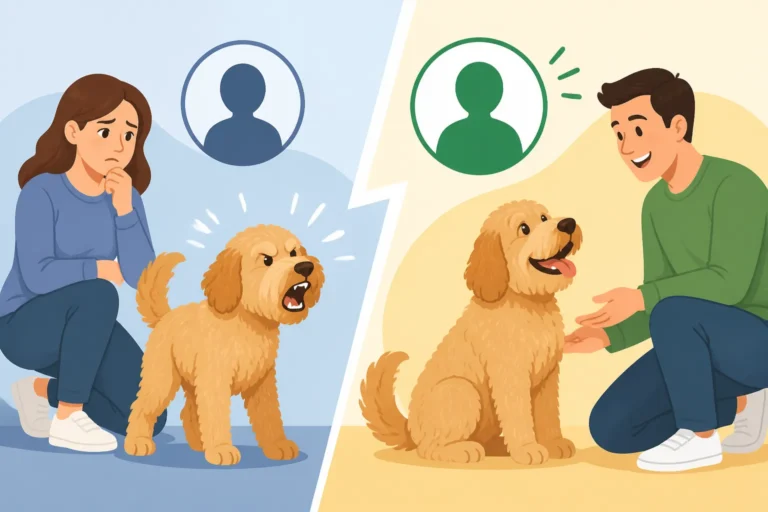
However, intelligence also comes with a caveat: a smart dog can just as easily learn undesirable behaviors if not consistently guided. A bored or under-stimulated Labradoodle can become quite creative in entertaining itself, often in ways that are counterproductive to assistance work, like counter-surfing or excessive barking. Consistent, engaging training, often incorporating methods from online platforms like BAXTER & Bella, is crucial from an early age to channel their intelligence constructively and solidify their reliability.
Temperament and Public Demeanor
A good assistance dog needs to be more than just smart; it needs an unflappable temperament. Labradors contribute a friendly, outgoing, and stable disposition, while Poodles add a keen awareness and often a sensitive nature. When these traits combine favorably, a Labradoodle can possess a wonderful balance: friendly without being overly boisterous, alert without being reactive, and calm in various environments. They can form deep bonds with their handlers, which is essential for a working partnership.
Public access demands a dog that can ignore distractions—other people, loud noises, tantalizing smells—and maintain focus on its handler. It needs to be comfortable in crowded stores, quiet libraries, and bustling public transport. While many Labradoodles are naturally social and adaptable, not all possess the extreme level of confidence and indifference to novelty that true public access work requires. What Public Access Training Asks of a Labradoodle Early and extensive socialization is non-negotiable for any potential assistance dog, ensuring they are exposed to countless sights, sounds, and experiences in a positive manner.
The Hypoallergenic Promise of the Coat
For many potential assistance dog users with allergies, the low-shedding coat is the Labradoodle's most compelling feature. The Poodle's coat is often considered hypoallergenic because it sheds minimal dander, which is the primary allergen for most people. When a Labradoodle inherits this trait, particularly with a fleece or wool coat type, it can indeed be a game-changer for an allergic individual. This unique characteristic was, after all, the entire premise for the breed's creation.
However, as discussed, coat genetics can be a roll of the dice in early generations. Even within the same litter, puppies can have varying coat types. A true allergy-friendly coat requires careful breeding over generations to stabilize this trait. Moreover, even a non-shedding coat still requires significant grooming to prevent matting, which can be a time and financial commitment that handlers need to be prepared for. Why a Wool Coated Labradoodle Costs More to Groom Regular brushing and professional grooming appointments are essential to maintain skin health and comfort, which is especially important for a working dog.
Common Challenges and Why Labradoodles Wash Out
While Labradoodles have many desirable qualities, there are significant hurdles that often lead to them "washing out" of formal assistance dog programs or proving unsuitable for owner-training. These challenges are critical for prospective owners to understand thoroughly.
Energy Levels and Focus Demands
Both Labradors and Poodles are active, intelligent breeds with a zest for life. This means a Labradoodle typically comes with a considerable energy level and a need for mental engagement. While this can translate into an enthusiastic working partner, it can also manifest as an inability to settle or a tendency to be easily distracted, both of which are detrimental to assistance work. An assistance dog needs to be "on" when working, but also capable of lying calmly for extended periods in public settings, often for hours on end.
Many Labradoodles, particularly during their adolescent phase, struggle with impulse control and maintaining focus amidst novel stimuli. This requires immense patience and consistent training to shape their behavior. Without sufficient physical exercise and mental enrichment, an assistance dog in training may become frustrated or develop undesirable habits like destructive chewing or excessive vocalization. This isn't a fault of the dog, but rather a mismatch between its needs and the specific demands of a working life. The Velcro Labradoodle That Cannot Be Left
Grooming Commitments vs. Working Life
The very coat that makes Labradoodles attractive to allergic individuals is also one of their biggest challenges. Fleece and wool coats, while low-shedding, are prone to matting if not meticulously maintained. This isn't just a cosmetic issue; severe matting can be painful, restrict movement, and lead to skin infections. Regular brushing, often daily, is required, along with professional grooming every 6-8 weeks.
For an assistance dog handler, especially someone with a disability, the intensive grooming regimen can be a significant burden. Imagine needing to brush out mats after a long day of public access tasks, or the difficulty of scheduling regular grooming appointments around a busy life or physical limitations. The time and effort involved can be substantial, and if neglected, the dog may become uncomfortable or even require a full shave-down, which compromises its appearance and the potential "allergy-friendliness." This practical reality often becomes a deal-breaker for programs and individuals alike.
Health Concerns and Genetic Predispositions
Like all breeds, Labradoodles are susceptible to certain health conditions inherited from their parent breeds. While responsible breeders conduct health testing to minimize these risks, they can still arise. Conditions such as hip and elbow dysplasia, progressive retinal atrophy (PRA), certain heart conditions, and even autoimmune diseases like Addison's can impact a dog's ability to perform assistance work. Exercise Induced Collapse and the Labradoodle's Labrador Half A working dog needs to be physically sound and healthy for many years to provide consistent service.
A significant investment in time, training, and emotion goes into raising an assistance dog. If the dog develops a debilitating health condition, it can mean the end of its working career, leaving the handler without the crucial support they depend on. This potential for unforeseen health issues is a risk inherent in any dog, but it's particularly impactful when a dog's role is so vital to a person's independence and quality of life. This underscores the importance of choosing a puppy from parents with comprehensive health clearances.
Diverse Roles Labradoodles Can Fill as Assistance Dogs
Despite the difficulties, many Labradoodles do succeed as assistance dogs in a variety of roles. Their intelligence, willingness to please, and gentle nature can be perfectly suited for tasks beyond traditional guide work, supporting individuals with a wide range of disabilities.
Mobility and Hearing Support
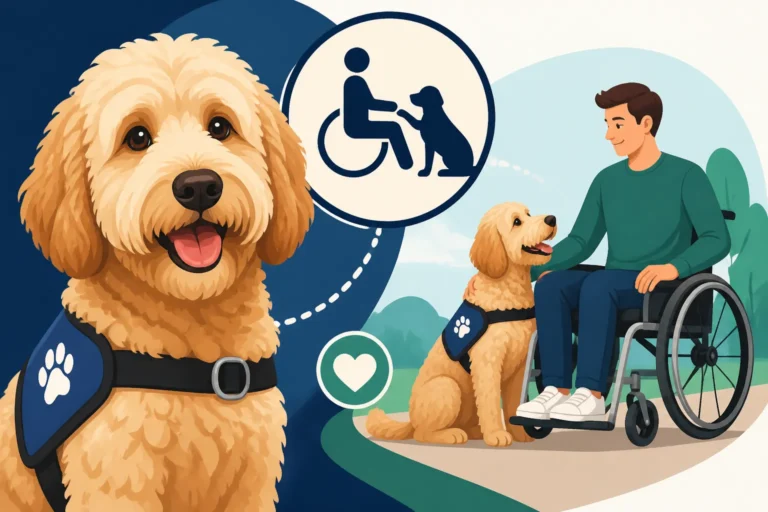
For individuals with mobility challenges, a larger Labradoodle can be trained for tasks such as retrieving dropped items, opening and closing doors, turning lights on and off, or pulling a wheelchair for short distances. Their strong retrieving drive, often inherited from the Labrador side, makes them excellent at picking up various objects. Their size and sturdy build, particularly standard Labradoodles, can provide a steady brace for someone needing balance support, though this requires careful training to ensure the dog's physical well-being.
In hearing support, Labradoodles can alert their handlers to critical sounds, such as doorbells, smoke alarms, crying babies, or even the handler's name being called. They are taught to make physical contact, like nudging their handler, and then lead them to the source of the sound. Their keen hearing and attentive nature, combined with their strong bond with their handler, make them effective in these roles. The ability to focus and reliably alert to specific sounds, ignoring others, is key.
Medical Alert and Response
Labradoodles have also found success in medical alert and response roles. This can include tasks like alerting to an impending seizure, changes in blood sugar levels for diabetics (though this requires highly specialized scent training), or even reminding a handler to take medication. Their deep bond and attentiveness to their handler can make them attuned to subtle physiological changes. For example, a dog might be trained to paw at its handler or bring a specific medical kit when it senses an impending crisis.
For response tasks, a Labradoodle might be trained to go for help, retrieve a phone, or provide comfort during a medical emergency. The critical factor here is the dog's ability to remain calm under pressure and perform a specific, learned action reliably. This is where their intelligence and trainability truly shine, as these tasks often involve complex sequences of behaviors and a high degree of precision. The Tasks a Labradoodle Is Taught for Disability Work
Psychiatric and Emotional Support
Psychiatric service dogs perform specific, trained tasks to mitigate a handler's psychiatric disability. While not strictly medical alert, these tasks can be life-changing. A Labradoodle might be trained to interrupt self-harming behaviors, provide deep pressure therapy to calm anxiety attacks, retrieve medication during a panic attack, or create a buffer in crowded public spaces for someone with agoraphobia. Their affectionate nature and ability to sense emotional shifts in their handler make them naturally empathetic in these roles.
It's crucial to distinguish a psychiatric service dog from an emotional support animal (ESA). An ESA provides comfort through its presence but does not perform specific tasks directly related to a disability. While Labradoodles excel as ESAs due to their loving personalities, a psychiatric service dog requires rigorous training to perform tasks that directly mitigate the handler's disability, making them working animals with public access rights. Whether a Labradoodle Suits Autism Assistance Work
The Road to Certification: Training Pathways
Whether you're working with a professional organization or embarking on an owner-training journey, the path to having a certified assistance Labradoodle is long, demanding, and requires unwavering commitment. There are distinct advantages and disadvantages to each route.
Professional Program Training
The most traditional route for obtaining an assistance dog is through a professional program. These organizations breed, raise, and extensively train dogs specifically for assistance work. They have a structured curriculum, experienced trainers, and a deep understanding of the legal and practical requirements for assistance dogs. When you receive a dog from such a program, it typically comes fully trained, has undergone extensive health screenings, and is ready to work. This offers a high degree of predictability and reduces the burden on the handler.
However, obtaining a program-trained Labradoodle comes with its own set of challenges. Waitlists can be incredibly long, sometimes spanning several years, due to the intensive resources required for training each dog. The cost, while often subsidized by fundraising, can still be substantial, and eligibility criteria are usually strict. While some specialized "doodle" programs exist, many larger, established organizations still favor purebred Labs and Goldens due to their long history of consistent success in these roles. This isn't to say Labradoodles can't succeed, but program availability might be more limited.
Owner-Trained Assistance Dogs
Owner-training a Labradoodle as an assistance dog has become an increasingly popular, albeit challenging, option. It offers the benefit of selecting your own dog, starting training from a young age, and tailoring the specific tasks to your individual needs. This pathway can also be more affordable than acquiring a fully trained dog from a program, though it still involves significant expenses for puppy selection, veterinary care, and professional training guidance. Many owner-trainers seek support from online resources like BAXTER & Bella, which provides structured programs and community support, or work with local certified professional dog trainers.
The biggest challenge with owner-training is the sheer dedication and expertise required. You, as the owner, are responsible for all aspects of training, socialization, and ensuring the dog meets public access standards. This means understanding canine learning theory, managing adolescent behaviors, and navigating complex legal requirements. It's a full-time commitment, often requiring hundreds, if not thousands, of hours of training. Not every dog, regardless of breed, is cut out for assistance work, and not every owner has the time, energy, or skill to take on such a monumental task. Whether an Owner Can Train Their Own Service Labradoodle
Here's a comparison of program-trained vs. owner-trained assistance dogs:
| Feature | Program-Trained Assistance Dog | Owner-Trained Assistance Dog |
|---|---|---|
| Initial Cost | Often high (subsidized by donations, but client fees can still be significant) | Variable, typically lower upfront but ongoing expenses for trainers, equipment, etc. |
| Wait Time | Can be very long (1-5+ years) | Immediate, but training time is extensive (1.5-3 years) |
| Training Burden | Minimal for handler; dog arrives fully trained | High for handler; requires extensive time, effort, and knowledge |
| Predictability | High; dogs are carefully selected and have proven temperaments | Variable; depends on puppy selection, genetics, and owner's training skill |
| Task Customization | Limited; dogs trained for general tasks, some customization post-placement | High; tasks can be precisely tailored to individual handler needs |
| Support | Lifelong support from the program | Relies on self-education, private trainers, and community groups |
| Public Access | Generally well-prepared and understood | Requires meticulous training and confidence to navigate public spaces |
| Wash Out Rate | Low for dogs that complete the program, but many dogs wash out during the program before placement | Can be high if owner lacks consistency, knowledge, or if dog's temperament is unsuitable |
Important Considerations for Prospective Assistance Dog Owners
If you're considering a Labradoodle for assistance work, whether through a program or owner-training, there are several critical factors you must evaluate thoroughly before committing. This isn't just about finding a cute puppy; it's about finding a true partner.
Finding a Reputable Breeder or Program
The foundation of a successful assistance dog often starts with responsible breeding. For Labradoodles, this means finding a breeder who not only prioritizes health testing but also breeds for stable temperaments. Look for breeders who conduct extensive health clearances on both parent dogs, including hips, elbows, eyes, and genetic tests relevant to both Labradors and Poodles (e.g., prcd-PRA, EIC, Von Willebrand's). A reputable breeder will be transparent about their health testing results and willing to discuss the temperament of their breeding dogs and past puppies. The Health Tests a Labradoodle Breeder Should Show
Beyond health, a breeder focused on assistance prospects will also temperament test their puppies. They will be looking for puppies who are confident, curious, resilient, biddable, and not overly sensitive or reactive. Avoid breeders who promise "hypoallergenic" coats without proof or make exaggerated claims about a puppy's aptitude for service work without proper assessment. If choosing a program, research their track record, accreditation, and the type of dogs they place. Don't be afraid to ask tough questions about their training methods and support services.
The Lifelong Commitment and Cost
Owning any dog is a commitment, but an assistance dog represents an even greater dedication of time, energy, and financial resources. Beyond the initial cost of the dog itself (whether from a breeder or program), there are ongoing expenses. These include high-quality food, routine veterinary care, parasite prevention, and specialized equipment such as a comfortable assistance dog vest or harness, which you can often find on platforms like Amazon. Regular grooming is not optional for a Labradoodle and can be a significant recurring expense if you use a professional.
Beyond the financial aspect, the time commitment is immense. Training is an ongoing process throughout the dog's life, especially for public access manners and task work. A working assistance dog requires daily exercise, mental stimulation, and consistent reinforcement of its skills. You are responsible for its well-being and ensuring it is always performing at its best, which impacts your own schedule and lifestyle. This partnership can last for a decade or more, and you need to be prepared for The Full Cost of Fourteen Years With a Labradoodle.
Public Access Rights and Responsibilities
One of the most significant aspects of having a working assistance dog is its public access rights. Under laws like the Americans with Disabilities Act (ADA) in the US, service dogs are permitted to accompany their handlers in most public places where pets are generally excluded. However, these rights come with serious responsibilities. Your Labradoodle must be impeccably behaved, clean, and under your control at all times. It cannot bark inappropriately, approach other people or animals without permission, or disrupt public spaces.
The reputation of all assistance dogs rests on the behavior of each individual dog. If your Labradoodle is not up to standard, it can create negative experiences for you and potentially impact public perception of service animals. This means rigorous training, constant vigilance, and the ability to advocate for yourself and your dog if you encounter misunderstanding or discrimination. Understanding the legal definitions and your rights and responsibilities is paramount to navigating life with a working assistance Labradoodle successfully.
Disclaimer
This article is for general informational purposes only and does not constitute professional advice. Laws, prices and regulations vary by location and change over time. Consult a qualified professional for guidance on your specific situation.