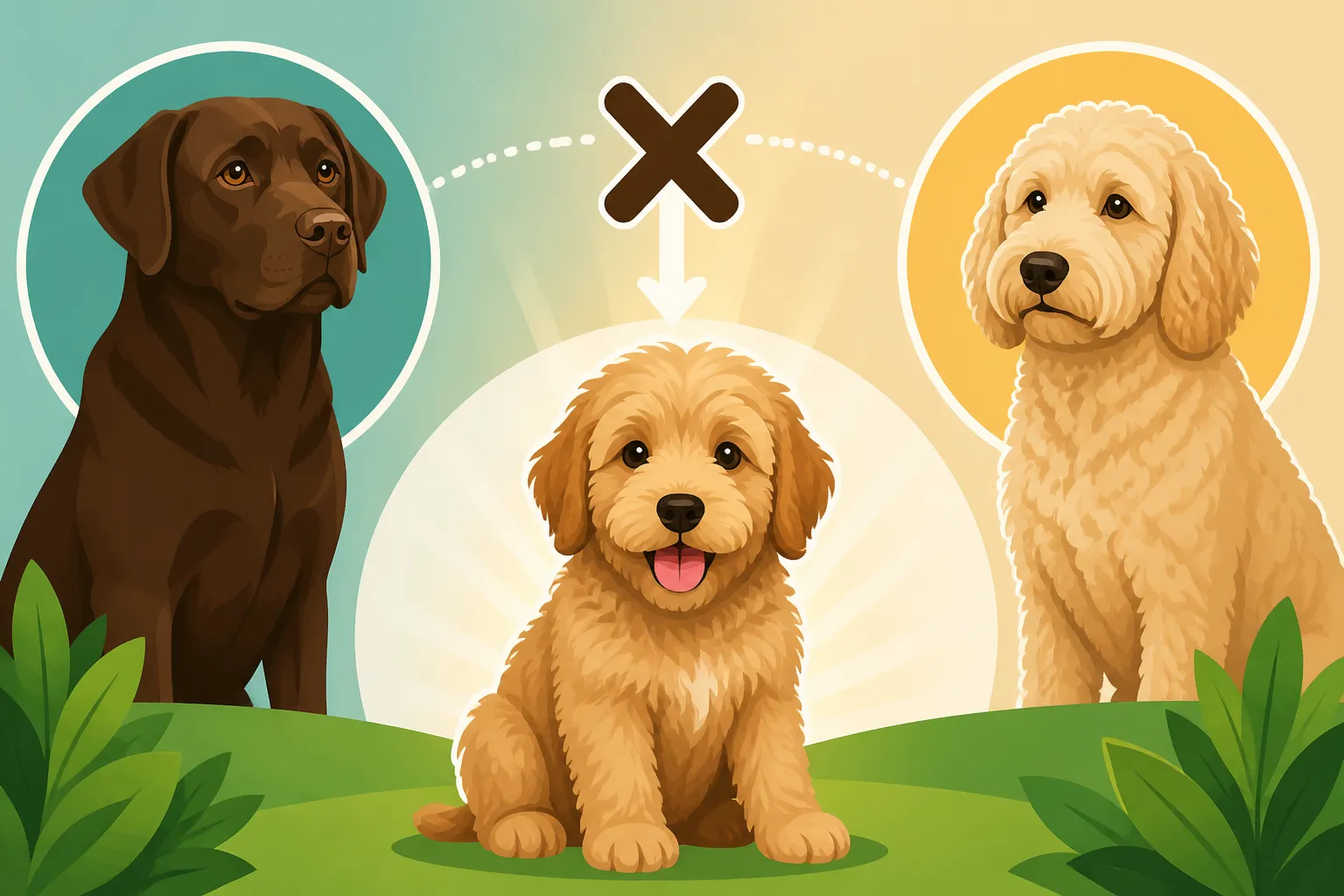
The 1989 Cross That Made the First Labradoodle
The joy and sometimes overwhelming energy of a Labradoodle can truly transform a household, bringing endless laughter and companionship. But before this beloved "doodle" became a household name, it had a very specific, almost accidental, beginning rooted in a compassionate mission to help people facing unique challenges. This guide dives deep into the fascinating true story of how the very first Labradoodle came to be in 1989, tracing its origins from a specific need to its global phenomenon status.
The Origin Story: More Than Just a Cute Name
The Labradoodle didn't just appear out of nowhere, conceived as a trendy new pet. Its genesis was born from a very real, very human need, and a dedicated individual's quest to solve a pressing problem. The name itself, now synonymous with a fluffy, friendly companion, initially represented a groundbreaking step in assistance animal breeding. Understanding this foundational story helps us appreciate the breed's journey and the complex legacy it carries today.
The Request That Started It All
The story of the Labradoodle truly begins with a woman named Pat Blum, who was blind and living in Hawaii. Pat faced a heartbreaking dilemma: she desperately needed a guide dog for her independence, but her husband suffered from severe allergies, making it impossible to bring a typical shedding breed like a Labrador Retriever into their home. This seemingly insurmountable obstacle was a source of great frustration, highlighting a gap in the service dog world.
In 1989, Pat reached out to the Royal Guide Dogs Association of Australia, detailing her unique situation and her plea for an allergy-friendly guide dog. This was a monumental ask, as the traditional guide dog breeds were chosen for their proven temperaments and working abilities, not necessarily for their hypoallergenic qualities. The challenge was put to Wally Conron, the breeding manager at the association, who recognized the profound impact such a dog could have on Pat's life.
Conron's mission was clear but incredibly complex: he needed to find or create a dog that possessed the critical temperament and trainability of a guide dog, yet also had a coat that wouldn't trigger severe allergic reactions. He knew this would require innovative thinking, pushing the boundaries of conventional breeding practices, and truly thinking outside the box to blend the best of both worlds.
Wally Conron's Mission
Wally Conron, working with the Royal Guide Dogs Association of Australia, was at the forefront of breeding and training guide dogs. He had a deep understanding of what made a successful assistance animal, emphasizing intelligence, reliability, and a calm, focused disposition. When Pat Blum's request landed on his desk, he took it as a personal challenge to improve someone's quality of life.
His initial search was exhaustive, exploring various existing breeds, but none perfectly fit the dual criteria of being an exceptional guide dog and allergy-friendly. Poodles, with their low-shedding coats, were certainly on his radar for their hypoallergenic qualities, but he wasn't entirely convinced they possessed the same consistent "bomb-proof" temperament and natural retrieving drive that made Labradors such ideal guide dogs. He needed a keen intellect, yes, but also a resilient, steady nature.
Conron was determined to find a solution, driven by the guiding principle of matching the right dog to the right person. This wasn't about creating a new trend; it was about solving a very specific, deeply personal problem for an individual seeking independence. His dedication to this mission ultimately led him to consider a cross-breeding experiment, a decision that would inadvertently change the canine landscape forever.
The Challenge of Allergen-Friendly Guide Dogs
Before Conron's innovative approach, individuals with allergies faced a significant barrier to obtaining guide dogs. The most common and successful guide dog breeds, such as Labrador Retrievers and German Shepherds, are known for their shedding coats, which release dander – tiny flakes of skin that are the primary source of allergens. For many, this meant a heartbreaking exclusion from the independence and companionship a guide dog could provide.
The scientific understanding of "hypoallergenic" was also less developed at the time. While Poodles were known to be better tolerated by allergy sufferers due to their continuously growing hair and lack of an undercoat, they weren't traditionally used as guide dogs in large numbers. Conron needed to bridge this gap, combining the Poodle's coat advantages with the Labrador's unparalleled working temperament and physical suitability.
This challenge was more than just skin deep; it was about genetics and predictability. Could he reliably combine these disparate traits in a way that produced consistent results for a demanding service role? It was a bold experiment that required foresight, a bit of luck, and a deep understanding of canine behavior and genetics, all in pursuit of making guide dogs accessible to more people.
The Initial Cross: Poodle Meets Labrador Retriever
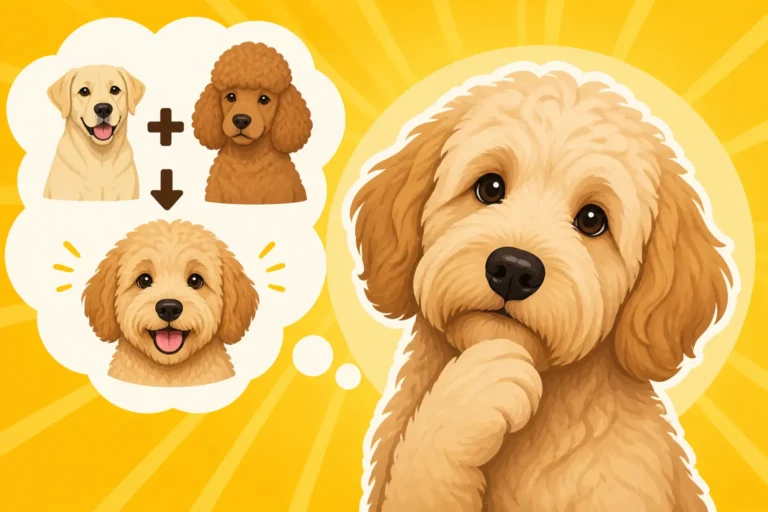
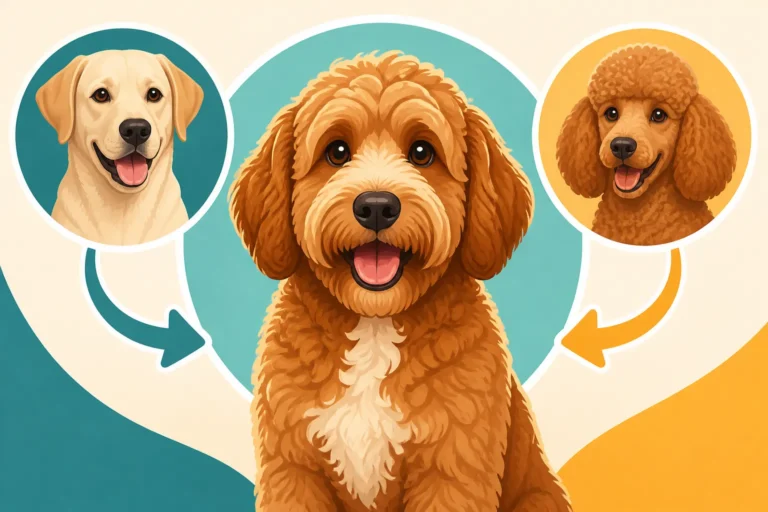
With the challenge clearly defined and traditional options exhausted, Wally Conron made the pivotal decision to create a new crossbreed. He identified the Standard Poodle and the Labrador Retriever as the ideal candidates to combine, each bringing crucial traits to the table that, he hoped, would result in the perfect allergy-friendly guide dog. This deliberate choice was the foundation of the Labradoodle.
Why the Standard Poodle?
The Standard Poodle was chosen primarily for its distinctive coat. Unlike many other breeds, Poodles have hair that grows continuously and sheds minimally, similar to human hair. This characteristic reduces the amount of dander released into the environment, making them a much more suitable option for individuals with allergies. It was the key to addressing Pat Blum's central problem.
Beyond their coat, Standard Poodles are renowned for their exceptional intelligence and eagerness to learn. They are highly trainable, excel in various dog sports, and possess a keen analytical mind, all of which are invaluable traits for a guide dog. Conron recognized that the Poodle's brains would be essential for the complex tasks and problem-solving required in guide work.
However, Poodles can sometimes be perceived as more sensitive or "softer" than the robust Labrador. While intelligent, their temperament needed to be balanced with the steadfastness of the Labrador to create a truly reliable working dog. This combination of a low-shedding coat and high intelligence made the Poodle an indispensable component of Conron's cross-breeding experiment.
Why the Labrador Retriever?
On the other side of the equation was the Labrador Retriever, a breed that had already established itself as the quintessential guide dog. Labradors are celebrated for their incredible temperament: they are friendly, patient, eager to please, and possess an unwavering focus. These qualities make them incredibly reliable and adaptable, crucial for navigating diverse environments and maintaining composure in stressful situations.
Their natural retrieving drive, loyalty, and robust physical build also made them ideal for the demanding work of guiding a visually impaired person. A Labrador can comfortably work for long periods, maintain a consistent pace, and provide a steady presence, making them perfect partners in terms of physical support and emotional reassurance.
The major drawback, as mentioned, was the Labrador's coat. They are notorious for shedding, constantly releasing dander, which was precisely the issue Pat Blum faced. Conron's challenge was to retain all these wonderful, proven working characteristics while mitigating the allergenic coat. It was a complex genetic puzzle, but the Labrador's inherent suitability for guide work made it an obvious and necessary choice for the cross.
The First Litter Arrives
After carefully selecting the parent dogs – a Standard Poodle named Harley and a Labrador Retriever named Brandy – Wally Conron proceeded with the breeding. The anticipation surrounding this first litter must have been immense, a true test of his hypothesis that these two breeds could combine to create a dog that met all the stringent requirements. The future of allergy-friendly guide dogs hung in the balance.
From this historic pairing, three puppies were born. Each puppy was a unique genetic blend, a testament to the unpredictable nature of first-generation (F1) crosses. One of these puppies, a male, would go on to be named Sultan, and he would play a crucial role in proving the viability of Conron's vision. This initial litter, while small, represented a significant moment in canine history.
The puppies displayed a variety of coat types, some leaning more towards the Poodle's curly texture, others exhibiting a straighter, more Labrador-like hair. This variability would later become a defining characteristic of F1 Labradoodles and a challenge for those seeking consistent traits. However, for Conron, the immediate goal was to find just one puppy from this litter that could successfully serve as an allergy-friendly guide dog for Pat Blum, and Sultan fit the bill perfectly.
Sultan's Legacy: The First Allergy-Friendly Guide Dog
The birth of the first Labradoodle litter was merely the beginning. The true test lay in whether any of these puppies could actually fulfill the demanding role of a guide dog while remaining allergen-free for Pat Blum. Sultan, with his promising blend of traits, was chosen for this monumental task, and his subsequent success solidified the Labradoodle's place in history.
Proving the Hypoallergenic Theory
Sultan, the chosen puppy from that pioneering litter, embarked on the rigorous training journey required of all guide dogs. He quickly proved to be an exceptional student, demonstrating the intelligence and eagerness to please that Conron had hoped for. He learned complex commands, navigated obstacles with skill, and exhibited a steady, calm temperament crucial for guiding a visually impaired individual.
The ultimate trial, however, was his meeting with Pat Blum in Hawaii. This was the moment that would determine if the entire experiment was a success. Would she experience an allergic reaction, rendering all their efforts futile? The tension must have been palpable. To everyone's immense relief and joy, Pat had no allergic reaction to Sultan. He was the answer to her prayers, providing her with the independence and companionship she had long been denied.
Sultan's success wasn't just a win for Pat Blum; it was a profound validation of Wally Conron's vision. He became the living proof that a guide dog could be both functionally excellent and allergy-friendly. His story resonated deeply, offering hope to countless other individuals who faced similar challenges, and cementing his legacy as the world's first successful Labradoodle guide dog.
The Impact on Guide Dog Programs
Sultan's groundbreaking success immediately captured the attention of guide dog organizations worldwide. The prospect of offering service dogs to a demographic previously excluded due to allergies was incredibly exciting. For a time, The Royal Guide Dogs Program Behind the Labradoodle and others explored the potential of expanding their programs to include these promising new crosses.
However, the initial enthusiasm was soon tempered by the realities of breeding first-generation crosses. While Sultan was a triumph, subsequent F1 litters exhibited a frustrating degree of variability in both coat type and temperament. Not every puppy inherited the desired low-shedding coat, and the consistency of the "guide dog temperament" wasn't as reliable as with purebred Labradors that had been selectively bred for generations.
This unpredictability presented a significant challenge for guide dog programs that rely on high success rates and consistent outcomes. The higher "wash-out" rate of Labradoodles compared to purebred Labradors, due to inconsistent traits, eventually led many organizations, including Guide Dogs Victoria, to scale back or discontinue their Labradoodle programs. While the concept was brilliant, the practicalities of mass-producing reliable working dogs from a first-generation cross proved too difficult for most.
The Early Public Reception
When the story of Sultan and the remarkable "Labradoodle" first hit the news, it created an immediate sensation. The media was captivated by the tale of an innovative crossbreed that offered a solution to a previously unaddressable problem. The catchy name, reportedly coined by Conron himself, quickly entered the public lexicon, making the Labradoodle an overnight celebrity in the canine world.
The public was enchanted by the idea of a dog that combined the beloved traits of a Labrador with the low-shedding qualities of a Poodle. Images of these adorable, often teddy-bear-like puppies spread widely, igniting a widespread desire for what many perceived as the "perfect" family pet. The "hypoallergenic" promise, even if often misunderstood, was a huge draw for millions of allergy sufferers longing for a canine companion.
This rapid and enthusiastic public reception, while flattering to Conron's initial work, also had unintended consequences. The intense demand quickly outstripped the supply of ethically bred Labradoodles, setting the stage for the commercialization and breeding practices that would later cause Wally Conron profound regret. The focus quickly shifted from purpose to profit, laying the groundwork for many of the issues the breed faces today.
The Unexpected Fallout: Wally Conron's Regrets
Despite the Labradoodle's immense popularity and the joy it brought to countless families, its creator, Wally Conron, expressed deep remorse for having initiated the cross. His regret stemmed not from the specific dogs he bred, but from the uncontrolled explosion of the "doodle" phenomenon and the subsequent unethical breeding practices that arose from it.
The "Pandora's Box" Comment
Wally Conron's poignant statement that creating the Labradoodle was his "life's regret" and that he "opened a Pandora's Box" is often startling to those who adore the breed. This strong sentiment didn't come from a dislike of the dogs themselves, but from a profound disappointment in how his carefully considered, purpose-driven cross was exploited and commercialized by others. His original intent was noble and specific, focused on a critical need for assistance dogs.
He envisioned a dog with a stable temperament and an allergy-friendly coat, bred under the strict ethical guidelines of a guide dog organization. What he witnessed instead was a gold rush, where backyard breeders and puppy mills churned out Labradoodles and other "doodles" with little regard for health, temperament, or responsible breeding practices. He felt responsible for unleashing a trend that led to widespread canine suffering and owner heartbreak.
What Conron Said He Regretted About the Labradoodle truly encapsulates his feeling that a well-intentioned innovation had spiraled out of control. His regret was rooted in the perception that the integrity of his initial mission was lost in the pursuit of profit, resulting in many poorly bred dogs and a tarnished reputation for what he originally hoped would be a beneficial development.
Unethical Breeding Practices
The overwhelming demand for Labradoodles led to a dark side: the proliferation of unscrupulous breeding practices. Many individuals, seeing the financial potential, began breeding Labradors and Poodles without any knowledge of genetic health testing, proper socialization, or even basic animal welfare. These "backyard breeders" and larger commercial operations often prioritized quantity and quick sales over the health and longevity of the puppies.
This meant that many Labradoodles were born without their parents having undergone crucial health screenings for hereditary diseases common to both parent breeds. Conditions like hip and elbow dysplasia, progressive retinal atrophy (PRA), Addison's disease, and Von Willebrand's disease became more prevalent in certain lines. Owners often faced astronomical veterinary bills and the emotional pain of a dog suffering from preventable conditions.
Furthermore, without proper early socialization and careful selection for temperament, many Labradoodles from these unethical sources exhibited behavioral issues such as anxiety, hyperactivity, or reactivity. These dogs, far from the calm, biddable companions Wally Conron had aimed for, often proved challenging for unsuspecting owners, sometimes leading to their surrender to shelters and rescues. Whether a Labradoodle From Untested Parents Is a Risk is a question that highlights the severity of this issue.
The Loss of Original Intent
Conron's initial cross was driven by a singular, humanitarian purpose: to provide a guide dog for an individual with severe allergies. The "hypoallergenic" coat was merely a functional requirement for this working animal. However, the public quickly latched onto the term "Labradoodle" and its perceived allergy-friendly nature, turning it into a "designer dog" status symbol rather than a purpose-bred service animal.
The focus shifted dramatically from the dog's working capabilities and consistent temperament to its appearance, particularly its curly coat and appealing "teddy bear" look. Breeders began to market puppies based on color and fluffiness, often making exaggerated claims about their hypoallergenic qualities, without the rigorous health testing and temperament assessment that defines responsible breeding.
This commercialization completely overshadowed the careful, ethical breeding principles that governed Guide Dogs Victoria. The true intent of enhancing human lives through specialized assistance dogs was largely forgotten amidst the scramble to profit from the "doodle craze." This departure from his original, altruistic goal was, for Conron, the most heartbreaking consequence of his accidental creation.
From Crossbreed to Cult Following: The Labradoodle's Rise
Despite the creator's reservations and the challenges posed by inconsistent breeding, the Labradoodle's popularity soared, transforming it from a niche service animal experiment into a global canine phenomenon. Its charming characteristics and the compelling narratives surrounding it cemented its place as one of the most sought-after breeds in recent history.
The Allure of the "Designer Dog"
The Labradoodle became the poster child for the "designer dog" movement, captivating the public with the promise of a dog that combined the best attributes of two beloved breeds. The idea of having the friendly, easygoing nature of a Labrador paired with the intelligence and low-shedding coat of a Poodle was incredibly appealing. It felt like a custom-made companion, perfectly suited for modern family life.
Their undeniably charming appearance also played a huge role. With their expressive eyes and soft, often wavy or curly coats, Labradoodles possess an almost cartoonish cuteness that is hard to resist. This teddy-bear aesthetic, combined with tales of their affectionate and playful personalities, created an irresistible draw for countless aspiring dog owners, from first-timers to seasoned enthusiasts.
Furthermore, the novelty of a "new" type of dog offered a fresh alternative to traditional purebreds. People were eager to welcome a dog that felt unique, yet also carried the esteemed lineage of its parent breeds. This blend of novelty, desirable traits, and undeniable cuteness propelled the Labradoodle into a rapid ascent in popularity, creating a demand that breeders struggled, and sometimes failed, to meet responsibly.
The Hypoallergenic Myth
One of the most significant factors driving the Labradoodle's widespread appeal was the perception that they are universally hypoallergenic. This belief, born from Wally Conron's original quest, became a powerful marketing tool. Millions of allergy sufferers, who had long dreamed of owning a dog, saw the Labradoodle as their answer, a furry friend they could finally welcome into their homes without fear of constant sneezing and itching.
However, the reality is far more complex and nuanced. While many Labradoodles, particularly those with Poodle-dominant coats, do shed less and produce fewer allergens than a Labrador, not all Labradoodles are truly hypoallergenic. As an F1 cross, there's a wide genetic variance, meaning some puppies might inherit a more shedding, Labrador-like coat, directly contradicting the "hypoallergenic" promise. Whether a Labradoodle Is Truly Hypoallergenic remains a key question for many.
This misunderstanding often led to heartbreaking situations where families, having purchased a Labradoodle based on this premise, found themselves still struggling with allergies. This could result in disappointment for the owners and, unfortunately, the rehoming of the dog. Responsible breeders now emphasize that no dog is 100% hypoallergenic and that individual reactions can vary, urging prospective owners to spend time with a specific dog before committing.
The Media Frenzy
The Labradoodle's unique origin story and endearing qualities quickly captured the imagination of the media. From local news features to national magazine spreads, the "doodle" became a darling of the press. Its captivating narrative, combining a compassionate mission with an adorable outcome, made for compelling content that resonated deeply with the public.
This extensive media exposure was a double-edged sword. On one hand, it brought immense awareness to the breed, skyrocketing its popularity and leading to an unprecedented demand. Celebrities were also quick to embrace the Labradoodle, further amplifying its appeal and turning it into a symbol of modern pet ownership. This whirlwind of attention firmly cemented the Labradoodle's place in popular culture.
However, this media frenzy often focused on the superficial aspects – the cuteness and the "hypoallergenic" claims – while overlooking the critical importance of responsible breeding, health testing, and genetic consistency. The rapid increase in demand, fueled by glowing media portrayals, further incentivized irresponsible breeders, ultimately contributing to the very issues that caused Wally Conron so much distress.
The Emergence of the Australian Labradoodle: A New Direction
In response to the inconsistency and ethical concerns surrounding the early Labradoodle crosses, a dedicated group of breeders, primarily in Australia, embarked on a more structured and deliberate breeding program. Their goal was to stabilize the desired traits and create a more predictable and consistent dog, leading to the development of what is now known as the Australian Labradoodle.
Stabilizing Traits and Temperament
The early Labradoodle crosses, particularly the F1 generation, often produced a wide range of coat types and temperaments due to the genetic lottery of mixing two purebreds. To address this unpredictability, a concerted effort began to move beyond the simple Poodle-Labrador cross. Breeders of the Australian Labradoodle set out to establish consistent traits, aiming for reliability in both physical characteristics and disposition.
This ambitious program involved a multi-generational breeding approach, where Labradoodle-to-Labradoodle matings were carefully planned and executed. Breeding stock was rigorously selected not only for their low-shedding coats but also for their stable, intelligent, and friendly temperaments. The aim was to "set" these desirable qualities, ensuring that puppies consistently inherited them from one generation to the next, significantly reducing the guesswork for prospective owners.
This dedication to consistency meant meticulous record-keeping, extensive health testing, and a deep understanding of genetics, truly differentiating it from the more casual breeding of early Labradoodles. The focus was firmly on creating a healthy, well-tempered companion animal that could consistently meet the needs of families and even service work, rather than just relying on the luck of the draw. What Makes a Labradoodle Australian truly is this intentional breeding program.
Introducing New Breeds
To further refine and stabilize the characteristics of the Australian Labradoodle, a few other carefully selected breeds were introduced into the original Labrador and Poodle lines. This was not a haphazard inclusion but a strategic decision to enhance certain traits, particularly coat quality and temperament, and to broaden the genetic diversity of the emerging breed.
Specifically, the English Cocker Spaniel, the American Cocker Spaniel, and the Irish Water Spaniel were incorporated into the foundational breeding stock. The Cocker Spaniels were introduced to contribute to a softer, fleece-like coat texture, a more compact size in some lines, and to reinforce a gentle, agreeable temperament. The Irish Water Spaniel, another intelligent, low-shedding breed, helped to further stabilize the non-shedding coat and add to the overall genetic health.
The Four Breeds Inside an Australian Labradoodle is a key point of distinction. These infusions were painstakingly managed, often over many generations, to ensure that only the desired traits were passed on. This multi-breed foundation is what fundamentally sets the Australian Labradoodle apart from the simpler F1 or F1b Labradoodle, marking its evolution into a distinct type of dog with a more predictable outcome.
The Drive Towards a Recognized Breed
With the deliberate, multi-generational breeding program and the careful infusion of additional breeds, the Australian Labradoodle began to develop a distinct identity, moving beyond a mere crossbreed. Breeders invested significant effort into establishing formal associations and registries, such as the Australian Labradoodle Association of America (ALAA) and the Worldwide Australian Labradoodle Association (WALA).
These organizations were founded with the explicit goal of setting comprehensive breed standards, maintaining detailed pedigrees, and promoting ethical breeding practices among their members. These standards encompass everything from temperament and conformation to the various coat types, aiming to ensure consistency and predictability within the Australian Labradoodle population. Members are typically required to adhere to strict health testing protocols for their breeding stock.
While full recognition by major kennel clubs like the AKC is a lengthy and arduous process – and Why No Kennel Club Registers the Labradoodle is a complex discussion – the formation of these dedicated associations signifies a serious commitment to developing the Australian Labradoodle as a legitimate, standardized breed. This structured approach aims to safeguard the health, temperament, and genetic integrity of the dogs, ensuring they consistently embody the ideal qualities their founders envisioned.
Understanding Generations: F1, F1b, and Beyond
The term "Labradoodle" can refer to a variety of genetic combinations, and understanding these generations is crucial, especially for those concerned about coat type and potential allergies. The genetic makeup significantly influences the predictability of traits, from shedding levels to overall appearance.
The F1 Labradoodle: First Generation
The F1 Labradoodle represents the very first generation of the cross, produced by mating a purebred Labrador Retriever with a purebred Standard Poodle. The "F1" stands for "Filial 1," signifying that these puppies are the direct offspring of two distinct purebred parents. This generation is where the term "genetic lottery" truly applies, as the puppies can inherit a wide range of traits from either parent.
In an F1 litter, you'll observe significant coat variability. Some puppies might have a straighter, hair-like coat that sheds more like a Labrador, while others will have a wavy, shaggy fleece coat, and a few might even develop a curlier, more Poodle-like coat. This unpredictability in shedding levels means that an F1 Labradoodle cannot be guaranteed to be allergy-friendly, which was a core issue for Wally Conron. Whether an F1 Labradoodle's Coat Is a Gamble is a very real concern for allergic families.
While generally friendly and intelligent, the temperament can also show more variation compared to later, more established generations. If you're considering an F1, it's vital to spend time with the puppy and its parents, if possible, and to manage expectations regarding coat type. For those with severe allergies, an F1 can be a higher risk due to the sheer genetic diversity in the first cross.
The F1b and Backcrosses
To increase the likelihood of a non-shedding, allergy-friendly coat, breeders developed what's known as the "backcross," most commonly the F1b Labradoodle. An F1b is created by breeding an F1 Labradoodle back to one of its purebred parents, almost always a Standard Poodle. The "b" denotes this backcross, signifying an intentional effort to reintroduce more Poodle genetics.
The result of an F1b cross is a dog that is typically 75% Poodle and 25% Labrador. This higher percentage of Poodle genetics significantly increases the chances of inheriting a curlier, more Poodle-like coat that sheds minimally and is generally better tolerated by allergy sufferers. For families with mild to moderate allergies, an F1b Labradoodle is often a much safer choice than an F1.
While the F1b excels in providing a more consistent, low-shedding coat, it's important to remember that this also means a greater influence of Poodle characteristics in temperament and energy levels. They may be more inclined to Poodle traits, such as being a bit more sensitive or needing extensive mental stimulation. Understanding this genetic shift is key to choosing the right generation for your lifestyle and needs.
Multigenerational Labradoodles
Multigenerational (often shortened to "Multi-gen") Labradoodles represent the culmination of the deliberate breeding programs, particularly within the Australian Labradoodle lines. These are dogs produced by breeding two Labradoodles together, or by breeding an F1b or F2 Labradoodle back to another Multi-gen Labradoodle, after several generations of careful selection. The aim is to create predictability and consistency in all aspects.
By continually breeding Labradoodle to Labradoodle, with rigorous selection for desired traits, Multi-gen breeders strive to "set" the genetic characteristics. This results in puppies that reliably exhibit the characteristic fleece or wool coats that are typically low-shedding and more allergy-friendly. Temperaments also become more consistent, often combining the Poodle's intelligence with the Labrador's relaxed and sociable nature in a predictable way.
For those seeking the highest degree of predictability in terms of coat type, shedding, and temperament, particularly for allergy concerns or specific service roles, a well-bred Multi-gen Australian Labradoodle is often the ideal choice. This approach, championed by associations like ALAA and WALA, demonstrates the breed's evolution from a simple cross to a more standardized and reliable companion. The Multigen Program That Made the Australian Labradoodle is precisely what drives this consistency.
The Modern Labradoodle: What to Expect Today
The Labradoodle has come a long way since Wally Conron's initial cross in 1989. Today, it remains a beloved companion for many, but navigating the world of Labradoodle ownership requires an understanding of its history, its genetic variations, and the ongoing importance of responsible breeding practices.
The Importance of Responsible Breeding
In today's Labradoodle landscape, the single most critical factor in bringing home a healthy, well-adjusted dog is choosing a responsible breeder. The term "Labradoodle" is not regulated by major kennel clubs, which means there's a wide spectrum of breeding practices, from highly ethical and dedicated to purely commercial and unscrupulous. It's up to prospective owners to do their homework.
A reputable breeder will prioritize the health and temperament of their dogs above all else. They will conduct extensive genetic health testing on both parent dogs for conditions prevalent in Poodles and Labradors, such as hip and elbow dysplasia, various eye diseases like progressive retinal atrophy (PRA), Addison's disease, and Von Willebrand's disease. They should be able to provide verifiable health clearances, not just verbal assurances. The Health Tests a Labradoodle Breeder Should Show should always be requested and reviewed.
Furthermore, responsible breeders provide an enriching environment for their puppies, focusing on early socialization and temperament assessment. They will typically have a waiting list, interview potential buyers thoroughly to ensure a good match, and offer lifelong support for their puppies. Seeking out breeders affiliated with recognized organizations like the ALAA or WALA can often lead you to a more ethical source. You can even find reputable breeders who ensure their breeding dogs are healthy and well-fed, often sourcing their quality food and supplements from trusted retailers like Chewy.
Temperament and Trainability
Despite the genetic variations across generations, the Labradoodle's core appeal still lies in its wonderfully intelligent and generally amiable temperament. Combining the keen mind of the Poodle with the eager-to-please nature of the Labrador, they are highly trainable and thrive on mental and physical stimulation. This makes them excellent candidates for a variety of activities, from basic obedience to advanced dog sports and even continued service work.
Labradoodles are typically very family-oriented and love to be involved in household activities. They are often described as "people pleasers" and respond well to positive reinforcement training methods. Their intelligence means they learn quickly, but it also means they can become bored or mischievous if not given enough to do. Consistent training and mental challenges are essential to channeling their energy productively. While The Ten Month Old Labradoodle That Forgets Everything might seem like a frustrating phase, it's a normal part of canine adolescence that consistent training can easily overcome.
With proper socialization and training from a young age, Labradoodles develop into loyal, affectionate, and well-behaved companions. They excel in homes where they receive plenty of attention, exercise, and mental engagement, embodying the intelligent and devoted characteristics that Wally Conron initially sought to combine.
Living with a Labradoodle
Bringing a Labradoodle into your life means committing to a dog that thrives on interaction and activity. They are often referred to as "Velcro dogs" due to their strong desire to be close to their human family members, often following you from room to room. This means they generally do not do well when left alone for extended periods without adequate exercise and mental engagement. The Velcro Labradoodle That Cannot Be Left is a common experience, and addressing potential separation anxiety is important.
Grooming is another significant aspect of Labradoodle ownership that prospective owners often underestimate. While many Labradoodles are low-shedding, their coats require regular and thorough maintenance to prevent painful matting. Depending on whether your Labradoodle has a fleece or wool coat, this can mean daily or weekly line brushing all the way down to the skin, along with professional grooming every six to eight weeks. Neglecting grooming can lead to uncomfortable mats and expensive, even traumatic, trips to the groomer for a complete shave down. Learning Brushing a Labradoodle to the Skin, Not the Surface is essential.
Beyond grooming, Labradoodles require a good amount of exercise to stay happy and healthy. Daily walks, engaging playtime in a secure yard, or trips to the dog park are crucial for burning off their energy and providing mental stimulation. They are active, intelligent dogs that enjoy learning and exploring, making them ideal companions for active families who enjoy outdoor adventures. Ensuring proper nutrition and having the right supplies on hand, which can be easily found on sites like Chewy, is also vital for their overall well-being.
| Generation | Parent Cross | Coat Consistency | Allergy Friendliness | Predictability of Traits |
|---|---|---|---|---|
| F1 (First Generation) | Purebred Labrador x Purebred Poodle | Low (highly variable) | Variable | Lower |
| F1b (Backcross) | F1 Labradoodle x Purebred Poodle | Medium-High (more Poodle-like) | Higher (better for allergies) | Medium |
| Multigenerational (Australian Labradoodle) | Labradoodle x Labradoodle (selected lines) | High (consistent fleece/wool) | Highest (most reliable for allergies) | High |
Disclaimer
This article is for general informational purposes only and does not constitute professional advice. Laws, prices and regulations vary by location and change over time. Consult a qualified professional for guidance on your specific situation.