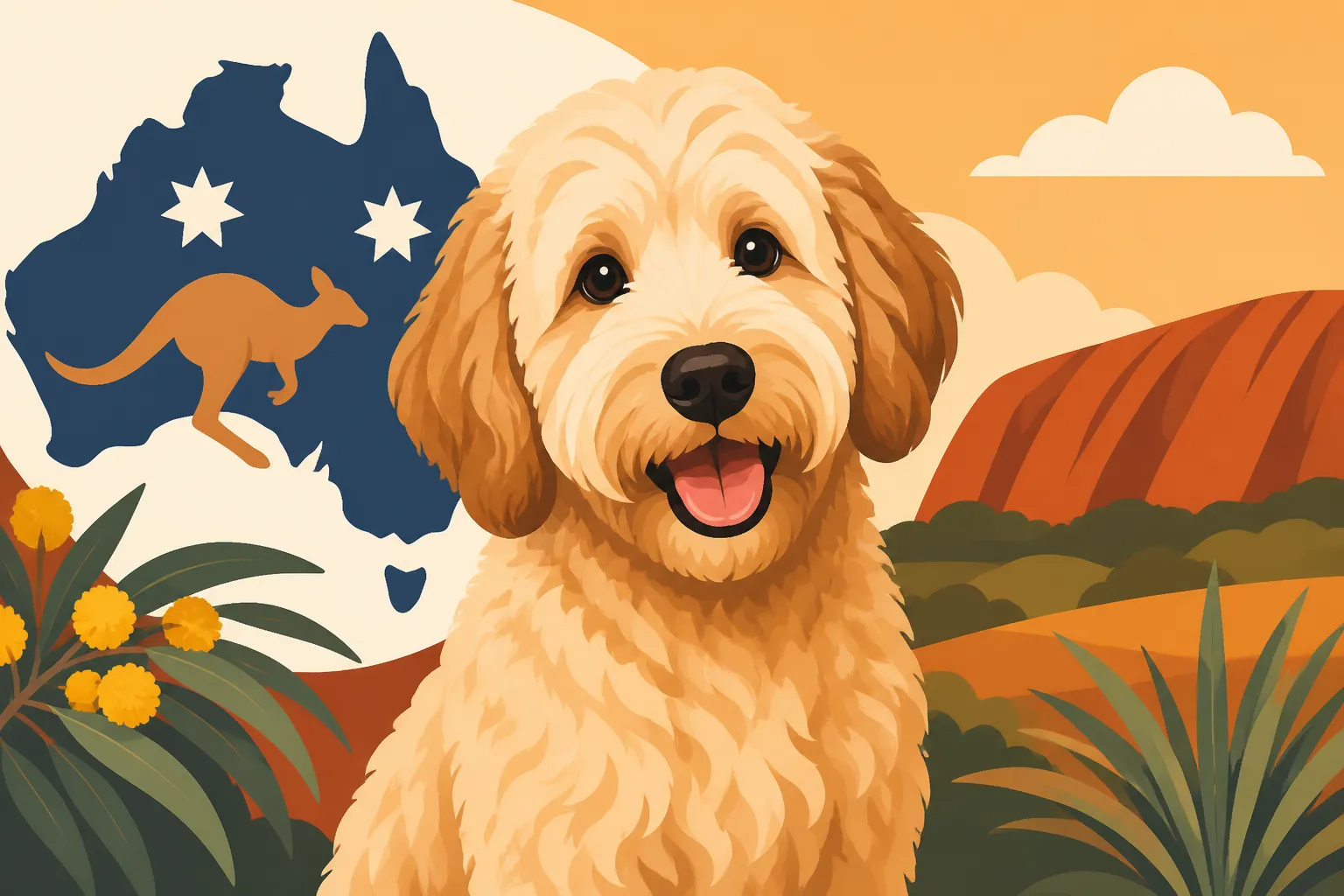
What Makes a Labradoodle Australian
Many folks get excited about bringing a Labradoodle into their home, and naturally, they start researching everything they can about these wonderful dogs. One of the most common points of confusion that pops up is the difference between a "Labradoodle" and an "Australian Labradoodle." It's not just a fancy geographical label; these are actually two distinct types of dogs with different origins, breed compositions, and often, different expectations in terms of predictability. This guide is here to untangle that knot of misunderstanding, walking you through exactly what sets an Australian Labradoodle apart and why that distinction matters.
Unpacking the "Australian" Difference
When you hear "Australian Labradoodle," it's easy to assume it simply means a Labradoodle bred in Australia. But that's not quite right. While the original Labradoodle cross was developed in Australia, the term "Australian Labradoodle" now refers to a specific line of dogs that moved beyond the simple Poodle-Labrador cross. This is where the story gets really interesting and a bit more complex.
More Than Just a Location
The initial Labradoodle, the one Wally Conron first bred back in 1989 for a visually impaired woman in Hawaii, was a direct cross between a Labrador Retriever and a Standard Poodle. The goal was to combine the guide dog qualities of the Labrador with the low-shedding coat of the Poodle for allergy sufferers. You can learn more about The 1989 Cross That Made the First Labradoodle and even Wally Conron and the Labradoodle He Regrets if you want the full history. These first crosses, often called F1 Labradoodles, were a bit of a genetic gamble. Some inherited the Poodle's coat, some the Labrador's, and some a mix. Their temperaments could also be quite varied.
The "Australian Labradoodle" as it's known today, however, originated from a more intentional, multi-generational breeding program aimed at creating a consistent dog with specific traits, not just a first-generation hybrid. This distinction is crucial because it speaks to a different approach to breeding and a different level of genetic development. It's less about where the dog was bred and more about what breeds are in its ancestry and how many generations have been carefully bred.
The Foundation Breeds Beyond Poodle and Labrador
Here's where the Australian Labradoodle really stakes its claim as unique: it's not just Labrador and Poodle. Over time, breeders in Australia introduced other breeds into the mix to solidify certain characteristics and improve consistency in coat, temperament, and health. These infusions were carefully managed, adding specific traits that were proving difficult to consistently achieve with just the original two breeds.
The most commonly acknowledged additional breeds in the Australian Labradoodle's ancestry are the English Cocker Spaniel, the American Cocker Spaniel, and the Irish Water Spaniel. Each of these breeds brought something to the table:
- Cocker Spaniels (English and American): These dogs contributed to refining the coat texture, often promoting the soft, wavy fleece coat that is highly desired in Australian Labradoodles. They also influenced the size range, especially for the smaller varieties, and could contribute to the generally cheerful and biddable temperament.
- Irish Water Spaniel: This breed, known for its dense, curly, water-repellent coat and active, intelligent nature, was introduced to further enhance the non-shedding qualities and robustness of the coat, as well as add to the overall genetic diversity.
So, when you encounter an Australian Labradoodle, you're looking at a dog that has up to five different breeds in its lineage, all carefully selected and bred over many generations to produce a predictable outcome. This is a far cry from the simple F1 cross. If you're curious about the specific genetic makeup, take a look at The Four Breeds Inside an Australian Labradoodle.
Generations and Genetic Stability
Understanding generations is key to grasping the difference. A standard Labradoodle can be an F1 (first cross, Labrador x Poodle), F1b (F1 Labradoodle x Poodle), F2, and so on. The further you get from the initial F1, the more genetic variation you might see unless breeding is very carefully controlled. You can learn more about What F1 Means on a Labradoodle.
The Australian Labradoodle, by contrast, is typically considered a multi-generational (Multigen) dog. This means that Australian Labradoodles are bred only to other Australian Labradoodles, or occasionally back to one of their foundation breeds for specific genetic reasons, always within a carefully managed program. The goal of this multi-generational breeding is genetic stability. Breeders are working to produce puppies that consistently exhibit the desired coat type, temperament, and physical characteristics. This predictability is one of the main reasons people seek out Australian Labradoodles. It's about taking the guesswork out of what your puppy will grow up to be, especially concerning shedding and allergy-friendliness. This is Whether an Australian Labradoodle Is More Predictable than a traditional Labradoodle.
Key Characteristics of the Australian Labradoodle
Because of its multi-breed foundation and extensive breeding programs, the Australian Labradoodle tends to have more consistent characteristics than a standard Labradoodle. This consistency is what many owners are looking for when they choose this particular type of Doodle.
Coat Types and Hypoallergenic Claims
One of the primary reasons the Labradoodle was created was for its potential to be allergy-friendly. The Australian Labradoodle breeders have worked tirelessly to standardize coat types to maximize this trait. While no dog is truly 100% hypoallergenic, the Australian Labradoodle is bred to have a consistent, low-to-non shedding coat.
The most common and sought-after coat types in Australian Labradoodles are:
- Fleece Coat: This is the most popular type, often described as soft, silky, and flowing. It can range from wavy to spiraling curls and feels like a soft lamb's wool. It's generally low-shedding.
- Wool Coat: Similar to a Poodle's coat, it's dense, curly, and thick. It's often described as feeling like sheep's wool. This coat is typically non-shedding, making it a good choice for severe allergy sufferers, though it requires diligent grooming.
You can delve deeper into the general Labradoodle coat types with The Three Labradoodle Coats: Hair, Fleece and Wool. This consistency means that if you're looking at an Australian Labradoodle puppy from a reputable breeder, you have a much higher chance of knowing what kind of coat it will develop, and therefore, its shedding potential. Regular grooming is still a must for these coats to prevent matting, and you'll find plenty of grooming supplies, from brushes to shampoos, at places like Chewy.
Temperament and Trainability
The temperament of the Australian Labradoodle is another area where consistency is a significant advantage. Breeders have focused on selecting for traits that make them excellent family companions and even service dogs. They are typically described as:
- Intelligent and Eager to Please: This makes them highly trainable, often excelling in obedience and various dog sports. They pick up new commands quickly and enjoy having a "job" to do, whether it's learning tricks or participating in agility.
- Affectionate and Social: Australian Labradoodles are known for their loving nature and desire to be part of the family. They thrive on human companionship and are often described as "Velcro dogs" due to their tendency to stick close to their people.
- Intuitive and Empathetic: These qualities make them particularly suited for therapy or assistance work, as they can be quite sensitive to human emotions and needs.
- Energetic but Adaptable: They have a good amount of energy that needs to be channeled through daily exercise, but they are generally adaptable to various living situations as long as their physical and mental needs are met.
While Labradoodles in general are known for good temperaments, the multi-generational breeding of the Australian Labradoodle aims to ensure these desirable traits are consistently passed down. For a broader look at the influences on temperament, consider reading The Temperament a Labradoodle Gets From Each Parent.
Size and Appearance Standards
With the specific breeding programs, Australian Labradoodles also adhere to more defined size categories and overall appearance standards. This means there's less variation within the "Standard," "Medium," and "Miniature" classifications compared to some other Doodle crosses.
- Standard: Typically around 21-24 inches tall at the shoulder and weighing 50-65 pounds.
- Medium: Usually 17-20 inches tall and weighing 30-45 pounds.
- Miniature: Generally 14-16 inches tall and weighing 15-25 pounds.
Beyond size, they are bred to have a distinctive "doodle" appearance with a shaggy, yet well-groomed look. Their expressive eyes, well-proportioned bodies, and characteristic "furnishings" (the longer hair on their face, ears, and legs) are all part of the desired breed standard being developed within Australian Labradoodle communities. This controlled breeding is key to their more uniform appearance.
The Journey Towards Breed Recognition
Unlike many other "designer breeds," the Australian Labradoodle has been on a deliberate path toward becoming a recognized breed in its own right. This involves dedicated breeding associations, strict registration requirements, and a focus on health and genetic diversity.
Breeding Programs and Registries
Because the Australian Labradoodle aims for breed consistency, it has established its own dedicated registries and breeding associations. These organizations set standards for health testing, breeding practices, and pedigree tracking, which are often much more stringent than for a simple F1 Labradoodle. Organizations like the Australian Labradoodle Association of America (ALAA) and the Worldwide Australian Labradoodle Association (WALA) are key players in this effort.
These registries require breeders to perform extensive health testing on breeding stock for conditions common in the foundation breeds, such as hip and elbow dysplasia, eye diseases (like PRA), and certain genetic conditions. This commitment to health is a significant differentiator. By tracking pedigrees and ensuring responsible breeding, these programs are working to minimize inherited health issues and maintain the integrity of the lines. Many reputable breeders will openly share these health clearances, which you should always ask to see.
The fact that these dogs are bred to a standard, rather than just being a mix, means that their journey toward eventual recognition is very different from that of a standard Labradoodle. If you want to understand why traditional Labradoodles aren't recognized, check out Why No Kennel Club Registers the Labradoodle. The Australian Labradoodle’s controlled breeding and multi-generational approach are precisely what's needed to move towards formal breed status.
The Australian Cobberdog Connection
To add another layer to the discussion, you might also hear the term "Australian Cobberdog." The Australian Cobberdog is essentially the Australian Labradoodle under a different name, often with a slightly different focus on its development as a recognized breed. The founder of the Australian Labradoodle breed, Rutland Manor, decided to pursue official breed recognition through a different avenue, ultimately registering their dogs as Australian Cobberdogs.
The primary difference often comes down to the registries and the specific breed standards they adhere to. While both types share a common ancestry and often very similar characteristics, the Australian Cobberdog has achieved a preliminary level of breed recognition through organizations like the MDBA (Master Dog Breeders and Associates) in Australia. This means they have a defined breed standard and are working towards full recognition.
It's a subtle but important distinction that further highlights the deliberate effort to move beyond a "designer mix" label and establish a new, recognized breed. This journey is complex, but it shows the dedication behind these specific lines of dogs. The Australian Cobberdog and Its Separate Name further explains this unique development.
Why Choose an Australian Labradoodle?
Given the effort and expense that goes into breeding Australian Labradoodles, it's fair to ask why someone would specifically choose one over a traditional Labradoodle or another Doodle mix. The answer often comes down to predictability and the desire for certain consolidated traits.
Predictability vs. Variety
The main selling point of an Australian Labradoodle is its predictability. When you adopt an Australian Labradoodle puppy from a reputable breeder, you have a much clearer idea of what you're getting in terms of:
- Coat Type: As mentioned, the fleece and wool coats are largely standardized, reducing the risk of a Labradoodle that sheds heavily. This is huge for families with allergies.
- Temperament: The consistent breeding programs aim for that cheerful, intelligent, and social disposition, making them generally excellent family dogs and more reliable for specific roles like therapy or assistance work.
- Health: With stringent health testing requirements within their breeding programs, the likelihood of inheriting certain genetic conditions is theoretically reduced. This doesn't mean they are immune to health issues, but responsible breeders are actively working to mitigate known risks.
A traditional F1 Labradoodle, while wonderful in its own right, can be more of a "genetic lottery" in these areas. You might get a perfect low-shedding, calm dog, or you might end up with one that sheds a lot and has a higher energy level than anticipated. Both can be fantastic pets, but the Australian Labradoodle offers a more consistent package.
The Commitment Required
Choosing an Australian Labradoodle, like any dog, is a significant commitment. While they are bred for consistency, they still require all the regular care and attention any dog needs.
- Grooming: Even with a low-shedding coat, Australian Labradoodles need regular brushing to prevent matting, often several times a week, and professional grooming every 6-8 weeks. Neglecting their coats can lead to painful mats that require shaving, which no one wants. Investing in good grooming tools from a pet supply store like Chewy is essential.
- Exercise and Mental Stimulation: Their intelligence and active nature mean they need daily exercise, not just a quick walk around the block. They also thrive on mental challenges, so training sessions, puzzle toys, and interactive play are crucial to keeping them happy and well-behaved.
- Training and Socialization: Like all puppies, Australian Labradoodles benefit immensely from early socialization and consistent positive reinforcement training. Their eagerness to please makes them generally a joy to train, but consistency is key, especially during adolescence. You'll find many resources for puppy training and behavior at Chewy too, from treats to training pads.
Ultimately, an Australian Labradoodle is a purpose-bred dog with a specific history and a dedicated community working to establish it as a distinct and reliable breed. Their carefully managed lineage, diverse genetic background, and focus on predictable traits make them a unique and highly sought-after companion for many families, especially those looking for a specific blend of intelligence, temperament, and a low-shedding coat.
| Feature | Traditional Labradoodle (F1, F1b, etc.) | Australian Labradoodle (Multi-generational) |
|---|---|---|
| Parent Breeds | Labrador Retriever + Poodle (sometimes backcross) | Labrador Retriever, Poodle, Cocker Spaniel, Irish Water Spaniel |
| Genetic Predictability | Variable, especially in F1 generation | High, due to multi-generational breeding program |
| Coat Consistency | Can vary widely (Hair, Fleece, Wool) | Highly consistent (Fleece, Wool) with low/non-shedding |
| Temperament Consistency | Can vary, depends on parent traits | Highly consistent (intelligent, social, intuitive) |
| Breeding Goal | Initial cross for specific traits, often less standardized | Develop a consistent, recognized breed with stable traits |
| Registries/Associations | Varies; some informal doodle clubs | Dedicated breed associations (ALAA, WALA) with strict standards |
| Path to Recognition | Not typically pursuing formal breed status | Actively pursuing formal breed recognition (e.g., Australian Cobberdog) |
| Health Testing | Varies by breeder | Generally more stringent and standardized across programs |
Disclaimer
This article is for general informational purposes only and does not constitute professional advice. Laws, prices and regulations vary by location and change over time. Consult a qualified professional for guidance on your specific situation.