Whether the Labradoodle Existed Before 1989
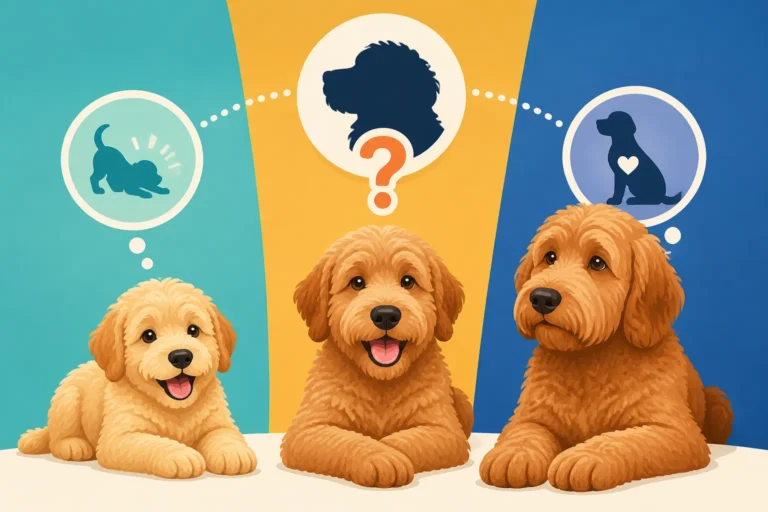
It's easy to assume that every dog breed or popular cross has a clear, documented origin, but the truth is often much murkier. When it comes to the Labradoodle, many people believe its story begins and ends with one specific event in 1989. This article dives deep into that widely accepted history, while also exploring the possibility of Labrador-Poodle mixes existing long before they were given a name and purpose, helping to clarify the nuanced beginnings of this beloved companion.
The Widely Accepted Origin Story of the Labradoodle
For most enthusiasts and casual observers alike, the birth of the Labradoodle is firmly planted in the late 1980s, specifically 1989. This date is not arbitrary; it marks a very particular moment of intentional breeding by a specific organization for a distinct purpose. It’s a story that has been told and retold, shaping the public perception of this popular "designer dog."
Wally Conron and the Royal Guide Dogs Association of Australia
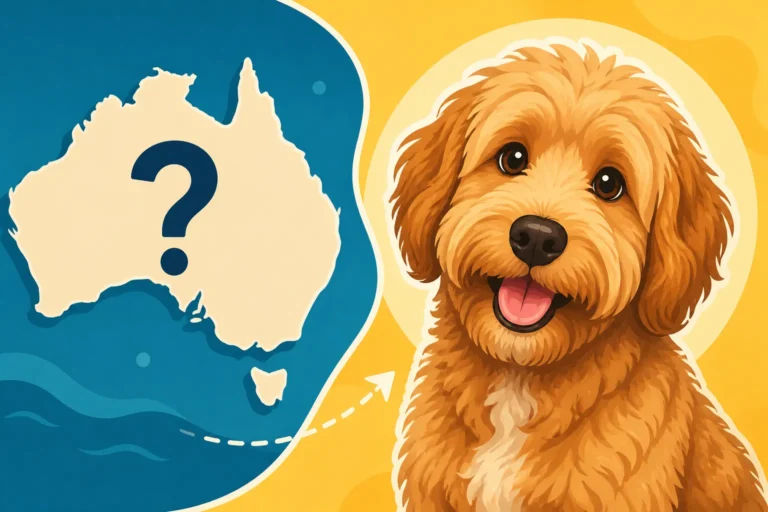
The tale begins with a woman named Pat Blum, who lived in Hawaii and needed a guide dog. Here's the twist: her husband was severely allergic to dog dander. This presented a significant challenge for the Royal Guide Dogs Association of Australia, where Wally Conron was the breeding manager. He had a formidable task: to produce a guide dog with the temperament, intelligence, and trainability of a Labrador Retriever, but with a coat that wouldn't trigger severe allergies. This was no small feat; guide dogs require an exceptional blend of calm demeanor, focus, and physical soundness. Simply finding any low-shedding dog wasn't enough; it had to be one capable of performing the demanding work of a service animal. Conron understood the profound impact such a dog could have on someone's life, and he was determined to find a solution. He considered various breeds, but the Poodle, with its intelligent nature and non-shedding coat, seemed like the most logical choice to cross with the reliable Labrador. The Royal Guide Dogs Program Behind the Labradoodle was specifically looking for a solution to this allergy problem, which became the driving force behind the Labradoodle's creation.
Conron initially tried to train a Standard Poodle, but found that while intelligent, they often lacked the steady, biddable nature and broad-shouldered confidence typically found in Labradors, which are ideal traits for guide work. The Poodle's finer bone structure and different drive also didn't quite fit the mold of what was needed for a working guide. This led him to the idea of a crossbreed, hoping to combine the best attributes of both parents. He wasn't just breeding two dogs together; he was trying to engineer a specific outcome. The idea was groundbreaking because it was a deliberate, scientific attempt to solve a real-world problem, rather than a casual pairing. The hope was that the Poodle's coat genetics would be dominant enough to produce puppies with significantly reduced shedding, making them suitable for allergy sufferers, while retaining the Labrador’s renowned working ability and friendly disposition.
Sultan's Arrival and Initial Reception
The first litter resulting from this strategic cross proved promising, and among them was a puppy named Sultan. Sultan quickly showed exceptional potential, inheriting the Poodle's low-shedding coat along with the Labrador's trainability and eagerness to please. He was a perfect example of what Conron had hoped for: a dog that could potentially serve as a guide for someone with allergies. However, despite Sultan's success and the clear benefits for Pat Blum, the other puppies in the litter faced an unexpected hurdle: public perception. Nobody seemed interested in a "crossbreed," a term that at the time often carried a stigma of being inferior to purebred dogs. Why Nobody Wanted the First Labradoodle Puppies became a significant problem.
Conron, a savvy and pragmatic individual, realized that the lack of public interest was hindering the placement of these wonderful puppies. To overcome this, he coined a new, catchy name for the cross: "Labradoodle." This seemingly simple act of branding transformed the perception of these dogs almost overnight. Suddenly, people were curious about this exotic-sounding new "doodle" that promised the best of both worlds. It helped distinguish them from generic mixes and gave them an identity. This marketing stroke of genius ultimately led to the successful placement of Sultan and his siblings, and inadvertently ignited a global phenomenon that would change the landscape of dog breeding forever. The name not only made them more marketable but also gave them a distinct identity that people could easily remember and associate with their unique traits.
Examining Pre-1989 Poodle Crosses and Their Purpose
While the 1989 story is the official birth of the named Labradoodle, it's a bit naive to think that a Labrador and a Poodle had never found their way to each other before that specific date. The history of dog breeding, both accidental and intentional, is long and complex, far predating modern kennel clubs and designer dog trends.
The History of Poodle Crosses in General
Poodles, in all their sizes, have a long and storied history as intelligent, versatile working dogs. They were originally bred in Germany as water retrievers, known for their keen intellect, athleticism, and distinct coat that offered protection in cold water. Because of these desirable traits – their trainability, hypoallergenic-leaning coat, and intelligence – Poodles have been crossed with other breeds for centuries. These crosses weren't typically given fancy names or breed standards; they were often practical pairings designed to enhance certain working abilities or simply create a hardy companion. For instance, farmers might have crossed a Poodle with a local herding dog to create a more intelligent and waterproof herder, or with a terrier for a more persistent vermin hunter that didn't shed as much. The idea of intentionally mixing breeds to achieve a particular set of characteristics is certainly not a modern invention, even if the formal recognition of such crosses is. The Poodle Crosses That Came Before the Labradoodle were many, demonstrating a long tradition of utilizing the Poodle's strengths.
Many of these historical Poodle mixes were utilitarian. They were bred for specific tasks on farms, in hunting fields, or simply as robust family dogs in an era where "purebred" status was less of a societal obsession than it became later. These crosses capitalized on the Poodle's inherent strengths, like its problem-solving abilities and its famous non-shedding, albeit high-maintenance, coat. Such pairings would not have been documented or given a specific nomenclature. They simply existed as dogs bred for a purpose, or perhaps by chance, long before anyone thought to call them a "Poo-something." The goals were practical: a better hunting companion, a more resilient farm dog, or just a healthier, longer-lived pet that avoided some of the pitfalls of extreme inbreeding.
Unofficial Labrador-Poodle Mixes Before the "Labradoodle" Term
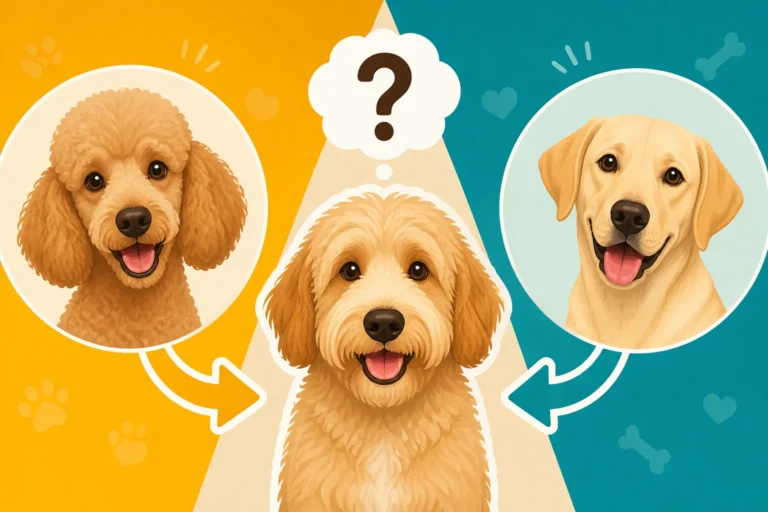
Given the widespread popularity of both the Labrador Retriever and the Poodle as companion and working dogs for generations, it's highly probable, if not certain, that accidental or even intentional Labrador-Poodle mixes existed before Wally Conron coined the "Labradoodle" name in 1989. Imagine a farmer who owned both a Labrador and a Standard Poodle, or perhaps someone who loved the friendly nature of a Lab but wanted less shedding. These individuals might have deliberately bred them together for various reasons: perhaps a perceived health benefit, a unique look, or simply to create a new companion. These would have been individual, undocumented instances, likely referred to simply as "Poodle mixes" or "Labrador crosses," without any organized breeding program, specific goals beyond the immediate litter, or public awareness.
These pre-1989 mixes would have been highly variable, far more so than even the early Labradoodle litters. There would have been no consistent efforts to select for specific coat types, temperaments, or health clearances. The puppies could have inherited any combination of traits from their parent breeds, some shedding heavily, others not at all; some energetic, others calm. They wouldn't have been part of a deliberate effort to create a new "type" of dog for a specific, widely recognized need. They were simply a reflection of dogs being dogs, and humans occasionally playing a role in their pairings, for reasons as varied as the people themselves. It's safe to say that while the genetic combination of Labrador and Poodle existed, the concept of the Labradoodle as we know it did not.
| Characteristic | Pre-1989 Labrador-Poodle Mixes | 1989 "Labradoodle" (Sultan's Litter) | Modern Labradoodle (Post-1989 Development) |
|---|---|---|---|
| Intent | Accidental or individual, informal purpose | Specific problem-solving (allergy-friendly guide dog) | Companion, service, specific coat/temperament goals |
| Recognition | None; considered generic mixed-breeds | Publicized, given a unique name | Widespread popularity, organized breeding, specific registries (e.g., ALAA, WALA) |
| Consistency | Highly variable in traits (coat, temperament) | Variable but with a specific goal in mind (low-shedding) | Increased consistency through multi-generational breeding and selective pairing |
| Naming | Informal ("Poodle mix," "Labrador cross") | "Labradoodle" coined by Wally Conron | "Labradoodle," "Australian Labradoodle," often with generational markers (F1, F1b) |
| Health Screening | Typically none | Limited, but initial focus on temperament | Extensive health testing recommended and practiced by reputable breeders |
The Distinction Between a "Mix" and a "Breed Concept"
Understanding the difference between a casual "mix" and a formalized "breed concept" is key to appreciating why 1989 is so pivotal for the Labradoodle. Many people use these terms interchangeably, but in the world of dog breeding, they represent very different approaches and outcomes.
When Does a Cross Become a "Breed"?
For a group of dogs to evolve from a "cross" or "mix" into a recognized "breed," several key criteria usually need to be met. First, there needs to be a consistent purpose or intent behind the breeding – not just for one litter, but across multiple generations. Second, the offspring must consistently exhibit a predictable set of characteristics, including physical appearance, temperament, and health predispositions. This predictability allows for the development of a "breed standard," a written description of the ideal dog of that breed. Third, there needs to be a dedicated group of breeders working towards these standards, often forming clubs or associations to oversee breeding practices, maintain pedigrees, and advocate for the dogs. Finally, for full recognition, a breed typically needs to be accepted by major kennel clubs, which, as we know, has not happened for the Labradoodle. Why No Kennel Club Registers the Labradoodle explains this challenge.
The crucial point is that individual Labrador-Poodle mixes existing before 1989, even if intentionally bred, lacked this collective, long-term vision. They were not part of a concerted effort to create a reproducible "type" of dog. There was no shared understanding of what a "Labrador-Poodle mix" should be, no selection criteria beyond perhaps the immediate parents, and certainly no attempt to establish consistent lines. Wally Conron's 1989 endeavor, however, was fundamentally different. It was born from a very specific, practical need, leading to a deliberate attempt to combine traits. Even though the early results were variable, the intent was to create a consistent, functional dog, laying the groundwork for a future breed concept, even if the formal recognition never materialized. This deliberate intention is what truly sets Conron's work apart from any informal crosses that may have occurred previously.
The Importance of Wally Conron's "Marketing" Role
It might sound strange to discuss "marketing" when talking about dogs, but Wally Conron's decision to coin the term "Labradoodle" was arguably one of the most impactful moments in the history of this crossbreed. Before 1989, a Labrador-Poodle mix was just that: a mix. It didn't have a memorable identity. It didn't carry a specific connotation or draw particular interest beyond what its individual parents might suggest. People weren't actively seeking out "Labrador-Poodle mixes" because the concept simply didn't exist as a desirable entity in the public consciousness. The new name gave the dog a distinct identity, elevating it from a generic crossbreed to something perceived as novel and purposeful.
By giving the cross a catchy, portmanteau name, Conron inadvertently created a brand. This "brand" allowed the dogs to be discussed, sought after, and ultimately, deliberately bred on a wider scale. It transformed the perception from "just a mutt" to a "designer dog" with specific, desirable traits, particularly the low-shedding aspect so critical for allergy sufferers. This naming strategy wasn't just about placing that first litter; it sparked a movement. Without that distinct name, it's highly probable that any subsequent Labrador-Poodle crosses would have remained largely unnoticed and uncelebrated, much like countless other mixed-breed dogs throughout history. The name gave it cultural currency and allowed the idea to spread, leading to the proliferation of breeders, enthusiasts, and ultimately, the Labradoodle's enduring popularity. You can even find specialized products for your Labradoodle on platforms like Chewy, a testament to how established the "brand" has become.
Why the 1989 Date Holds Significance
While it's important to acknowledge the historical likelihood of informal mixes, the year 1989 isn't just a random date. It represents a watershed moment that catapulted the Labrador-Poodle cross from obscurity into the spotlight, establishing it as a distinct and sought-after companion.
The Birth of the "Labradoodle" Name and Movement
The formal creation of the "Labradoodle" in 1989 wasn't just about breeding two dogs; it was about the systematic and deliberate attempt to achieve a specific outcome – an allergy-friendly guide dog. This intention, coupled with the clever branding of the name, sparked a movement. Suddenly, people were aware of this unique cross that promised the best traits of both parent breeds. This public awareness led to increased demand, which in turn spurred more breeders, both ethical and less so, to produce Labradoodle puppies. The initial focus on service work soon expanded to encompass companion animals, and the "doodle" trend began in earnest. Whether the Labradoodle Started the Doodle Trend is a fascinating point of discussion that centers around this pivotal moment.
This date signifies the shift from a potential accidental pairing to a deliberate program, however small it started. It provided a concrete origin story that people could point to, fostering a sense of identity for the cross. This initial success and the ensuing publicity encouraged other breeders to explore similar crosses, aiming for the same low-shedding coats and desirable temperaments. Without the 1989 initiative and Conron's subsequent naming, the Labrador-Poodle mix might have remained a relatively rare and unrecognized occurrence. Instead, it became the foundation for a burgeoning interest in hybrid dogs, demonstrating the power of intention and marketing in shaping canine popular culture.
The Impact on Health Testing and Ethical Breeding
The formalized origin of the Labradoodle, despite being a crossbreed, also inadvertently opened the door for more discussions around health and ethical breeding practices. When a dog is simply a random mix, there's often little thought given to the genetic health of the parents beyond what's immediately visible. However, with the Labradoodle being intentionally created for a specific purpose (guide work), there was an inherent, though sometimes aspirational, focus on producing healthy, sound dogs. While the early days were certainly a "wild west" of breeding, the very idea of a "Labradoodle" encouraged more structured approaches over time. The Health Tests a Labradoodle Breeder Should Show became a crucial aspect for discerning buyers.
Reputable breeders today, recognizing the inherent genetic predispositions of both Labradors and Poodles, strive to perform extensive health screenings on their breeding stock. This includes tests for hip and elbow dysplasia, various eye conditions like PRA, and genetic disorders such as Exercise Induced Collapse (EIC) and Addison's Disease. This conscious effort towards health testing is a direct consequence of the Labradoodle's recognized origins. It spurred a dialogue about responsible breeding, even for crossbreeds, pushing for transparency and a commitment to the well-being of the puppies. While challenges remain in the "doodle" world regarding consistency and ethical practices, the foundation for considering health clearances was laid, in part, by the structured nature of its beginnings. Many dedicated Labradoodle owners find a wide range of health-conscious dog foods and supplements on sites like Chewy, supporting their pet's well-being.
The "Australian Labradoodle" as a Separate Development
Following the initial excitement around Wally Conron's Labradoodles, a significant development occurred that further solidified the "breed concept" but also complicated its history: the emergence of the Australian Labradoodle. This distinct lineage adds another layer to the question of the Labradoodle's existence before 1989.
The Evolution Beyond the Original Cross
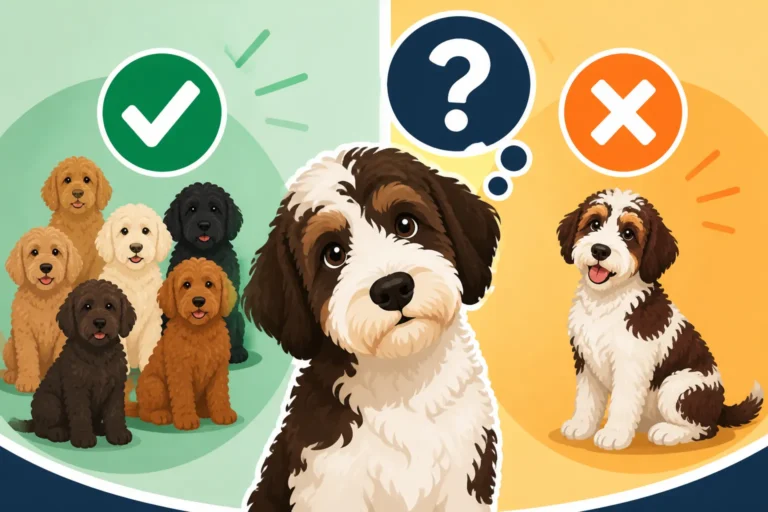
The original Labradoodle, the F1 cross between a Labrador and a Poodle, produced puppies with variable coats and temperaments. While some were perfect for allergy sufferers, others shed, and consistency was hard to achieve. Australian breeders, particularly Rutland Manor and Tegan Park, recognized the potential but also the need for greater predictability. They took Conron's initial concept and embarked on a multi-generational breeding program, introducing other breeds such as the Irish Water Spaniel and the Cocker Spaniel into the mix. The Four Breeds Inside an Australian Labradoodle were carefully selected to infuse specific traits, such as a more consistent non-shedding coat and a calmer temperament, while still retaining the desired "doodle" qualities. This deliberate and complex breeding strategy aimed to create a truly consistent and reproducible dog.
This evolution meant that the "Australian Labradoodle" was no longer just a first-generation cross. It became a distinct lineage, meticulously bred over many generations to achieve specific physical and temperamental traits. This was a monumental effort to move beyond the unpredictability of a simple F1 cross and establish a "breed in development." While the original Labradoodle was certainly the catalyst, the Australian Labradoodle represents a highly refined version that is far removed from the casual or accidental mixes of the past. It cemented the idea that a crossbreed could indeed be developed into a consistent type, driving its popularity further and even leading to dedicated registries to track their unique pedigrees.
The Complexity of "Doodle" Genetics
Understanding the "Australian Labradoodle" also requires grappling with the complexity of "doodle" genetics, particularly the concept of generations. An F1 Labradoodle is a direct cross between a purebred Labrador and a purebred Poodle. An F1b is an F1 bred back to a Poodle, increasing the Poodle genetics for a more reliably non-shedding coat. The Australian Labradoodle, however, went beyond these simple generational crosses, incorporating multiple breeds and breeding selectively over many generations to "fix" desired traits. What F1 Means on a Labradoodle is just the beginning of understanding these genetic layers.
This multi-generational approach aimed to create a more uniform appearance, coat type (often a fleece or wool coat), and temperament. While still not a "purebred" in the traditional sense, the Australian Labradoodle has achieved a level of consistency that is often absent in simpler F1 crosses. This consistency is a direct result of the intensive breeding programs that started after 1989, building upon Conron's original idea but taking it much further. The genetic variability that characterized early Labradoodles, and certainly any pre-1989 informal mixes, has been significantly reduced in well-bred Australian Labradoodles, though it's important to remember that genetics are never a perfect science. Even with careful breeding, individual dogs can still surprise you with their unique blend of traits.
The Legacy of the 1989 "Creation"
The year 1989, therefore, is not merely a footnote in canine history; it's the genesis point for the Labradoodle as we understand it today. Its legacy is multifaceted, touching upon public perception, the rise of "designer dogs," and even ongoing discussions within the dog world.
The Labradoodle's Enduring Popularity and Misconceptions
The Labradoodle's popularity exploded after 1989, leading to a worldwide fascination with "doodle" crosses. This rapid ascent to fame brought with it both admiration and misconception. Many people, understandably, now believe that absolutely no Labrador-Poodle mixes existed anywhere on earth before Conron's work. This isn't strictly true in a genetic sense, but it is true in the context of the named, purposeful, and recognized cross. The widespread media attention and the dog's endearing qualities, like its friendly demeanor and often curly, low-shedding coat, cemented its place in the public imagination. This dog moved from a specific solution for a guide dog program to a coveted family pet in record time. For those looking to bring home a new Labradoodle, ensuring you have all the necessary supplies, from quality food to a comfortable bed, can be easily done through online retailers like Chewy.
The enduring popularity has, unfortunately, also led to issues. The high demand attracted unscrupulous breeders looking to make a quick profit, leading to health and temperament problems in some lines. This has, in turn, fueled criticism of "designer dogs" and debates about hybrid vigor versus the unpredictable nature of crosses. However, none of this diminishes the fact that the 1989 creation provided the spark. It's the event that crystallized the idea, gave it a name, and set it on a path to becoming one of the most recognizable and beloved crossbreeds in the world. The legacy is a complex tapestry of intentional breeding, public excitement, and ongoing efforts by dedicated enthusiasts to maintain and improve the breed's health and temperament.
Respecting the Historical Context
Ultimately, respecting the historical context means understanding that while individual Labrador-Poodle mixes may have existed prior to 1989, they were not "Labradoodles." The term "Labradoodle" specifically refers to the intentional cross conceived by Wally Conron and subsequently developed by breeders, primarily in Australia, into a more consistent type. It marks the moment when this particular crossbreed was given a name, a purpose, and a spotlight that led to its widespread recognition and development. This formal beginning made all the difference, transforming an accidental possibility into a deliberate pursuit.
So, while the genetic combination might have occurred before, the Labradoodle—as a recognized concept, a named entity, and the progenitor of a global phenomenon—truly began in 1989. It was this specific act of creation, driven by the need for an allergy-friendly guide dog, that launched a thousand "doodles" and forever changed the landscape of mixed-breed dogs. It's a reminder that sometimes, a name and a clear intention are all it takes to turn an everyday occurrence into a historical event. When you get your Labradoodle puppy, you are not just getting a dog; you are bringing home a piece of modern canine history, and you'll want to ensure you have all the essentials for their care, which you can easily find on Chewy.
Disclaimer
This article is for general informational purposes only and does not constitute professional advice. Laws, prices and regulations vary by location and change over time. Consult a qualified professional for guidance on your specific situation.