The Poodle Crosses That Came Before the Labradoodle
Many Labradoodle owners and enthusiasts often feel like their beloved "doodle" was the first of its kind, the original intentional Poodle cross that sparked a global phenomenon. However, the truth is, mixing Poodles with other breeds has been happening for far longer than the Labradoodle's relatively recent debut. It's a common oversight to think the Labradoodle invented the concept, but this guide will shed light on the fascinating history of Poodle crosses that paved the way, explaining why they were bred and why they often didn't capture the same spotlight.
The Long History of Poodle Mixes Before the Doodle Craze
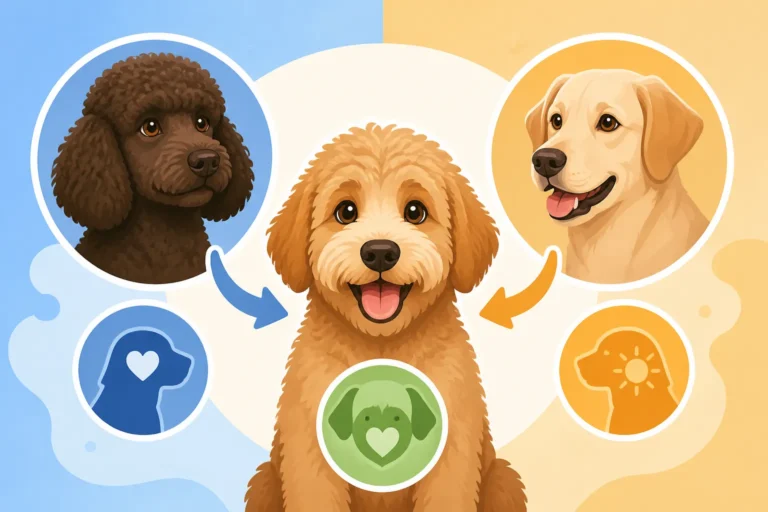
Before the term "designer dog" became a household phrase, and long before the Labradoodle captured the hearts of families worldwide, Poodles were already being intentionally crossed with other breeds. This wasn't always about creating a brand-new breed with a catchy name; often, it was about combining desirable traits for specific working roles or simply to produce a companion animal with a blend of qualities. It really puts into perspective that the concept of "hybrid vigor" wasn't a novel idea with the Labradoodle; it was simply rediscovered and rebranded.
Beyond the "Designer Dog" Label
For decades, many Poodle crosses happened without the fanfare or deliberate marketing that surrounds today's "doodles." Think about it: farmers might have bred their working dogs with a Poodle for intelligence or a better coat for certain climates, or perhaps a family just fell in love with a charming mixed-breed puppy from an accidental pairing. These weren't typically registered, highly sought-after dogs with specific breed clubs or health testing protocols, but they certainly existed. They were often just "mixes," appreciated for their individual qualities rather than a planned genetic blueprint. This informal history is often overlooked when we discuss the rise of the modern Labradoodle.
The lack of a formal "breed" designation for many of these early Poodle crosses meant they didn't have a collective identity or widespread recognition. They were essentially individual experiments or happy accidents, living out their lives in obscurity compared to their purebred counterparts. It highlights how much of the "designer dog" boom is about marketing and perceived uniqueness, rather than a truly new genetic endeavor. It's only in recent times that the concept of crossing two purebreds for a specific outcome has become such a deliberate and commercialized practice.
The Allure of the Poodle's Traits
It's easy to see why the Poodle has been a popular choice for crossing throughout history. Beyond their famously non-shedding, hypoallergenic-friendly coats, Poodles bring a lot to the table. They are incredibly intelligent, often ranking among the smartest dog breeds, making them highly trainable. Their athleticism and graceful movement are also notable, suggesting they could contribute to agility and stamina in a crossbreed. Breeders might have sought to infuse these qualities into other breeds that perhaps lacked in trainability or had heavier shedding coats.
The Poodle's varying sizes—Standard, Miniature, and Toy—also made them versatile for crosses. A Miniature Poodle could be bred with a smaller companion breed to maintain a manageable size, while a Standard Poodle offered substance for larger working dogs. This adaptability meant that the Poodle could contribute to a wide array of mixed breeds, each with its own unique blend of characteristics. The elegance, the smarts, the coat – it's a powerful combination that, over time, has proven irresistible to those looking to create a specific kind of canine companion.
Notable Poodle Crosses That Predate the Labradoodle
While the Labradoodle, created in 1989, often gets credit for kicking off the "doodle" craze, several other Poodle crosses were already established, or at least being intentionally bred, much earlier. These early crosses laid some groundwork, even if unintentionally, for the acceptance and eventual popularity of Poodle mixes. They show that the idea of blending the Poodle's attributes with another breed was a practical, rather than just a whimsical, choice for many years.
The Original Doodle: The Cockapoo
Perhaps the most prominent and widely recognized Poodle cross that significantly predates the Labradoodle is the Cockapoo. This delightful mix of a Cocker Spaniel and a Poodle emerged as early as the 1950s or 1960s in the United States. Unlike some later "designer dogs" that started with very specific purposes, the Cockapoo was primarily bred as a companion animal, prized for its friendly disposition, intelligence, and lower-shedding coat. Families loved the Cockapoo's charming nature, often seeing it as a perfect blend of the two parent breeds.
Cockapoos quickly gained a following because they embodied many desirable traits for a family pet: they were generally good with children, smart enough to train easily, and their coats, while needing regular grooming, were often less allergenic than a purebred Cocker Spaniel. They weren't bred for guide dog work or any specific utility; their purpose was simply to be wonderful family companions. This focus on companionship allowed them to develop a reputation organically, long before the internet or social media could amplify their appeal. You could even find appropriate food and grooming supplies for them on platforms like Chewy, a testament to their established presence in the pet community.
Other Early Poodle Blends
Beyond the Cockapoo, there were other less formally recognized, but still intentional, Poodle crosses happening. The Poochon, a Bichon Frise and Poodle mix, also has a history stretching back to the latter half of the 20th century. Like the Cockapoo, it was primarily bred for companionship, offering a small, intelligent, and often hypoallergenic pet. These mixes, while not always carrying a universally agreed-upon name in their earliest days, fulfilled a niche for those seeking specific characteristics in a smaller companion dog.
It's worth noting that some Poodle crosses might have even occurred in more informal working capacities, though documentation is scarce. Imagine a farmer wanting a smarter, less shedding herding dog, or a hunter looking for a retriever with a more manageable coat. While not called "doodles," these practical cross-breeding efforts further demonstrate the Poodle's appeal for its functional traits long before aesthetics and allergy-friendliness became the primary drivers for cross-breeding. These historical unions highlight the Poodle's enduring versatility across different canine roles.
| Early Poodle Cross | Parent Breeds | Primary Purpose | Approximate Origin | Key Traits Sought |
|---|---|---|---|---|
| Cockapoo | Cocker Spaniel x Poodle | Companion | 1950s-1960s (US) | Friendly, intelligent, lower-shedding coat |
| Poochon | Bichon Frise x Poodle | Companion | Mid-late 20th Cent. | Small, intelligent, very low-shedding/hypoallergenic |
| (Informal Working Crosses) | Poodle x various working breeds | Utility | Likely earlier | Intelligence, coat for climate, trainability |
Why These Earlier Crosses Flew Under the Radar
Despite their earlier existence, many of these Poodle crosses didn't achieve the same level of widespread fame and deliberate breeding programs as the Labradoodle. There are several reasons for this, often tied to the historical context, marketing, and the specific motivations behind their creation. It’s a good reminder that popularity isn’t just about the dog itself, but also about the timing and story behind its introduction.
Lack of Formalized Breeding Programs
One of the biggest differences was the absence of formalized breeding programs, breed clubs, or health testing requirements for most of these early crosses. While some Cockapoo breeders might have been diligent, there wasn't a unified movement to standardize the "breed" or track health clearances across generations in the way that later Labradoodle associations tried to implement. This meant consistency was often lacking, and the public perception remained that these were simply "mutts" rather than intentional, predictable crosses.
Without official registries or health databases, it was also much harder for interested families to find reputable breeders who were actively working to improve the lines or ensure healthy offspring. The knowledge sharing was often informal, word-of-mouth, or localized. Compare this to today, where a quick search on Chewy brings up countless resources, foods, and products specifically tailored to "doodles," demonstrating the shift in how these mixes are perceived and supported. This kind of infrastructure simply didn't exist for the earlier Poodle crosses, limiting their potential for broad recognition and development. Understanding What F1 Means on a Labradoodle and other generational terms is a recent phenomenon.
The Power of a Purpose-Driven Origin Story
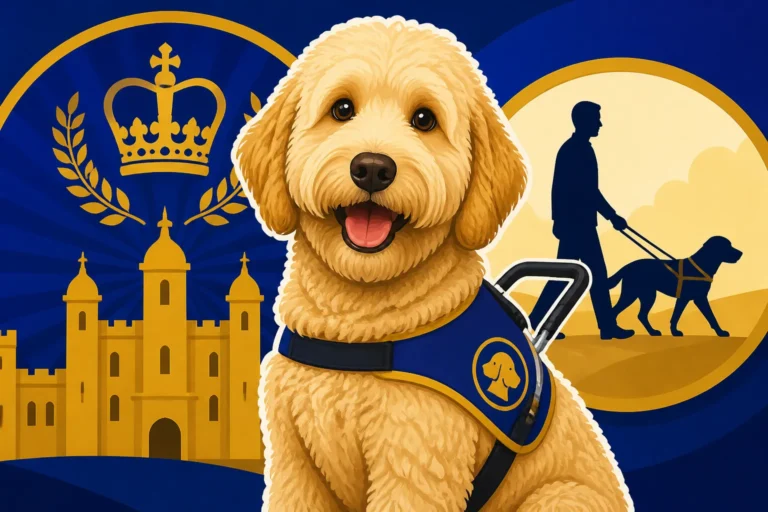
The Labradoodle, in contrast, arrived on the scene with a powerful, purpose-driven origin story: the need for an allergy-friendly guide dog. Wally Conron, who is often credited with the first intentional Labradoodle cross in 1989, was trying to create a dog that could serve a blind woman whose husband was allergic to typical guide dog breeds. This clear, empathetic mission immediately gave the Labradoodle a narrative that resonated deeply with the public. It wasn't just a cute mix; it was a potential solution to a real-world problem.
This specific origin story helped the Labradoodle stand out and capture media attention in a way that the general "companion dog" purpose of earlier crosses simply couldn't. It tapped into a societal desire for dogs that could offer both companionship and practical assistance, bridging a gap that many hadn't even realized existed. This distinct purpose contributed significantly to its rapid ascent in popularity, cementing its place in the public consciousness, as explored in The 1989 Cross That Made the First Labradoodle.
The Labradoodle's Ascent and Its Unique Appeal
The Labradoodle didn't just appear; it exploded onto the scene, creating a blueprint for the "doodle" phenomenon that followed. Its unique origin, coupled with the Poodle's already proven appeal in crosses, set it on a trajectory that no other mixed breed had quite achieved before. This isn't to diminish the charm of earlier crosses, but to highlight the perfect storm of circumstances that elevated the Labradoodle.
The Guide Dog Connection
The initial breeding of the Labradoodle for guide dog work lent it an air of legitimacy and importance. The idea that a dog could be specifically designed to mitigate allergy concerns while still possessing the temperament and intelligence for such a critical role was revolutionary. While the program itself eventually moved away from the Labradoodle, the initial story captivated the public imagination and garnered significant media attention. This narrative positioned the Labradoodle not just as a pet, but as a dog with potential for serious, impactful work.
Even though guide dog programs later faced challenges with consistency in early Labradoodle generations, the initial vision of an allergy-friendly service dog made a lasting impression. It highlighted the desirable traits inherited from the Poodle, such as high intelligence and a trainable nature, combined with the Labrador's friendly disposition. This combination was seen as a major win, sparking interest from families who also wanted a well-behaved, intelligent, and potentially less allergenic companion, a combination of qualities often discussed in Whether the Poodle or the Labrador Shows Up in Training.
The "Doodle" Phenomenon Takes Hold
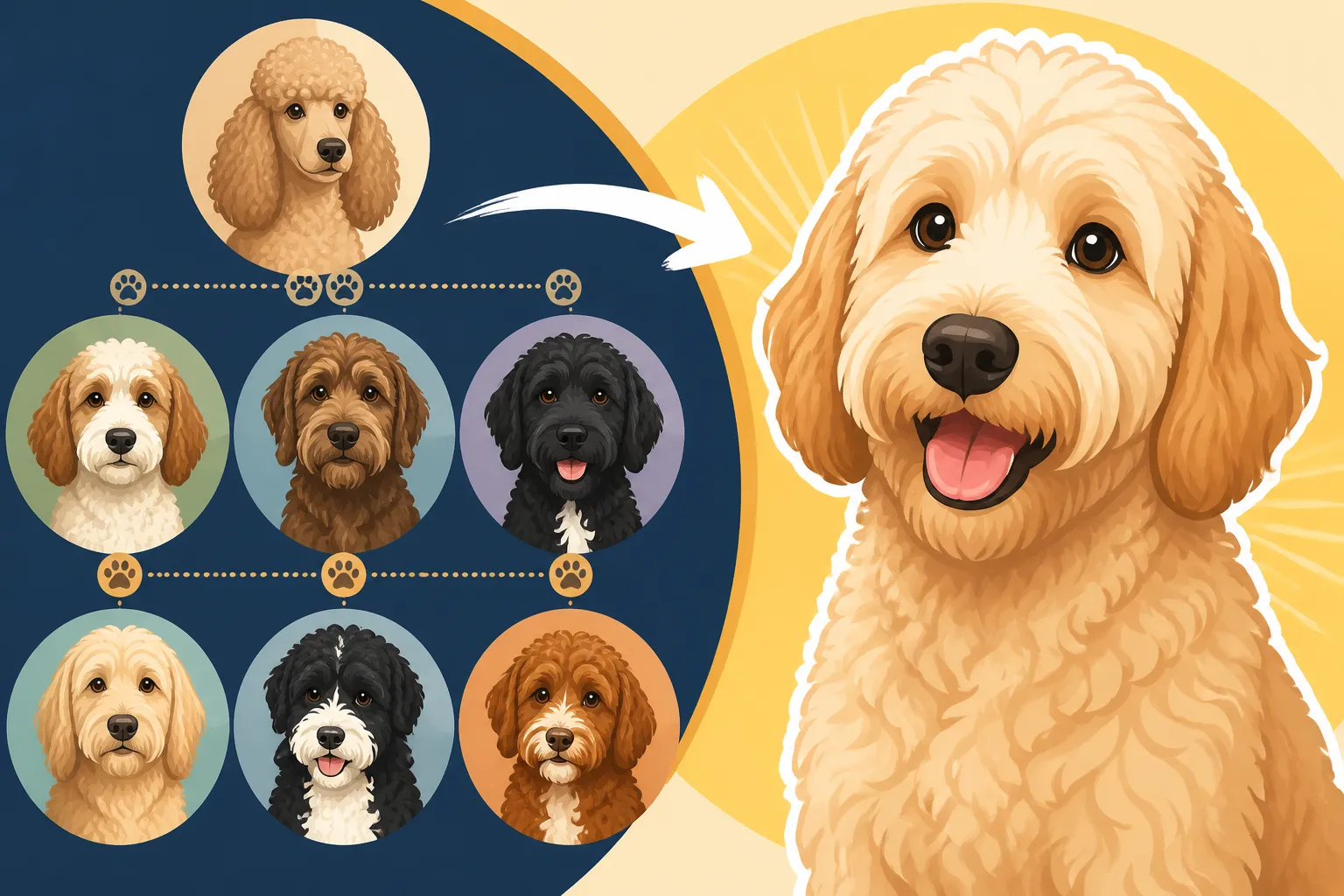
Once the Labradoodle gained traction, it wasn't long before other Poodle crosses began to be intentionally developed and marketed under the catchy "doodle" moniker. The Goldendoodle, for example, quickly rose to prominence, blending the Poodle with the equally beloved Golden Retriever. This era truly cemented the Poodle as the go-to breed for creating hypoallergenic-friendly, intelligent, and charming family dogs. The Labradoodle effectively created a template: find a popular, good-tempered breed, mix it with a Poodle, and you have a "doodle."
The widespread adoption of the term "doodle" itself, directly inspired by the Labradoodle, reflects its powerful cultural impact. Now, we see Bernedoodles, Sheepadoodles, Aussiedoodles, and countless others, all riding the wave that the Labradoodle first generated. The demand for specific coats, like the fleece and wool discussed in The Three Labradoodle Coats: Hair, Fleece and Wool, became a central focus for breeders. Even today, searching for food for a Keeping a Labradoodle Sound Into Its Teens or special treats on Chewy will yield numerous options specifically marketed towards "doodles," showing just how deeply ingrained this category has become in the pet industry. This explosion of Poodle crosses, all tracing their lineage back to the Labradoodle's pioneering fame, truly demonstrates how one success can redefine an entire segment of the canine world.
Disclaimer
This article is for general informational purposes only and does not constitute professional advice. Laws, prices and regulations vary by location and change over time. Consult a qualified professional for guidance on your specific situation.