Why Conron Called the Labradoodle a Mistake
Many people adore the Labradoodle for its charming looks, friendly demeanor, and often, its reputation for being allergy-friendly. It’s hard to imagine anyone speaking ill of these delightful dogs, let alone their original creator. Yet, the man credited with developing the first Labradoodle, Wally Conron, famously called his creation a "mistake." This unexpected sentiment from the breed's originator can leave prospective and current owners feeling confused, even disheartened. This guide delves into Conron's surprising perspective, exploring the historical context of the Labradoodle's creation, the unintended consequences he observed, and what his strong words mean for the breed and its owners today.
The Genesis of the Labradoodle and Its Initial Purpose
It's easy to forget that the Labradoodle wasn't initially conceived as a fashionable family pet. It emerged from a very specific need, a humanitarian goal rooted in the desire to provide companionship and assistance to those who needed it most. Wally Conron, working for Guide Dogs Victoria in Australia, was simply trying to solve a problem.
The Allergy-Friendly Guide Dog Dream
Back in 1989, Conron was approached by a blind woman in Hawaii who desperately needed a guide dog. The catch? Her husband was severely allergic to dogs. This posed a significant challenge. Traditional guide dog breeds like Labradors and German Shepherds were unsuitable due to their shedding coats and dander. Conron's mission was clear: create a guide dog that wouldn't trigger allergies, combining the intelligence and trainability of a Labrador Retriever with the low-shedding coat of a Standard Poodle. He envisioned a dog that could serve as a "seeing-eye dog" without causing respiratory distress for family members. This was the noble and practical starting point for the Labradoodle. The vision was pure, focused entirely on function and solving a real human need.
The initial cross between a Labrador Retriever and a Standard Poodle was an experimental step, driven by necessity rather than market demand. Conron and his team diligently worked to find the right combination of temperament, intelligence, and coat type. It wasn't about creating a "designer" dog; it was about creating a functional, life-changing animal for someone in need. This crucial detail often gets lost in the subsequent narrative of the Labradoodle's skyrocketing popularity and the controversies that followed. The ethical underpinnings of the first breeding were solid, demonstrating a commitment to animal welfare and human assistance.
Sultan's Success and the Media Frenzy
The first successful litter included a dog named Sultan, who would become the poster child for Conron's experiment. Sultan proved to be an exceptional dog, demonstrating a remarkable blend of a Labrador's willingness to please and a Poodle's keen intellect. More importantly, Sultan exhibited a low-shedding coat that didn't trigger his owner's allergies. This was a triumph, a genuine breakthrough that met the specific need Conron had set out to address. Sultan's story quickly captured the media's attention, and the news of this "hypoallergenic guide dog" spread like wildfire. The world was captivated by the idea of a dog that offered the best of both worlds.
This positive media attention, while initially a source of pride for Conron and Guide Dogs Victoria, also planted the seeds for the very problems he would later lament. The public, eager for their own allergy-friendly, intelligent, and adorable canine companions, latched onto the "Labradoodle" name. Suddenly, everyone wanted one. What began as a carefully orchestrated breeding program with a specific, ethical goal transformed almost overnight into a global phenomenon. The demand far outstripped the supply from responsible breeders, opening the floodgates for less scrupulous individuals to capitalize on the trend, leading to the rapid and uncontrolled proliferation of the crossbreed. You can read more about Sultan, the Labradoodle That Proved the Idea and The 1989 Cross That Made the First Labradoodle.
The Unforeseen Consequences of a "Designer Dog" Craze
When something becomes wildly popular, especially in the animal world, it sadly often attracts those looking for a quick profit rather than the betterment of the breed. This certainly happened with the Labradoodle, and it's where Wally Conron's regrets began to solidify. The well-intentioned creation quickly spiraled into a commercial free-for-all, with profound negative consequences for the dogs themselves.
The Rise of Unethical Breeding Practices
The overwhelming demand for Labradoodles, fueled by their growing fame, led to a surge in unscrupulous breeding practices. Suddenly, everyone with a Labrador and a Poodle saw dollar signs. "Backyard breeders" and puppy mills, often with little to no knowledge of genetics, health testing, or responsible breeding ethics, began churning out puppies. These breeders were focused solely on quantity over quality, often housing dogs in deplorable conditions and neglecting crucial health screenings. They didn't care about the temperament or genetic health of the parent dogs; they simply wanted to meet the market's insatiable appetite.
This rapid, unregulated expansion meant that many Labradoodles were born with significant health problems that could have been avoided with proper screening. Instead of improving the lives of people, these dogs often faced short lives plagued by pain and illness, costing their unsuspecting owners a fortune in vet bills and heartache. Owners, lured by the promise of an "allergy-friendly" and "intelligent" dog, often found themselves with pets suffering from hip dysplasia, eye conditions, or behavioral issues. The ideal of the robust, healthy, and predictable Labradoodle was quickly undermined by this explosion of irresponsible breeding. This is why understanding Whether Health Tested Parents Add Years to a Labradoodle is so vital for prospective owners.
The Loss of Predictability in Health and Temperament
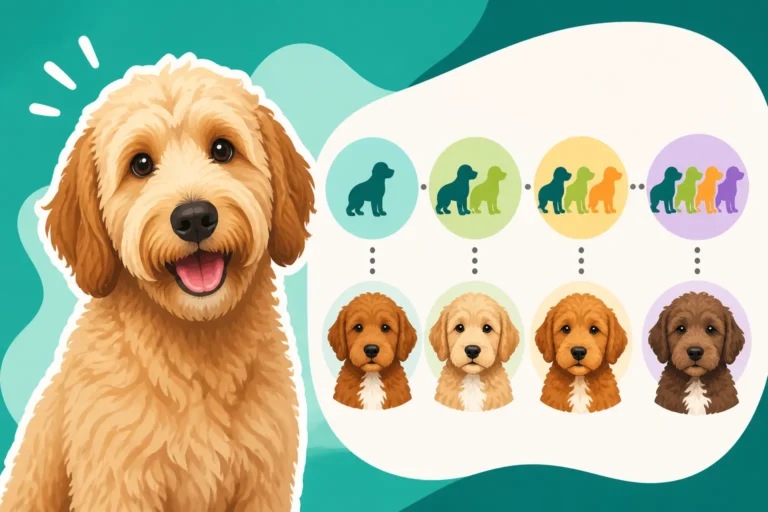
One of the core tenets of responsible breeding, particularly for crossbreeds, is maintaining predictability in traits. Conron aimed for a specific combination of physical and behavioral characteristics. However, when irresponsible breeders entered the scene, this predictability vanished. The first generation (F1) Labradoodles are a direct cross of a Labrador and a Poodle, and even then, their traits can vary significantly. But as breeders started mixing generations indiscriminately, or breeding dogs without proper knowledge of their genetic backgrounds, the consistency plummeted. You might get a dog that shed profusely despite the "hypoallergenic" label, or one with a nervous temperament despite the Poodle and Labrador's generally stable nature.
This unpredictability wasn't just about superficial traits like coat type; it extended to crucial aspects like health and temperament. Dogs were showing up with a myriad of inherited conditions from both parent breeds, and behavioral issues became more prevalent due to poor breeding practices and lack of early socialization. For instance, some inherited conditions from the Poodle side, like Addison's Disease, became more widespread. It became a lottery, where owners couldn't be sure what they were getting. This stark deviation from his original, carefully planned intention deeply troubled Conron. It highlights Why No Kennel Club Registers the Labradoodle as a purebred, because this lack of standardization allows for such wide variation.
| Feature | Responsible Breeding | Irresponsible Breeding |
|---|---|---|
| Parent Selection | Health screened, temperament tested, genetic diversity | Any available pair, often related, no health checks |
| Goal | Improve health, temperament, and consistency of traits | Profit, quick turnaround of puppies |
| Puppy Outcome | More predictable health, stable temperament, breed traits | Unpredictable health, potential for behavioral issues |
| Environment | Clean, socialized, proper nutrition, vet care | Often unsanitary, minimal socialization, neglect |
| Support | Lifetime breeder support, take-back clauses | No support, often disappear after sale |
| Cost | Higher initial cost reflects investment | Lower initial cost, higher potential vet bills later |
Conron's Regrets: What Went Wrong From His Perspective
Wally Conron's regret wasn't that he created a lovely dog, but that he unleashed a "Pandora's Box" he couldn't close. He watched his noble experiment be twisted and exploited, and the consequences deeply bothered him. His frustration stemmed from seeing the very qualities he sought to achieve — health, predictability, and a specific purpose — being eroded by the commercialization of the Labradoodle.
Health Issues and the "Frankenstein" Comment
Perhaps Conron's most damning criticism, and the one that garnered significant media attention, was his statement that he "opened up a Pandora's Box and released a Frankenstein." This wasn't an attack on individual Labradoodles, but a powerful metaphor for the uncontrolled breeding practices that followed his initial success. He witnessed firsthand the proliferation of Labradoodles plagued by serious health problems, many of which were entirely preventable. He worried that these dogs were suffering due to negligent breeding, inheriting a cocktail of genetic predispositions from both parent breeds without proper screening.
He saw dogs suffering from conditions like hip and elbow dysplasia, progressive retinal atrophy (PRA), Addison's disease, and epilepsy. These are all conditions common in either Labradors or Poodles, and responsible breeders work diligently to screen for them. However, many of the backyard breeders who jumped on the "doodle" bandwagon did not. They simply bred two dogs together, often unaware or uncaring of the potential genetic consequences. This led to generations of dogs that might look cute, but carried the burden of preventable diseases, diminishing their quality of life and causing immense heartbreak and financial strain for their owners. It was a betrayal of the original ethical intent, and it haunted Conron. If you're considering a Labradoodle, understanding The Health Tests a Labradoodle Breeder Should Show is paramount to avoiding these issues.
The Explosion of Irresponsible Breeding
Conron's regret was also profoundly tied to the explosion of what he considered irresponsible breeding. He never intended for the Labradoodle to become a "designer dog" status symbol. His vision was strictly functional. But once the public caught on, the breed became a commodity, stripped of its original purpose and ethical considerations. He spoke out vehemently against breeders who prioritized profit over the welfare of the animals, lamenting how the market became saturated with dogs of dubious health and temperament.
He was particularly dismayed by the lack of regulation and standardization that allowed anyone to breed a "Labradoodle," regardless of their knowledge or ethical commitment. The absence of a recognized breed standard from major kennel clubs meant there were no overarching guidelines for health testing, temperament assessment, or breeding practices. This vacuum allowed for widespread exploitation. Conron felt responsible for inadvertently creating a situation where countless dogs and their owners were suffering, a heavy burden for someone who had only sought to do good. He wished he could turn back time, not because the dogs themselves were bad, but because the human element of greed and irresponsibility had corrupted his creation. This is a key part of understanding Wally Conron and the Labradoodle He Regrets.
Understanding the "Mistake" in Today's Labradoodle Landscape
While Conron's words might sting, they offer valuable lessons for anyone considering a Labradoodle today. His "mistake" wasn't in the initial cross, but in the uncontrolled explosion of its popularity and the subsequent decline in breeding standards. Today, the landscape is more nuanced, with responsible breeders striving to rectify the issues that deeply troubled him.
The Contrast with the Australian Labradoodle
It's crucial to understand that there's a significant distinction between the original "Labradoodle" (often referred to as an early generation cross like F1 or F1b) and the "Australian Labradoodle." The Australian Labradoodle evolved from Conron's original cross but was developed into a distinct multi-generational breed with a broader genetic foundation. Responsible breeders in Australia and globally recognized that for the breed to achieve consistency in health, coat type, and temperament, it needed a more deliberate, multi-generational breeding program. This often involved infusing other breeds like the Irish Water Spaniel and Cocker Spaniel to achieve specific traits and expand the gene pool.
This intentional, highly regulated approach aims for predictability and health, actively trying to create a true breed rather than just a cross. Breeders of Australian Labradoodles often adhere to strict health testing protocols, maintain detailed pedigrees, and work towards a recognized breed standard. They are essentially trying to build a new breed from the foundation Conron laid, but with the careful planning and ethical considerations that were absent in the broader "doodle craze." This contrast is vital, as it shows that dedicated breeders have taken Conron's criticisms to heart and are working to develop the Labradoodle in a more responsible direction. It’s why you'll often hear discussions about Why an Australian Labradoodle Is Not a Labradoodle.
What Prospective Owners Should Consider Now
Given Conron's strong opinions and the history of the breed, prospective Labradoodle owners must be exceptionally diligent. The key takeaway from his regret is the importance of choosing a responsible breeder. Don't fall for the allure of a cheap puppy or one readily available without questions asked. A reputable breeder will be transparent about health testing, provide detailed pedigrees, and be genuinely invested in the welfare of their puppies. They will also be a valuable resource throughout your dog's life.
When looking for a puppy, ask about the health clearances of both parents, not just one. Inquire about their temperaments and whether they fit into a family environment. A good breeder will likely have you fill out an application, ask about your lifestyle, and make sure their puppies are a good fit for your home. They will also educate you on the specific care needs, such as the extensive grooming a Labradoodle's coat requires, and guide you on where to find quality food and supplies, perhaps even recommending reputable online stores like Chewy. Don't hesitate to ask to see the facilities and meet the parent dogs. This due diligence is your best defense against inadvertently supporting the very practices Conron deplored. You should also consider What a Labradoodle Health Guarantee Actually Covers to understand what protections you might have.
Moving Forward with a Labradoodle: Addressing the Challenges
Despite Wally Conron's regrets, the Labradoodle remains a beloved companion for countless families. The breed's popularity isn't solely based on hype; many Labradoodles genuinely embody the wonderful traits originally envisioned. However, being aware of the challenges means approaching ownership with eyes wide open and a commitment to responsible care.
Prioritizing Health and Longevity
One of the most profound lessons from Conron's "mistake" is the absolute necessity of prioritizing health. When selecting a Labradoodle, particularly an F1 or F1b cross, it's crucial to understand the potential for genetic issues inherited from both parent breeds. Ask breeders for verifiable health clearances for hips, elbows, eyes (PRA), and genetic tests for conditions like Addison's Disease and Exercise Induced Collapse (EIC). A good breeder won't just say their dogs are "clear by parentage" — they'll have actual certificates. This isn't about finding a "perfect" dog, but about significantly reducing the risk of preventable suffering for your future companion. Remember, a healthy start can prevent a lifetime of expensive vet bills and emotional distress. It's an investment in your dog's future, and ultimately, your own peace of mind. Learning about things like What Labradoodles Most Often Die Of can help inform your decisions.
Beyond initial screening, commit to lifelong preventative care. Regular veterinary check-ups, a balanced diet (look for quality brands on Chewy that align with veterinary recommendations), appropriate exercise for their size and age, and diligent grooming are all essential. A Labradoodle's coat, especially fleece or wool, can quickly become matted if neglected, leading to skin issues and discomfort. Early intervention for any health concerns is always best, so stay observant for changes in behavior or physical condition.
Navigating Training and Temperament
Another area where unpredictability can arise is temperament. While both Labradors and Poodles are intelligent and generally eager to please, the combination can sometimes result in traits that require consistent training and socialization. Labradoodles are often described as "Velcro dogs" – they thrive on companionship and can be prone to separation anxiety if not properly conditioned to alone time. Their intelligence means they learn quickly, but it also means they can learn undesirable behaviors just as fast if left unchecked. Early puppy classes are invaluable for socialization and basic obedience. Consistent, positive reinforcement training methods work best with this sensitive and smart crossbreed.
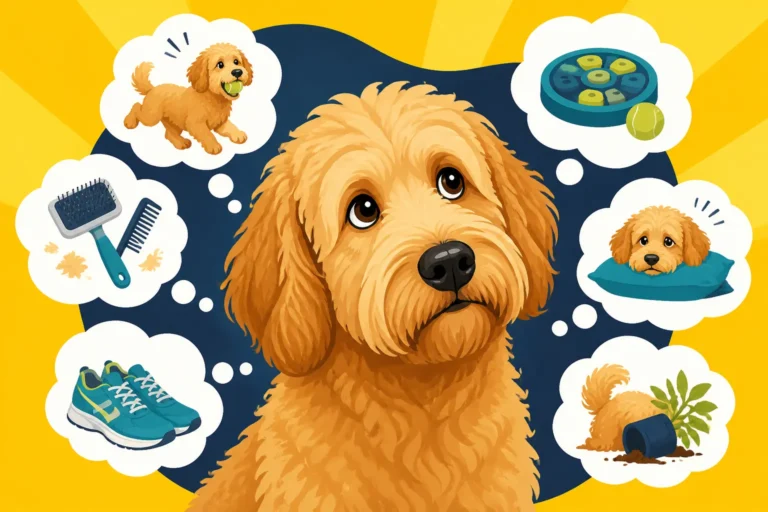
The energetic nature of both parent breeds means Labradoodles require significant mental and physical stimulation. They are not couch potatoes. Daily walks, playtime, puzzle toys, and perhaps even dog sports can help channel their energy constructively. A bored Labradoodle can quickly become a destructive one, channeling their intelligence into chewing furniture or digging up the yard. Understanding The Temperament a Labradoodle Gets From Each Parent can help you prepare for the unique blend of traits your dog might exhibit. Finding toys and interactive feeders on Chewy can be a great way to keep them engaged.
The Commitment of Lifelong Ownership
Bringing a Labradoodle into your home is a significant commitment, one that extends well beyond the initial puppy stage. Wally Conron's regret was ultimately about the suffering dogs endured due to human irresponsibility. As an owner, your responsibility is to ensure your Labradoodle lives a full, healthy, and happy life. This means being prepared for the time, effort, and financial resources required for their care over their entire lifespan. On average, a Labradoodle lives The Twelve to Fifteen Years a Labradoodle Lives, which is a long time to commit to their well-being.
From consistent grooming to prevent painful matting, to managing their energy levels through regular exercise, to providing ongoing training and socialization, a Labradoodle requires an active and engaged owner. They thrive in homes where they are considered part of the family and receive plenty of attention. Before committing, consider honestly if your lifestyle can accommodate a dog with their specific needs. By doing your homework, choosing a responsible breeder, and committing to proper care, you can ensure your Labradoodle is a wonderful addition to your family, honoring the original ethical intent behind their creation, rather than falling prey to the "mistake" Conron feared.
Disclaimer
This article is for general informational purposes only and does not constitute professional advice. Laws, prices and regulations vary by location and change over time. Consult a qualified professional for guidance on your specific situation.