What Multigen Means on a Labradoodle
It’s understandable that when you're looking for a Labradoodle, the different generations—F1, F1b, F2, and then 'Multigen'—can feel like a confusing alphabet soup, leaving you wondering if you're truly making the best choice for your family. Many hopeful owners hear "Multigen" and assume it means a guaranteed non-shedding, perfectly tempered dog, only to find the reality can be more nuanced. This guide will cut through the jargon, helping you understand precisely what "Multigen" means for a Labradoodle, what benefits it aims to offer, and what questions you should really be asking.
Demystifying "Multigen" in Labradoodles
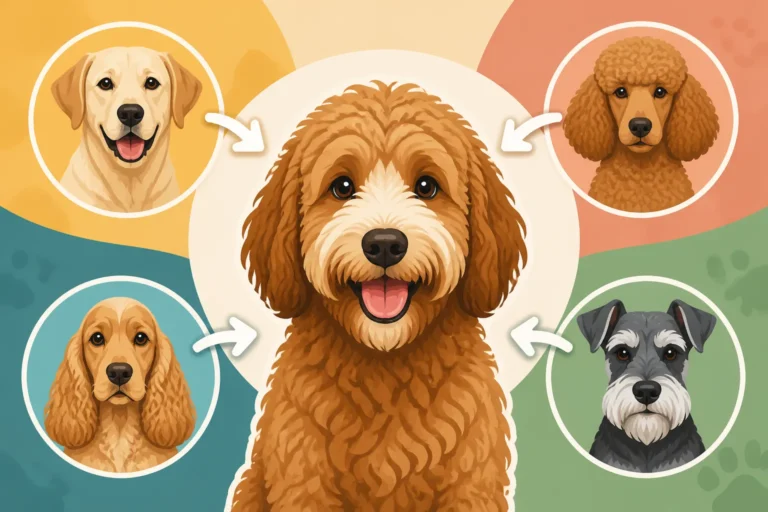
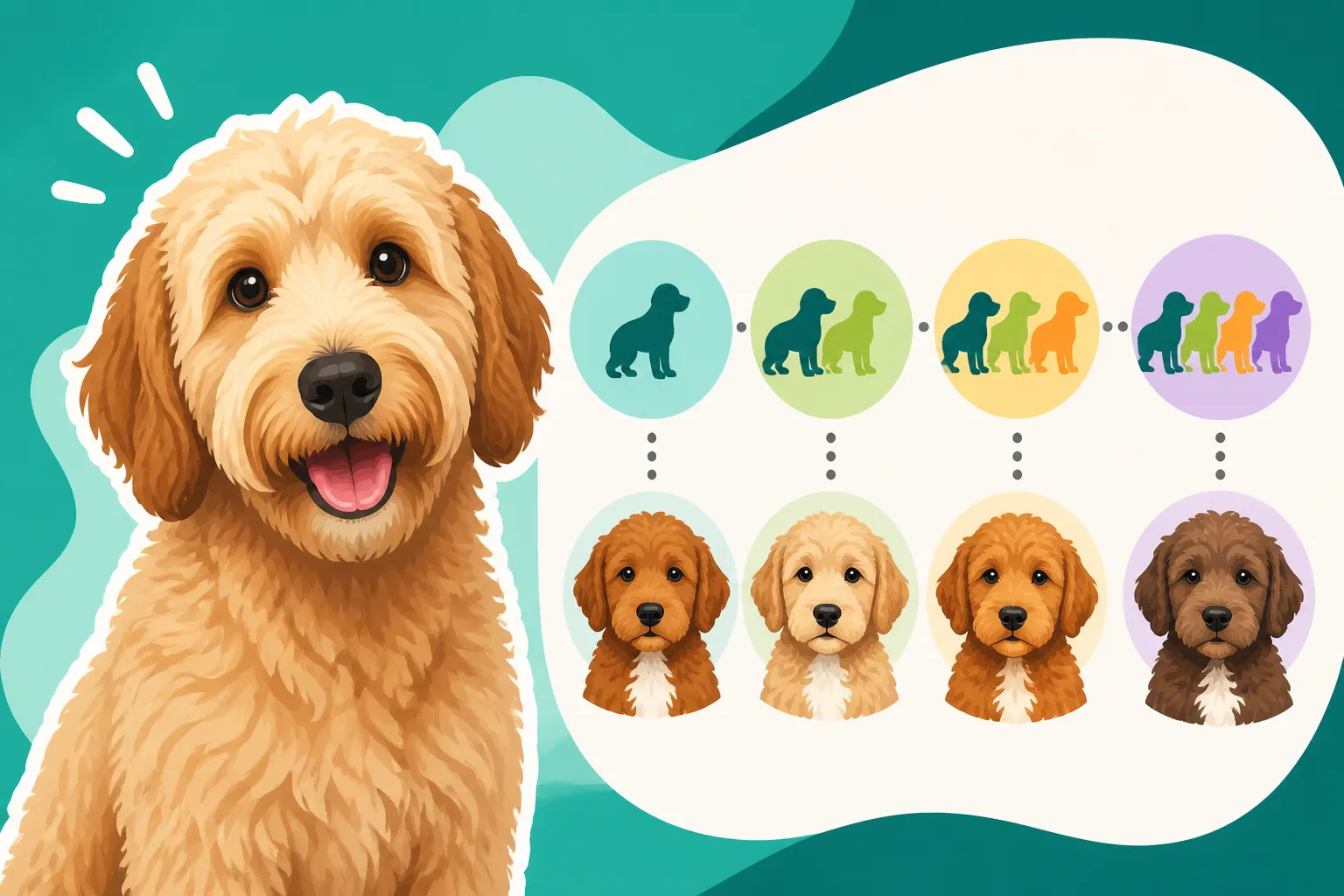
The term "Multigen" or "Multi-generational" Labradoodle pops up frequently in breeder circles, often touted as the pinnacle of Labradoodle development. But what does it actually signify? Unlike the earlier generations like F1 (first cross Labrador x Poodle) or F1b (F1 Labradoodle x Poodle), which describe a very specific genetic makeup, "Multigen" refers to a Labradoodle that is at least a third-generation cross or beyond, where both parents are themselves Labradoodles.
Think of it like this: an F1 Labradoodle is a brand-new blend, often a 50/50 mix of Labrador Retriever and Poodle. An F1b is an F1 bred back to a Poodle, increasing the Poodle genetics. An F2 is when two F1 Labradoodles are bred together. But once you move past these initial crosses, breeding two F2 Labradoodles, or an F2 with an F1b, or any combination where Labradoodle is consistently bred to Labradoodle over several generations, you enter the "Multigen" territory. The goal here is to stabilize desirable traits over time.
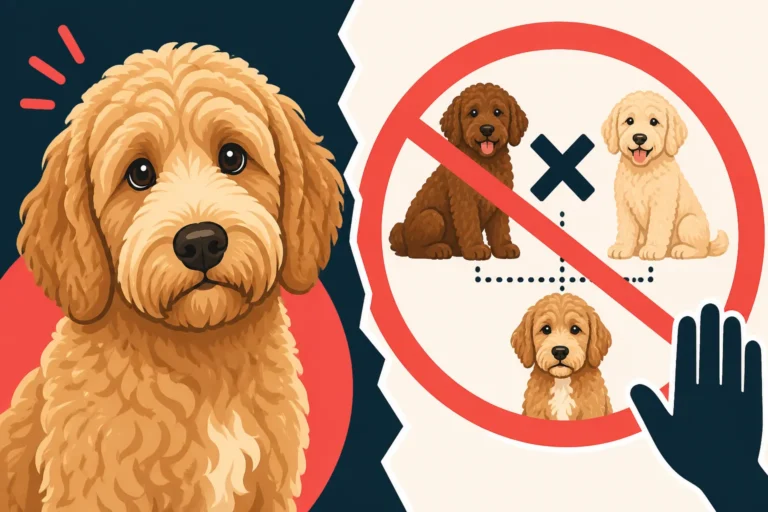
Breeders using the "Multigen" label are often striving for greater consistency in appearance, temperament, and coat type. The idea is that by carefully selecting parent dogs over many generations, they can 'lock in' the characteristics that make Labradoodles so appealing, such as the low-shedding coat and the friendly, intelligent disposition. However, it's crucial to remember that "Multigen" isn't a formal breed classification recognized by major kennel clubs, but rather a descriptor used within the Labradoodle breeding community. It highlights a commitment to developing the line, but it's not an automatic guarantee of perfection.
The Aim for Consistency
The primary driver behind breeding Multigen Labradoodles is the pursuit of consistency. Early generations, particularly the F1 and F2, can be a bit of a genetic lottery. You might get an F1 Labradoodle with a super-shedding Labrador-like coat, or one with a tight Poodle curl. Temperaments can also vary widely. This unpredictability, while charming to some, can be a real headache for families specifically seeking a low-shedding dog with a particular set of traits.
Multigen breeding attempts to minimize this variability. By carefully selecting Labradoodles with desired traits (e.g., a specific coat texture, a calm demeanor, good health clearances) and breeding them together over several generations, breeders hope to produce puppies that more reliably inherit those desired characteristics. The assumption is that with each successive generation, the genetic pool becomes more uniform for those specific traits. This is especially true for coat type, where the goal is often the coveted fleece coat that is typically low-shedding and requires regular grooming to prevent matting. What a Groomer Charges to Strip a Matted Labradoodle
For many hopeful owners, the promise of a consistent, non-shedding coat is a huge draw, and it's what often leads them to seek out Multigen puppies. They want to avoid the disappointment of an F1 or F2 dog that sheds more than anticipated. However, it’s important to understand that even within Multigen lines, genetic variations can still occur, and individual puppies will always have their unique personalities and traits.
The Genetic Rollercoaster: Predictability vs. Variety
While "Multigen" breeding aims for predictability, the reality is that canine genetics are a fascinatingly complex tapestry. Even after several generations, complete uniformity is rarely achieved, and the genetic contribution from both the Labrador and Poodle parents continues to play a significant role. This is where the distinction between what breeders hope for and what individual puppies actually inherit becomes important.
Coat Type: Still a Roll of the Dice, Mostly
One of the biggest reasons people seek Multigen Labradoodles is the hope for a truly non-shedding or very low-shedding coat. With successive generations, breeders often select for the "furnishings" gene, which is responsible for the characteristic facial hair, eyebrows, and beard that distinguish a doodle from a flat-faced Labrador. This gene is also heavily linked to the desired fleece or wool coat textures that tend to shed minimally.
A Multigen Labradoodle is more likely to have one of these desirable coats than an F1 or even F2. However, it's not a 100% guarantee. You can still find a Multigen puppy with an "improper coat," meaning it lacks furnishings and will shed more like a Labrador, even if both parents have lush, low-shedding coats. This is why some breeders use coat DNA panels to identify the specific genes responsible for shedding and coat texture, trying to ensure that parent dogs carry the right combination to produce the desired outcomes. What a Coat DNA Panel Costs on a Labradoodle
Regardless of the generation, even the lowest-shedding Labradoodle coats, particularly the wool or fleece types, require extensive grooming. This isn't a set-it-and-forget-it coat! They will need regular brushing, sometimes daily, and professional grooming every 6-8 weeks to prevent matting. The Six to Eight Week Clock on a Labradoodle's Coat So, while Multigen might reduce shedding, it dramatically increases the grooming commitment, a factor many first-time owners underestimate.
| Labradoodle Generation | Poodle/Labrador Ratio (Approx.) | Coat Predictability (Shedding) | Temperament Predictability | Grooming Needs (Typical) |
|---|---|---|---|---|
| F1 (1st Gen) | 50% Poodle / 50% Labrador | Highly Variable (low to high) | Variable | Moderate to High |
| F1b | 75% Poodle / 25% Labrador | More Predictable (low) | More Poodle-like | High |
| F2 (2nd Gen) | F1 x F1 | Highly Variable (low to high) | Variable | Moderate to High |
| Multigen (3rd+ Gen) | Variable, leaning Poodle/Doodle | Higher Predictability (low) | More Consistent | High (Fleece/Wool) |
Temperament and Health: The Ongoing Mix
Just like coats, temperament is also a key area where Multigen breeding strives for consistency. Breeders aim to select for the best traits from both the Labrador and the Poodle: the Labrador's friendly, eager-to-please nature and retrieving drive, combined with the Poodle's intelligence, trainability, and often a slightly calmer demeanor. When you have a solid line of Labradoodles over multiple generations, you’re hoping to see these desirable traits consistently passed down.
However, even a Multigen Labradoodle is still a mix, and individual personalities will always shine through. You might get a Multigen who leans more heavily on the Poodle side, displaying a keen intelligence and a certain sensitivity, or one that’s more boisterous and playful like a Labrador. It's a testament to the fact that while genetics lay the foundation, early socialization, training, and individual experiences shape the final dog. The Temperament a Labradoodle Gets From Each Parent This is why spending time with the parent dogs and observing the puppy litter is so vital, regardless of generation.
From a health perspective, "Multigen" in itself doesn't automatically mean a healthier dog. The key to health in any Labradoodle generation lies in responsible breeding practices, specifically extensive health testing of all parent dogs. Reputable Multigen breeders should still be diligently screening for conditions prevalent in both Poodles and Labradors, such as hip and elbow dysplasia, various eye conditions like progressive retinal atrophy, and genetic diseases like Addison's disease or Exercise Induced Collapse (EIC). Whether Health Tested Parents Add Years to a Labradoodle Without this testing, "Multigen" simply means more generations of potentially untested dogs, which can actually increase the risk of certain inherited conditions becoming more prevalent in a line.
What to Ask a Breeder About Their Multigen Labradoodles
Choosing a Multigen Labradoodle might seem like a simpler choice, but it actually requires you to be even more diligent in your research. Since "Multigen" can be a somewhat loose term, understanding a breeder's specific program and their definition of it is absolutely critical. Don't just take the label at face value; dig deeper to ensure you're getting a well-bred puppy.
Transparency in Generations and Pedigrees
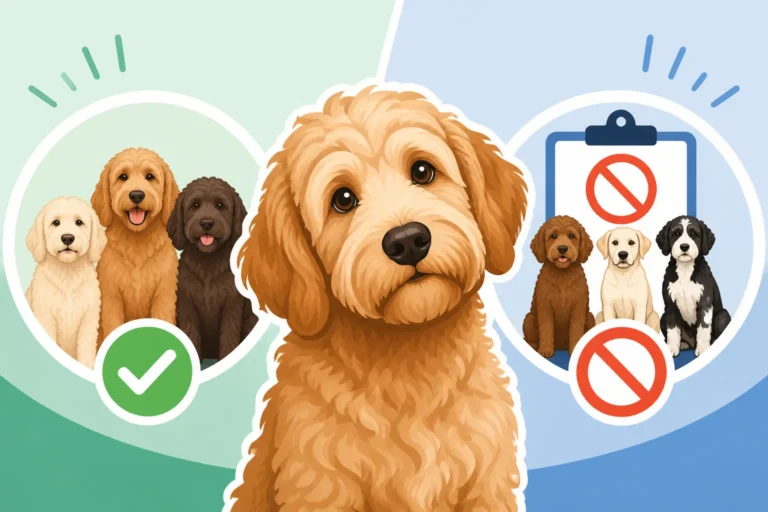
Any breeder offering "Multigen" Labradoodles should be completely transparent about the lineage of their dogs. This means being able to show you the pedigrees of the parent dogs, and ideally, their grandparents and even great-grandparents. You want to see that the dogs in their breeding program have consistently been Labradoodles for at least three generations.
Don't be shy about asking to see registration papers from organizations like the Australian Labradoodle Association of America (ALAA) or the Worldwide Australian Labradoodle Association (WALA), even if these are not recognized by the AKC. While these associations don't confer "purebred" status, they do maintain registries and often have codes of ethics for their member breeders, which can indicate a commitment to tracking lineage and promoting responsible practices. A good breeder will be proud to share this information and explain their breeding philosophy, rather than simply stating "they're Multigen" and leaving it at that.
Comprehensive Health Testing for All Lines
This is arguably the most crucial point. A "Multigen" label means nothing if the generations involved haven't been thoroughly health tested. You should ask to see verifiable health clearances for both parent dogs for common Labradoodle health issues, including:
- OFA or PennHIP evaluations for hips and elbows: These certify that the dogs have healthy joints, reducing the risk of passing on hip and elbow dysplasia. The Health Tests a Labradoodle Breeder Should Show
- Eye certifications: Often done annually by a veterinary ophthalmologist (CAER exams) to screen for hereditary eye diseases. The Yearly Eye Exam a Labradoodle Should Have
- Genetic disease panels: Look for tests for conditions like progressive retinal atrophy (PRA), Exercise Induced Collapse (EIC), Von Willebrand's disease, and potentially others depending on the specific lines. These are typically DNA tests that can be done once in a dog's lifetime.
A truly responsible breeder will not only provide these certifications for the immediate parents but should also be able to discuss the health history of previous generations in their lines. This shows a long-term commitment to improving the health of the breed, rather than just breeding dogs and labeling them "Multigen." If a breeder can't provide these documents or is evasive, it's a major red flag, regardless of how many generations they claim their dogs are.
Observing Parent Dogs and the Environment
While paperwork and genetic tests are vital, don't underestimate the power of observing the parent dogs yourself. If possible, visit the breeder's home or facility to meet the mother dog (and the father, if he's on-site). Pay close attention to their temperament, how they interact with their puppies, and their overall health and condition. Are they friendly and outgoing? Do they seem comfortable and well-socialized? Observing their coats can also give you a good indication of what to expect in terms of texture and potential grooming needs for your puppy.
A good breeder will welcome your questions and be happy to show you their facilities and their dogs. They should also be transparent about how the puppies are raised and socialized during their critical early weeks. These factors contribute significantly to a puppy's development, regardless of its genetic background. Even the best Multigen genetics won't overcome poor early socialization. When you’re stocking up on puppy essentials like food, toys, and grooming supplies, thinking about where you'll reliably source them, perhaps from an online retailer like Chewy, can help you plan for the arrival of your well-socialized puppy.
Living with a Multigen Labradoodle: Expectations vs. Reality
Bringing a Multigen Labradoodle into your home can be an incredibly rewarding experience, but it’s vital to temper any lofty expectations with a dose of realism. While the "Multigen" label suggests a more predictable outcome, every dog is an individual, and the core needs of a Labradoodle remain consistent across all generations.
Grooming Needs: Still a Major Commitment
Let's talk about that low-shedding coat. It's often the dream, right? But the reality is that "low-shedding" almost always translates to "high-maintenance" when it comes to grooming. A Multigen Labradoodle, especially one with a fleece or wool coat, will require significant grooming attention. This isn't just a weekly brush-through; we're talking about dedicated line brushing multiple times a week to prevent mats from forming, especially during the crucial The Coat Change That Hits a Labradoodle at Nine Months period.
Professional grooming appointments will be a recurring necessity, typically every 6-8 weeks, to keep their coat trimmed, healthy, and tangle-free. This isn't a small expense, and attempting to DIY can be daunting for novices. Whether Home Grooming a Labradoodle Ends Badly Many owners find it helpful to have a dedicated grooming station at home with all the right tools – slicker brushes, combs, detangling spray, and even a high-velocity dryer. You can easily find these professional-grade grooming supplies on platforms like Chewy, making it easier to maintain your dog's coat between visits to the groomer. Ignoring these needs, even for a "Multigen" dog, will quickly lead to painful matting that often requires a complete shave-down.
Training and Exercise: Engaging a Smart, Energetic Mind
Regardless of how many generations removed from the original Labrador and Poodle crosses, a Multigen Labradoodle still carries the inherent intelligence, energy, and desire to please from its foundational breeds. They are not content to be couch potatoes. These dogs thrive on mental stimulation and physical activity. Expect to dedicate significant time daily to exercise and training.
A young Multigen Labradoodle will need consistent, positive reinforcement training from day one. They are smart and can learn quickly, but that also means they can pick up bad habits just as fast if not guided properly. Puppy classes, obedience training, and even dog sports like agility or scent work can be excellent outlets for their energy and intelligence. Whether a Labradoodle Needs a Job to Settle A bored or under-exercised Labradoodle, even a Multigen one, can become destructive or develop undesirable behaviors. Think of them as eager students who need a curriculum! Keeping a steady supply of engaging toys and puzzle feeders, perhaps acquired through a regular delivery from Chewy, can help provide that crucial mental stimulation.
Food, Supplies, and Lifespan: Consistent Care Across Generations
The daily care requirements for a Multigen Labradoodle are largely the same as for any other Labradoodle or active, medium-to-large breed dog. They will need a high-quality diet appropriate for their age, size, and activity level. Portion control is important, as Labradors have a reputation for being food motivated, and many Labradoodles inherit this trait. Whether a Labradoodle Is Always Hungry
You'll also need to budget for all the usual dog supplies: a comfortable bed, durable toys, collars, leashes, and routine veterinary care, including vaccinations, parasite prevention, and annual check-ups. As they age, like any dog, they may develop specific health needs or require joint supplements. What a Labradoodle Owner Should Watch For After Eight
The typical lifespan for a Labradoodle, including Multigen, usually falls within The Twelve to Fifteen Years a Labradoodle Lives range. This is a long-term commitment, and the financial and emotional investment in a well-cared-for Multigen Labradoodle is substantial. The generation label really comes down to what you might expect in terms of certain traits, but the fundamental responsibilities of dog ownership remain unchanged. Whether you're getting an F1 or a Multigen, planning for the full scope of their care, from nutrition to routine check-ups, is essential. Ordering heavy bags of dog food and other bulky supplies from online retailers like Chewy can be a real back-saver over the years.
Disclaimer
This article is for general informational purposes only and does not constitute professional advice. Laws, prices and regulations vary by location and change over time. Consult a qualified professional for guidance on your specific situation.