Sultan, the Labradoodle That Proved the Idea
Many of us have fallen in love with the Labradoodle, drawn in by their charming looks and reputation as friendly, intelligent family dogs. But have you ever wondered about the very first Labradoodle, the one who kicked off this whole phenomenon? It's a fascinating story, rooted in a very specific need, and at its heart is a remarkable dog named Sultan, who quite literally proved that this innovative crossbreed could work wonders. This guide will delve into Sultan's incredible journey and how his success shaped the breed we know today.
The Vision Behind the Cross: A Guide Dog for All
Before the Labradoodle became a household name and a popular choice for countless families, it began with a deeply compassionate and practical goal. The initial idea wasn't about creating a new fashion trend in dogs; it was about addressing a very real challenge faced by people needing assistance animals. The vision was clear: a guide dog that could serve anyone, regardless of their sensitivities.
The Allergy Dilemma in Assistance Dogs
For decades, traditional guide dog breeds like Labradors and German Shepherds had been the gold standard. They possess incredible intelligence, trainability, and a calm demeanor essential for such important work. However, a significant hurdle emerged when potential handlers, especially those with severe allergies to dog dander, were unable to benefit from these life-changing companions. Imagine needing a guide dog desperately, but being unable to breathe comfortably around one. It was a heartbreaking reality for many, a barrier that seemed insurmountable with existing breeds. The frustration of being told "no" because of an allergy, despite all other qualifications, was deeply felt by those awaiting a canine partner.
The need was particularly poignant for people who were not just visually impaired but also had family members with allergies. A dog had to seamlessly integrate into the entire household, not just with its primary handler. This complex requirement meant that simply finding a non-shedding dog wasn't enough; it had to be the right non-shedding dog with the necessary temperament and working drive.
Wally Conron's Innovative Approach at Guide Dogs Victoria
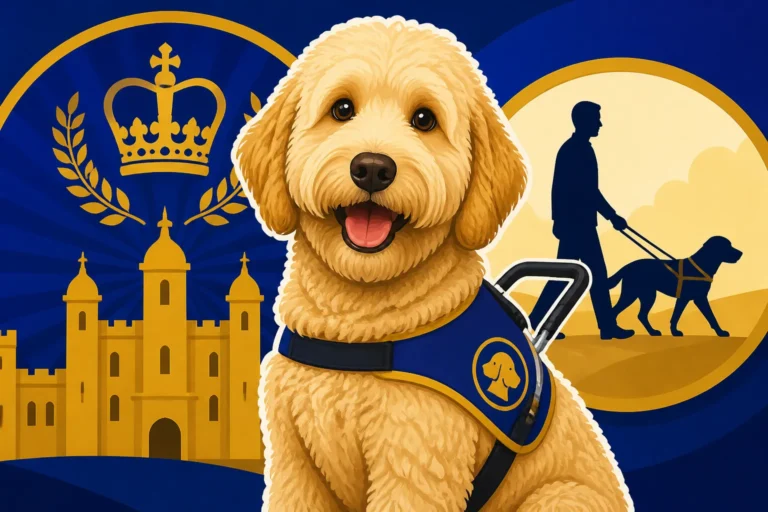
Enter Wally Conron, the breeding manager for the Royal Guide Dogs Association of Australia (now Guide Dogs Victoria) in the late 1980s. He was faced with this exact dilemma when a blind woman in Hawaii needed a guide dog that wouldn't trigger her husband's allergies. This wasn't just a hypothetical case; it was a real person with an urgent, unmet need. Conron knew that a traditional Labrador would not work due to its shedding coat. He had to think outside the box, to find a solution that combined the best traits of a working dog with a hypoallergenic coat. This was the driving force behind his revolutionary idea.
He wasn't simply mixing two breeds on a whim. Conron's background gave him a deep understanding of canine genetics and temperament. He knew that any successful cross would need to retain the core qualities of a guide dog: intelligence, trainability, eagerness to please, and a stable, confident nature. It was a calculated risk, a true leap of faith that aimed to solve a deeply personal problem for one individual, but with the potential to open doors for many others. You can learn more about Pat Blum, the Woman the First Labradoodle Was Bred For, whose specific needs sparked this groundbreaking idea.
The Initial Breeding Experiment: Labrador and Standard Poodle
Conron's groundbreaking idea was to cross a Labrador Retriever with a Standard Poodle. The Labrador brought its unparalleled reputation as a loving, eager-to-please, and highly trainable assistance dog. Its loyalty and intuitive nature were exactly what a guide dog required. On the other hand, the Standard Poodle, often overlooked by the public as just a show dog with fancy haircuts, possessed incredible intelligence, a keen sense of awareness, and, crucially, a low-shedding, often hypoallergenic coat. It was a perfect blend of form and function.
The goal was to harness the best of both worlds: the Labrador's robust working drive and gentle disposition, combined with the Poodle's smarts and allergy-friendly coat. It wasn't about creating a "cute" dog; it was about scientific breeding to produce a highly functional service animal. The hope was that the offspring would inherit the desirable temperament traits from both parents while largely shedding the shedding tendencies of the Labrador. This initial cross, an F1 Labradoodle, was the critical first step in proving whether this genetic gamble would pay off. This single event in 1989 truly made The 1989 Cross That Made the First Labradoodle a pivotal moment in canine history.
Sultan's Arrival: A Puppy Like No Other
From this initial, hopeful experiment came a litter of puppies, each one carrying the potential to change a life. Among them was Sultan, a dog whose remarkable qualities would eventually define the future of the Labradoodle breed. His birth was not just the arrival of a new puppy, but the dawn of a new era for assistance animals.
The Birth of the First Litter
In 1989, Conron successfully bred a Standard Poodle with a Labrador Retriever, resulting in the first-ever litter of Labradoodles. This was a moment of intense anticipation. Would the puppies exhibit the desired traits? Would their coats be suitable? As any breeder knows, a litter of puppies is a genetic lottery, and in this case, the stakes were incredibly high. Each tiny bundle represented a step towards or away from the dream of an allergy-friendly guide dog.
The puppies, being a first-generation cross (F1), showed a range of characteristics. Some might have leaned more towards the Labrador's appearance and coat, while others exhibited more Poodle-like traits. Observing these early puppies was crucial to understanding the viability of the cross. It was a testament to the dedication of the team at The Royal Guide Dogs Program Behind the Labradoodle that this experimental breeding was even undertaken.
Identifying Sultan and His Unique Traits
Out of this inaugural litter, one particular puppy stood out: Sultan. He quickly displayed the ideal combination of temperament, intelligence, and a coat that seemed to hit the mark. Sultan possessed the friendly, cooperative nature so characteristic of a Labrador, coupled with the sharp intellect and observant qualities of a Poodle. He was not only highly trainable but also had a low-shedding coat, which was the ultimate goal for the Hawaiian client's needs.
His physical traits and personality were carefully assessed. He was playful yet focused, curious yet calm under pressure – all essential attributes for a future guide dog. Sultan wasn't just a lucky pick; he was the embodiment of what Wally Conron had envisioned. His very existence confirmed that the cross had indeed produced the desired outcome, a dog with the potential to be both a loyal companion and an effective guide, without triggering debilitating allergies.
Early Signs of Success and Potential
From the moment he began training, Sultan demonstrated incredible aptitude. He was a quick learner, eager to please, and showed an innate ability to connect with his handlers. His progress was a source of great excitement and relief for Conron and his team. This wasn't just about one puppy; it was about validating an entire concept. If Sultan could succeed, it meant a new pathway for guide dogs could be forged, benefiting countless individuals in the future.
His early training focused on basic obedience, socialization, and confidence-building exercises. He was exposed to various environments, sounds, and people, all while his allergic suitability was closely monitored. The initial signs were overwhelmingly positive: Sultan was not only thriving in his training but also proving to be genuinely allergy-friendly, offering hope where there had once been none. His presence was a beacon, shining a light on the possibility that Why a Guide Dog Had to Be Allergy Friendly could indeed be created.
The Hawaiian Journey: Sultan's First Mission
With Sultan proving his potential in training, the next step was to see if he could truly fulfill the unique requirements of his intended handler in Hawaii. This wasn't just about graduating from guide dog school; it was about a complex international placement designed to meet very specific human needs.
The Specific Needs of a Client Abroad
The blind woman in Hawaii was at the heart of this entire endeavor. Her unique situation — needing a guide dog for her visual impairment while simultaneously accommodating her husband's severe dog allergies — was the very problem the Labradoodle was created to solve. Her case highlighted the limitations of traditional guide dog programs and underscored the necessity of finding an alternative. This wasn't a standard guide dog placement; it was a mission-critical operation for a pioneering crossbreed.
The logistical challenges were significant, too. Transporting a guide dog overseas, ensuring it acclimated to a new climate and culture, and guaranteeing it met the specific allergy criteria upon arrival, all added layers of complexity. This was not just a dog being adopted; it was a bespoke solution for a client with extraordinary circumstances, making Sultan's journey truly unique.
Sultan's Training and Preparation
Sultan's training was rigorous and tailored to prepare him for his crucial role. He underwent all the standard guide dog training, learning how to navigate obstacles, respond to commands, and safely lead his handler. But beyond that, extra emphasis was placed on ensuring his coat remained consistently low-shedding and non-reactive for allergy sufferers. This involved careful grooming routines and continuous monitoring. You can find excellent grooming tools and hypoallergenic shampoos for sensitive coats at online retailers like Chewy, which can be invaluable for maintaining a Labradoodle's coat.
His trainers worked tirelessly to ensure Sultan was not just obedient, but also confident, adaptable, and intuitive. A guide dog needs to make smart decisions, sometimes even overriding a handler's command if it perceives danger. Sultan's intelligence, inherited from both his Labrador and Poodle lineage, made him an exceptional student, capable of mastering the intricate tasks required of a working assistance animal.
Adapting to a New Environment and Client
Upon arriving in Hawaii, Sultan faced the challenge of adapting to a completely new environment — a tropical climate, different sounds, and a new human partner. Guide dogs form incredibly strong bonds with their handlers, and establishing this trust and working relationship is paramount. Sultan had to quickly learn his new routes, respond to his new handler's cues, and become a seamless extension of her independence.
The most critical test, of course, was his interaction with the allergic husband. The true success of the program hinged on whether Sultan could live and work in the home without causing an allergic reaction. His triumphant acclimation and the successful resolution of the allergy issue solidified his place in history. Sultan wasn't just a well-trained dog; he was living proof that Wally Conron's vision was not only possible but powerfully effective. For more about his life after Hawaii, explore What Happened to Sultan After Hawaii.
Proving the Concept: Sultan's Impact as a Working Dog
Sultan's successful placement in Hawaii wasn't just a win for one individual; it was a resounding validation of the entire Labradoodle concept. His performance as a working dog proved that this crossbreed could indeed fulfill its intended purpose, paving the way for a whole new category of assistance animals and forever changing the landscape of canine companionship.
Sultan's Performance in Service
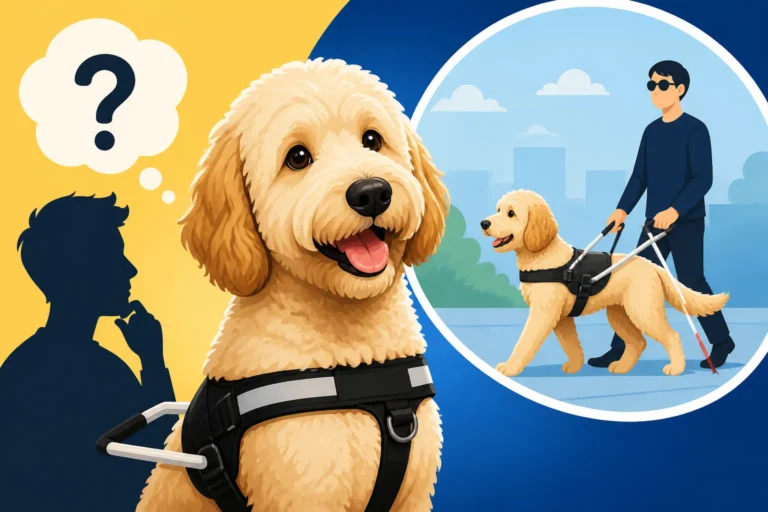
In Hawaii, Sultan excelled in his role as a guide dog. He became his handler's eyes, guiding her safely through her daily life, navigating busy streets, avoiding obstacles, and providing the invaluable independence that only a dedicated assistance dog can offer. His natural intelligence, combined with his extensive training, allowed him to perform his duties with precision and reliability. He was not just a pet; he was a partner, a protector, and a profound source of confidence for his owner.
Stories of his gentle demeanor and unwavering focus quickly spread, confirming that the crossbreed possessed the essential traits for service work. He demonstrated the perfect balance of an alert nature for guiding and a calm disposition for living harmoniously in a home environment. Sultan proved that combining the strengths of the Labrador and Poodle could indeed create a highly effective working dog.
The Allergy-Friendly Aspect Confirmed
Perhaps the most significant confirmation from Sultan's placement was the undeniable success of the allergy-friendly aspect. The husband, who previously suffered severe allergic reactions to dogs, was able to live comfortably with Sultan in their home. This was the ultimate validation of Wally Conron's innovative breeding. It demonstrated that a low-shedding, hypoallergenic coat could be consistently achieved in a working dog, opening doors for countless individuals who had been previously excluded from receiving guide dog assistance due to allergies.
This outcome was monumental, proving that dogs could be bred with a specific health benefit in mind without sacrificing their working capabilities or temperament. It offered tangible proof of concept, showing that the Labradoodle could genuinely serve a niche that had been desperately underserved.
The Ripple Effect: Public and Media Attention
Sultan's success quickly garnered significant public and media attention. The story of the "allergy-friendly guide dog" captured hearts and minds, leading to widespread interest in this new crossbreed. People were fascinated by the idea of a dog that combined the best of two beloved breeds, especially one with a non-shedding coat. This positive publicity was both a blessing and, as Wally Conron would later reflect, a curse.
While it highlighted the incredible potential of the Labradoodle for assistance work, it also ignited a massive demand for puppies, often from individuals more interested in the "designer dog" aspect than the original, profound purpose. This sudden surge in popularity inadvertently laid the groundwork for future challenges in the breed's development, as many saw the financial opportunity without understanding the ethical breeding principles that defined Sultan's creation.
The Unintended Consequences and Conron's Regret
While Sultan's success was initially celebrated, the widespread popularity of the Labradoodle and other "doodle" breeds led to unforeseen and deeply troubling consequences that Wally Conron himself came to regret. His noble experiment, designed to solve a specific problem, spiraled into an industry he hadn't intended.
The Explosion of the "Doodle" Craze
The demand for Labradoodles exploded after Sultan's story became public. Suddenly, everyone wanted one of these charming, intelligent, and supposedly allergy-friendly dogs. This created a fertile ground for opportunistic breeders, often without the same ethical considerations or deep understanding of genetics that Conron possessed. The term "designer dog" emerged, with people willing to pay significant sums for a Labradoodle, and soon, for Goldendoodles, Bernedoodles, and countless other Poodle crosses.
This rapid growth, fueled by marketing hype rather than careful breeding, quickly overshadowed the original, altruistic intent. The focus shifted from creating purpose-bred assistance animals to producing cute, curly-coated companions, often with little regard for health, temperament, or coat consistency. The public's desire for the "next big thing" in dogs took over, and the market became saturated with puppies of varying quality.
Concerns Over Unethical Breeding Practices
As the "doodle" craze intensified, Wally Conron grew increasingly dismayed by the rampant unethical breeding practices. Many breeders jumped into the market without performing proper health clearances, breeding dogs with undesirable temperaments, or misrepresenting coat types. Puppies were often advertised as "hypoallergenic" regardless of their actual genetic makeup, leading to heartbreak for allergic families who found their new pet still triggered reactions. You can understand why Wally Conron and the Labradoodle He Regrets became such a prominent part of the narrative.
The lack of standardized breeding practices meant that health issues, which good breeders meticulously screen for, became more prevalent in certain lines. Dogs were being bred solely for profit, leading to puppy mills and backyard breeders who prioritized quantity over quality. This dilution of responsible breeding practices was a significant concern for Conron, who had originally approached the cross with scientific rigor and a humanitarian goal. You can delve deeper into Why Conron Called the Labradoodle a Mistake and his perspective on the issue.
The Struggle for Health and Temperament Consistency
One of the biggest struggles resulting from the unregulated boom was the inconsistency in health and temperament. The beauty of a well-bred Labradoodle lies in its potential to inherit the best traits of both parent breeds. However, without careful selection and extensive health testing of breeding stock, puppies could inherit the worst, or a unpredictable mix. For instance, without proper screening, hip and elbow dysplasia from the Labrador side or eye conditions from the Poodle side could become more prevalent. Even temperament could be a gamble, leading to dogs that were anxious, shy, or overly energetic, rather than the calm, confident dogs envisioned for assistance work.
This unpredictability made it challenging for prospective owners to know what they were getting, and often led to dogs ending up in shelters when their "designer" qualities didn't match their reality. The original intent of a reliable, healthy, and allergy-friendly assistance dog was often lost in the rush to produce puppies for an insatiable market. It showed that Whether Labradoodle Hybrid Vigor Survives the First Cross was a question many breeders were not adequately addressing.
Sultan's Legacy: A Complex History
Sultan's life marked a pivotal moment in canine history, but his legacy is undeniably complex. He proved a concept that offered immense promise, yet also inadvertently sparked a phenomenon with both positive advancements and concerning downsides. Understanding his legacy means acknowledging both the groundbreaking success and the unintended consequences.
How Sultan Paved the Way for Modern Doodles
There's no denying that Sultan was the original trailblazer for all "doodle" breeds. His successful demonstration that a Labrador-Poodle cross could be an effective, allergy-friendly assistance dog opened the floodgates for people to explore other Poodle crosses. From Goldendoodles to Bernedoodles, Aussiedoodles, and more, the fundamental idea that a Poodle's coat could be combined with the traits of another popular breed can be traced back to Sultan.
He inspired countless individuals to consider mixed breeds for their unique combination of characteristics, pushing the boundaries of what was traditionally expected from purebred dogs. Sultan showed that purpose-bred crosses could fill vital gaps, leading to a broader acceptance and exploration of hybrid vigor in companion and working animals. Without Sultan, it's fair to say the modern "doodle" landscape would simply not exist as it does today.
Lessons Learned for Responsible Breeding
Sultan's story, particularly Wally Conron's later regrets, offers invaluable lessons for responsible breeding. It highlighted the critical importance of ethical practices, thorough health testing, and prioritizing temperament and health over appearance or fleeting trends. For every successful Labradoodle like Sultan, there's the risk of irresponsible breeding leading to genetic problems and behavioral issues.
Today, reputable Labradoodle breeders understand these lessons deeply. They conduct extensive health testing for conditions common to both parent breeds, such as hip and elbow dysplasia, eye diseases, and certain genetic disorders. They also carefully assess the temperament of their breeding stock to ensure puppies have the best chance of growing into stable, well-adjusted companions. Organizations like the Australian Labradoodle Association of America (ALAA) and the Worldwide Australian Labradoodle Association (WALA) have emerged to establish standards and promote ethical breeding within the breed. These lessons ensure that the positive aspects of Sultan's legacy can continue to thrive.
Honoring the Original Intent of the Labradoodle
To truly honor Sultan's original purpose, we must remember that the Labradoodle was conceived as a highly functional, allergy-friendly assistance dog. While they make wonderful family pets, the core intent was deeply rooted in service. This means appreciating the intelligence, trainability, and calm demeanor that made Sultan such a success, and recognizing that these traits should still be prioritized in breeding.
For those looking for a Labradoodle today, understanding this history encourages a more discerning approach to selecting a puppy. It's about seeking out breeders who are committed to health, temperament, and the well-being of their dogs, rather than just the latest coat color or "hypoallergenic" claim. It's about recognizing the profound potential these dogs have, not just as companions, but as genuine partners who can significantly enhance human lives, just as Sultan did for his handler in Hawaii.
Beyond Sultan: The Modern Labradoodle Landscape
The Labradoodle breed has evolved considerably since Sultan's pioneering journey. While the original cross between a Labrador and a Standard Poodle is still made (known as an F1 Labradoodle), the breed's development has taken a significant turn, particularly with the emergence of the Australian Labradoodle. Understanding this evolution is key to navigating the diverse world of Labradoodles today.
The Rise of the Australian Labradoodle
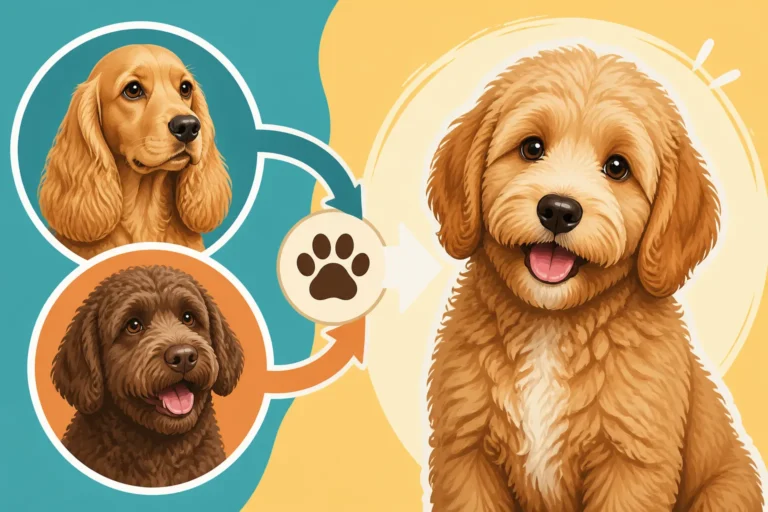
The Australian Labradoodle, often considered a distinct and more developed branch of the breed, came about through further infusions of other breeds beyond just the Labrador and Poodle. Early Australian Labradoodle breeders sought to stabilize the desired traits – the non-shedding coat, consistent temperament, and robust health – that could be inconsistent in early generation Labradoodles. They incorporated breeds like the Irish Water Spaniel and the Cocker Spaniel into their lines, creating a multi-generational cross that aimed for greater predictability. These additions were carefully selected to enhance specific qualities, leading to a more standardized look and temperament over many generations.
This multi-generational breeding program allowed for more control over genetic traits, leading to the highly sought-after fleece and wool coats that are genuinely low-shedding, and a more uniform temperament. It's why some people believe that Whether an Australian Labradoodle Lives Longer or is simply more predictable is a valid question. The Australian Labradoodle is now recognized by specific breed associations that maintain strict breeding standards, focusing on health, temperament, and consistency, much like a developing purebred dog.
Health Testing and Ethical Breeding Standards
Today, for any reputable Labradoodle breeder, whether they breed F1s or multi-generational Australian Labradoodles, health testing is absolutely paramount. The lessons learned from the "doodle craze" mean that ethical breeders go above and beyond to ensure the health of their puppies. This involves comprehensive screening for genetic diseases common to Labradors and Poodles, such as hip and elbow dysplasia, various eye conditions (like progressive retinal atrophy), von Willebrand's disease, and potentially Addison's disease. Many breeders list their health certifications transparently on their websites or provide them upon request.
Responsible breeders also focus on temperament. They choose breeding dogs with calm, friendly, and stable personalities, knowing that these traits are hereditary. They socialize their puppies extensively from a young age, preparing them for life in a family home. When looking for a Labradoodle, it's crucial to ask about these health clearances and observe the parents' temperaments. A good breeder will be open and honest, prioritizing the long-term health and happiness of their puppies. This commitment is why Whether Health Tested Parents Add Years to a Labradoodle is a question with a resounding 'yes'.
Living with a Labradoodle Today
A modern Labradoodle, when responsibly bred, can be an absolutely wonderful companion. They are generally intelligent, eager to please, and highly social dogs that thrive on human interaction. Their active minds and bodies mean they benefit greatly from regular exercise and mental stimulation. Whether it's a game of fetch, a brisk walk, or learning new tricks, a well-exercised Labradoodle is a happy Labradoodle. Remember to stock up on durable toys and treats from places like Chewy to keep their minds engaged.
Their coats, depending on the type (fleece or wool), require consistent grooming to prevent matting. This isn't a low-maintenance breed in terms of grooming, despite the "hypoallergenic" label. Owners must be prepared for regular brushing and professional grooming appointments to keep their Labradoodle's coat healthy and tangle-free. This commitment to care is a significant part of What Nobody Tells a First Time Labradoodle Buyer. They are often described as "Velcro dogs" due to their desire to be close to their families, making them ideal for households that can offer plenty of companionship. Ultimately, a Labradoodle can be an amazing addition to The Household a Labradoodle Actually Suits, bringing joy and vitality into daily life.
Sultan's Timeline: A Brief Overview
Sultan's story is a foundational chapter in the history of the Labradoodle. Here's a quick look at the key moments:
| Year / Event | Description | Significance |
|---|---|---|
| Late 1980s | Wally Conron at Guide Dogs Victoria seeks an allergy-friendly guide dog. | The pressing need for an assistance dog for a client with allergies initiates the concept. |
| 1989 | Conron breeds a Standard Poodle with a Labrador Retriever. | The first-ever litter of Labradoodles is born, including Sultan. |
| Early Life | Sultan is identified as a standout puppy with ideal temperament and a low-shedding coat. | Demonstrates the potential of the crossbreed to meet both working and allergy-friendly needs. |
| Training Phase | Sultan undergoes rigorous guide dog training, excelling in tasks and proving his intelligence. | Confirms his aptitude for service work and reinforces the viability of the breed. |
| Deployment to Hawaii | Sultan travels to Hawaii to live with his blind handler and her allergic husband. | The ultimate test of the allergy-friendly claim and his ability to work in a new environment. |
| Successful Service | Sultan works effectively as a guide dog, living comfortably in the allergic household. | Proves the concept; the Labradoodle can be an allergy-friendly guide dog. |
| Post-Service Life | Sultan retires after a dedicated career, living out his years as a beloved companion. | His full life cements his legacy as the dog who validated the breed's initial purpose. |
Disclaimer
This article is for general informational purposes only and does not constitute professional advice. Laws, prices and regulations vary by location and change over time. Consult a qualified professional for guidance on your specific situation.