Whether Sultan Worked as a Guide Dog
The story of the Labradoodle often begins with a hopeful vision: a dog with the intelligence and biddability of a Labrador, combined with the low-shedding coat of a Poodle, all wrapped up in a package perfect for guide dog work. But as many early enthusiasts found, the journey from idea to reality was far from straightforward, especially concerning the very first Labradoodles like Sultan, whose potential and limitations shaped the breed's future. This guide will delve into the initial goals for Sultan and his littermates, the practicalities of their training, and what truly became of them.
The Genesis of the Labradoodle: A Noble Goal
The creation of the Labradoodle was born out of a specific, pressing need rather than a whim, driven by the desire to expand access to assistance dogs for those with allergies. This noble goal set the stage for the first litter and the high hopes placed upon them.
Wally Conron's Vision and Pat Blum's Need
In the late 1980s, Wally Conron, then the breeding manager for the Royal Guide Dogs Association of Australia, faced a unique challenge. A blind woman named Pat Blum, residing in Hawaii, needed a guide dog, but her husband suffered from severe allergies to dog dander. This wasn't just a simple preference; it was a barrier to her independence and companionship. Conron’s dilemma was clear: how could he provide a reliable guide dog that wouldn't trigger a debilitating allergic reaction? This specific request for a non-allergenic guide dog led him to an unconventional solution.
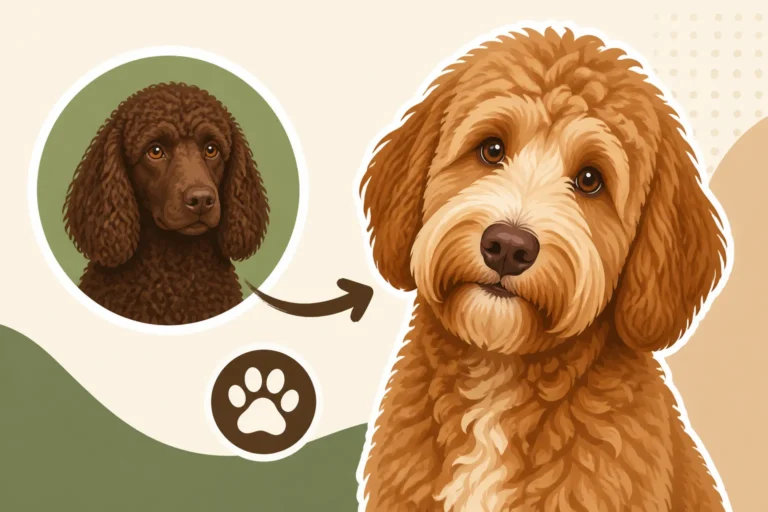
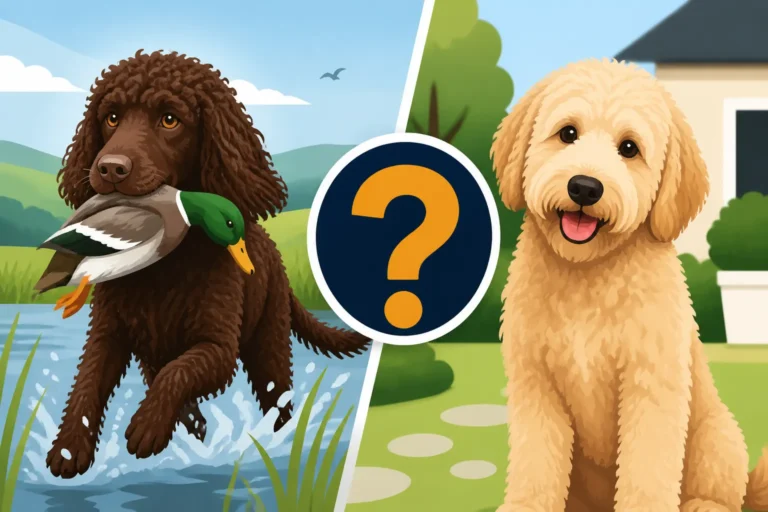
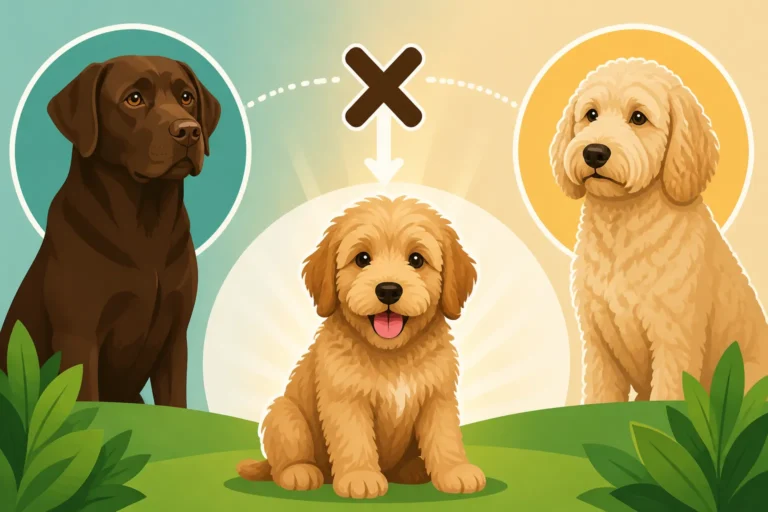
He looked to the Standard Poodle, known for its intelligence, trainability, and most importantly, its non-shedding coat. However, Poodles, while brilliant, often lacked the specific temperament, robustness, and social ease that the Labrador Retriever brought to guide work. The Labrador was the gold standard for guide dogs, celebrated for its steady nature, eagerness to please, and unwavering focus. Conron's innovative idea was to cross these two breeds, hoping to combine the best traits of both. This moment, driven by Pat Blum's particular situation, truly marked The 1989 Cross That Made the First Labradoodle.
The Search for the "Hypoallergenic Guide Dog"
The term "hypoallergenic" was, and still is, a complex and often misunderstood concept in the canine world. Conron wasn't necessarily looking for a completely allergen-free dog (which doesn't truly exist), but rather one that produced significantly less dander and shed less hair, thereby reducing the trigger for allergic reactions. The Poodle, with its dense, curly coat, fit this bill better than most. By breeding a Standard Poodle with a Labrador Retriever, Conron hoped to create a dog that inherited the Poodle's coat qualities and the Labrador's temperament and trainability.
The initial cross produced three puppies: Sultan, Fandy, and Jada. These three dogs became the pioneers, the first generation of what would eventually be known as Labradoodles. The expectations were immense, particularly for Sultan, who represented the possibility of a new lineage of assistance dogs that could serve a previously excluded population. It was a groundbreaking experiment, and the world watched, or at least the small world of guide dog services did, with bated breath to see if this hybrid could fulfill its promise. You can imagine the hope, for a client like Pat Blum, who was waiting for a life-changing companion.
Sultan's Role and Reality: Beyond the Hype
While the creation of Sultan and his siblings was a landmark moment, their personal journeys reveal the complexities of breeding and training for specific roles, especially in a brand-new crossbreed. The initial enthusiasm met the realities of genetic unpredictability.
Sultan's Early Promise and Training
Sultan, along with his littermates Fandy and Jada, indeed entered guide dog training. These were not just pets; they were part of a serious program aimed at creating a new type of assistance animal. The Royal Guide Dogs Program Behind the Labradoodle invested time and resources into assessing their potential. Sultan showed significant promise, exhibiting many of the intelligent and willing traits expected from his parent breeds. The trainers meticulously worked with him, teaching him the complex commands, environmental awareness, and steadfast focus required for a guide dog.
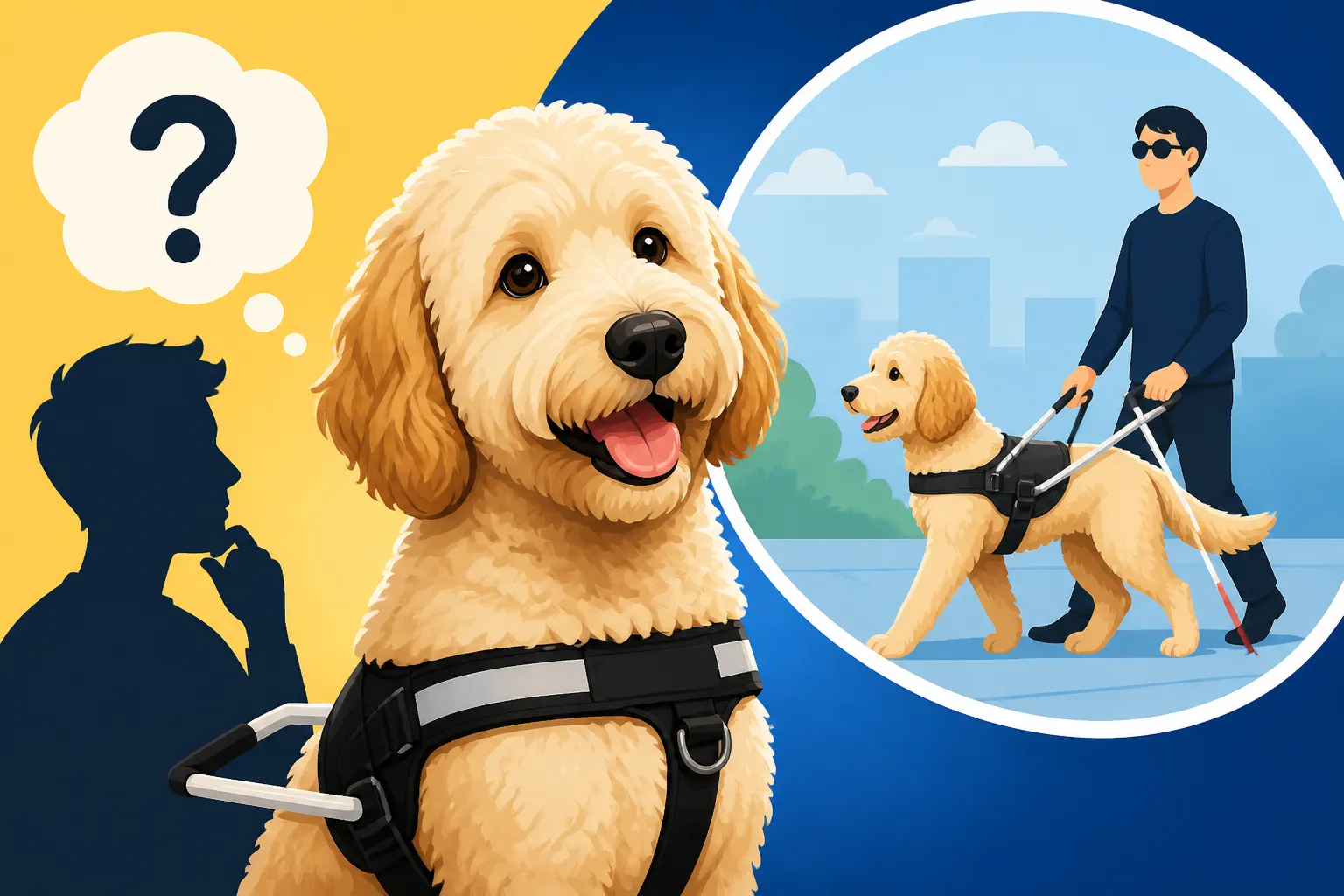
He was trained to navigate busy streets, avoid obstacles, and assist a blind person in their daily life, just as a purebred Labrador or German Shepherd would be. This initial training phase was critical, not just for Sultan, but for the entire concept of the Labradoodle. It proved that, at least in some individuals from the F1 generation, the intelligence and biddability were present. For a while, it seemed as though the dream of a "hypoallergenic guide dog" was within reach, and Sultan was at the forefront of this exciting development.
The Unforeseen Challenges and Outcome
However, the path to becoming a fully certified, working guide dog is arduous, and not every dog, purebred or cross, makes the cut. In Sultan's case, while he excelled in many aspects of training, he ultimately did not graduate as a working guide dog for Pat Blum. The reasons were multifactorial. One of the biggest challenges with first-generation (F1) crosses is the inherent unpredictability of traits. While some puppies might inherit the desired low-shedding coat, others might not, or they might inherit less desirable temperamental quirks that don't quite align with the rigorous demands of guide work.
In the early days, before extensive health and temperament testing became standard, breeders were essentially navigating uncharted territory. Conron himself later expressed regret over popularizing the breed due to the lack of consistent quality control among breeders, famously saying Wally Conron and the Labradoodle He Regrets. For Sultan, despite his training and early promise, there were aspects of his temperament or suitability that, at the final assessment, meant he wasn't the perfect match for Pat Blum's specific needs as a working guide dog. He was well-loved and found a wonderful home, living a happy life as a companion animal, but not in the capacity he was originally intended for. What happened to Sultan after Hawaii isn't widely publicized in terms of a guide dog career, primarily because he did not fulfill that role for the specific client. His legacy, however, remains significant, as he proved the possibility of the cross, even if the consistency wasn't there yet.
The Broader Impact of the First Labradoodle Litter
The experience with Sultan and his littermates was a profound learning curve, not just for Wally Conron, but for everyone involved in the budding Labradoodle movement. It quickly became clear that a single cross wouldn't guarantee the consistency needed for specialized working roles or even for families with severe allergies.
Shaping the Future of the Labradoodle
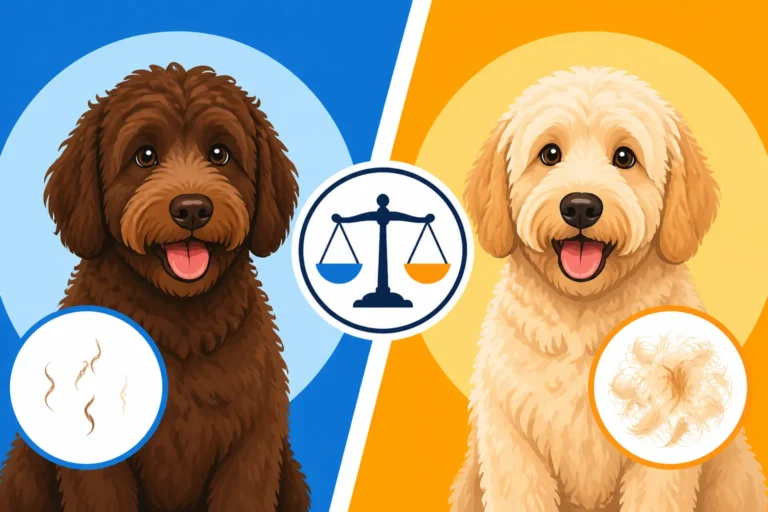
The early F1 Labradoodles like Sultan demonstrated that while the idea of combining a Poodle and a Labrador was sound, the execution required more refinement. The genetic lottery meant that coat types, temperaments, and even health aspects could vary wildly within a single litter. This variability was a significant hurdle for guide dog organizations that needed predictable results. It was one thing to find a loving home for a dog that didn't make the cut; it was another to scale a breeding program for assistance animals with such inconsistency.
This critical observation led to the development of multi-generational breeding programs, particularly in Australia. Breeders began to breed Labradoodle to Labradoodle, or back to one of the parent breeds (like a Poodle for an F1b Labradoodle), to selectively stabilize desired traits. This meticulous process aimed to produce more consistent coat types, more predictable temperaments, and better overall health outcomes. This pursuit of consistency eventually led to the distinct path of the Australian Labradoodle, which incorporated other breeds like the Cocker Spaniel and Irish Water Spaniel to further solidify traits, leading to discussions about the Australian Labradoodle and its separate name. This evolution was a direct result of the lessons learned from the first generation, including Sultan's journey.
Lessons Learned for Modern Labradoodle Owners
For today's Labradoodle owners and prospective owners, the story of Sultan serves as a powerful reminder of the importance of reputable breeding practices and setting realistic expectations. While Labradoodles are beloved family companions, understanding their origins helps us appreciate the efforts that go into making them the wonderful dogs they are today. A truly responsible breeder will be transparent about their dogs' lineage, health clearances, and temperament testing, going far beyond just promising a "hypoallergenic" puppy.
When considering a Labradoodle, it's crucial to research the breeder's commitment to health testing and to understand the different generations (F1, F1b, multi-gen) and what they might mean for coat and temperament predictability. You'll want to ask about parents' health clearances, like those for hips, elbows, and eyes. Even with the best breeding, early socialization and consistent training are paramount for any Labradoodle. Ensuring your puppy has a good start with quality food, appropriate toys, and grooming essentials, which you can easily find on sites like Chewy, will also lay the foundation for a happy, healthy dog.
Setting Realistic Expectations for Labradoodles as Working Dogs
While Sultan didn't become a guide dog, his story isn't one of failure but of foundational learning. The lineage he helped start has since seen many successful working dogs, thanks to dedicated breeders and trainers who understood the initial challenges.
The Modern Labradoodle in Assistance Work
Despite the early setbacks with Sultan, the Labradoodle's potential for assistance work was not dismissed entirely. Modern Labradoodles, especially those from well-established multi-generational lines, have proven to be highly capable service dogs in a variety of roles. They excel as therapy dogs, emotional support animals, and even as guide or hearing dogs, though not as universally adopted by major guide dog organizations as some might hope. Selective breeding programs have focused on combining the Poodle's intelligence and desire to please with the Labrador's natural retrieve drive and stable temperament.
Today, many Labradoodles undergo extensive training, often starting from puppyhood, to prepare them for specific assistance tasks. This can include anything from retrieving dropped items and opening doors for mobility assistance to providing deep pressure therapy for individuals with anxiety or autism. The consistent success seen in these modern working Labradoodles is a testament to the continuous efforts of dedicated breeders who learn from history and strive for excellence in their lines. These dogs show that Whether a Labradoodle Still Makes a Working Assistance Dog is a resounding yes, though the journey has been long and nuanced.
Temperament and Training Considerations
For families considering a Labradoodle with the hope of it becoming an assistance dog, it's vital to have realistic expectations and to understand the commitment involved. Not every Labradoodle will possess the specific combination of temperament, drive, and composure required for public access work. The rigorous training demanded of a service dog is immense, and even a highly intelligent and biddable Labradoodle needs dedicated, consistent guidance.
| Trait | Initial F1 Labradoodle Expectations (Sultan's Era) | Modern Multi-Gen Labradoodle Realities (Today) |
|---|---|---|
| Coat Consistency | Highly variable, often unpredictable shedding | More consistent low-shedding, various textures |
| Temperament Consistency | Variable, some suitable for guide work, others not | More predictable, stable, and biddable for work |
| Allergy-Friendliness | Hit-or-miss, depended on individual coat | Higher chance of being allergy-friendly, but not 100% |
| Guide Dog Success Rate | Low for official guide work programs | Significant success in various assistance roles |
| Breeding Program Approach | Experimental, single cross | Multi-generational, health-tested, trait-focused |
Proper socialization from an early age is non-negotiable, exposing your puppy to a wide range of sights, sounds, people, and other animals. Formal obedience classes, especially those geared towards public access skills, are highly recommended. You might also want to consult with a professional service dog trainer to assess your dog's aptitude and guide you through the specialized training process. Remember, even if your Labradoodle doesn't become a formal service dog, their intelligence and desire to please make them wonderful candidates for advanced obedience, canine sports, or simply being an incredibly well-behaved family member. Ensuring they have appropriate mental stimulation, perhaps with puzzle toys from Chewy, and plenty of exercise is key to a happy, well-adjusted Labradoodle. What Public Access Training Asks of a Labradoodle is a journey, and it's essential to be prepared for it.
Disclaimer
This article is for general informational purposes only and does not constitute professional advice. Laws, prices and regulations vary by location and change over time. Consult a qualified professional for guidance on your specific situation.