When Labradoodles Became Popular in the United States
Many of us see Labradoodles everywhere these days, from neighborhood dog parks to social media feeds, and it can feel like they just popped up overnight. It's easy to assume this delightful crossbreed has always been a beloved fixture in American homes, but their journey to widespread popularity in the United States is actually a fascinating story with distinct phases. This guide will take you through the timeline and key factors that led to the Labradoodle becoming the household name it is today.
The Genesis: An Accidental Star from Down Under
It’s often a surprise to many that the Labradoodle wasn't initially bred for its charming looks or even as a family pet. Their origins are rooted in a very specific, compassionate need, which began on the other side of the world. Understanding this starting point is crucial to grasping how they eventually captivated American hearts.
The Australian Beginning
The year was 1989, and the place was Australia. A specific request for a guide dog that wouldn't trigger allergies led to a groundbreaking cross. The 1989 Cross That Made the First Labradoodle was not some grand breeding program to create a new "designer dog" as we know them today, but a practical solution to a pressing problem. The Royal Guide Dogs Association of Australia was approached by a visually impaired woman in Hawaii who needed a guide dog that wouldn't exacerbate her husband's allergies.
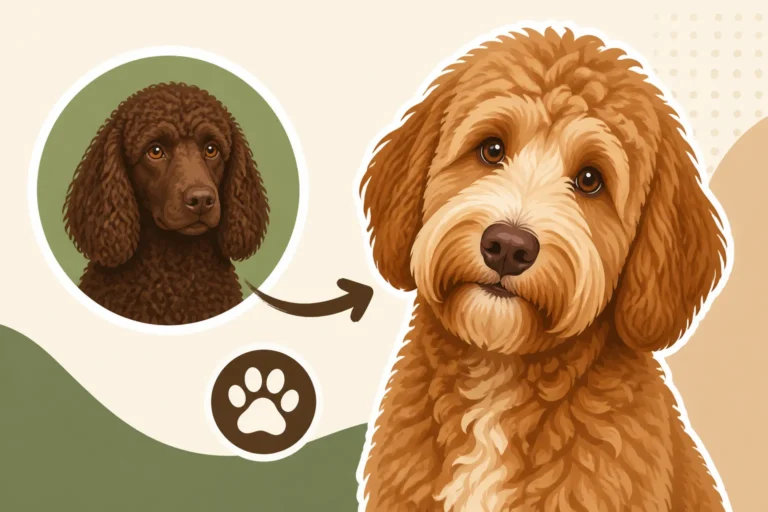
Wally Conron, the organization's breeding manager at the time, made the decision to cross a Standard Poodle, known for its low-shedding coat, with a Labrador Retriever, famous for its trainability and temperament. The goal was purely functional: combine the Poodle's coat characteristics with the Labrador's working dog qualities. This initial pairing resulted in a litter of puppies, one of whom, Sultan, went on to become the successful allergy-friendly guide dog the Hawaiian woman needed. This was the unassuming start, a quiet scientific endeavor rather than a public splash.
Early Whispers Beyond Australian Shores
For quite some time after their initial creation, Labradoodles remained relatively unknown outside of a small circle of guide dog organizations and allergy sufferers. The story of Sultan and the success of the cross did spread through professional channels, but it wasn't the kind of news that immediately hit mainstream media or pet magazines. Breeders in Australia, seeing the potential, began to replicate the cross, but still primarily with a focus on producing healthy, well-tempered dogs for specific needs.
The term "Labradoodle" itself, coined by Wally Conron, began to circulate, but it wasn't a household name, even in Australia, let alone across the Pacific in the United States. Initial awareness was very niche, often found within communities dealing with pet allergies or those interested in novel breeding approaches for working dogs. The general public wasn't yet aware of these intelligent, curly-coated companions. It really emphasizes how pragmatic their beginnings were, far removed from the modern "doodle craze."
The Slow Burn: Building Momentum in the Early 2000s
While the Labradoodle originated in 1989, it took well over a decade for them to truly start gaining traction in the United States. This period was less about an explosion and more about a steady, increasing hum of interest, driven by word-of-mouth and a growing appreciation for their unique blend of traits.
Shifting Perceptions and Growing Interest
The early 2000s saw a gradual shift in how people perceived crossbreeds. For a long time, purebred dogs were the gold standard, often seen as superior or more predictable. However, as more people encountered Labradoodles, either through friends, family, or even early internet forums, the perception began to change. Owners started sharing stories about their dogs' wonderful temperaments, intelligence, and yes, the often-touted low-shedding coats. This wasn't about mass marketing; it was about individual connections and personal recommendations.
People who previously struggled with pet allergies but longed for a dog found hope in the Labradoodle. This promise of an "allergy-friendly" companion was a massive draw, opening up dog ownership to a demographic that had often been excluded. It’s important to remember that not every Labradoodle is 100% hypoallergenic, and The Three Labradoodle Coats: Hair, Fleece and Wool vary in their shedding properties, but the idea of a less allergenic dog was a powerful catalyst for interest. Families tired of dealing with constant dog hair, even without severe allergies, also found the concept incredibly appealing.
Media Attention and Celebrity Endorsements
As their reputation grew, so did their media presence. Labradoodles started appearing in local news stories, then in national pet features. Sometimes it was a story about their cleverness, other times about their role as therapy dogs, or simply their charming appearance. What truly amplified their reach in the US was when celebrities began to adopt them. When famous personalities were photographed with their adorable, fluffy Labradoodles, it sent a clear message: these dogs were desirable, fashionable, and perfect for modern families.
This visibility created a snowball effect. People would see a Labradoodle, ask about it, learn about its supposed benefits, and suddenly a new desire was sparked. This organic spread was far more effective than any advertising campaign, as it came with an implied endorsement from trusted sources – whether a friend, a local vet, or a beloved celebrity. The demand began to outpace the supply from responsible breeders, marking a significant turning point in their journey to popularity.
The "Doodle Craze" and Peak Popularity
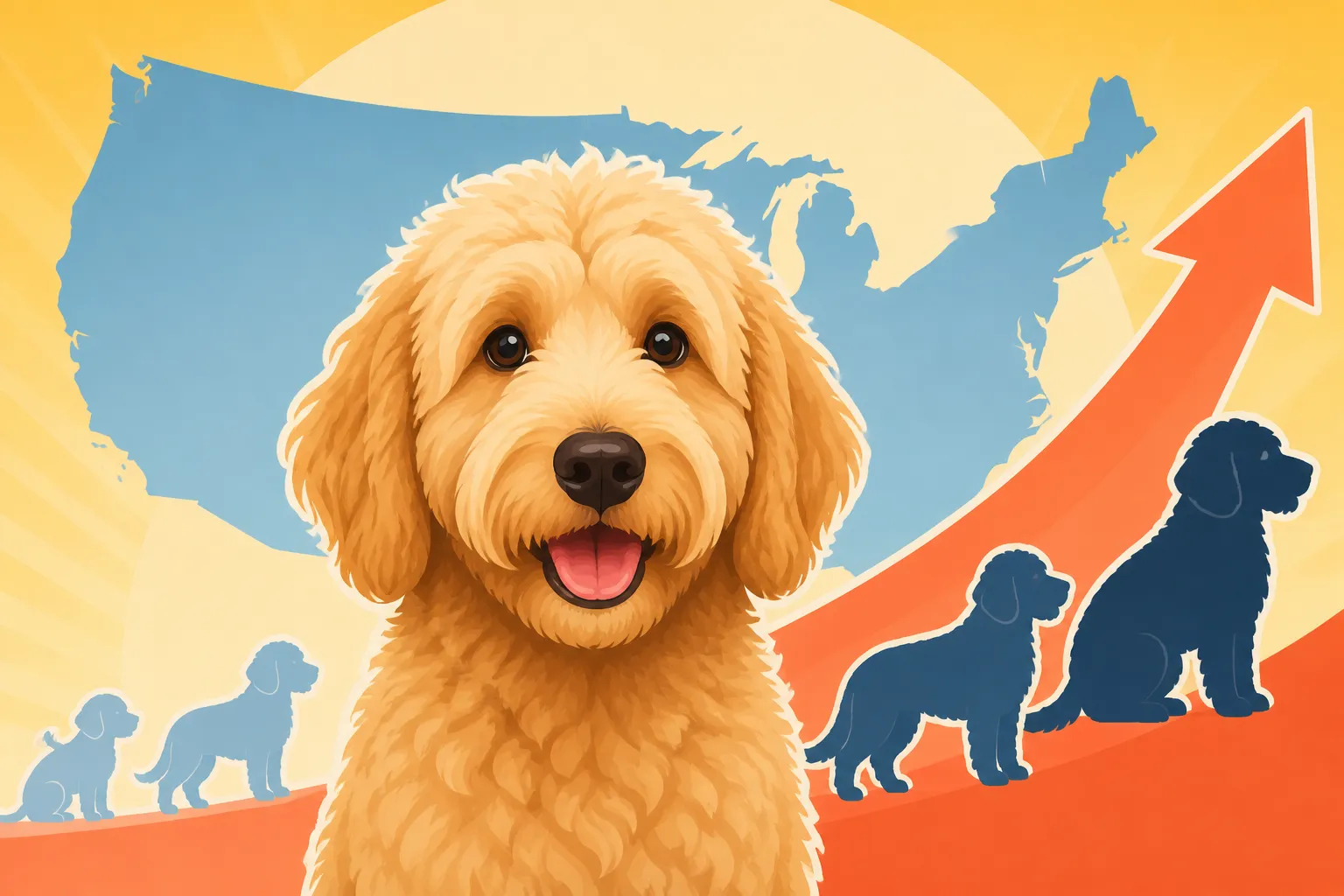
By the mid-2000s and certainly into the 2010s, the Labradoodle wasn't just popular; it had become the poster child for a whole new category of "designer dogs," igniting what many affectionately (or sometimes critically) refer to as the "doodle craze." This era saw their numbers swell dramatically across the United States.
The "Doodle Craze" Takes Hold
The rise of the Labradoodle didn't just stop with the breed itself; it paved the way for an entire phenomenon. Suddenly, every breed seemed to be getting a "doodle" counterpart – Goldendoodles, Bernedoodles, Aussiedoodles, and more. Whether the Labradoodle Started the Doodle Trend is a question many ask, and the answer is a resounding yes. They were the original "doodle," proving the market for Poodle crosses. This created a huge wave of interest in any dog that promised the intelligence of one parent and the low-shedding coat of a Poodle.
The appeal was multifaceted. They offered a refreshing alternative to traditional purebreds, often seen as healthier due to "hybrid vigor" (though this is a complex topic and not always guaranteed). Their mixed heritage felt modern, aligning with a broader cultural shift towards appreciating unique, blended identities. The sheer variety of sizes and colors available also added to their allure, allowing prospective owners to find a dog that seemed custom-made for their lifestyle, from a compact mini to a stately standard.
Factors Fueling the US Boom
Several key factors converged to make the Labradoodle a household favorite in the United States:
- Allergy-Friendly Reputation: Despite variations in individual dogs, the perception of the Labradoodle as an excellent choice for allergy sufferers was a huge driver. For families with mild to moderate allergies, the possibility of owning a dog finally felt within reach. This promise was powerful, even if the reality for every single dog wasn't 100% consistent.
- Ideal Temperament: The combination of the Labrador's friendly, eager-to-please nature and the Poodle's intelligence and trainability often results in a highly adaptable, sociable, and intelligent dog. This made them appealing to families with children, first-time dog owners, and those seeking a dog for therapy or assistance work. The Household a Labradoodle Actually Suits is often one that can provide ample companionship and mental stimulation.
- Distinctive Appearance: With their teddy-bear faces, shaggy coats, and often playful demeanor, Labradoodles are undeniably cute. They have a unique look that stands out from their parent breeds, which many found incredibly charming and appealing. Whether a fleece or wool coat, their soft, wavy or curly fur became instantly recognizable.
- Marketing and Word-of-Mouth: Breeders, both responsible and less so, quickly caught onto the demand. Online communities, forums, and later social media platforms dedicated to doodles proliferated. People shared photos, tips, and personal stories, further cementing their status. Pet supply companies like Chewy, seeing the growing market, expanded their offerings for dogs with specialized grooming needs, further normalizing and catering to doodle ownership. This constant visibility kept them top-of-mind.
The Digital Age and Enduring Appeal
The internet truly catalyzed the Labradoodle's journey from niche curiosity to mainstream superstar, making it easier than ever for aspiring owners to find information, connect with breeders, and purchase supplies.
The Internet's Role in Labradoodle Popularity
The rise of the internet completely transformed how dogs were bought, sold, and discussed. Websites dedicated to Labradoodles, online breeder directories, and social media groups allowed information (and sometimes misinformation) to spread at an unprecedented rate. Prospective owners could easily search for "Labradoodle puppies near me" or research different generations like F1 or multigen. This digital accessibility fueled demand and made it easier for people across the country to connect with breeders, even if they were states away.
Pet ownership became a more visible part of our lives through platforms where people eagerly shared photos and videos of their furry family members. The Labradoodle, with its expressive face and often comical antics, was a natural fit for this visual sharing. Furthermore, online retailers such as Chewy made it simple for owners to acquire everything from specialized shampoos for their curly coats to interactive toys that catered to their intelligent minds, supporting the lifestyle of doodle ownership. This ease of access, both to dogs and their care products, further contributed to their growing presence in American homes.
Current Status and Continued Presence
Today, the Labradoodle remains incredibly popular in the United States, a testament to their enduring appeal. While Wally Conron and the Labradoodle He Regrets his creation due to the explosion of irresponsible breeding, the genuine love and dedication of countless Labradoodle owners speak volumes. They continue to be sought after by families, individuals, and even some assistance dog programs, though perhaps not in the same capacity as their original guide dog purpose.
The popularity has certainly brought challenges, including the proliferation of backyard breeders and puppy mills looking to profit from demand. This means that potential owners now face the crucial task of navigating a complex landscape to find a responsible breeder. However, for many, the Labradoodle represents the ideal family companion: intelligent, affectionate, and with a coat that, while requiring significant grooming (as discussed in topics like Brushing a Labradoodle to the Skin, Not the Surface), often means less shedding around the house. Their journey from a specific need in Australia to a beloved American household pet is a remarkable story of adaptability, charm, and the power of a compelling narrative. Whether Labradoodle Numbers Are Still Growing is a question that suggests their story is far from over.
| Period | Key Developments | Impact on US Popularity |
|---|---|---|
| Late 1980s | First intentional cross in Australia for allergy-friendly guide dogs. | Minimal. Niche awareness among guide dog circles and allergy sufferers. |
| 1990s | Term "Labradoodle" coined; early breeders in Australia work on refining the cross; word begins to spread slowly. | Very gradual and localized awareness, primarily through anecdotal evidence. |
| Early 2000s | Increased anecdotal evidence of good temperament & low-shedding; early media mentions; first celebrity owners. | Growing interest, especially from allergy sufferers and families seeking a trainable pet. |
| Mid-2000s | "Doodle craze" begins, Labradoodle as the pioneer; widespread media attention; internet facilitates breeder connections. | Explosive growth in demand; perceived benefits like hypoallergenic coats and friendly demeanor become widely known. |
| 2010s-Present | Mainstream household pet; online communities flourish; pet supply market (e.g., Chewy) caters to doodle needs. | Sustained high popularity, established as a common and beloved family dog. |
Disclaimer
This article is for general informational purposes only and does not constitute professional advice. Laws, prices and regulations vary by location and change over time. Consult a qualified professional for guidance on your specific situation.