Why Hawaii Mattered to the First Labradoodle
The story of the Labradoodle is a fascinating one, born out of a very specific need, and a pivotal moment in its early history often goes overlooked: why the beautiful island state of Hawaii played such a crucial role. Many people know the broad strokes—a non-shedding guide dog was needed—but the journey to Hawaii cemented the Labradoodle's place in the public consciousness and set the stage for its global popularity. This guide will walk you through the surprising events that unfolded, explaining how one dog's destination became a key chapter in the breed's origin story.
The Unique Challenge: Allergies Meet Assistance
Imagine needing a guide dog, a loyal companion and helper, but suffering from severe allergies. This was the frustrating reality for a woman named Pat Blum in the late 1980s. She lived in Hawaii, and her need for an assistance dog was urgent, but her husband's allergies to dog hair and dander made traditional guide dog breeds like Labradors and German Shepherds impossible. It was a seemingly insurmountable barrier, creating a heartfelt dilemma for a person seeking independence and companionship.
Her predicament presented a truly unique challenge to guide dog organizations. Standard guide dogs, while exceptional in their work, often shed quite a bit, making them unsuitable for individuals with severe allergies. Pat Blum's situation wasn't just about finding a dog that could be trained; it was about finding a dog that could exist in her home without causing a health crisis for her family. This critical requirement meant that the traditional pool of service dog candidates was effectively off-limits.
This wasn't a minor hurdle; it was a fundamental one. Guide dog organizations had perfected their breeding and training programs over decades, focusing on temperament, intelligence, and physical soundness. Introducing a new, non-shedding requirement meant going back to the drawing board, venturing into uncharted territory where the needs of the client directly conflicted with the characteristics of proven working breeds. It was a testament to the dedication of these organizations that they even considered such an experimental approach, driven by the profound desire to help someone like Pat Blum maintain her quality of life.
Wally Conron's Bold Idea and Sultan's Genesis
Enter Wally Conron, the breeding manager for Guide Dogs Victoria in Australia. He was tasked with this seemingly impossible mission: find a guide dog for Pat Blum that wouldn't trigger her husband's allergies. Conron explored many avenues, including trying to use Poodles as guide dogs themselves, but found their temperament often wasn't quite suited to the rigors of guide work. He needed the biddability and solid work ethic of a Labrador, combined with the low-shedding coat of a Poodle. This wasn't just a simple mix; it was a carefully considered, problem-solving cross.
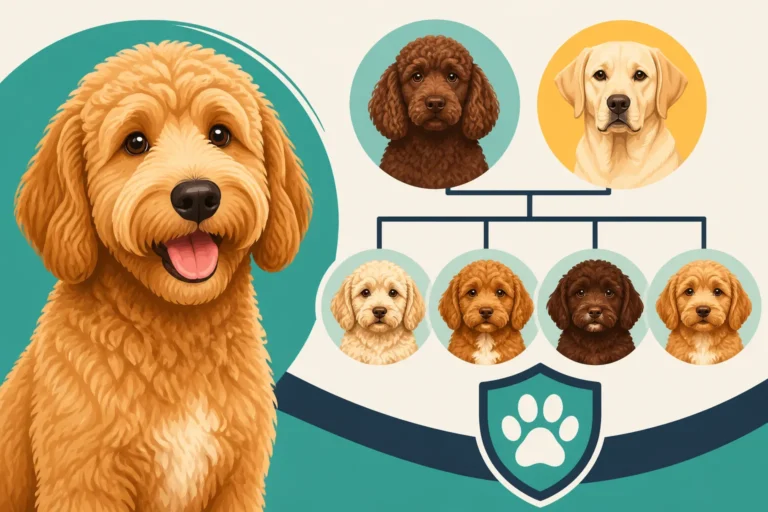
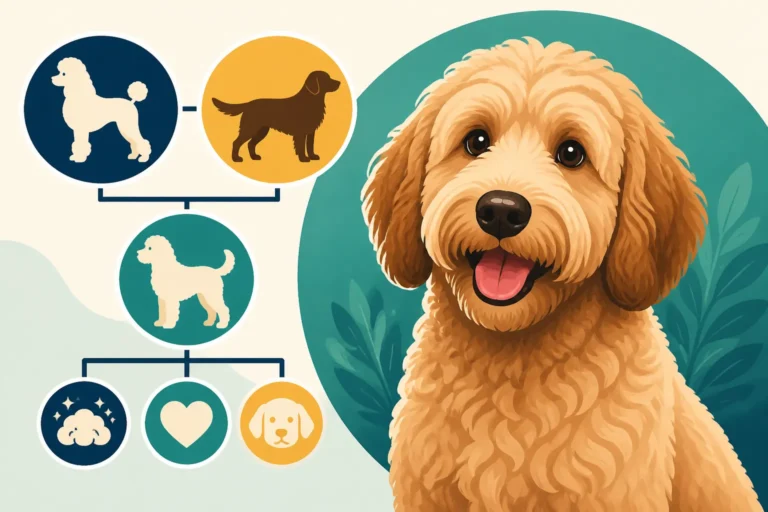
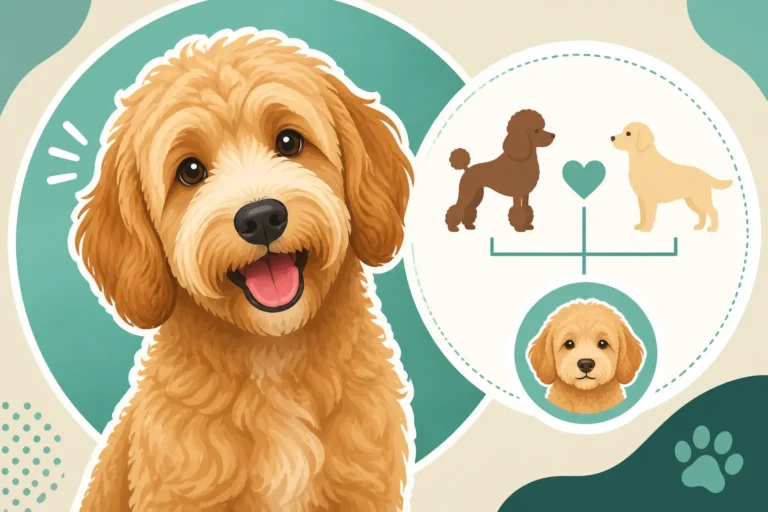
After much deliberation, Conron made the innovative decision to cross a Standard Poodle with a Labrador Retriever. The hope was to combine the Poodle's hypoallergenic coat properties with the Labrador's renowned trainability, intelligence, and gentle nature, all essential traits for a successful guide dog. It was a gamble, a true experiment, as there was no guarantee the offspring would inherit the desired traits consistently. However, Pat Blum's unique circumstances called for a unique solution, and Conron was determined to find one.
From this groundbreaking cross, a litter was born. Among them was a puppy named Sultan, who would become the very first successful Labradoodle. Sultan showed immense promise, not only exhibiting the keen intelligence and calm demeanor of a guide dog candidate but also possessing a coat that seemed to fit the non-allergenic criteria. He began his rigorous guide dog training, demonstrating the aptitude and focus required for such an important role. His success in training was a huge relief, proving that the cross had indeed produced an animal capable of the task. What Guide Dog Schools Look For in a Labradoodle
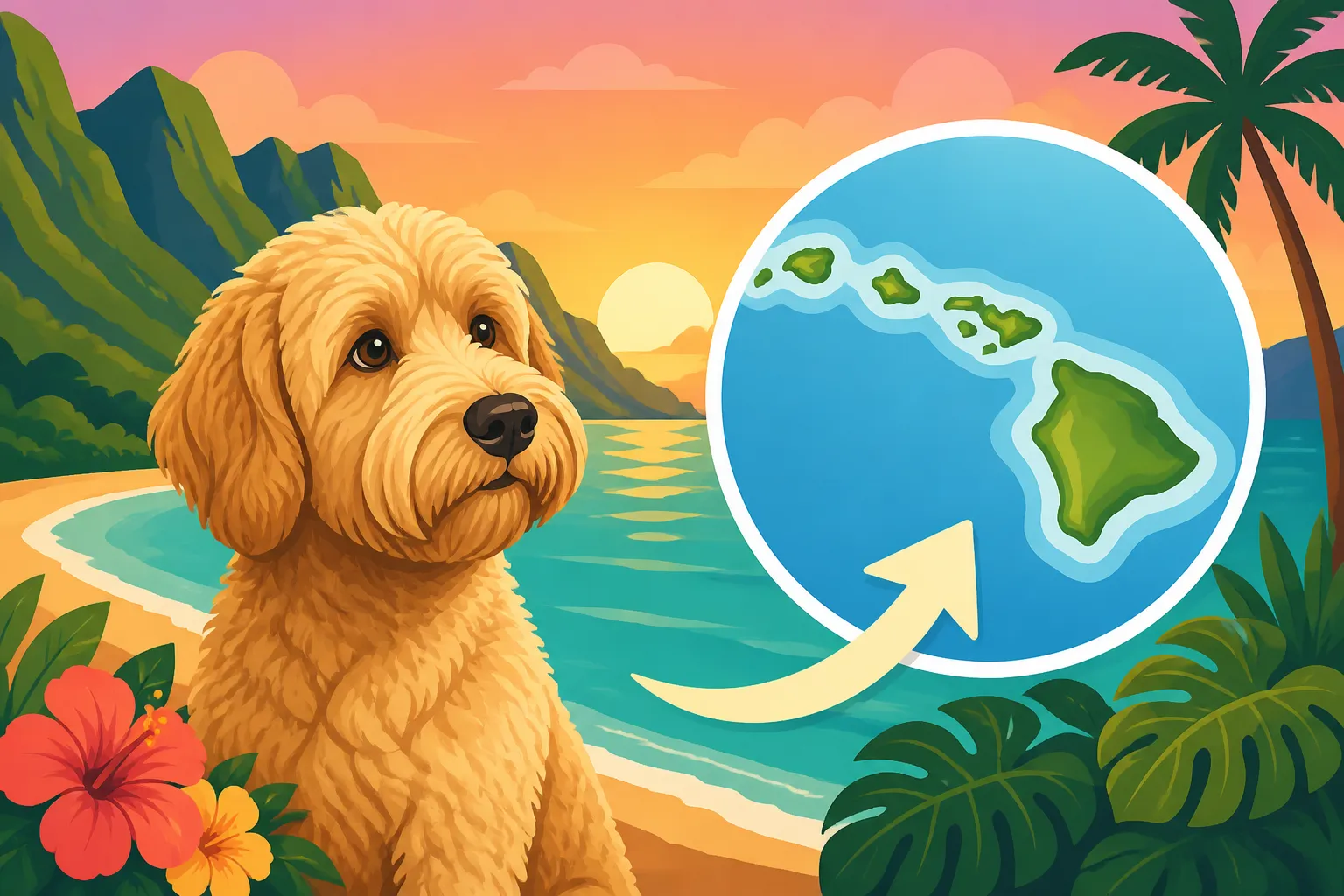
The fact that Pat Blum lived in Hawaii was central to Sultan's story. With Sultan demonstrating that he was the right dog for the job, the next step was getting him to his new home. This meant a journey across the Pacific Ocean, from Australia to the tropical paradise of Hawaii. This specific destination was not merely a geographic detail; it was the entire premise upon which Conron's pioneering work was based. Without Pat Blum's residence in Hawaii and her specific allergic needs, the original Labradoodle project, and by extension, Sultan's journey, might never have happened at all.
Sultan's Arrival in Hawaii and the Media Frenzy
When Sultan finally arrived in Hawaii, he was more than just a guide dog; he was a symbol of hope and innovation. He seamlessly integrated into Pat Blum's life, providing the independence and companionship she desperately sought, all without triggering her husband's severe allergies. Sultan proved to be an outstanding guide dog, navigating the busy streets and providing unwavering support. His gentle nature and intelligent work ethic made him an invaluable member of the Blum household. Whether Sultan Worked as a Guide Dog
The success story of Sultan in Hawaii quickly captured media attention, and this is where Hawaii's true significance shines. A non-shedding guide dog helping a blind woman in such an exotic, picturesque location was a compelling narrative. News outlets picked up the story, highlighting the ingenious solution to a very personal problem. It was in these early reports, describing Sultan, that the term "Labradoodle" was coined and first widely disseminated. The media needed a catchy name for this new, remarkable dog, and "Labradoodle" stuck.
The public was captivated by the idea of an "allergy-friendly" dog that could also perform such vital service work. The demand for Labradoodles exploded almost overnight, far exceeding anything Wally Conron or Guide Dogs Victoria could have anticipated. People weren't just looking for guide dogs anymore; they wanted companion animals that wouldn't exacerbate their allergies. This sudden surge in popularity, fueled by Sultan's success story originating from Hawaii, irrevocably changed the trajectory of this crossbreed. It went from a niche solution to a global phenomenon, launching the entire "doodle" trend.
This media exposure, while validating the initial success, also brought unforeseen consequences. The term "Labradoodle" became a buzzword, leading to an explosion of indiscriminate breeding by individuals eager to capitalize on the demand. This commercialization, detached from Conron's original, thoughtful purpose, eventually led to his famous regret about creating the breed, as many early Labradoodles lacked the health and temperament stability of his initial efforts. However, the spark for this global interest undeniably came from Sultan's successful debut in Hawaii.
The Lasting Legacy of the First Labradoodle's Journey
The journey of the first Labradoodle to Hawaii marked a monumental shift in how people viewed crossbreeds, particularly for specific needs. Sultan's success story became the blueprint, showcasing that combining different breeds could indeed yield desirable traits for various purposes, including service work and allergy relief. It shattered previous assumptions that only purebred dogs could reliably perform such important roles and opened doors for further exploration into purpose-bred crosses.
The impact of Sultan and his Hawaiian placement continues to resonate today. The initial idea of an allergy-friendly guide dog has blossomed into a widespread desire for low-shedding companion animals. Many breeders, inspired by the original goal, strive to maintain the health and temperament standards that Wally Conron initially sought. When you look at the wide array of "doodles" available today, from Goldendoodles to Bernedoodles, you can trace their lineage back to that one specific need in Hawaii and the dog named Sultan. Whether the Labradoodle Started the Doodle Trend
However, the legacy is complex. While Sultan's story highlighted the potential, it also underscored the importance of responsible breeding. The rapid proliferation of Labradoodles led to many challenges, including inconsistent coat types, varied temperaments, and inherited health issues due to a lack of proper screening. This is why it's so important for prospective owners to research breeders thoroughly, looking for those committed to health testing and ethical practices, rather than just cashing in on a popular name. Products available on sites like Chewy that promote pet health and specific grooming needs are often a direct result of the diverse needs of these popular breeds.
The story of Hawaii and the first Labradoodle reminds us that even the most seemingly small, specific problems can lead to innovations that change the world. Pat Blum's need, Wally Conron's ingenuity, and Sultan's successful delivery in Hawaii created a new category of dog, impacting countless lives and sparking a global conversation about breeding, purpose, and companionship. It also sparked interest in new types of grooming tools and allergy-friendly pet supplies, which you can easily find on platforms like Chewy to care for your own doodle. Understanding this origin story helps us appreciate the breed's unique history and the responsibilities that come with owning such a beloved companion.
| Aspect of the Story | Pre-Sultan Situation | Role of Hawaii | Post-Sultan Impact |
|---|---|---|---|
| Client Need | Pat Blum needed a guide dog but her husband had severe allergies to typical guide dog breeds. | Pat Blum lived in Hawaii, creating the specific "destination" for the experimental dog. | Validated the need for allergy-friendly service dogs and led to widespread demand. |
| Wally Conron's Role | Tasked with finding an allergy-friendly guide dog, leading to the Poodle-Labrador cross. | Sultan, the first successful Labradoodle, was specifically bred and trained for the client in Hawaii. | Proved the concept of combining breeds for specific traits, but also sparked regret due to uncontrolled breeding. |
| Sultan's Role | Proved the concept of the Labradoodle as a viable allergy-friendly guide dog. | Sultan's successful integration and work in Hawaii provided a compelling media narrative. | His success popularized the "Labradoodle" name and initiated the "doodle" trend globally. |
| Media Impact | No widespread awareness of allergy-friendly service dogs. | The success story in Hawaii was picked up by media, leading to the coining and popularization of the term "Labradoodle." | Created massive public demand for Labradoodles and other mixed breeds. |
| Breed Future | Undefined; an experimental cross. | The successful outcome and media coverage in Hawaii cemented the Labradoodle's public image. | Led to both responsible breeding efforts and unfortunately, opportunistic breeding without proper standards. |
Caring for a Labradoodle, whether you're dealing with their energetic personality or their unique grooming needs, requires dedication. They're often described as "velcro dogs" who thrive on human companionship, sometimes leading to challenges with The Velcro Labradoodle That Cannot Be Left. Their coats, while often low-shedding, still require considerable attention. Understanding The Coat Change That Hits a Labradoodle at Nine Months is crucial for new owners, as is knowing how to properly care for their distinct hair types. Grooming tools, quality food, and enriching toys, easily sourced from retailers like Chewy, become essential parts of their daily lives. Furthermore, knowing The Exercise a Labradoodle Needs Before It Behaves is key to managing their vibrant energy. And, like any breed, they have specific health considerations, such as Bloat Risk in a Standard Poodle Bred Labradoodle which owners should always be aware of. Ultimately, the story of Sultan in Hawaii is a reminder of the powerful bond we share with these incredible animals and the lengths we go to ensure they can be a part of our lives.
Disclaimer
This article is for general informational purposes only and does not constitute professional advice. Laws, prices and regulations vary by location and change over time. Consult a qualified professional for guidance on your specific situation.