What Happened to Sultan After Hawaii
Many Labradoodle enthusiasts hear the name Sultan and immediately wonder about the pioneering dog whose existence launched a global phenomenon. It's a natural curiosity, especially when the breed's creator, Wally Conron, later expressed regret about his invention. For those of us who adore our Doodles, understanding Sultan's journey helps us appreciate the breed's unique history and the responsibilities that come with owning such a beloved companion. This guide will delve into what happened to Sultan after his pivotal role in Hawaii and explore his lasting legacy.
Sultan's Role in the Labradoodle's Origin Story
Sultan wasn't just any dog; he was the very first Labradoodle, specially bred for a specific, heartfelt purpose. His story is intertwined with a compassionate mission and an unexpected outcome that reshaped the canine world. It's easy to look back now and see the massive impact, but at the time, he was simply trying to fill a crucial need.
The Initial Purpose: A Hypoallergenic Guide Dog
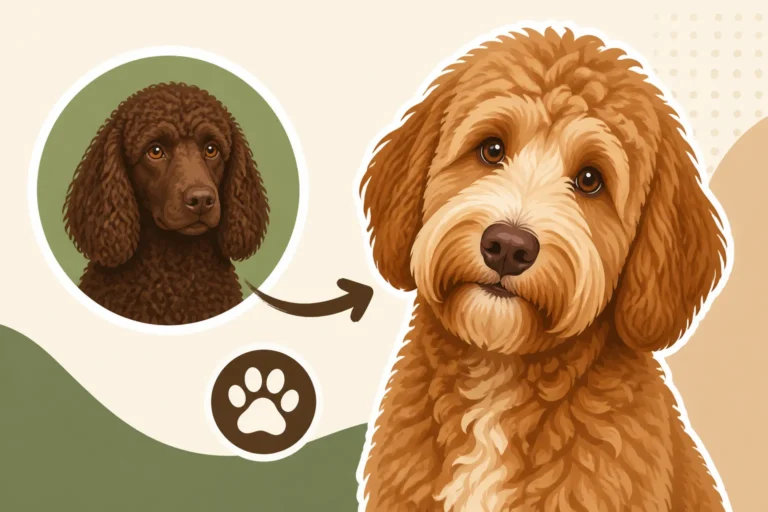
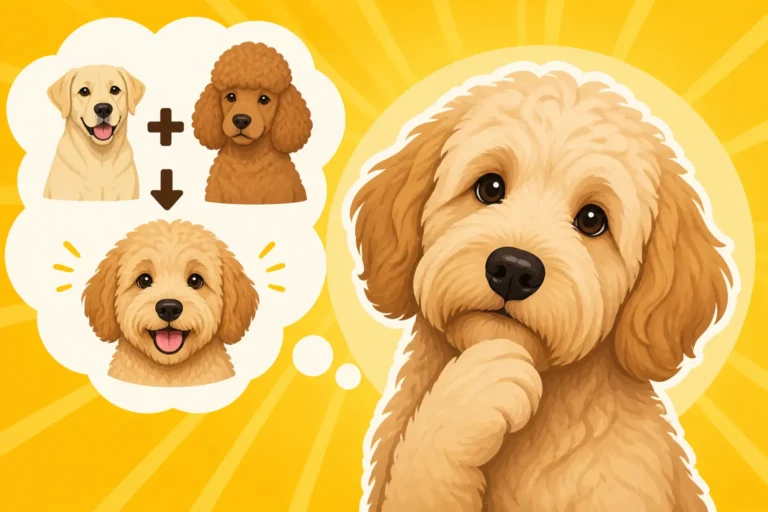
Imagine being an animal lover who needs a guide dog, but your spouse is severely allergic. This was the dilemma faced by Pat Blum in Hawaii, a blind woman whose husband's allergies meant a standard Labrador or Golden Retriever was out of the question. This seemingly insurmountable problem landed on the desk of Wally Conron, then the breeding manager for the Royal Guide Dogs Association of Australia. Conron's mission was clear: create a guide dog that wouldn't trigger allergies, combining the intelligence and temperament of a Poodle with the trainability and eager-to-please nature of a Labrador Retriever. He made the fateful decision to cross a Standard Poodle with a Labrador Retriever, hoping for the best of both worlds. This wasn't a casual decision; it was a carefully considered attempt to bridge a gap for someone desperately in need. This is where The 1989 Cross That Made the First Labradoodle really began to unfold.
Conron specifically sought a Poodle with a calm, working temperament, not just one with an impressive coat. He knew that an effective guide dog needed more than just a low-shedding coat; it needed to be unflappable, focused, and deeply bonded with its handler. The Labrador side contributed that well-known desire to please and a robust constitution. The idea was to create a dog that could seamlessly transition into a working role, providing independence without causing allergic reactions. This blending of traits was highly experimental at the time, and the world watched (though perhaps unknowingly at first) to see if such a combination could truly deliver on its promise.
The Hawaii Connection: Testing the Concept
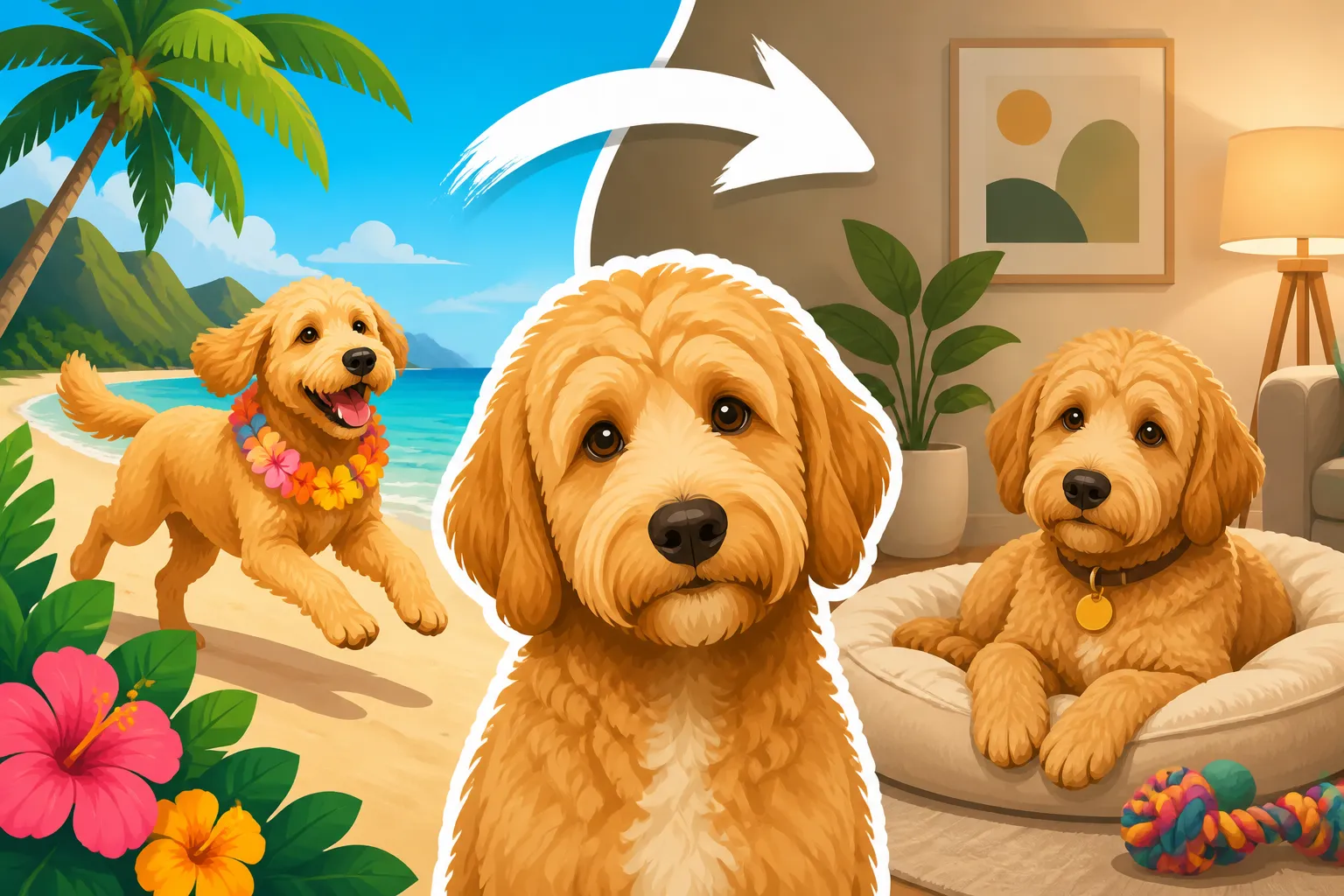
Once Sultan was born from this pioneering litter, his ultimate destination was clear: Hawaii, to live and work with Pat Blum. The journey itself was significant, as it wasn't just a relocation, but a grand experiment to see if the theoretical "hypoallergenic guide dog" could actually deliver. Pat Blum was, after all, the entire reason for this unprecedented breeding program. She needed a reliable guide and a companion who wouldn't make her home a constant source of discomfort for her husband. The Royal Guide Dogs Association understood the stakes involved; if Sultan proved successful, it could open doors for many others facing similar challenges.
The time Sultan spent in Hawaii with Pat Blum served as a real-world crucible for the nascent Labradoodle concept. It wasn't about laboratory tests or theoretical outcomes; it was about daily life, navigating streets, avoiding obstacles, and forming an unbreakable bond, all while living in a household where allergies were a serious consideration. His performance and the absence of allergic reactions in Pat's home were the ultimate proof points. This period was crucial in demonstrating that the Labradoodle, as a concept, had immense potential. Sultan’s calm demeanor and aptitude for guiding in a completely new environment further solidified the belief that this crossbreed could fulfill its intended purpose beautifully.
Sultan's Success as a Service Dog
Sultan didn't just meet expectations; he exceeded them, carving out a remarkable career that validated the initial hopes for the Labradoodle. His success wasn't merely about his coat; it was about his entire being as a working companion.
Proving the Allergy-Friendly Trait
The primary, driving force behind Sultan's creation was the desperate need for a guide dog that wouldn't trigger allergies. And in this regard, Sultan was an undeniable triumph. Living with Pat Blum in Hawaii, Sultan successfully navigated her home and daily life without causing any allergic reactions for her husband. This was the ultimate litmus test, and Sultan passed with flying colors. His soft, low-shedding coat, a hallmark trait inherited from his Poodle lineage, truly made a difference in Pat's household. This practical demonstration proved that the hybrid could indeed offer an allergy-friendlier alternative for individuals requiring assistance dogs. This success wasn't just a minor victory; it was a groundbreaking moment for people who previously had to choose between their health and their independence. It also confirmed Conron's initial intuition that a Poodle cross could offer a solution where purebreds couldn't.
The impact of Sultan's success in this area cannot be overstated. News of the "hypoallergenic guide dog" spread quickly, captivating the public and animal welfare organizations alike. This was precisely Why a Guide Dog Had to Be Allergy Friendly, and Sultan was living proof that it was possible. People across the globe, longing for a dog they could live with despite allergies, suddenly saw hope in this new crossbreed. This initial positive press was, ironically, what set the stage for the later boom and some of Conron's subsequent regrets, as it opened the floodgates for less scrupulous breeders. Nevertheless, for Pat Blum and her family, Sultan was a miracle worker, a furry friend who allowed her to experience the world with new confidence and comfort, all without the sniffles and sneezes that plagued her household with other dogs.
Demonstrating Guide Dog Aptitude
Beyond his allergy-friendly coat, Sultan excelled in his role as a guide dog, demonstrating a remarkable aptitude for the demanding work. He inherited the keen intelligence of the Poodle and the biddable, eager-to-please nature of the Labrador, creating a canine partner perfectly suited for guiding. Sultan underwent rigorous training with the Royal Guide Dogs Association, learning to navigate busy streets, avoid obstacles, and respond to his handler's cues with precision and reliability. His ability to focus on tasks, remain calm in distracting environments, and form a deep, intuitive bond with Pat Blum was exemplary. He was not just a pet; he was a lifeline, a pair of eyes for his owner, ensuring her safety and mobility.
Sultan's performance showcased the ideal blend of traits that Conron had hoped for. He was intelligent enough to learn complex commands and make sound decisions, yet cooperative and steady, without the hyperactive tendencies some other working breeds might exhibit. His consistent, dependable work demonstrated that a crossbreed could indeed achieve the high standards required for assistance dog work. This personal success story, of one dog profoundly impacting one person's life, remains a powerful testament to the potential of a well-bred and well-trained Labradoodle. Indeed, Sultan became the poster child for Sultan, the Labradoodle That Proved the Idea, inspiring countless others to consider this mixed breed for both companionship and service. The Temperament a Labradoodle Gets From Each Parent truly shone through in Sultan's dedicated service.
The Impact of Sultan's Public Profile
Sultan's story, while a personal triumph for Pat Blum, quickly transcended their individual lives. His groundbreaking existence became a global headline, inadvertently setting off a chain of events that forever changed the landscape of dog breeding.
Sparking the "Doodle" Craze
The news of a successful hypoallergenic guide dog was revolutionary, and it resonated deeply with a public increasingly seeking dogs that fit specific lifestyle needs, especially those with allergies. Sultan's story was widely publicized, and the term "Labradoodle" quickly entered the public lexicon, becoming a household name. This explosion of interest ignited what we now recognize as the "doodle craze." Suddenly, everyone wanted a Labradoodle, not just for guide work, but as family pets. The demand was unprecedented, leading to a surge in breeders (both ethical and unethical) trying to meet the market. This rapid rise in popularity meant that by the time When Labradoodles Became Popular in the United States, many other Poodle crosses were already in the works, all attempting to replicate the perceived success of the Labradoodle.
Unfortunately, the rapid commercialization meant that many dogs bred under the "Labradoodle" banner weren't bred with the same meticulous attention to temperament and health as Sultan. This widespread, often unregulated breeding led to many disappointments for new owners, as not all puppies inherited the desirable low-shedding coat or the stable temperament. The demand far outstripped the supply of truly well-bred dogs, creating a fertile ground for puppy mills and backyard breeders who saw an opportunity to profit without investing in proper health clearances or responsible breeding practices. While Sultan's success was genuine, the subsequent rush to replicate it without proper guidance led to many of the issues that later caused Conron so much distress.
Conron's Regret and Sultan's Legacy
It’s a poignant twist of fate that Wally Conron, the very person responsible for Sultan's existence, would later publicly express profound regret over creating the Labradoodle. His remorse stemmed not from Sultan's personal success, but from the uncontrolled and often irresponsible breeding practices that proliferated in the wake of the Labradoodle's popularity. Conron witnessed what he described as a "Frankenstein monster" effect, where unscrupulous breeders capitalized on the demand, sacrificing health, temperament, and ethical considerations for profit. He saw dogs being churned out with unpredictable coats, severe health issues, and unstable temperaments, a far cry from the carefully selected, health-tested parents of Sultan. This led him to lament his role in creating a breed that he felt had been exploited.
Despite Conron's heavy heart, Sultan's personal legacy remains untarnished. For Pat Blum, Sultan was a dedicated and beloved guide dog who fulfilled his purpose perfectly. Sultan himself was a testament to what thoughtful crossbreeding could achieve, offering independence and companionship to someone in need. Conron's regret, though understandable, speaks more to the challenges of managing public perception and ethical breeding within a commercialized market than it does to Sultan's inherent value. Sultan stands as a symbol of the initial hope and the unforeseen consequences. His story underscores the critical importance of selecting a responsible breeder who prioritizes the health and well-being of their dogs, rather than simply chasing a trend. Wally Conron and the Labradoodle He Regrets provides a deeper dive into this complex sentiment.
Sultan's Life Beyond the Limelight
While Sultan's early life was marked by groundbreaking purpose and public attention, his later years, thankfully, were defined by consistent companionship and the quiet dignity of a working dog. He lived out his days fulfilling the very role he was created for.
A Life of Service and Companionship
After his initial trials in Hawaii, Sultan continued his life of dedicated service as Pat Blum's guide dog. For Pat, Sultan wasn't merely a famous crossbreed; he was her constant companion, her eyes, and an integral part of her daily independence. They shared a bond that only those who live with service animals can truly understand. Sultan faithfully guided her through her routines, whether it was navigating familiar paths or assisting her in new environments. His intelligence, loyalty, and calm demeanor made him an exceptional partner, demonstrating the ideal traits that a guide dog embodies. He wasn't performing for cameras or public acclaim; he was simply doing his job, day in and day out, with unwavering devotion.
Their partnership was a private success story, often overshadowed by the larger narrative of the "doodle craze," but it was the most important one. Sultan provided Pat with the confidence and freedom that many blind individuals long for, and he did so without compromising her family's health due to allergies. He was a cherished member of her family, experiencing all the joys and comforts of a well-loved dog. His life with Pat underscored the fundamental reason he was bred: to improve human lives. This continuous, unwavering service is the true measure of How Long Sultan Served and the profound impact he had on his owner. Their story reminds us that behind the breed's origins, there was a deeply personal and successful relationship.
The Natural Progression of a Working Dog's Life
Like all working dogs, Sultan eventually reached an age where retirement from his official duties was appropriate. Guide dogs are typically retired after several years of service, usually when they show signs of slowing down, developing age-related health issues, or simply when their energy levels no longer match the demands of their job. While the exact details of Sultan's later years and passing are not widely publicized, it's safe to assume he enjoyed a comfortable retirement, remaining with Pat Blum's family or in a loving "retirement home" as many guide dogs do. The average lifespan for a Labradoodle, particularly a standard size, is generally between 12 to 15 years. The Twelve to Fifteen Years a Labradoodle Lives is a good benchmark, and it's reasonable to believe Sultan lived a full life within this range, cared for by the family he served so well.
His quiet departure from the public eye was fitting for a dog whose primary purpose was to serve one person. He fulfilled his destiny, and then, like any beloved pet, aged gracefully. His contribution had been made, and he earned the right to a peaceful retirement. The fact that his story is still discussed today speaks volumes about the significance of his existence, but for Pat Blum, his greatest accomplishment was simply being her dog. He was more than a concept; he was a living, breathing companion who enriched her life in countless ways until the very end.
Learning from Sultan's Story
Sultan's journey is a powerful narrative, offering invaluable lessons about responsible pet ownership and breeding beyond the initial excitement. His story serves as a mirror, reflecting both the incredible potential and the inherent challenges in creating new dog types.
The Importance of Responsible Breeding
The tale of Sultan and the subsequent "doodle craze" provides a stark reminder of why responsible breeding is paramount, especially for crossbreeds. While Sultan himself was a product of thoughtful, purpose-driven breeding, the surge in demand led to many individuals breeding Labradoodles without proper health screenings, genetic testing, or an understanding of canine genetics. This often resulted in puppies with unforeseen health problems, unpredictable coats (sometimes shedding heavily), and unstable temperaments. For every Sultan, there were unfortunately many other Labradoodles whose genetic lottery didn't turn out so favorably, leading to heartbreak and significant veterinary bills for their owners. It highlights the critical difference between intentional, ethical breeding and opportunistic, profit-driven production.
For prospective owners, Sultan's story should serve as a wake-up call to thoroughly research breeders. Always ask for proof of health clearances for both parents, covering conditions common to Labradors and Poodles, such as hip and elbow dysplasia, eye diseases (like PRA), and genetic conditions like von Willebrand's disease and Exercise Induced Collapse. A responsible breeder will be transparent about their dogs' lineage and health history, gladly showing you certificates and discussing their breeding philosophy. They won't shy away from explaining The Health Tests a Labradoodle Breeder Should Show. Reputable breeders prioritize the health and temperament of their puppies above all else, often maintaining active memberships in breed clubs or associations that promote ethical practices. Websites like Chewy, while a fantastic resource for pet supplies, also host educational articles that often underscore the importance of supporting ethical breeders and understanding breed-specific health concerns.
Understanding the True Nature of Crossbreeds
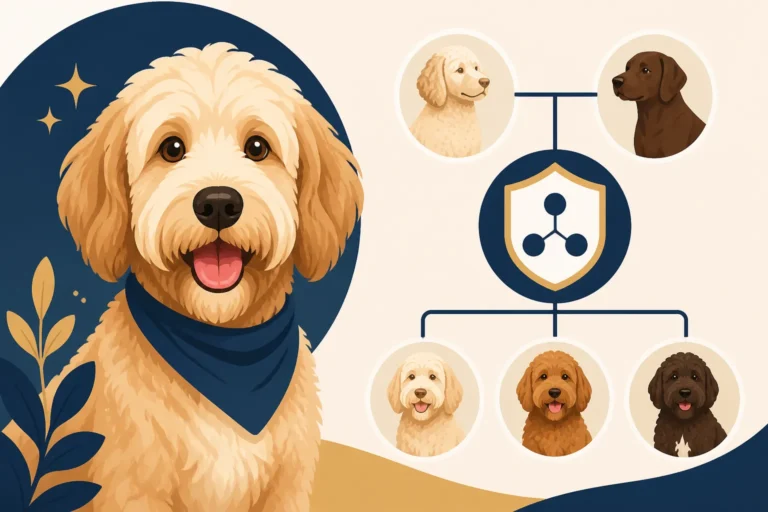
Sultan's individual success, while inspiring, doesn't guarantee that every F1 Labradoodle (first-generation cross) will exhibit the same perfect combination of traits. This is the essence of genetic variability in crossbreeds. While Whether Hybrid Vigor Is Real in a Labradoodle suggests potential health benefits, it doesn't mean that every puppy in a litter will inherit the desired low-shedding coat or the ideal temperament. Some might lean more heavily towards the Labrador side, shedding more, while others might inherit more Poodle traits, requiring intensive grooming. This unpredictability is a natural part of the first-generation cross. It's why subsequent generations (F1b, F2, Multigen) were developed, in an attempt to stabilize traits and increase predictability, particularly for coat type.
Prospective Labradoodle owners must go into the process with realistic expectations, understanding that even with health-tested parents, there's a degree of genetic lottery involved, especially in earlier generations. It's crucial to meet the puppy's parents if possible, observe their temperaments, and discuss potential variations with the breeder. Engaging with reputable breeders who understand genetic lines and are transparent about potential outcomes is key. While the dream of a perfectly hypoallergenic, perfectly tempered dog is alluring, the reality is that each Labradoodle is an individual, a unique blend of its parent breeds. Embrace the individuality, and be prepared for the wonderful surprises that come with a crossbreed. Even reputable online retailers like Chewy provide a vast array of products for different coat types and dietary needs, acknowledging the diversity even within a single "doodle" type, so you can be prepared for whatever wonderful traits your pup inherits.
Here's a quick look at Sultan's key moments:
| Event | Date (Approximate) | Significance | Impact on Labradoodle History |
|---|---|---|---|
| Conception/Birth | 1989 | First intentional Labrador/Poodle cross by Wally Conron for Pat Blum. | Creation of the first Labradoodle, aiming for a hypoallergenic guide dog. |
| Journey to Hawaii | Late 1989/Early 1990 | Relocation to live with Pat Blum, whose husband had allergies. | Crucial test of the hypoallergenic premise in a real-world setting. |
| Successful Service as Guide Dog | Early 1990s | Sultan effectively served as Pat Blum's guide dog without triggering allergic reactions. | Proved the viability of the Labradoodle concept for service work and allergy sufferers. |
| Public Recognition | Early 1990s | News of the "hypoallergenic guide dog" spread globally. | Sparked immense public interest, leading to the "doodle craze" and subsequent widespread breeding. |
| Later Life | Mid-1990s onwards | Continued life of companionship and eventual retirement from guide dog duties. | Demonstrated the longevity and dedication of a well-cared-for service dog; faded from public eye, but his legacy continued to grow. |
Disclaimer
This article is for general informational purposes only and does not constitute professional advice. Laws, prices and regulations vary by location and change over time. Consult a qualified professional for guidance on your specific situation.