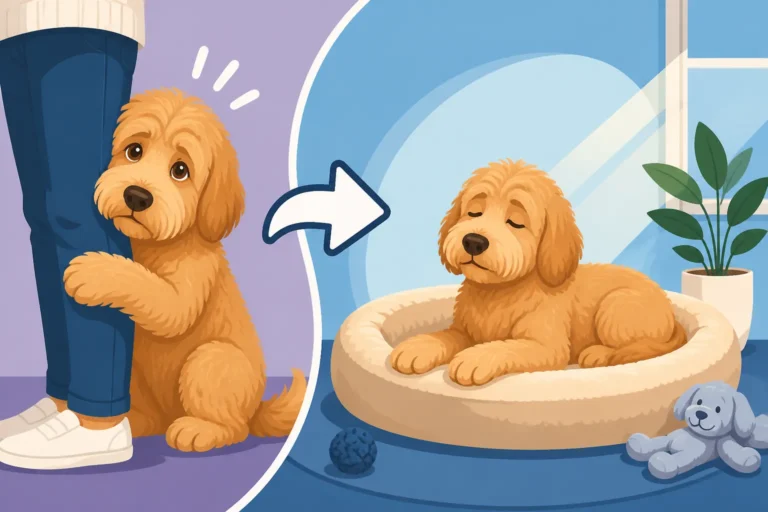
How Long Labradoodle Adolescence Lasts
That feeling when your sweet, cuddly Labradoodle puppy suddenly transforms into a defiant, ear-selective, counter-surfing menace overnight? It's not just you. Many Labradoodle owners find themselves scratching their heads, wondering if their beloved companion has forgotten every single thing they taught them. This guide is here to shed some light on the wild ride that is Labradoodle adolescence, helping you understand how long this challenging but ultimately temporary phase typically lasts and how you can navigate it with your sanity intact.
The Rollercoaster Ride: Understanding Labradoodle Adolescence
Just like human teenagers, adolescent Labradoodles go through a whirlwind of physical and mental changes that can make them seem like completely different dogs. It’s a period of intense development, pushing boundaries, and sometimes, a frustrating regression in behavior. Understanding this phase is the first step to getting through it with your bond stronger than ever.
When Does Adolescence Actually Begin for a Labradoodle?
For most Labradoodles, adolescence typically kicks in somewhere between six to twelve months of age. This isn't a hard and fast rule, of course; individual dogs, even from the same litter, can vary. Think of it as a gradual awakening rather than a sudden switch. Initially, you might notice subtle shifts: a little more independence, a slightly longer delay in responding to a command, or a renewed interest in chewing things they hadn't touched since puppyhood.
This period is marked by significant hormonal changes as they approach sexual maturity. Even if your Labradoodle is spayed or neutered, these internal clocks are still ticking, influencing their brain development and behavior. Their bodies are growing rapidly, their coordination might be a bit awkward, and their brains are actively rewiring, shifting from a primarily dependent puppy mindset to one that's more focused on the wider world and their place in it. Large breed dogs, like standard Labradoodles, often mature a little slower than their smaller counterparts, so their adolescence might start later and last a bit longer.
Why Does it Feel Like They Forgot Everything?
Oh, the selective hearing! This is perhaps the most common, and frankly, most infuriating, aspect of Labradoodle adolescence. You've spent months diligently teaching your pup to sit, stay, come, and walk nicely on a leash. They aced puppy class, they were the star student, and then, seemingly overnight, it all evaporated. Suddenly, a simple "come" at the dog park is met with a blank stare, or even worse, a bolted dash in the opposite direction.
This isn't them being spiteful or stupid; it's genuinely how their brains are developing. During adolescence, a dog's world opens up. Previously, their focus was largely on their immediate family and surroundings. Now, the smells, sights, and sounds of the outside world become incredibly compelling. Their internal reward system is changing, too. Where before your praise and a treat might have been the ultimate reward, now the smell of that squirrel across the field, or the chance to investigate a new bush, can be far more enticing. It truly feels like The Ten Month Old Labradoodle That Forgets Everything, and it's absolutely normal, albeit frustrating. What worked effortlessly just a few weeks ago now requires far more effort and consistency on your part.
How Long Can This Go On? Factors Influencing Duration
The burning question on every adolescent Labradoodle owner's mind: when will it end? The honest answer is, it varies. While we can give you a general timeline, several factors play a significant role in how long this teenage phase stretches out for your specific dog.
Size and Breed Influences on Maturation Rates
As a general rule in the canine world, smaller dogs tend to mature faster, both physically and mentally. A Miniature Labradoodle might sail through adolescence and be a calm, settled adult by 18 months, whereas a Standard Labradoodle, reaching 50-65 pounds, might still be in the thick of it at two years old, or even a little beyond. This difference in maturation rate is largely due to physiology. Larger breeds have more growing to do, and their brains and bodies take longer to reach their full adult state.
Considering the parent breeds, the Poodle and the Labrador Retriever, also gives us clues. Poodles, especially Standard Poodles, can be quite "goofy" and playful well into their second year, sometimes even longer. They retain a youthful exuberance that can extend the feeling of adolescence. Labradors are known for their strong retrieving drive and high energy levels, which can also contribute to a prolonged period of boisterous behavior. Since a Labradoodle is a blend of these two fantastic but energetic breeds, you're getting a mixed bag, and the timeline can be quite fluid. So, while Whether a Miniature Labradoodle Outlives a Standard touches on lifespan, it also hints at their differing developmental paces.
Individual Temperament and Environment's Role
Beyond size and breed, your Labradoodle's unique personality is a massive factor. Even within the same litter, you’ll find puppies with vastly different temperaments. Some are naturally more laid-back, while others are bold, curious, and perhaps a bit more inclined to test boundaries. A naturally more assertive or independent Labradoodle might have a longer, more challenging adolescent period simply because they are more driven to explore and make their own decisions.
The environment you provide also plays a crucial role. A consistent, structured home environment with clear rules and expectations can help a Labradoodle navigate this phase more smoothly. Dogs thrive on routine, and when adolescence hits, maintaining that routine and reinforcing good behavior becomes even more critical. Conversely, an environment lacking structure, or one where training is inconsistent, can inadvertently prolong the "teenage" antics. If your Labradoodle isn't getting enough mental stimulation or physical exercise, they might channel that pent-up energy into undesirable behaviors, making the adolescent phase feel more intense and never-ending.
Navigating the Rollercoaster: Common Labradoodle Adolescent Behaviors
During adolescence, it can sometimes feel like your beloved Labradoodle is deliberately trying to push every one of your buttons. It’s important to remember that these behaviors, while frustrating, are often normal parts of their development, driven by instinct, curiosity, and a surging amount of energy.
The Resurgence of "Undesirable" Puppy Habits
Remember those adorable, if slightly irritating, puppy behaviors like mouthing, chewing everything in sight, and the occasional house-training mishap? Well, get ready for a potential encore. Adolescent Labradoodles often revisit these habits with renewed vigor. Suddenly, your shoes are fair game again, your hands become chew toys during playtime, and those carefully learned potty cues seem to vanish when something more interesting (like a leaf blowing by) grabs their attention. The Mouthing a Labradoodle Puppy Does Longest can certainly feel never-ending during this time.
It's not that they've forgotten; it's that their impulse control is still developing. Their brains are flooded with new sensory information, and their desire to explore the world with their mouths or test their physical boundaries can override their training in a split second. This is particularly true if they're bored, under-exercised, or feeling a little anxious. Provide plenty of appropriate chew toys – durable ones you can find on Amazon – and redirect their chewing to these items. For house-training lapses, go back to basics with frequent trips outside and lavish praise for success.
Boundary Pushing and "Selective Hearing"
This is perhaps the most challenging aspect for many owners. Your Labradoodle, who once walked politely by your side, now pulls like a freight train on the leash, desperate to get to every smell and greeting. Their recall, which was once rock-solid, is suddenly negotiable, especially when the lure of another dog or a distant squirrel beckons. You might find yourself constantly calling their name only to be met with a casual glance over the shoulder before they bound off in the opposite direction.
This "selective hearing" is your Labradoodle's way of testing the waters, pushing against the boundaries you've set to see what they can get away with. It's a natural part of their journey toward independence. They're discovering that there's a world beyond your immediate guidance, and sometimes, that world is far more exciting. Instead of getting angry, which rarely helps, double down on consistency. Use a long line in safe, open areas to practice recall, making yourself more exciting than the environment. For leash pulling, consistent positive reinforcement, turning around when they pull, or using a front-clip harness can make a huge difference. You'll definitely be Teaching a Sixty Pound Labradoodle Not to Pull during this phase.
Managing the Endless Energy and Seeking Attention
Adolescent Labradoodles are often bundles of boundless energy. They've outgrown their puppy naps but haven't yet settled into adult calmness. This can manifest as zoomies around the house, constant nudging for attention, or even destructive behaviors if their energy isn't channeled appropriately. A Labradoodle left alone with insufficient physical and mental stimulation might chew furniture, dig up the yard, or bark excessively.
It’s crucial during this phase to provide ample opportunities for both physical exercise and mental enrichment. Long walks, trips to the dog park (if they're well-socialized), vigorous games of fetch, or even agility classes can help burn off some of that youthful exuberance. Remember, The Exercise a Labradoodle Needs Before It Behaves is a true statement for this breed. Beyond physical activity, puzzle toys, scent games, and short, engaging training sessions can help tire their minds. If they're seeking attention in undesirable ways, ignore the bad behavior and reward them immediately when they offer a calm, appropriate action.
Guiding Your Labradoodle Through Adolescence
Surviving Labradoodle adolescence isn't just about enduring; it's about actively guiding your dog through this critical developmental stage. Your patience, consistency, and understanding during this time will lay the groundwork for a well-adjusted adult dog.
Rededicating to Training and Consistency
When your adolescent Labradoodle suddenly seems to forget everything, the natural instinct might be to throw your hands up in frustration. But this is precisely the time to rededicate yourself to their training. Don't assume they "know" a command if they're not performing it consistently. Go back to basics. Keep training sessions short, fun, and highly rewarding. Use high-value treats and enthusiastic praise to make yourself the most interesting thing in their environment, even outdoors.
Consistency is paramount. Ensure everyone in the household is using the same commands and reinforcing the same rules. If one person lets the dog jump on them and another scolds them for it, your Labradoodle will quickly learn which boundaries are flexible. Consider enrolling in an advanced obedience class or working with a professional trainer. Online programs, such as those offered by BAXTER & Bella, can also provide structured guidance and support, giving you new tools and strategies for dealing with adolescent challenges. It’s an investment in your dog's future behavior and your peace of mind. Remember What a Labradoodle Should Know by Six Months and build upon that foundation, knowing that regression is normal.
Prioritizing Enrichment, Exercise, and Mental Stimulation
An under-exercised or under-stimulated adolescent Labradoodle is a recipe for destructive behavior and prolonged "teenage angst." These dogs are intelligent and energetic, inheriting both the working drive of the Labrador and the cleverness of the Poodle. They need outlets for their energy, both physical and mental.
Aim for at least 60-90 minutes of vigorous exercise daily, broken into multiple sessions. This could include fast-paced walks, running, fetching, swimming (Labradoodles often love water!), or hiking. Beyond physical activity, mental stimulation is equally important. Engage their minds with:
- Puzzle Toys: Fill these with kibble or treats to make them "work" for their food. Many excellent options are available on Amazon.
- Scent Games: Hide treats around the house or yard and encourage them to find them. This taps into their natural scenting abilities.
- New Tricks: Teach them new commands or tricks. Learning is a powerful mental workout.
- Structured Play: Games like fetch or tug (with rules!) can be great for both physical and mental engagement.
A tired Labradoodle is often a calmer, more manageable Labradoodle. If your dog still seems restless after exercise, try adding more mental games. Whether a Labradoodle Gets Bored of Repetition highlights their intelligence and need for novelty, so mix it up!
Maintaining Patience, Humor, and Long-Term Perspective
Perhaps the most crucial advice for navigating Labradoodle adolescence is to cultivate an abundance of patience and a good sense of humor. This phase can be incredibly trying, and it's easy to get discouraged when you feel like you're constantly battling your dog. But remember, this is a temporary developmental stage, not a permanent personality flaw. Your Labradoodle isn't trying to be difficult; they're simply navigating a confusing time of change.
Try to see the world from their perspective. Acknowledge their frustrations and temptations without giving in to bad behavior. Celebrate the small victories – the one time they actually came when called, the moment they chose an appropriate chew toy over your slipper. Lean on your support network, whether it's fellow dog owners, a trusted trainer, or even online communities. This phase will pass, and with consistent guidance and unwavering love, your Labradoodle will emerge as a well-adjusted, delightful adult companion. Focusing on Keeping a Labradoodle Sound Into Its Teens means investing the time and effort during these formative adolescent months.
Ultimately, Labradoodle adolescence typically lasts until they are around 18 months to two years old, with larger individuals sometimes taking a bit longer to fully settle. It's a significant commitment, but the reward of a loving, well-behaved adult dog is absolutely worth the effort.
Here’s a quick overview of what you might expect during this period:
| Behavior Trait | Puppy (2-6 months) | Adolescent (6 months – 2 years) |
|---|---|---|
| Chewing | Exploration, teething, comfort, learning | More destructive, stress relief, attention-seeking, boredom |
| Listening/Recall | Eager, easily distracted, learning basics | Selective, testing boundaries, high distraction threshold, "selective deafness" |
| Energy Levels | Bursts of zoomies, frequent, long naps | Sustained high energy, restless, can seem inexhaustible, less napping |
| Independence | Highly dependent, seeks proximity and comfort | More independent, bold exploration, may wander further, less clingy |
| Social Behavior | Puppy play, sometimes shy or over-exuberant | Overly boisterous with other dogs, may challenge, can develop fear-reactivity |
| Mouthiness | Nipping, play biting, learning bite inhibition | Grabbing, mouthing hands/clothes, often attention-seeking, can be stronger |
| Focus Span | Short bursts, easily redirected | Can hyper-focus on interesting stimuli, harder to redirect |
Disclaimer
This article is for general informational purposes only and does not constitute professional advice. Laws, prices and regulations vary by location and change over time. Consult a qualified professional for guidance on your specific situation.