Whether Guide Dogs Victoria Still Breeds Labradoodles
Many aspiring Labradoodle owners are drawn to the breed's reputation for intelligence, trainability, and that wonderful "allergy-friendly" coat, often hearing tales of their origins in guide dog programs. But if you've been wondering whether a prestigious organization like Guide Dogs Victoria still utilizes these charming crossbreeds for their vital work, you're tapping into a very common misconception. This guide will delve into the history, the realities, and the current landscape of Labradoodles in the world of assistance dogs, explaining why the answer today is generally a resounding 'no.'
The Origins of the Labradoodle and Guide Dog Work
The story of the Labradoodle is intimately tied to the noble goal of creating a hypoallergenic guide dog. It’s a fascinating journey that began with great promise but quickly encountered significant hurdles that ultimately led programs away from the crossbreed.
Wally Conron's Vision and the First Litter
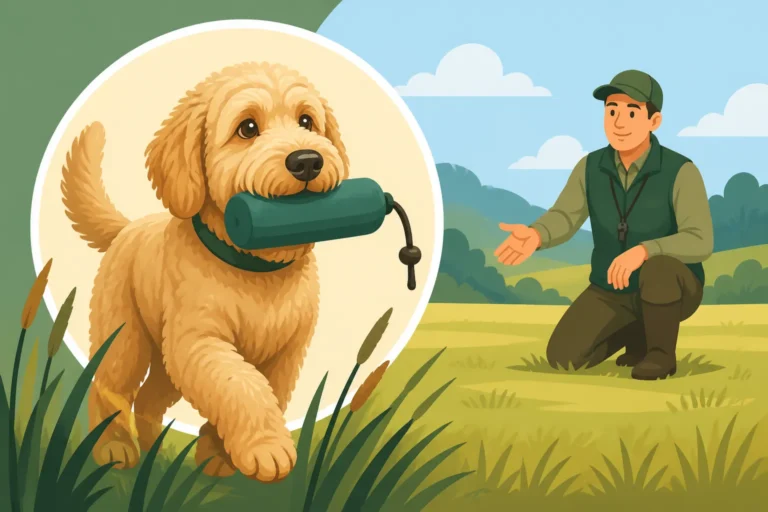
Back in 1989, Wally Conron, the breeding manager for Guide Dogs Victoria in Australia, faced a unique challenge. A blind woman in Hawaii needed a guide dog, but her husband was severely allergic to dogs. Conron, seeking a solution, envisioned a dog with the gentle, biddable nature of a Labrador Retriever and the non-shedding, hypoallergenic coat of a Standard Poodle. He made the cross, leading to The 1989 Cross That Made the First Labradoodle. The resulting litter produced several puppies, and one in particular, Sultan, became the face of this pioneering effort. Sultan, the Labradoodle That Proved the Idea was trained as a guide dog and successfully served the Hawaiian woman. This initial success, driven by the pressing need for Why a Guide Dog Had To Be Allergy Friendly, sparked excitement and global interest in the new "Labradoodle." The idea was simple: combine the best traits of two beloved breeds to create the perfect assistance dog for those with allergies.
However, even with this early triumph, the journey was far from straightforward. The very first Labradoodles were simply F1 crosses – a purebred Labrador bred to a purebred Poodle. While Sultan might have been a success, the predictability across the entire litter, and subsequent litters, was far from guaranteed. Conron's initial vision was about a specific need, but the path to consistently reproducing those desired traits proved elusive.
The Initial Success and Challenges
The initial excitement surrounding the Labradoodle was palpable. Here was a dog that seemed to offer a solution to a long-standing problem in the guide dog world. The idea that someone with allergies could finally have the companionship and assistance of a guide dog was revolutionary. However, the reality of breeding hybrid dogs quickly became apparent. While some puppies inherited the best traits, others did not. You see, when you cross two different purebreds, you're essentially playing a genetic lottery. You can get anything from a dog that looks and acts mostly like a Labrador, to one that strongly favors the Poodle side, or anything in between. This means some puppies might shed, some might have temperaments less suited for the intense focus required of a guide dog, and others might even inherit undesirable health traits from both parent lines without the predictability of a purebred program.
This inconsistency was a massive challenge for guide dog organizations. Their programs rely on very specific, predictable outcomes in terms of temperament, health, and trainability. They invest significant time, money, and resources into each puppy, and a high washout rate due to unpredictable traits is simply not sustainable. While the first Labradoodles offered a glimpse of what could be, the consistency needed for a successful large-scale guide dog program just wasn't there in those early generations. The dream of a perfectly allergy-friendly, uniformly calm, and intelligent guide dog in every litter proved harder to achieve than initially hoped.
Why Guide Dog Programs Re-Evaluated the Labradoodle
The promising start of the Labradoodle in guide dog work eventually gave way to a more pragmatic evaluation. The inherent unpredictability of a first-generation crossbreed, no matter how well-intentioned, became a significant obstacle for organizations that prioritize consistency and reliability above all else.
The Unpredictability of Early Crosses
One of the biggest frustrations for those early guide dog programs working with Labradoodles was the sheer unpredictability of the F1 crosses. When you breed a Labrador and a Poodle, you don't get a perfect 50/50 blend every time. It's not like mixing two colors of paint to get a consistent new shade. Instead, puppies in the same litter can have wildly different coats – some might be more like the Labrador's shedding coat, while others might inherit the Poodle's non-shedding curls. This meant that producing a reliably "hypoallergenic" dog was a hit-or-miss affair. An organization couldn't guarantee an allergy-friendly dog for a client if half the litter still caused reactions.
Beyond just the coat, temperament and physical attributes also varied widely. Some Labradoodles displayed the calm, focused nature ideal for guide work, while others inherited the higher energy and intelligence that, without proper channeling, could lead to a dog that was easily distracted or more challenging to train. This variability meant that a much higher percentage of Labradoodle puppies washed out of the rigorous training programs compared to purebred Labradors or Poodles bred specifically for guide work. The resources spent on evaluating and training these dogs, only for them to not meet the strict requirements, became a significant drain. This is why Wally Conron himself later expressed regret, stating Why Conron Called the Labradoodle a Mistake because of how the breed's development strayed from his original, highly specific, and controlled vision.
Health and Temperament Consistency
For any assistance dog program, consistency in both health and temperament is paramount. These dogs are working animals, often responsible for the safety and independence of their human partners. They need to be robust, resilient, and utterly dependable. With early Labradoodle crosses, it was difficult to predict which genetic traits would be passed on. While the idea of "hybrid vigor" is often discussed, it doesn't automatically mean a crossbreed is healthier or more consistent than its purebred parents, especially when the breeding isn't carefully managed over many generations.
Guide dog organizations require dogs that are calm, confident, non-reactive, and possess an unwavering focus on their handler, even in distracting public environments. They need to be healthy enough to work for many years without significant medical issues. Achieving this level of predictability through multiple generations of selective breeding is a monumental task, one that traditional guide dog programs already had perfected with breeds like the Labrador Retriever and German Shepherd. Introducing a new, less predictable crossbreed meant starting almost from scratch, dealing with a wider range of genetic predispositions for health issues and a broader spectrum of temperaments. What it boils down to is that these programs couldn't afford to take a chance; predictability is key to their mission, and the early Labradoodle simply couldn't offer that with the necessary consistency for the demanding role of a guide dog. They needed dogs that were less likely to present behavioral challenges in public or require early retirement due to unforeseen health problems. This is a critical factor in understanding What Washes a Labradoodle Out of a Program.
The Current Stance of Guide Dogs Victoria (and other programs)
Given the challenges of unpredictability and the need for consistent, reliable working dogs, guide dog organizations around the world, including Guide Dogs Victoria, ultimately made decisions that diverged from the early Labradoodle experiment.
Focusing on Established Breeds
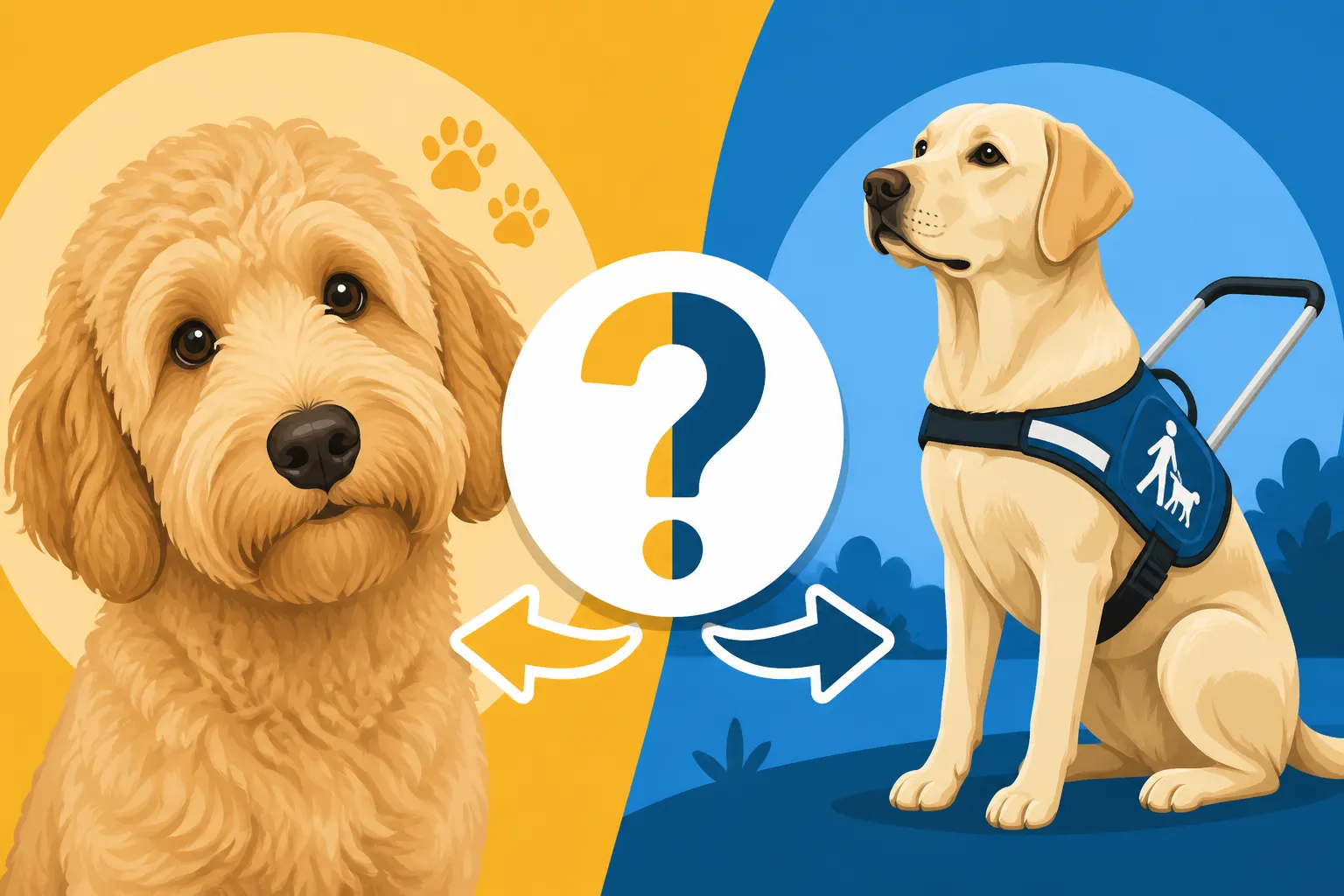
Today, if you look at the breeding programs of most major guide dog organizations, including Guide Dogs Victoria, you'll find a strong emphasis on established purebred lines, primarily Labrador Retrievers, Golden Retrievers, and Standard Poodles. Some also utilize German Shepherds or crosses between Labradors and Golden Retrievers. The reason for this focus is simple: decades, and in some cases, centuries, of selective breeding within these purebred lines have allowed breeders to achieve a remarkable level of predictability in terms of health, temperament, and physical attributes. These organizations have meticulously developed their own breeding stock, carefully selecting parents for generations based on proven working ability, sound health (backed by comprehensive health clearances like The Health Tests a Labradoodle Breeder Should Show), and the ideal temperament for a guide dog.
This dedication to established lines means they know what they're going to get, with a very high success rate, when a litter is born. They can predict with a high degree of certainty that the puppies will have the necessary drive, intelligence, focus, and resilience to undergo the intense training required for public access work. While the original Labradoodle experiment was a valiant effort to solve a specific problem (allergies), the consistency of purebred programs proved to be a more effective and sustainable long-term solution for providing high-quality assistance dogs to those in need.
The "Australian Labradoodle" Distinction
It's crucial to understand that when we talk about guide dog organizations moving away from the Labradoodle, we are typically referring to the original F1 Labradoodle cross. However, there's another distinct entity known as the "Australian Labradoodle." This is not just a first-generation cross; it's a multi-generational breed that has been carefully developed over many years, often with infusions of other breeds like the Cocker Spaniel or Irish Water Spaniel, to create a more consistent type. Breeders of Australian Labradoodles have worked diligently to stabilize desired traits, including the non-shedding coat and a specific temperament. They aim to produce dogs that "breed true," meaning puppies will consistently exhibit the characteristics of the Australian Labradoodle.
While the Australian Labradoodle is a more consistent animal than the early F1 Labradoodle, it's still not typically used by major, established guide dog organizations like Guide Dogs Victoria. These organizations have deeply ingrained, highly successful breeding programs for purebreds. Shifting to even a stabilized crossbreed like the Australian Labradoodle would mean adopting entirely new genetic lines, new health testing protocols, and essentially rebuilding their program from the ground up, which is an enormous undertaking. The resources and expertise already invested in their current purebred lines make it highly improbable they would switch. While an Australian Labradoodle might possess many of the qualities of a good service dog, the existing infrastructure and proven success of purebred breeding programs mean traditional guide dog schools have little incentive to adopt them. This is an important nuance, as many people assume all Labradoodles are the same, or that the Australian Labradoodle continues the guide dog legacy.
What This Means for Aspiring Labradoodle Owners
So, if guide dog organizations aren't using Labradoodles, what does that mean for you, the individual looking to welcome one into your home? It means you need to be realistic, informed, and prepared for the commitment that comes with these wonderful, often energetic, dogs.
Finding a Reputable Breeder
Since Labradoodles are not typically bred by guide dog organizations, finding a truly reputable breeder is absolutely paramount. Because they are not recognized by major kennel clubs, there isn't a standardized "breed standard" or a universal registry enforcing health testing and ethical breeding practices in the same way as for purebreds. This makes it easier for unscrupulous breeders to produce puppies without proper care or screening.
A reputable Labradoodle breeder will be transparent about their breeding practices, openly discuss the health testing performed on both parent dogs, and be able to explain the specific generation of their puppies (e.g., F1, F1b, Australian Labradoodle). They should gladly show you documentation of health clearances for hips, elbows, eyes, and genetic conditions common to Labradors and Poodles, such as PRA and Von Willebrand's disease. They should also be focused on temperament, raising puppies in a stimulating environment, and offering a clear health guarantee. Be wary of any breeder who prioritizes "rare" colors or offers an unusually low price, as these are often red flags. A good breeder will also ask you plenty of questions to ensure their puppy is going to The Household a Labradoodle Actually Suits.
Training Expectations
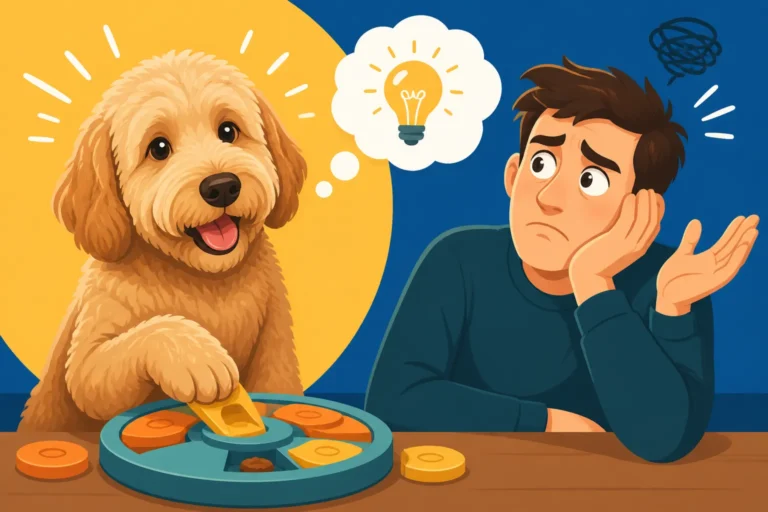
It's a misconception that all Labradoodles are born with an innate ability to be assistance dogs simply because of their heritage. While they are intelligent and often eager to please, a Labradoodle requires consistent and dedicated training, just like any other dog. Their intelligence, inherited from both the Labrador and Poodle, means they can learn quickly, but it also means they can get bored easily or learn undesirable behaviors just as fast if left undirected.
Early socialization is crucial, exposing your Labradoodle puppy to a variety of sights, sounds, people, and other dogs in a positive way. Puppy classes are an excellent investment, and continued obedience training throughout their lives will help you manage their energy and harness their smarts. A Labradoodle can be quite bouncy and exuberant, especially in their adolescent phase, which some owners describe as like having a "land shark" with boundless energy. Many owners find structured online programs, like those offered by BAXTER & Bella, incredibly helpful for guiding them through puppyhood and beyond, especially if local classes are hard to find. They need mental stimulation as much as physical exercise to prevent boredom-driven behaviors like chewing or excessive barking. Don't underestimate The Time a Labradoodle Takes Out of a Week – they thrive on engagement and interaction. For specific commands or issues, you might look to platforms like Amazon for highly-rated training tools or books to help reinforce good habits. They can absolutely be wonderful, well-behaved companions, but it takes effort, consistency, and a clear understanding that you are shaping a dog, not simply acquiring a pre-programmed service animal.
Commitment to Grooming and Exercise
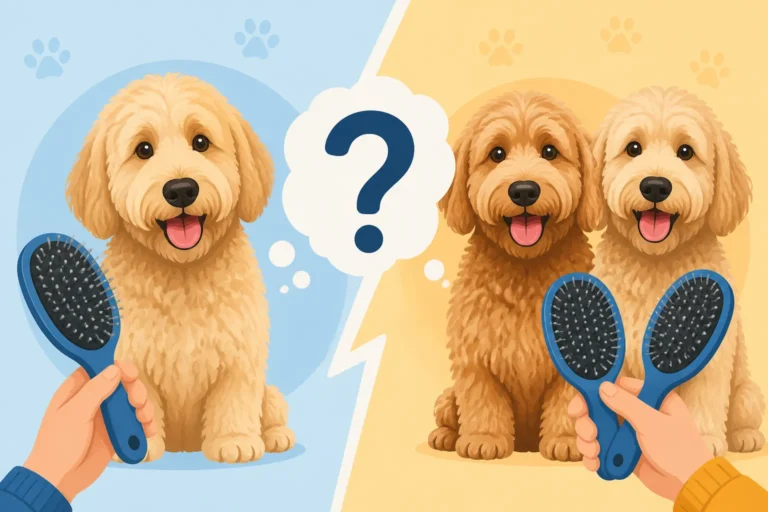
Labradoodles are renowned for their low-shedding coats, but this often comes with a significant trade-off: high grooming needs. Their The Three Labradoodle Coats: Hair, Fleece and Wool require regular brushing to prevent matting, often several times a week, and professional grooming every 6-8 weeks. Neglecting grooming can lead to painful mats, skin issues, and costly trips to the groomer for a complete shave-down. Be prepared for this commitment, both in terms of time and expense.
Beyond grooming, Labradoodles are active dogs that need a good amount of exercise. They inherit a love for activity and often water from their Labrador side, and the stamina and intelligence from their Poodle side. Daily walks, playtime in a secure yard, trips to the dog park, or engaging in dog sports like agility or scent work can help satisfy their physical and mental needs. An under-exercised Labradoodle can become bored and destructive, so integrating physical activity into your daily routine is essential for their well-being and your sanity. They thrive on having a "job" to do, whether it's retrieving toys, going on long hikes, or engaging in puzzle toys bought from stores or online retailers like Amazon.
The Role of Today's Labradoodle
While traditional guide dog programs largely moved away from breeding Labradoodles for their specific, highly specialized needs, the breed has certainly carved out a significant niche as cherished family companions and therapy dogs.
Therapy and Emotional Support Roles
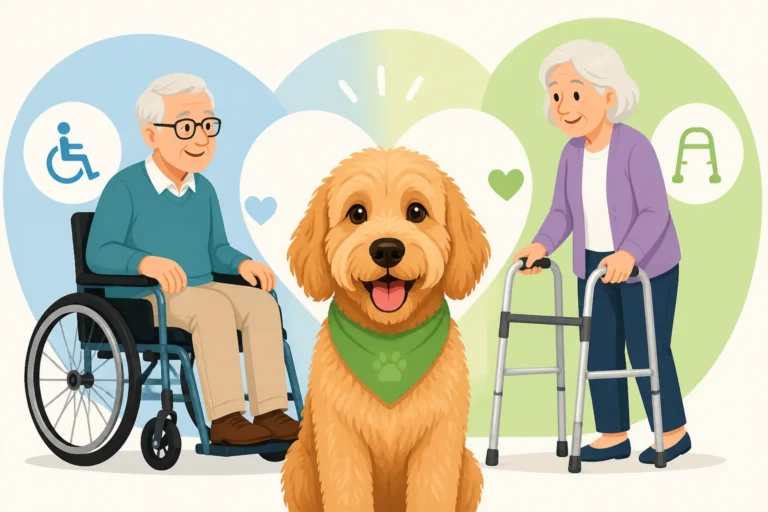
Even though they may not be guiding the visually impaired for a major organization, many Labradoodles excel as therapy dogs or emotional support animals. Their generally friendly, intelligent, and often intuitive nature makes them wonderful candidates for visiting hospitals, nursing homes, or schools. A well-socialized and properly trained Labradoodle can bring immense comfort and joy to people in need of a gentle, furry interaction. The empathy and connection they offer are invaluable in these roles, proving that while they may not wear a guide dog harness, their capacity to serve and enrich human lives is undeniable.
However, it’s important to distinguish between a therapy dog, an emotional support animal (ESA), and a service dog. Therapy dogs visit facilities, ESAs provide comfort to their owner in specific settings, and service dogs are highly trained to perform specific tasks to mitigate a disability. Therapy dog work still requires specific training and temperament testing, and typically registration with an organization, to ensure the dog is calm, tolerant of strangers, and comfortable in novel environments. The training for What Public Access Training Asks of a Labradoodle for service work is much more intensive than what's needed for a therapy dog.
The Modern Labradoodle as a Family Companion
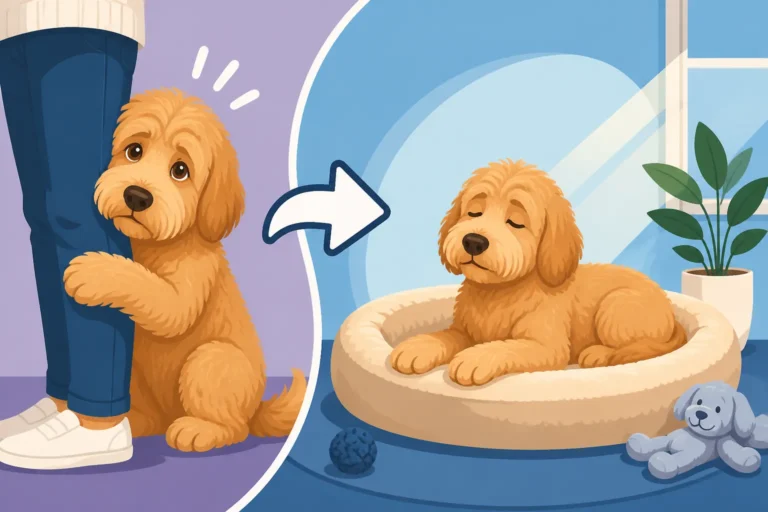
Ultimately, the Labradoodle has blossomed into one of the most popular family companions globally. People adore their charming personalities, playful spirits, and often soft, curly coats. They tend to be excellent with children when properly socialized and trained, and their desire to be involved in family activities makes them a truly integral part of the home. The "Velcro dog" trait, where they love to be close to their people, is something many owners cherish.
For families seeking an active, intelligent, and affectionate dog, a Labradoodle can be an ideal fit. However, it is crucial for prospective owners to understand that the traits they admire – intelligence, energy, and sociability – require significant commitment. They need mental engagement, physical activity, and consistent grooming to thrive. They are not merely "easy" dogs, despite what some marketing might suggest. Anyone considering a Labradoodle should research thoroughly, connect with reputable breeders, and commit to lifelong training and care. While Guide Dogs Victoria may no longer breed them, the legacy of the Labradoodle lives on in countless homes, bringing happiness and companionship to families worldwide.
| Aspect | Early F1 Labradoodle (Guide Dog Victoria's Experience) | Established Purebreds (Labrador, Poodle) for Guide Work | Australian Labradoodle (Developed Breed) |
|---|---|---|---|
| Coat Predictability | Highly variable (shedding to non-shedding) | Very high (known shedding/non-shedding traits) | High (aims for consistent non-shedding) |
| Temperament Predictability | Variable (wide range of energy and focus) | Very high (bred for specific working traits) | High (bred for specific companion/service traits) |
| Health Predictability | Variable (can inherit issues from both lines) | Very high (decades of health-tested lines) | High (responsible breeders health test extensively) |
| Training Success Rate | Lower for guide work (due to variability) | Very high for guide work | High (with dedicated training) |
| Guide Dog Program Use | Discontinued | Actively used | Generally not used by traditional programs |
| Purpose | Original: hypoallergenic guide dog | Current: specialized guide/assistance dog | Companion, therapy, some private service work |
Disclaimer
This article is for general informational purposes only and does not constitute professional advice. Laws, prices and regulations vary by location and change over time. Consult a qualified professional for guidance on your specific situation.