Whether a Labradoodle Can Be Field Trained
Many Labradoodle owners dream of tapping into their dog's boundless energy and intelligence, wondering if the field-training world, often reserved for traditional gun dog breeds, is truly open to their beloved companion. It's a valid question, especially when you see the intense focus of a purebred Labrador or Poodle in action. This guide will explore whether your Labradoodle has the genetic makeup and drive to excel in field work, what challenges you might encounter, and how you can get started if this exciting path calls to you both.
Understanding the Labradoodle's Instincts for Field Work
It's easy to look at a Labradoodle and see only the fluffy, friendly family dog. However, beneath that charming exterior lies a rich genetic tapestry woven from two breeds with significant working dog histories: the Labrador Retriever and the Standard Poodle. Understanding these foundational instincts is key to gauging a Labradoodle's potential in the field.
The Labrador Retriever Influence
The Labrador Retriever is, first and foremost, a gun dog. They were bred for retrieving game in all conditions, from icy water to dense cover. This heritage imbues them with several traits highly desirable for field work. Most notably, they possess an inherent love for retrieving. Throw a ball, and a Labrador will bring it back with gusto, often with a "soft mouth" that protects the item. They are also known for their biddability – a strong desire to please their handler and work cooperatively. This makes them highly trainable, eager to learn commands and execute them reliably.
Furthermore, Labradors typically have a deep love for water. Splashing, swimming, and retrieving from ponds or lakes is second nature to them. This natural inclination is a huge advantage in field trials or hunting scenarios that involve water retrieves. Their robust build, keen nose, and endurance also make them well-suited to spending hours working alongside a hunter, covering diverse terrain. When you see a Labradoodle plunge into a lake without hesitation, you're likely witnessing that strong Labrador influence shining through. Many owners find their Labradoodles have a natural desire to carry items around, which is a fantastic starting point for formal retrieving training. The Retrieving Drive a Labradoodle Gets From the Labrador often surprises new owners.
The Poodle's Often Underestimated Abilities
The Poodle's origins as a water retriever are often overshadowed by their elegant show ring presence and sophisticated haircuts. But don't let the fluff fool you; Standard Poodles are highly intelligent, athletic, and surprisingly tenacious dogs. The name "Poodle" itself comes from the German word "Pudel," meaning "to splash in the water." Historically, they were used to retrieve waterfowl, and their distinctive clips, often with shaved hindquarters and joint puffs, were designed to aid swimming and protect vital organs in cold water.
Poodles bring an incredible level of intelligence and problem-solving ability to the Labradoodle mix. This makes them quick learners, capable of understanding complex commands and sequences required in advanced field training. They are also incredibly agile and possess significant stamina, allowing them to keep pace during long training sessions or actual field excursions. While a Poodle might not have the same "gung-ho" retrieving drive as a Labrador, their sharp minds and athletic bodies can certainly be channeled into various working disciplines, including scent work and retrieving. This intelligence means they often pick up new tasks with impressive speed, making them exciting prospects for dedicated trainers. Which Labradoodle Traits Come From the Poodle often include that sharp mental acuity.
Hybrid Vigor and Trainability
The concept of "hybrid vigor" is often discussed in the context of mixed breeds, suggesting that the offspring might be healthier or more robust than either parent. While the health aspect is debated (and thoroughly explored in topics like Whether Hybrid Vigor Is Real in a Labradoodle), the blend of two intelligent, biddable, and athletic breeds like the Labrador and Poodle can result in a dog with excellent trainability and a strong working drive.
However, it's also important to remember that hybrid vigor doesn't guarantee specific traits. A Labradoodle puppy is a genetic lottery, albeit one with good odds for desirable characteristics. You might get a dog with the Labrador's unwavering retrieve and the Poodle's sharp intellect, making for a formidable field companion. Conversely, you might get a dog whose blend of traits leans more towards a gentle, family-oriented pet, or one that struggles with focus in high-distraction environments. The key is to assess your individual Labradoodle's personality, drives, and physical capabilities rather than relying solely on generalized breed characteristics. Their temperament and inherent drives will dictate much of their aptitude for field work, and early training can help you understand what your specific dog offers. Whether an F1 Labradoodle Is Healthier Than a Multigen also touches on the variability of traits across generations.
Realities and Challenges of Field Training a Labradoodle
While a Labradoodle certainly has the potential to be field trained, it's crucial for prospective owners to approach this endeavor with realistic expectations. There are unique challenges that come with this designer breed, primarily related to their coat and the inherent variability of their genetic makeup.
Coat Maintenance in the Field
One of the most significant practical challenges of field training a Labradoodle is their coat. Unlike the short, dense, water-repellent coat of a Labrador, or even the corded coat of some working Poodles, a Labradoodle's coat can be highly variable. You might encounter a hair, fleece, or wool coat, each presenting its own set of grooming demands. The Three Labradoodle Coats: Hair, Fleece and Wool explains these differences in detail. While a fleece or wool coat might be prized for its low-shedding qualities, these coats are absolute magnets for burrs, twigs, mud, and other field debris.
Imagine a full day of training in tall grass or thick brush; your Labradoodle's beautiful coat will likely become a tangled mess. This isn't just an aesthetic concern; mats can quickly form, pulling on the skin and causing discomfort or even skin issues. Water work, while often enjoyed by Labradoodles, also poses a challenge. Their coats can absorb a lot of water, making them heavy, difficult to dry quickly, and susceptible to matting if not thoroughly brushed out and dried after each session. Proper grooming, including meticulous Brushing a Labradoodle to the Skin, Not the Surface and regular trimming, becomes not just about looks, but about functionality and health for a field-trained Labradoodle. Owners must be prepared for extensive post-field cleanup and a rigorous grooming routine.
Temperament and Drive Variability
As mentioned, the Labradoodle is a mixed breed, which means their temperament and drives can be less predictable than a purebred dog bred for generations with a specific purpose. You might have a Labradoodle with an incredibly strong retrieving drive, a keen nose, and an unwavering focus – a true natural for field work. Or, you might have one who prefers cuddles on the couch, whose attention wanders easily, or who lacks the intense desire to retrieve that is so crucial for many field disciplines.
This variability means that while one Labradoodle might take to bumpers and water like a fish, another might find the constant stimulation of a field environment overwhelming or simply uninteresting. Some Labradoodles inherit a more sensitive nature from their Poodle side, which might make them less robust in the face of harsh weather or demanding training scenarios that a stoic Labrador might shrug off. It’s essential to evaluate your individual dog's personality, energy levels, and inherent drives honestly before committing to extensive field training. A dog that doesn't genuinely enjoy the work will not excel, and forcing them into it can be detrimental to your relationship.
The "Doodle Distraction" Factor
While Labradoodles are intelligent and generally eager to please, some can be prone to what I affectionately call the "doodle distraction" factor. This isn't unique to Labradoodles, of course, but their lively and often jovial nature can sometimes translate into a lack of the laser-like focus seen in highly specialized working breeds. In a field environment, there are endless sights, sounds, and smells to capture a dog's attention – birds flushing, deer scent, rustling leaves, the distant sound of other animals.
A Labradoodle, especially if not consistently trained for intense focus and proofing commands in distracting environments, might find it challenging to stay "on task." This can manifest as breaking a "stay" to chase a butterfly, getting sidetracked by an interesting scent, or simply choosing to explore rather than retrieve. Overcoming this requires immense patience, consistent training, and often, the guidance of an experienced field trainer who can help you build your dog's focus and discipline in progressively more distracting settings. It's not that they can't focus, but that it might require more dedicated effort than with a breed specifically designed for generations to ignore distractions and fixate on the task at hand.
Getting Started with Field Training Your Labradoodle
If you've assessed your Labradoodle and believe they have the drive and temperament for field work, congratulations! It's a rewarding journey. However, like any specialized dog sport or activity, it requires a structured approach. You can't just throw a bumper and expect them to become a champion retriever overnight.
Foundation Skills and Obedience
Before you even think about complex retrieves or quartering a field, your Labradoodle needs a rock-solid foundation in basic obedience. This isn't just about good manners; it's about establishing clear communication, control, and trust between you and your dog. Key commands like "sit," "stay," "come" (a truly bomb-proof recall is non-negotiable), "heel," and "leave it" are the building blocks of any successful field dog. Imagine asking your dog to stay put while you walk a hundred yards away to throw a bumper, or commanding them to "leave it" when they discover a fascinating scent. Without impeccable basic obedience, these more advanced tasks are impossible.
Start training these commands in low-distraction environments and gradually increase the complexity, duration, and distance. Practice recalls in a safe, enclosed area before venturing off-leash in open fields. Positive reinforcement methods, using high-value treats and praise, work incredibly well with intelligent and food-motivated Labradoodles. Online resources, such as programs offered by BAXTER & Bella, can provide structured lessons for building these fundamental skills, offering a great starting point for new trainers. The Ten Month Old Labradoodle That Forgets Everything highlights the importance of consistent reinforcement throughout adolescence to keep these foundation skills sharp.
Introducing Field Concepts Gradually
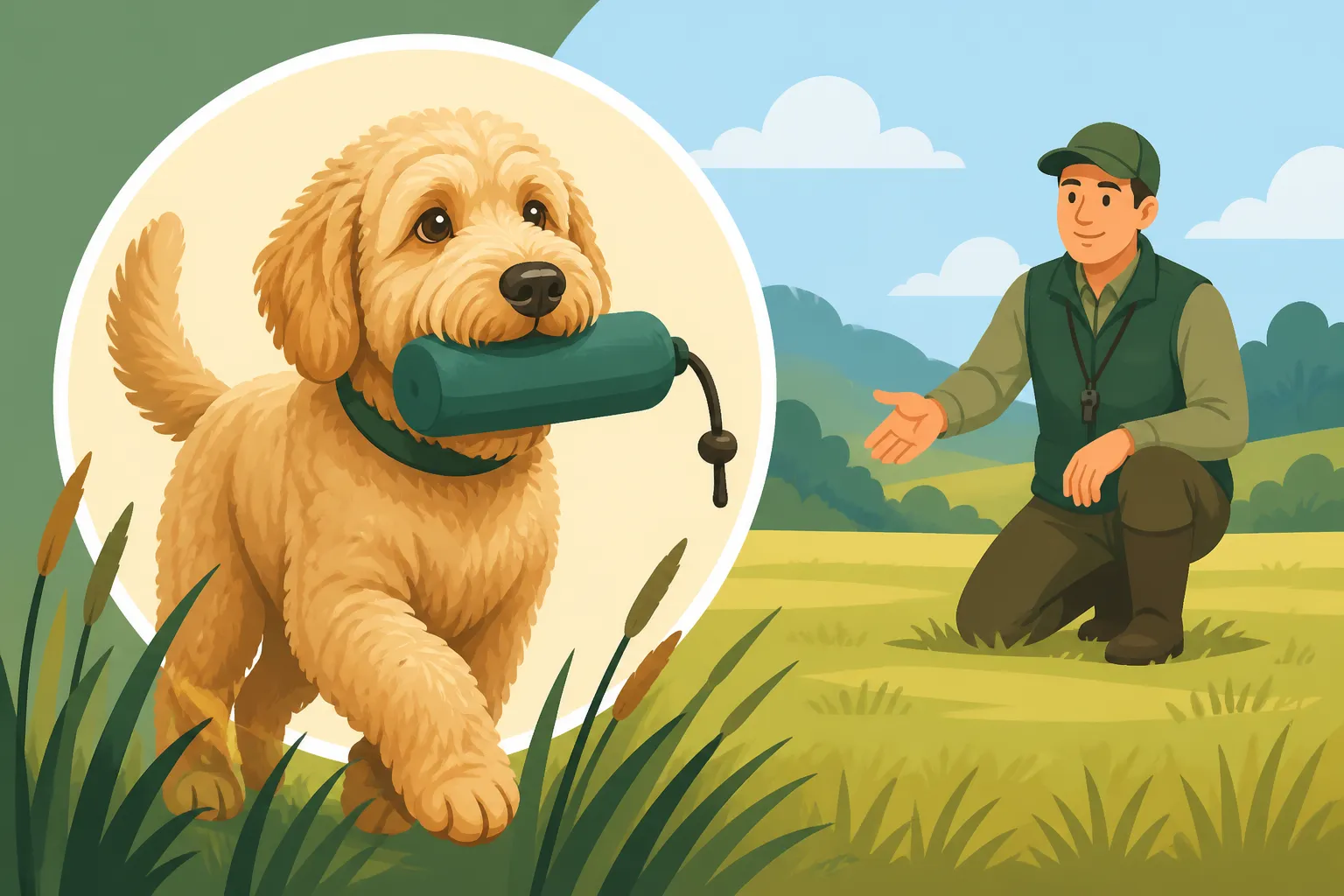
Once your Labradoodle has a solid grasp of basic obedience, you can begin introducing them to specific field concepts. The key here is gradual progression and keeping it fun. Start with simple retrieves in a quiet yard. Use an appropriate retrieving dummy, like a canvas bumper or a soft toy, rather than just a tennis ball, to get them used to the feel of a game bird. Encourage them with enthusiasm and reward successful retrieves. Gradually increase the distance and introduce light cover (like tall grass in your yard) to simulate field conditions.
Water introduction should also be positive and low-pressure. Many Labradoodles love water naturally, thanks to their lineage. Start in a shallow, calm body of water, like a kiddie pool or a quiet pond edge, and toss a floating toy a short distance. Never force a dog into the water. Build their confidence slowly, making it a positive experience every time. You might also introduce them to various terrains, allowing them to gain confidence moving through different environments. Scent work games can also be a fantastic way to engage their natural nose, even if you don't plan on formal scent training. Remember, every session should end on a high note, leaving your dog eager for the next. Introducing a Labradoodle to Water provides excellent tips for making this a positive experience.
Seeking Professional Guidance
While you can certainly start foundation training on your own, working with a professional field trainer is invaluable, especially as you move into more advanced concepts. A good trainer can assess your Labradoodle's natural abilities, identify areas for improvement, and provide personalized guidance. Look for a trainer who has experience with a variety of breeds, including those not traditionally found in the field, and who employs positive, force-free methods.
A professional can help you troubleshoot issues like breaking on the retrieve, refusing to enter water, or struggling with focus in distracting environments. They can also introduce you to specific drills and techniques used in field trials or hunting, teaching you how to properly handle your dog with hand signals and whistle commands. Field training groups or clubs in your area can also be a fantastic resource, offering not only training opportunities but also a supportive community of like-minded individuals. Never underestimate the benefit of an experienced eye to spot subtle cues and guide your progress effectively.
Recommended Gear and Resources for Aspiring Field Labradoodles
Just like any specialized activity, field training comes with its own set of essential gear and resources. Having the right tools can make a significant difference in your success and your Labradoodle's comfort and safety.
Essential Training Equipment
When embarking on field training, investing in a few key pieces of equipment will set you up for success.
- Retrieving Dummies/Bumpers: Start with soft, canvas bumpers, which mimic the feel of a bird more than a hard plastic retrieve toy. As your dog progresses, you might introduce plastic or foam bumpers in various colors for different visibility challenges. These are readily available on platforms like Amazon.
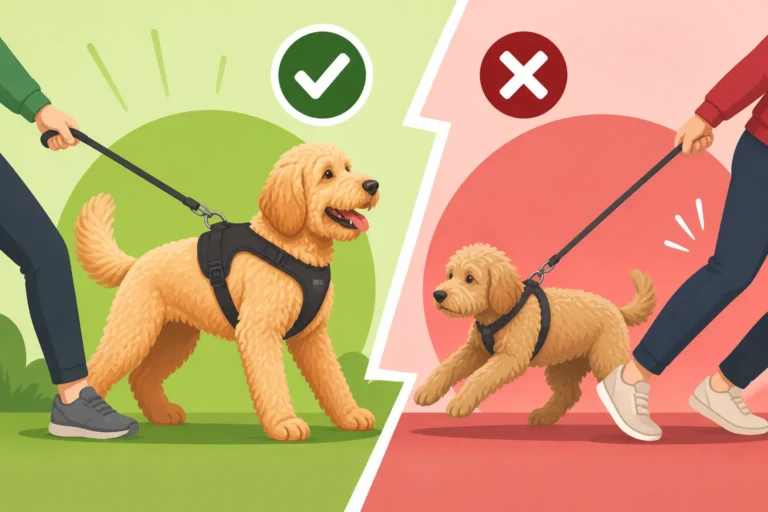
- Long Line: A 20-30 foot long line is indispensable for teaching and proofing recall, especially in open areas where your dog might be tempted to wander. It allows you to give them freedom to explore while still maintaining a safe connection.
- Whistle: A dog whistle, particularly a "gun dog" style whistle, is excellent for recall and directional commands in the field. Its sound carries further and is less prone to voice fluctuations.
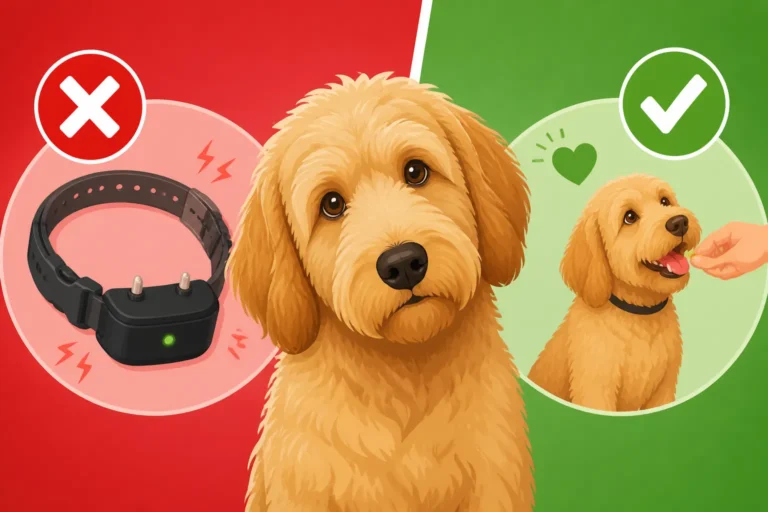
- E-Collar (Optional and with caution): For advanced training and specific behaviors, some trainers use electronic collars. This is a controversial tool and should only be used under the direct guidance of an experienced, certified professional who uses positive reinforcement-based methods, and never for punishment. Misuse can cause fear and damage your dog's trust.
- Dog Vest: A blaze orange or reflective vest can be crucial for safety, especially if you're training in areas with hunters or near roads.
Grooming Tools for Post-Field Care
Given the Labradoodle's coat, proper grooming tools are not just for aesthetics but are vital for comfort and preventing serious matting.
- Slicker Brush and Metal Comb: These are your primary tools for removing burrs, twigs, and tangles. A good quality slicker brush will get through the coat to the skin, while a metal comb helps to check for mats in tricky areas like behind the ears, in the armpits, and on the legs. The Slicker, Rake and Comb a Labradoodle Takes is a great reference for these tools.
- Force Dryer: After water work or a muddy session, a high-velocity force dryer is a game-changer. It blasts water and debris out of the coat quickly, preventing matting and reducing drying time significantly. This is a much more efficient and effective solution than air drying, which can worsen mats.
- Mat Splitter/Dematter: For those inevitable minor mats, a mat splitter can gently break them apart before they become severe, potentially saving you a trip to the groomer for a full shave down.
- Shampoo and Conditioner: Choose a good quality, moisturizing dog shampoo and conditioner to keep the coat healthy and manageable, especially after exposure to dirt, water, or harsh elements. Regular bathing, especially after muddy adventures, is important for skin health.
Online Learning and Community
You don't have to navigate field training alone. There's a wealth of online resources and communities that can offer support, education, and camaraderie.
- Online Training Programs: Websites like BAXTER & Bella offer comprehensive online puppy and dog training programs that can cover everything from basic obedience to more advanced skills. While not specifically field-training focused, their structured approach to building foundation skills is invaluable.
- YouTube Channels: Many professional trainers have YouTube channels dedicated to gun dog training. While you won't find many Labradoodles featured, the techniques for handling, retrieving, and building drive are universally applicable.
- Facebook Groups and Forums: Search for local or national retriever training clubs, or even Labradoodle-specific working dog groups. These communities can provide a platform to ask questions, share experiences, and even find local training partners. Connecting with other Labradoodle owners who are pursuing similar goals can be incredibly motivating.
| Trait / Factor | Labradoodle (Field Trained) | Traditional Field Dog (e.g., Labrador) |
|---|---|---|
| Coat Type | Highly variable (hair, fleece, wool); prone to matting, burrs. | Short, dense, water-repellent; low maintenance in field. |
| Grooming Needs | High; meticulous brushing, drying essential after field work. | Low; minimal brushing, dries quickly. |
| Retrieving Drive | Moderate to High; depends on individual genetics. | High to Intense; bred specifically for this task. |
| Intelligence | High (from Poodle); quick learners, can handle complex tasks. | High; intelligent and biddable, excels in practical application. |
| Focus/Distraction | Can be variable; may require more proofing in distractions. | Generally strong, bred to maintain focus despite distractions. |
| Water Aptitude | Often High; most enjoy water due to parent breeds. | Innate and strong; natural swimmers. |
| Stamina | Good to High; generally athletic and energetic. | High; bred for endurance during long working days. |
| Training Time | May require more patience and consistent effort to overcome coat/variability challenges. | Generally receptive and quick to pick up field commands. |
Conclusion
So, can a Labradoodle be field trained? Absolutely, with a resounding yes! But it's not a given, and it certainly isn't always the path of least resistance. Your Labradoodle carries the strong retrieving instincts of the Labrador and the sharp intelligence and athleticism of the Poodle. This makes for a dog with incredible potential. However, the unique grooming challenges presented by their coats and the inherent variability of a mixed breed mean that success often hinges on realistic expectations, unwavering dedication, and a commitment to consistent, positive training.
If you are prepared for the extra grooming, patient with the training, and willing to work with your individual dog's strengths and weaknesses, a Labradoodle can become a capable and enthusiastic partner in the field. It’s a journey that deepens your bond and provides an incredible outlet for their natural abilities.
Disclaimer
This article is for general informational purposes only and does not constitute professional advice. Laws, prices and regulations vary by location and change over time. Consult a qualified professional for guidance on your specific situation.