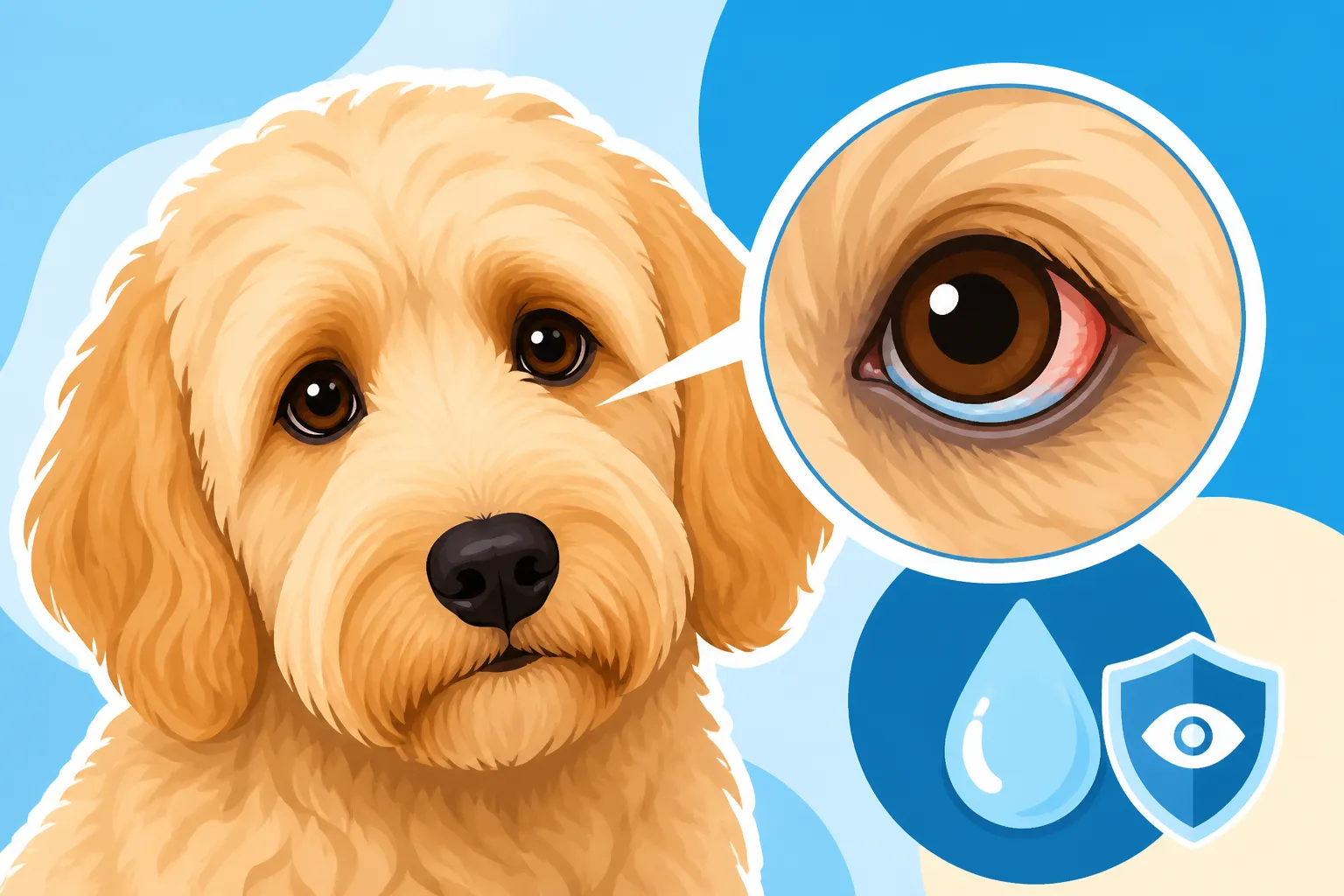
Dry Eye in a Labradoodle
Finding out your beloved Labradoodle is struggling with dry eye can be really unsettling. That constant blinking, the redness, the gooey discharge – it’s a frustrating and often painful condition for them, and heartbreaking for us to witness. It feels like such a simple thing, "dry eye," but it can quickly escalate if not managed properly. This guide is here to walk you through everything you need to know about dry eye in Labradoodles, officially known as Keratoconjunctivitis Sicca (KCS), from recognizing the earliest signs to lifelong management strategies, helping you keep your furry friend comfortable and seeing clearly.
Understanding Dry Eye in Labradoodles (Keratoconjunctivitis Sicca – KCS)
When your Labradoodle’s eyes look dull, red, or seem to have a persistent gunky discharge, it’s natural to feel worried. Dry eye, or KCS, isn't just a minor irritation; it's a chronic condition where the eye doesn't produce enough tears, leading to inflammation and discomfort. Understanding what's happening and why it might affect your Labradoodle is the first step towards getting them the right help.
What Exactly Is Dry Eye in Dogs?
Imagine your own eyes feeling perpetually gritty, as if there’s always sand in them, and you can’t quite blink away the discomfort. That’s a bit like what a dog with dry eye experiences. The tear film, which is essential for eye health, is composed of three layers: a watery (aqueous) layer, a mucus layer, and an oily layer. The aqueous layer, produced by the lacrimal glands, is the thickest and most critical for lubrication, washing away irritants, and supplying nutrients to the cornea. When these glands fail to produce enough of this watery component, the eye becomes dry, inflamed, and highly susceptible to damage.
In Labradoodles, especially, we often see immune-mediated KCS, where the body’s own immune system mistakenly attacks and damages the tear-producing glands. This is similar to other immune-mediated conditions that can affect dogs, such as Addison's Disease a Labradoodle Inherits From the Poodle, showing that their Poodle lineage can sometimes predispose them to these kinds of health challenges. Without enough tears, the eye surface becomes exposed, leading to irritation, secondary infections, and, if left untreated, serious complications like corneal ulcers and even blindness.
Recognizing the Subtle and Obvious Signs
Catching dry eye early can make a huge difference in managing the condition and preventing discomfort for your Labradoodle. Initially, the signs might be quite subtle. You might notice your dog blinking more often than usual, perhaps squinting a little in bright light, or just generally seeming a bit more sensitive around their eyes. There might be a slight redness to the whites of their eyes or around the eyelid margins.
As the condition progresses, the signs become more obvious and concerning. A thick, yellowish-white, sticky discharge often accumulates in the corners of their eyes. This isn't your typical clear eye gunk; it's thicker and tenacious because there isn't enough watery tear production to flush it away. The cornea, the clear front surface of the eye, might start to look dull, cloudy, or even develop pigment (dark spots) as the body tries to protect the irritated surface. Your Labradoodle might also rub their eyes frequently with their paws or against furniture, indicating persistent itchiness or pain. Ignoring these signs can lead to worsening inflammation and potential long-term damage.
Why Your Labradoodle Might Be at Risk
While any dog can develop KCS, some breeds are more predisposed, and unfortunately, the Labradoodle, with its Poodle heritage, is among them. The primary reason for KCS in most dogs, including Labradoodles, is immune-mediated disease. This means the dog's immune system, for reasons not fully understood, begins to attack and destroy its own tear glands. It's a cruel twist of fate, as these glands are vital for eye health. This genetic predisposition means that if a Labradoodle comes from lines with a history of immune-mediated diseases, their risk might be higher.
Beyond immune-mediated causes, there are other factors that can contribute to dry eye. Certain medications, especially sulfa-containing drugs, can sometimes temporarily or permanently damage tear glands. Other systemic diseases, like Thyroid Failure in a Labradoodle, can also manifest with dry eye as a symptom. Trauma to the eye or the lacrimal glands, viral infections, or even nerve damage affecting tear production can also be culprits, though these are less common than the immune-mediated form. Understanding these potential causes helps your veterinarian investigate thoroughly and arrive at the most accurate diagnosis.
Getting a Definitive Diagnosis for Dry Eye
When you suspect your Labradoodle has dry eye, getting a proper diagnosis from your veterinarian is absolutely critical. It’s not something you can accurately self-diagnose, as many eye conditions share similar symptoms. A definitive diagnosis allows for targeted treatment, which can prevent further discomfort and preserve your dog's vision.
The Crucial Schirmer Tear Test
If you've ever had watery eyes from allergies, you know how uncomfortable irritated eyes can be. The Schirmer Tear Test is the absolute gold standard for diagnosing KCS in dogs. It's a simple, quick, and painless procedure that gives your vet a clear picture of your dog's tear production. During the test, your vet will place a small, sterile strip of filter paper, folded at a specific point, inside your Labradoodle's lower eyelid. They'll leave it there for precisely one minute.
After one minute, the strip is removed, and the amount of moisture that has wicked up the paper is measured against a scale. Normal tear production in dogs is usually above 15 mm/minute. If your Labradoodle measures below this, especially if it’s consistently below 10 mm/minute, it’s a strong indicator of KCS. The lower the reading, the more severe the dry eye. It's a straightforward test, but it's incredibly effective at confirming or ruling out KCS, letting you and your vet move forward with confidence.
Comprehensive Eye Examination and Ruling Out Other Issues
While the Schirmer Tear Test is excellent for measuring tear production, it's just one piece of the puzzle. A thorough veterinary eye examination is essential to assess the overall health of your Labradoodle's eyes and rule out other conditions that might present with similar symptoms. Your vet will carefully examine the eyelids, conjunctiva (the pink membranes around the eye), and the cornea. They might use an ophthalmoscope to look deeper into the eye, checking for issues with the lens or retina.
One common additional test is the fluorescein stain test. This involves placing an orange dye onto the eye surface. If there are any scratches or ulcers on the cornea, the dye will stick to those damaged areas and glow bright green under a special blue light. This is vital because a dry eye can easily lead to corneal ulcers, which require immediate and specific treatment. Ruling out other conditions, such as conjunctivitis caused by allergies, or early signs of more severe problems like Cataracts in a Middle Aged Labradoodle, ensures your Labradoodle gets the most appropriate care, addressing all aspects of their eye health.
Navigating Treatment and Long-Term Care
Once your Labradoodle has been diagnosed with dry eye, the reality is that it’s a chronic condition requiring lifelong management. This isn’t a one-and-done fix; it’s about a consistent, dedicated routine that will keep your dog comfortable and healthy. The good news is that with proper care, most Labradoodles with KCS can lead full, happy lives.
Daily Eye Medications: Your Labradoodle's Lifelong Allies
The cornerstone of KCS treatment involves daily eye medications designed to either stimulate tear production or provide lubrication. The most common and effective medications are topical immune modulators like cyclosporine (brand names include Optimmune or compounded formulations) and tacrolimus. These medications work by suppressing the immune system's attack on the tear glands, allowing them to regain some function and produce tears. They don't work overnight, often taking several weeks to show significant improvement, so patience and consistency are key.
In addition to tear stimulants, your vet might prescribe artificial tears or lubricating ointments. These don't stimulate natural tear production but act as a protective barrier, keeping the eye moist and comfortable, especially in the initial stages of treatment or if tear production never fully recovers. Sometimes, a short course of topical corticosteroids might be used to reduce severe inflammation quickly, but these are generally not for long-term use. Learning the proper technique for applying eye drops or ointments is crucial; your vet or vet tech can demonstrate how to do it gently and effectively, ensuring the medication reaches its target and your Labradoodle remains calm during the process.
Keeping Your Labradoodle Comfortable and Complication-Free
Beyond daily medications, supportive care and environmental management play a significant role in managing your Labradoodle's dry eye. Regularly cleaning away any discharge around their eyes with a soft, damp cloth can prevent irritation and secondary infections. Warm compresses can also help soothe the eyes and loosen stubborn crusts. Protecting your Labradoodle from environmental irritants like dust, strong winds, and smoke can also reduce discomfort. If you live in a very dry climate, a humidifier in the home might even offer some relief.
Preventing secondary bacterial infections is paramount, as dry eyes are more vulnerable. If your dog develops excessive discharge, redness, or further signs of discomfort, a trip back to the vet for a recheck is wise. Regular grooming around the eyes is also important. Just like you need to be mindful of precise grooming needs for areas like Trimming Around a Labradoodle's Rear to prevent matting and hygiene issues, keeping the hair around your Labradoodle's eyes trimmed short can prevent it from wicking away the already sparse tears or harboring bacteria, contributing to clearer, healthier eyes.
When Surgery Becomes an Option
For a small percentage of Labradoodles where medical management isn't effective, or if the tear glands are completely non-functional, surgical intervention might be considered. The most common surgical procedure for KCS is called parotid duct transposition. In this procedure, a duct that normally carries saliva from the parotid gland (located near the ear) to the mouth is surgically redirected to release saliva into the eye instead of tears.
While this might sound like an ideal solution, it’s typically a last resort because saliva is not the same as tears. Saliva can be irritating to the eye in some cases, and it can also lead to excessive wetting around the eye and face, which can cause skin irritation. There's also the risk of the duct narrowing over time. It's a complex and costly procedure, and it’s important to have a frank discussion with your veterinary ophthalmologist about the potential benefits, risks, and post-operative care involved. Understanding potential unexpected expenses, like those associated with The EIC, Addison's and Bloat Bills a Labradoodle Owner Meets, can help owners prepare financially for such significant medical decisions. Many owners find pet insurance, like policies from Healthy Paws, invaluable for managing these high costs.
Living Well with a Dry-Eyed Labradoodle
Having a Labradoodle with a chronic condition like dry eye means committing to ongoing care, but it doesn't mean a diminished life for your beloved companion. With consistent treatment and a watchful eye, your Labradoodle can continue to enjoy their favorite activities, stay comfortable, and maintain good vision for many years.
Sustaining Your Dog's Vision and Overall Well-being
Living with KCS means establishing a routine of daily eye care that becomes second nature. This consistency is vital for sustaining your dog's vision and preventing further complications. You'll need to schedule regular follow-up appointments with your veterinarian or a veterinary ophthalmologist, typically every 3 to 6 months, to monitor tear production, assess the health of the cornea, and adjust medication dosages as needed. These check-ups are also crucial for catching any secondary infections or corneal ulcers early, before they become serious.
Unmanaged dry eye can lead to serious long-term consequences, including permanent corneal scarring, pigmentation, and blood vessel growth over the cornea, all of which can severely impair vision and, in the worst cases, lead to Whether a Labradoodle Loses Its Sight Slowly. By being diligent with their medication and proactive with veterinary care, you are actively protecting your Labradoodle's eyesight and ensuring they remain comfortable and engaged with the world around them. Their overall well-being is deeply tied to their comfort, and healthy eyes are a huge part of that.
The Financial Realities and How to Prepare
Let's be realistic: chronic conditions like dry eye come with ongoing financial commitments. The cost of daily eye medications, even generic formulations, can add up over a Labradoodle's lifespan. Then there are the regular veterinary visits for recheck exams and Schirmer Tear Tests. While these routine costs might seem manageable month-to-month, they can certainly impact your budget over several years.
This is where having pet insurance can be a real game-changer. Companies like Healthy Paws offer comprehensive plans that can cover a significant portion of costs for chronic conditions, including the medications and specialist visits required for KCS. It’s always best to get insurance early, ideally when your Labradoodle is a puppy, before any conditions are diagnosed, as pre-existing conditions are typically not covered. Thinking about the long-term financial picture, much like budgeting for The Yearly Screening a Labradoodle Should Get, helps ensure you can provide the best possible care without added financial stress.
Practical Tips for Home Care and Emotional Support
Caring for a Labradoodle with dry eye isn't just about applying drops; it's about providing holistic care that supports their physical and emotional comfort. Make the eye drop routine as positive an experience as possible. Use treats and praise, and create a calm, consistent environment. Some dogs do better if you approach them from the side, others from behind. Find what works for your Labradoodle and stick to it. If they are particularly resistant, talk to your vet about techniques or tools that might help, like a gentle Elizabethan collar for a short period if needed.
Remember that discomfort can make any dog a little grumpy or withdrawn. Your Labradoodle might need extra reassurance and patience, especially during flare-ups or if their vision is affected. Continue to engage them in appropriate exercise and mental stimulation. As they age, you’ll naturally be more aware of What a Labradoodle Owner Should Watch For After Eight, and eye health remains a crucial part of that. Your consistent love and care make all the difference, reminding them that even with a lifelong condition, they are cherished members of your family.
Common Dry Eye Medications and Their Purpose
| Medication Type | Example (Generic/Brand) | Primary Purpose | Application Frequency | Notes |
|---|---|---|---|---|
| Immune Modulators | Cyclosporine (Optimmune, Restasis) | Stimulates natural tear production by suppressing immune attack on tear glands. | 1-2 times daily | Most common and effective long-term treatment. Takes weeks to show full effect. |
| Tacrolimus | Similar to cyclosporine, often used for severe cases or non-responders. | 1-2 times daily | More potent than cyclosporine; can be compounded. | |
| Artificial Tears | Hyaluronic Acid (Optixcare, LubriFresh) | Provides lubrication, supplements natural tears, washes away irritants. | Several times daily (as needed) | Does not stimulate tear production. Essential for comfort and preventing corneal damage. |
| Antibiotics (Topical) | Tobramycin, Neomycin/Polymyxin/Bacitracin | Treats secondary bacterial infections that often occur with KCS. | As prescribed by vet | Used short-term only to clear infection; not a primary KCS treatment. |
| Corticosteroids (Topical) | Prednisolone Acetate | Reduces severe inflammation quickly. | Short-term, as prescribed | Caution: Can worsen corneal ulcers if present; always use under vet supervision. |
Disclaimer
The information provided in this guide is for general educational purposes only and should not be considered a substitute for professional veterinary advice. Always consult with a qualified veterinarian or veterinary ophthalmologist for any health concerns or before making any decisions related to your Labradoodle's care, diagnosis, or treatment.