Whether Snowballs Form in a Labradoodle’s Coat
Oh, the sheer joy of watching your Labradoodle frolic in a fresh blanket of snow! Their enthusiasm is infectious, isn't it? But that delight can quickly turn into a messy, frustrating ordeal when you realize their beautiful, fluffy coat has become a veritable magnet for icy snowballs. These aren't just a nuisance; they can cause discomfort, pull at their skin, and even lead to painful matting if not handled properly. This guide is here to walk you through exactly why your Labradoodle gets these wintry cling-ons, how to prevent them, and the kindest ways to remove them once they've formed, ensuring your snowy adventures remain purely joyful for both of you.
The Frustrating Reality of Snowball Accumulation on Labradoodle Coats
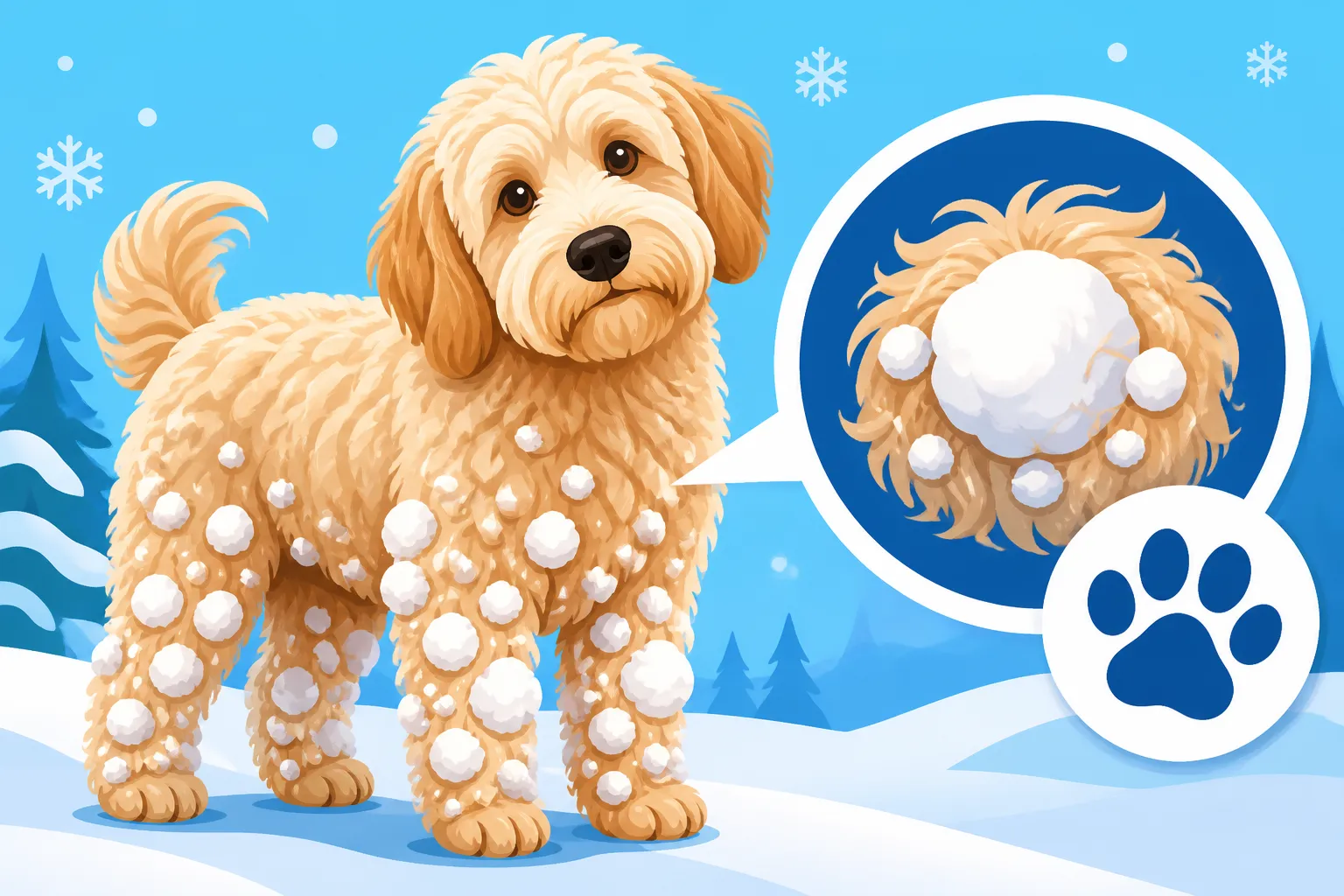
It's a common scene: you've just come in from a wonderful romp in the snow, only to find your dog looking like a furry, walking snow creature, complete with dozens of icy, hard balls clinging to their underbelly, legs, and even beard. This isn't just a mild inconvenience; these snowballs can be genuinely uncomfortable for your Labradoodle, pulling at their skin with every step and making them shiver. The sheer volume of them can also trap moisture against the skin, leading to chills, and if left untended, the compressed snow can quickly become an invitation for tight, painful mats to form in their beautiful coat.
Why Labradoodle Coats Are Snowball Magnets
The very qualities we adore in a Labradoodle's coat – its softness, its curl, its often non-shedding nature – are precisely what make it so susceptible to snowball formation. Unlike a smooth, short-coated breed where snow can just slide off, the Labradoodle's characteristic fleece or wool coat acts like a natural Velcro. The individual strands of hair, especially those with a wavy or curly texture, intertwine around snow particles as they melt slightly from body heat and then refreeze, creating a dense, icy clump. The tighter the curl and the denser the coat, the more easily these little ice balls cling and grow. It's not a design flaw, but rather an inevitable consequence of their gorgeous, high-maintenance fur. This is particularly true for those with a wool coat, which tends to be thicker and more tightly curled, essentially grabbing every snowflake it encounters. The Wool Coat Labradoodle and Its Upkeep discusses this more.
Where Snowballs Form Most Frequently
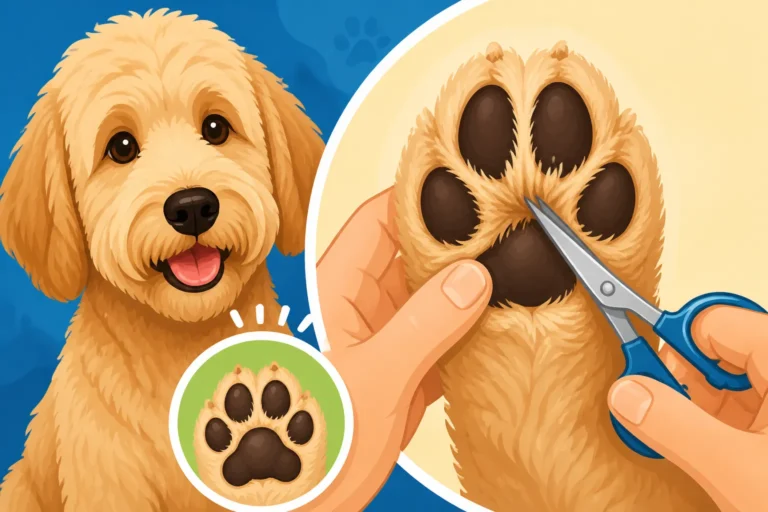
You'll notice these icy culprits tend to gather in specific areas, often the most vulnerable and sensitive spots on your Labradoodle. The underbelly is a prime target, especially if your dog loves to roll in the snow or has a lower carriage. Their legs, particularly the backs of the thighs and the 'armpits' (the area behind their front legs), are also notorious collection points. The feathering on their tail can become heavily laden, and if your Labradoodle has the classic doodle beard and eyebrows, those will certainly accumulate snow and ice, creating rather comical, yet uncomfortable, frozen facial expressions. Don't forget the hair between their paw pads! This is a particularly painful spot for snow and ice to build up, turning each step into an icy prickle. Mats Behind a Labradoodle's Ears and similar areas are also prone to snowball formation due to friction and density.
Preventing Snowball Formation: Your Winter Arsenal
The best offense is a good defense, and when it comes to Labradoodle snowballs, prevention is absolutely key. Trying to chip away at dozens of frozen clumps when your dog is already cold and tired is no fun for anyone. Luckily, with a few simple steps and the right products, you can significantly reduce the amount of snow that clings to your beloved companion, making winter outings much more enjoyable and the clean-up a breeze.
Pre-Walk Coat Preparation Strategies
Before you even step out the door into that winter wonderland, a little preparation goes a long way. First and foremost, ensure your Labradoodle's coat is well-groomed and free of mats. Mats create perfect anchors for snow and ice to cling to and can make removal exponentially harder and more painful. Regular line brushing is essential for this, as detailed in The Line Brushing a Labradoodle Coat Needs. A well-conditioned coat also helps. Consider using a leave-in conditioner or a special anti-static, anti-snow spray designed for dogs. These products can create a slicker barrier on the hair shaft, making it more difficult for snow and ice to adhere. When applying, focus on those high-traffic areas: the legs, belly, and tail. You want to lightly coat the fur without making it greasy. Some owners even use a tiny amount of cornstarch or baby powder on certain areas, which can absorb moisture and reduce clinging, though be cautious not to overdo it or irritate the skin. You can find many suitable sprays and conditioners on Chewy or Amazon.
Specialized Gear and Products for Snowball Defense
Beyond sprays, a few pieces of gear can be absolute game-changers for preventing snowballs. Dog booties are perhaps the most effective solution for protecting paw pads and the lower part of the legs. While some dogs take a bit of convincing to wear them, the payoff in comfort and cleanliness is huge. Look for boots that are durable, waterproof, and have good grip for icy surfaces. Brands like Ruffwear or Pawz often come highly recommended by dog owners.
Another helpful tool is a protective suit or jacket that covers the dog's belly and legs. Think of it as a snowsuit for your Labradoodle. These suits can act as a physical barrier, preventing snow from reaching the vast majority of their fur. They come in various styles, from full-body options to those that primarily cover the chest and underbelly. If your dog has a particularly long or dense coat, a shorter winter clip might also be an option to consider, reducing the surface area available for snow to cling to. Discussing this with your professional groomer can help you decide if it's right for your dog.
Here's a quick comparison of popular prevention methods:
| Method | How it Works | Best For | Considerations |
|---|---|---|---|
| Coat Sprays | Creates a slick barrier, repelling snow/ice. | All coat types, light snow, quick application | Reapplication needed, can be oily if overused. |
| Dog Booties | Protects paws and lower legs from snow/salt. | Deep snow, icy conditions, salt-treated roads | Acceptance varies by dog, can fall off, sizing is crucial. |
| Protective Suits/Vests | Physical barrier over belly and legs. | Deep snow, long walks, full-body protection | Some dogs dislike wearing clothes, can restrict movement. |
| Regular Grooming/Trim | Prevents mats where snow can cling, reduces surface area. | Dense/curly coats, year-round management. | Requires ongoing commitment, professional help. |
| Paw Balm/Wax | Forms a protective barrier on paw pads. | Light snow, minor ice, salt protection. | Not as effective for preventing large snowballs. |
Dealing with Existing Snowballs: Safe Removal Techniques
Despite your best efforts, sometimes snowballs still happen. When your Labradoodle comes in from a snowy adventure looking like a fluffy snowman, it's crucial to remove those icy clumps gently and effectively. Ripping them out can be incredibly painful, damaging their delicate coat, and creating negative associations with snow or being handled after walks. Patience and the right approach are your best friends here.
Gentle Methods for Melting and Detangling
The safest and kindest way to remove snowballs is to gently melt them. Have a warm, damp cloth or towel ready by the door. As your dog comes in, try to gently squeeze the snowballs with the warm cloth. The warmth will start to melt the ice, making it easier to break apart. For more stubborn or larger clumps, you can direct a hairdryer on a cool or low warm setting (never hot!) towards the snowball, keeping it moving to prevent any skin irritation. Another common and effective method is to have a small bowl or bucket of lukewarm water where you can briefly dip a paw or leg with snowballs. The ice will quickly melt away.
Once the ice has softened or melted, gently use your fingers to pull the remaining snow from the fur. Avoid yanking or pulling on the coat. If you encounter a mat that has formed around the snow, do not try to brush it out dry or frozen. You'll need to wait until the fur is completely dry, then tackle the mat with a slicker brush and a detangling spray, working slowly from the ends towards the skin, as you would with any other mat. For particularly stubborn frozen sections, a quick spray with a detangling solution (many available from Chewy or Amazon) can help loosen the snow and ice.
Post-Snowball Coat Care
After successfully removing all the snow and ice, take a moment to assess your Labradoodle's coat and skin. Thoroughly dry any damp areas, especially between the paw pads and in the armpits, to prevent chilling or skin irritation. A good absorbent towel or even a dog-specific force dryer (on a cool setting) can be useful here. If your dog got particularly wet or cold, make sure they have a cozy, warm spot to rest.
Once dry, give their coat a good, gentle brush to ensure no small tangles or mats formed during the ordeal. Pay extra attention to the areas where the snowballs were most prevalent. If you notice any redness, irritation, or persistent matting, address it promptly. Sometimes, small pieces of ice can cause minor abrasions or freezer burn on delicate skin, so a visual check is always a good idea. A healthy, well-brushed coat is your best defense against future snow issues, and consistent grooming makes subsequent snowball removal much easier. Remember, How Many Times a Week a Labradoodle Needs Brushing is a useful guide.
Long-Term Coat Health for Winter Resiliency
Dealing with snowballs is a seasonal issue, but the ease with which you manage them is often a reflection of your Labradoodle's year-round coat health. A well-cared-for coat, nourished from the inside out, is not only beautiful but also more resilient against the elements, including clinging snow and ice. Think of it as investing in their coat's "immune system" for winter.
The Role of Regular Grooming in Winter Readiness
Regular, thorough grooming throughout the year is perhaps the most critical factor in your Labradoodle's winter readiness. A mat-free, clean coat is far less likely to trap snow and form painful clumps. Mats act like sponges for snow and then lock it into tight, hard ice balls that are excruciating to remove. Establishing a consistent grooming routine, including regular brushing and professional trims, is paramount. This means line brushing several times a week, ensuring you're getting all the way down to the skin, not just skimming the surface. Brushing a Labradoodle to the Skin, Not the Surface offers more detailed advice.
Professional groomers play a vital role here too. They can give your Labradoodle a winter-appropriate clip that might be slightly shorter in the problem areas without sacrificing warmth, or simply ensure their coat is in optimal condition. They can also advise on specific products or techniques suitable for your dog's unique coat type. This consistent care ensures the coat's natural oils are properly distributed, promoting healthier hair that might naturally repel some snow.
Diet and Hydration's Impact on Coat Quality
What goes into your Labradoodle's bowl has a direct impact on the quality of their coat and skin. A diet rich in essential fatty acids, particularly Omega-3s and Omega-6s, contributes to a healthy, lustrous coat that is more pliable and less prone to breakage and matting. This improved coat quality can indirectly make it harder for snow to cling as stubbornly. Look for high-quality dog foods that list named meat sources as the first ingredients and include beneficial oils. Brands like Ollie often focus on fresh, nutritious ingredients that support overall health, including skin and coat.
Adequate hydration is also surprisingly important. A well-hydrated dog has healthier skin and hair follicles, leading to stronger, more resilient hair shafts. Ensure your Labradoodle always has access to fresh water, especially during colder months when they might not feel as thirsty but still need to stay hydrated. A healthy, well-nourished coat is not only aesthetically pleasing but also functions better as a protective barrier against environmental challenges, including those pesky snowballs. Investing in their nutrition is investing in their overall well-being and their ability to comfortably enjoy all four seasons.
Disclaimer
This article is for general informational purposes only and does not constitute professional advice. Laws, prices and regulations vary by location and change over time. Consult a qualified professional for guidance on your specific situation.