Whether a Labradoodle’s Ear Canal Is Poodle or Labrador
One of the most common worries for Labradoodle owners is dealing with recurrent ear infections. It’s a real pain, both for our furry friends and our wallets, and often, the root cause lies deep within the ear itself. Many wonder if their Labradoodle has inherited the Poodle’s notoriously tricky ear canal or the Labrador’s more straightforward structure, and how that impacts their dog's ear health. This guide will dive into the anatomical realities of your Labradoodle's ears and what you, as a loving owner, can do to keep them healthy and happy.
Understanding Labradoodle Ear Anatomy
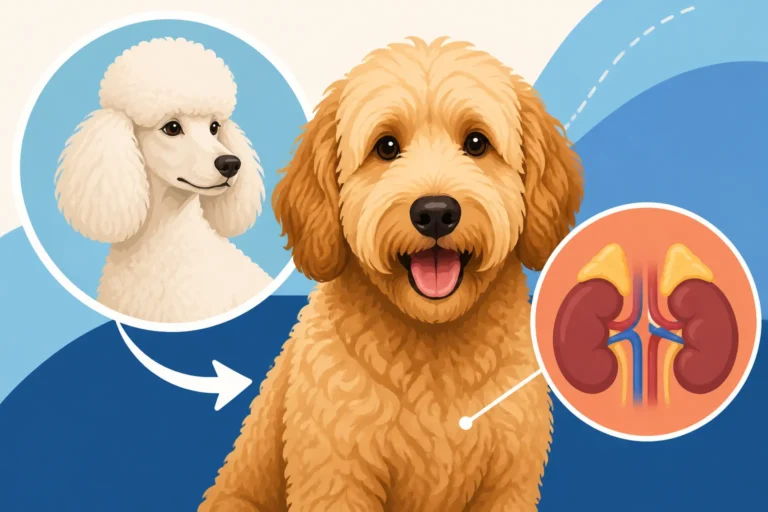
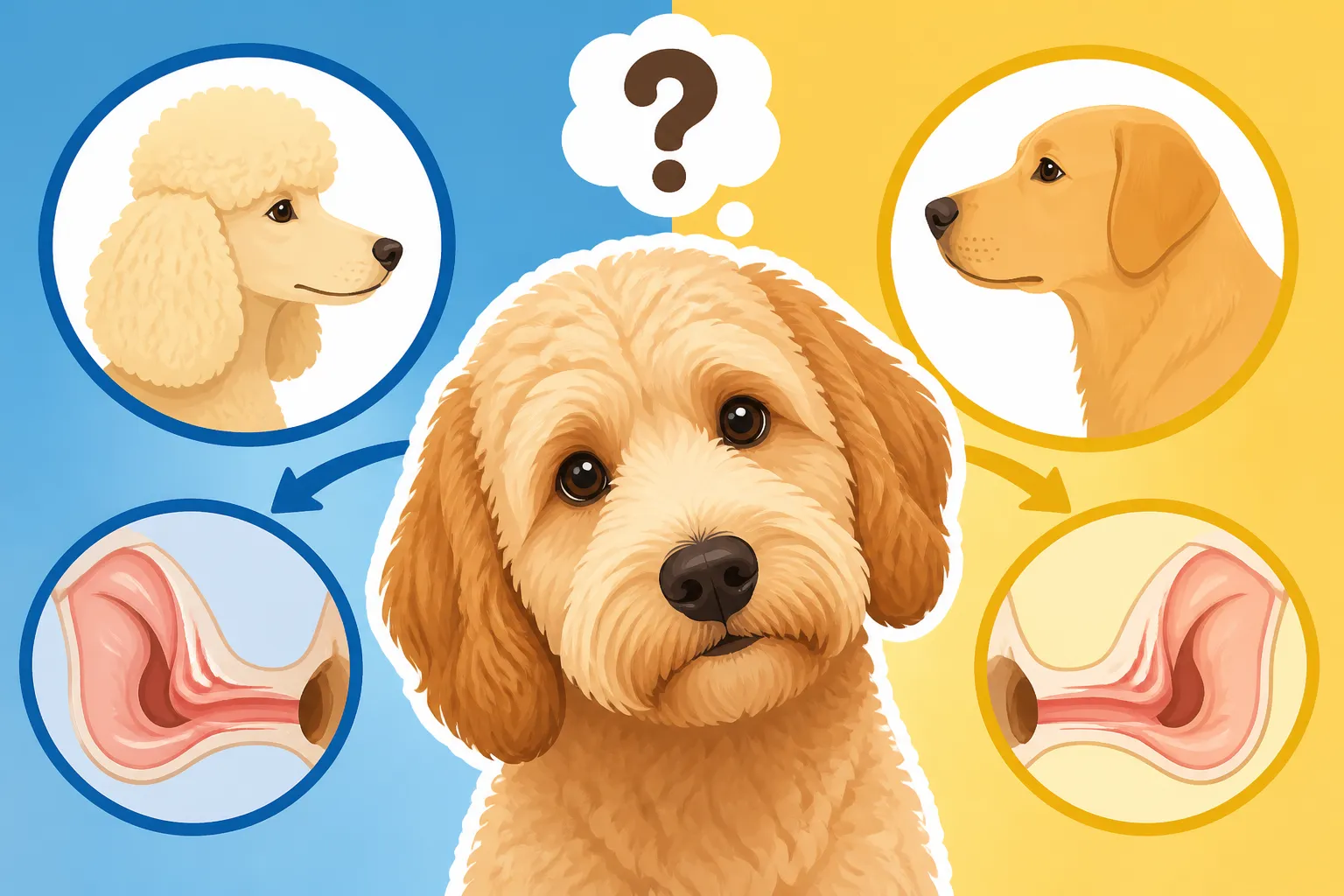
When you bring a Labradoodle into your home, you're embracing a wonderful mix of two distinct breeds: the Labrador Retriever and the Poodle. This blend brings many fantastic qualities, but it also means a genetic lottery when it comes to certain physical traits, and the ear canal is definitely one of them. It's not always a clear-cut case of one or the other.
The Poodle's Deep and Narrow Ear Canal
Let's talk about the Poodle side of the family first. Poodles are famous for their elegant, dropped ears and their thick, curly coats. While beautiful, these features come with a predisposition to ear issues, largely due to their ear canal structure. A Poodle's ear canal tends to be deeper and narrower than many other breeds. Imagine a long, winding tunnel with a lot of hair growing inside it – that's often what you're dealing with. This design inherently restricts airflow, creating a warm, moist environment that's just perfect for bacteria, yeast, and mites to thrive. When moisture gets trapped, perhaps after a bath or a swim, it has a hard time evaporating, turning the ear into an ideal breeding ground for infections. This anatomical setup is a significant reason why many Poodle owners are vigilant about ear care.
The Labrador's More Open Ear Canal
On the flip side, we have the Labrador Retriever. Labradors also have dropped ears, but their ear canals are typically more open and less convoluted than a Poodle's. Their coats are also different; while they shed, they don't have the dense, continuously growing hair inside the ear canal that Poodles do. This combination of a more open canal and less internal hair allows for much better air circulation. Moisture can evaporate more easily, and fewer places for debris or pathogens to get trapped and multiply. While Labradors can certainly get ear infections, especially if they love to swim, their natural ear anatomy generally puts them at a lower risk compared to Poodles. It's a design that's a bit more forgiving, making ear care somewhat simpler for many Labrador owners.
The Labradoodle's Genetic Mix-Up
So, what happens when you mix these two distinct ear anatomies? That's where the Labradoodle's unique genetic inheritance comes into play, making predicting ear health a bit of a challenge.
The Lucky Dip of Genetics
With a Labradoodle, you truly get a "lucky dip" of genetics. Your dog might inherit a deeper, narrower ear canal more akin to a Poodle, or a more open one like a Labrador. They could also end up with something in between, a blend of both. This variability is why some Labradoodles seem to sail through life with minimal ear problems, while others become repeat visitors to the vet for persistent infections. There's no single, definitive Labradoodle ear canal type; it's a spectrum. Even within the same litter, you might find puppies with different ear canal structures. This uncertainty is part of the joy and challenge of owning a hybrid breed – you never quite know exactly what combination of traits you'll get, and that extends right down to their ear anatomy.
Impact of Coat Type and Ear Drop
Beyond the internal canal structure, the external characteristics of a Labradoodle's ear are also huge factors in ear health. Labradoodles almost universally inherit the dropped ear shape from both parent breeds, meaning the ear flap hangs down, covering the ear canal opening. This, in itself, reduces airflow. Add to that the Labradoodle's signature coat – whether it's a fleece or wool coat – which often extends deep into the ear canal and grows quite profusely. This abundant hair acts like a furry plug, further trapping moisture and debris, and making it even harder for air to circulate.
It's this combination – a potentially Poodle-like narrow canal, coupled with a dropped ear and dense, curly hair – that creates a "perfect storm" for chronic ear infections in many Labradoodles. The hair that grows where a Labradoodle's ear should drain can be particularly problematic. Even if your Labradoodle has a more open, Labrador-esque ear canal, the heavy, dropped ear and the hair can still significantly increase their risk of developing problems. This is why proper grooming and consistent ear care are non-negotiable for Labradoodle owners.
Why Ear Canal Shape Matters for Health
Understanding the nuances of your Labradoodle's ear canal is more than just academic curiosity; it directly impacts their health and your management responsibilities.
The Perfect Storm for Ear Infections
If your Labradoodle has inherited a Poodle-like deep, narrow ear canal, coupled with the heavy, dropped ear flap and the characteristic dense coat that often grows inside the ear, you've got a recipe for trouble. This environment is an absolute haven for pathogens. Moisture gets trapped easily after swimming or even just humid weather, creating a warm, damp incubator. The restricted airflow means that moisture doesn't evaporate readily, and the accumulated ear wax and debris, tangled in all that hair, can't easily escape.
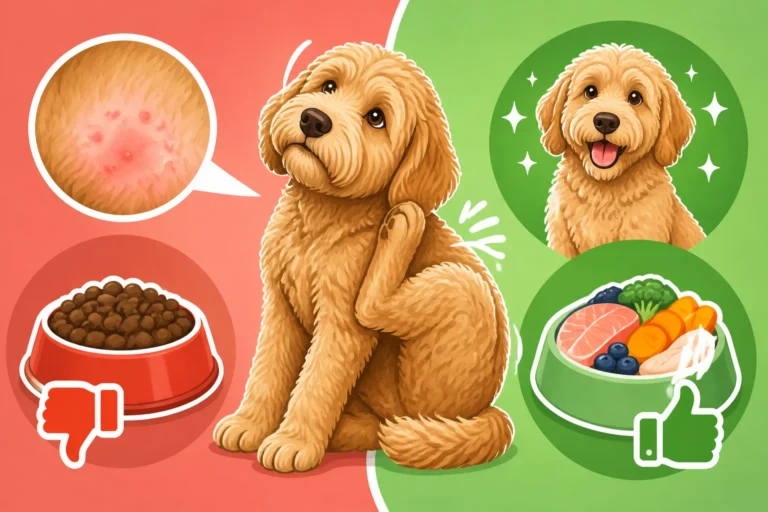
This creates the ideal conditions for yeast and bacteria to multiply rapidly, leading to painful and often smelly ear infections. Think about it: a dark, warm, moist, poorly ventilated space with plenty of food (ear wax, dead skin cells) – it's basically a five-star resort for microorganisms. Your poor pup will be scratching, shaking their head, and generally miserable. For some Labradoodles, it feels like a constant battle, with infections flaring up repeatedly, making the question "whether repeat ear infections mean a Labradoodle has allergies" a very real concern for many owners. It's a frustrating cycle that can lead to deeper, more serious ear conditions if not managed diligently.
Recognizing the Signs of Trouble
As an owner, being able to spot the early signs of an ear infection is crucial for prompt treatment and preventing escalation. Your Labradoodle can't tell you in words that their ear hurts, so it's up to us to be observant.
Keep a close eye out for these common indicators:
- Head shaking: This is often one of the first and most obvious signs. If your dog is shaking their head more than usual, especially vigorously, it's a red flag.
- Ear scratching: Obsessive scratching at one or both ears, sometimes even rubbing their head along furniture or the floor to alleviate the itch.
- Redness or swelling: Gently lift your dog's ear flap and look inside. Is the skin red, inflamed, or swollen compared to normal?
- Discharge: You might notice a yellowish, brownish, or even black discharge. This can be waxy, crusty, or pus-like.
- Odor: Infected ears often have a distinct, unpleasant smell – often yeasty or pungent. Trust your nose on this one!
- Pain or sensitivity: If your Labradoodle yelps, pulls away, or shows aggression when you try to touch their ear, it’s a clear sign of discomfort.
- Rubbing ears on furniture/ground: They're trying to relieve the itch or pain by rubbing their ears against surfaces.
If you notice any of these signs, don't wait. A quick trip to the vet is in order. Early intervention can prevent a minor irritation from becoming a full-blown, painful infection that's harder and more expensive to treat.
Proactive Care for Labradoodle Ears
The good news is that even with a challenging ear canal, proactive and consistent care can make a world of difference in preventing those dreaded ear infections. It truly comes down to routine and vigilance.
Regular Cleaning and Drying Routines
This is perhaps the single most important step in preventing ear infections in your Labradoodle. Given their dropped ears and often hairy, potentially narrow canals, moisture is the enemy.
- Weekly checks: Make it a habit to lift your Labradoodle's ear flaps and take a peek inside weekly. Look for any redness, unusual discharge, or odors. Early detection is key.
- Gentle cleaning: Use a vet-approved ear cleaner. Squirt a small amount into the ear canal (following product instructions), massage the base of the ear for 20-30 seconds to help break up wax and debris, then let your dog shake their head. After they shake, use a cotton ball or soft gauze to gently wipe away any visible gunk from the outer ear and opening of the canal. Never use cotton swabs deep inside the ear canal, as this can push debris further in or damage the delicate ear drum.
- Post-swim drying: If your Labradoodle loves to swim, which many Labradors and Poodles (and thus Labradoodles) do, drying a Labradoodle's ears after water is absolutely crucial. Water can get trapped, setting up that perfect moist environment for bacteria and yeast. Use a clean, dry cotton ball or a soft cloth to gently absorb as much moisture as possible from the outer ear and the opening of the canal. Some owners even use an ear drying solution designed for swimmers, applied after water exposure, to help evaporate residual moisture.
Consistency is vital here. A little effort regularly can save you a lot of heartache and vet bills down the line.
Addressing Excess Ear Hair
The hair that grows inside a Labradoodle's ear canal is a common culprit in recurrent infections. It traps wax, debris, and moisture, blocking airflow.
- Professional grooming: Many professional groomers are skilled at safely plucking or trimming ear hair. Discuss this with your groomer during your regular appointments. They can assess the amount of hair and the best method for your dog. For some, a slight trim around the entrance is enough, while others might need more extensive plucking.
- Careful plucking/trimming at home: If you're comfortable and your dog tolerates it, you can carefully pluck a small amount of hair from the outer ear canal using blunt-tipped tweezers. Always be gentle, and never pluck deeply into the canal. Alternatively, a small, blunt-tipped scissor can be used to trim hair just around the ear canal opening to improve airflow. If you're unsure, or if your dog is sensitive, leave this to a professional to avoid injury. It's often recommended to seek guidance from your vet or groomer before attempting this yourself.
- Don't overdo it: While removing some ear hair can be beneficial, over-plucking can sometimes irritate the delicate skin of the ear canal, potentially leading to inflammation or even infection. It's a balance, and finding what works best for your individual Labradoodle is key.
Veterinary Check-ups and Early Intervention
No amount of diligent home care can replace professional veterinary advice and intervention. Your vet is your best partner in managing your Labradoodle's ear health.
- Routine check-ups: During your Labradoodle's annual check-up, your vet will always examine their ears thoroughly, looking deep into the canal with an otoscope. This can catch issues you might miss.
- Prompt vet visits for concerns: If you suspect an ear infection, don't try to treat it yourself with home remedies. A vet can accurately diagnose the type of infection (bacterial, yeast, mites, or a combination) and prescribe the correct medication. Using the wrong medication can make the problem worse or mask a more serious underlying issue.
- Addressing underlying causes: If your Labradoodle suffers from chronic ear infections, your vet might want to investigate underlying causes like allergies. Allergies behind a Labradoodle's itching are a very common reason for persistent ear issues. They might recommend special diets, allergy testing, or other treatments to address the root problem, rather than just treating the symptoms. Remember that dealing with ongoing health issues can get expensive, which is why many Labradoodle owners find that a good pet insurance plan, like those offered by Healthy Paws, can provide significant peace of mind when unexpected vet bills arise from recurrent ear problems.
By combining regular home care, appropriate grooming, and prompt veterinary attention, you can help your Labradoodle enjoy healthy, comfortable ears for years to come.
Here's a quick comparison of ear characteristics and care needs:
| Feature | Poodle Ear | Labrador Ear | Labradoodle Ear |
|---|---|---|---|
| Canal Shape | Deep, narrow, often convoluted | More open, wider, less convoluted | Variable: Can be Poodle-like, Labrador-like, or a blend |
| Ear Flap | Dropped, covers canal | Dropped, covers canal | Dropped, covers canal |
| Ear Hair | Dense, curly, grows deep into canal | Minimal hair inside canal | Dense, curly, often grows deep into canal (especially fleece/wool coats) |
| Airflow | Poor, highly restricted | Good, allows for better circulation | Poor to moderate, highly dependent on canal shape and hair |
| Moisture Trap | High risk, slow evaporation | Lower risk, faster evaporation | High risk, especially with dense internal hair |
| Infection Risk | High, prone to chronic issues | Moderate, especially with swimming | High, due to combination of factors |
| Key Care Need | Regular plucking/trimming & frequent cleaning | Routine checks, drying after water | Regular cleaning, careful hair management, drying after water, vet vigilance |
Disclaimer
This article is for general informational purposes only and does not constitute professional advice. Laws, prices and regulations vary by location and change over time. Consult a qualified professional for guidance on your specific situation.