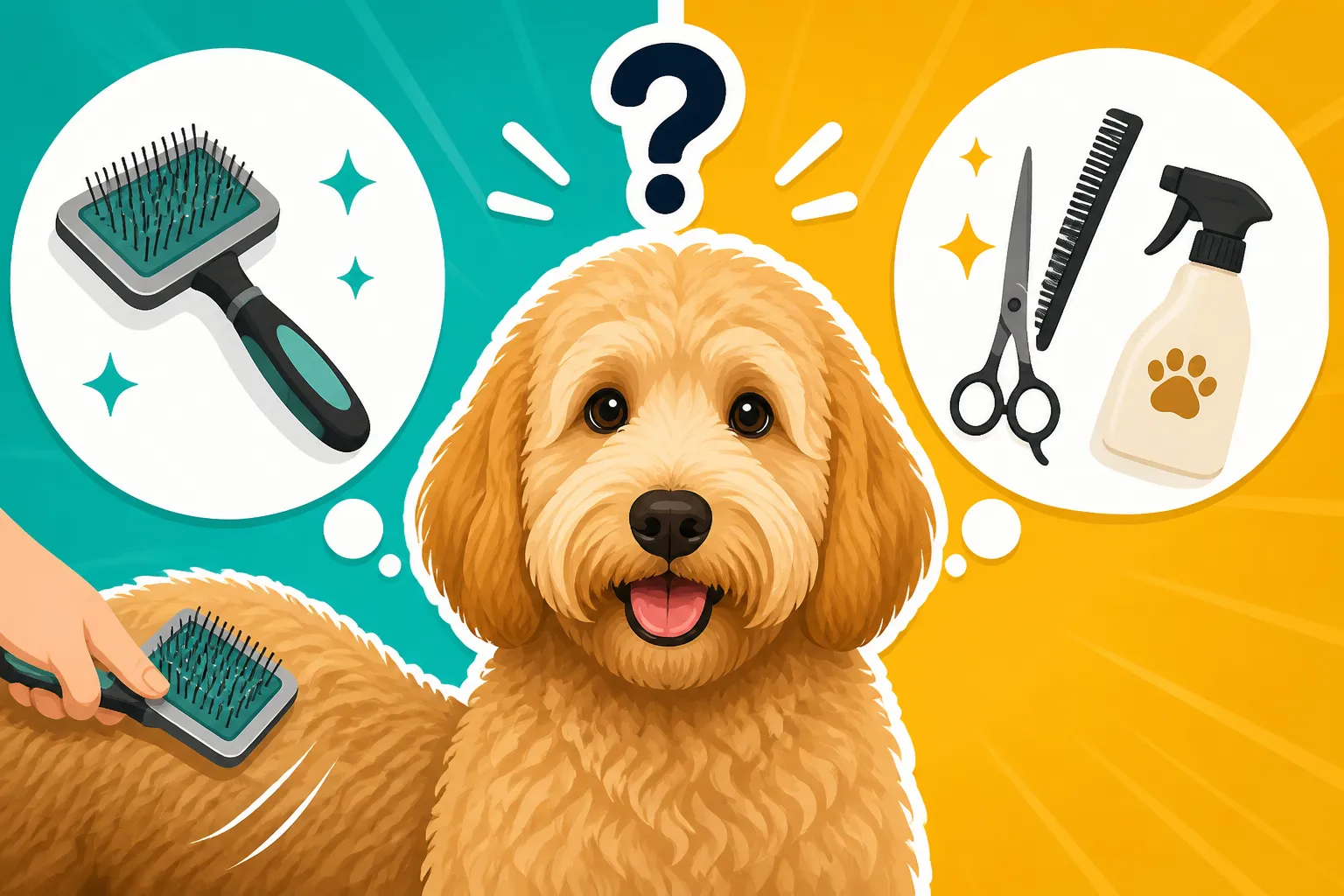
Whether Brushing the Top Coat Is Enough on a Labradoodle
It’s a frustrating scenario many Labradoodle owners know all too well: you brush your dog regularly, the top coat looks beautiful, silky, and knot-free, yet somehow, seemingly overnight, stubborn mats appear, especially in hidden spots. This happens because simply brushing the surface of your Labradoodle's coat isn't enough to prevent tangles from forming deep within their dense, curly, or wavy fur. This guide will walk you through why surface brushing fails and how to properly groom your Labradoodle to keep their coat healthy, comfortable, and mat-free.
Understanding the Labradoodle Coat: More Than Meets the Eye
Many new Labradoodle owners are captivated by their dog's adorable, low-shedding coats, envisioning easy grooming. However, these unique coats, a blend of the Poodle's dense curl and the Labrador's double coat (even if modified), are far more complex than they appear on the surface. Understanding this complexity is the first step toward effective grooming.
The Layered Nature of a Labradoodle's Coat
Unlike many single-coated breeds or even the relatively straightforward Labrador coat, a Labradoodle's fur often possesses a surprising depth and texture. While they might not have a distinct "undercoat" in the traditional sense like a heavy-shedding breed, their dense, often curly or wavy hair creates a similar challenge. Imagine a thick, plush carpet: the individual fibers are interwoven and extend right down to the backing. Your Labradoodle's coat is much the same, with hair growing in tight formations that can easily trap loose strands.
This density means that shed hairs, instead of falling out, often get caught within the surrounding live hair. Over time, these trapped hairs twist and knot together, forming dense tangles close to the skin. It’s this intricate structure that requires a specific brushing technique to truly penetrate and remove loose fur before it has a chance to bind with the rest of the coat. Without reaching these deeper layers, you’re simply pushing the problem further in, creating a perfect environment for mats to form unseen.
Why Top Brushing Creates a False Sense of Security
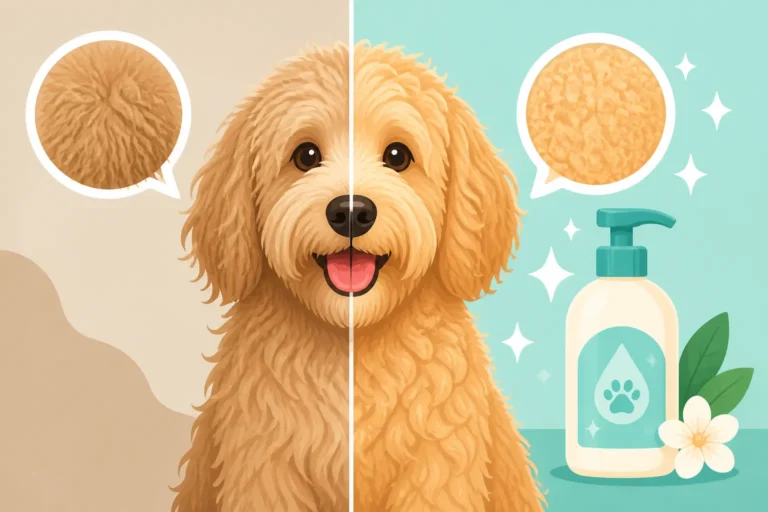
When you only brush the top layer of your Labradoodle’s coat, you're essentially just smoothing over the visible surface. This makes the coat look well-groomed, shiny, and free of tangles, giving you a false sense of accomplishment. You might even feel your brush gliding easily, reinforcing the idea that you're doing a great job. However, beneath that smooth exterior, a disaster could be brewing.
What happens is that the brush passes over the superficial layer, leaving the dense, matted under-layer untouched and often even compacted closer to the skin. It's like sweeping dust under a rug; the floor looks clean, but the mess is still there, just hidden. Over days and weeks, these hidden tangles tighten, becoming denser and more painful. Owners often don't realize the extent of the matting until it becomes severe, showing up as hard lumps close to the skin, or when a professional groomer points it out. This is a common frustration, leading many to feel confused and even guilty when their seemingly well-brushed dog needs to be shaved due to extensive matting.
The Silent Enemy: Mats Beneath the Surface
Mats aren't just cosmetic issues; they can lead to significant discomfort and serious health problems for your Labradoodle. Understanding how they form and the risks they pose is crucial for any owner.
How Mats Form in the Undercoat
Mats are essentially felted masses of dead hair, dirt, and debris, tightly woven together with live hair. In Labradoodles, this process is particularly insidious due to their coat type. Shed hairs, instead of dropping to the floor, get caught in the curly or wavy structure of the coat. Each time your dog rolls, scratches, runs, or rubs against furniture, these loose hairs tangle more intensely. Add to that factors like moisture from baths or swimming, friction from harnesses, collars, or simply movement, and dirt or burrs picked up during walks, and you have a recipe for rapid mat formation.
Common areas where mats begin to form are often high-friction zones or places where the coat is especially dense. These include behind the ears, in the armpits, the groin area, around the tail base, and even between the paw pads. Owners might not notice these spots until they are already quite severe because they are out of direct sight during a quick top-brushing session. Once a small tangle starts, it acts like a magnet, attracting more loose hair and debris, growing quickly into a painful, tight mat that pulls on the skin.
The Dangers of Neglecting Deep Brushing
Ignoring those deeper layers of the coat and allowing mats to form can lead to a cascade of problems that go far beyond aesthetics. The most immediate concern is pain and discomfort for your dog. Mats pull on the skin, causing constant irritation, bruising, and even tearing. Imagine constantly having your hair pulled tightly – that’s what severe matting feels like. This pain can restrict movement, making your Labradoodle reluctant to play, walk, or even lie down comfortably.
Beyond discomfort, mats create a breeding ground for skin issues. Trapped moisture, dirt, and parasites can lead to hot spots, bacterial skin infections, and fungal problems, which can be incredibly itchy and painful, sometimes requiring veterinary intervention with antibiotics or antifungals. Furthermore, severe matting can restrict blood flow to certain areas of the skin. In extreme cases, if a mat wraps tightly around a limb or appendage, it can act like a tourniquet, leading to swelling, tissue damage, or even necrosis. When a dog arrives at a groomer with extensive, tight matting, the only humane option is often a full shave-down, which can be stressful for the dog and expensive for the owner. It’s always better to prevent these situations than to deal with their painful consequences.
The Art of Line Brushing: Reaching Every Strand
To truly keep your Labradoodle's coat healthy and mat-free, you need to go beyond surface brushing and adopt a technique called "line brushing." This method ensures you reach every single strand of hair, from the root to the tip, preventing those hidden tangles.
What Line Brushing Entails
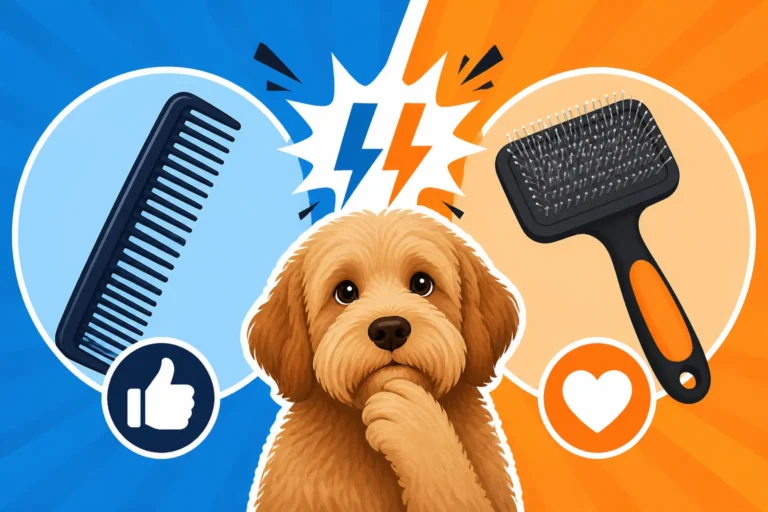
Line brushing is a systematic approach to grooming that involves working in small sections, literally brushing "a line" across the dog's body. To start, you'll need a good quality slicker brush and a sturdy metal comb. The Slicker, Rake and Comb a Labradoodle Takes Begin by laying your Labradoodle on their side, or have them stand if they are cooperative. Use one hand to gently part the coat, creating a "line" across the section you are working on, typically starting near the paw or lower leg. With the other hand, use your slicker brush to brush up or out from the skin, working on the hair directly below your parting line.
Once you’ve brushed a small section, use your metal comb to gently comb through the same area. If the comb glides through without snagging, you’ve done a good job. If it catches, you need to go back with the slicker brush and work out the tangle, gently teasing it apart, not yanking. Gradually move your parting line upwards, exposing a new section of unbrushed coat, and repeat the process. Continue this method across the entire dog, making sure to pay extra attention to those common matting areas like behind the ears, in the armpits, and around the tail. It's a time-consuming process, but it's the only way to ensure every part of the coat is tangle-free.
Essential Grooming Tools for a Labradoodle
Having the right tools is just as important as knowing the technique. For line brushing, a high-quality slicker brush is your primary weapon against mats. Look for one with a comfortable handle and durable, angled pins that can penetrate the dense coat without scratching the skin. Brands like Chris Christensen or similar professional-grade options are often recommended, and you can find a good selection on sites like Amazon or Chewy.
Next, a sturdy metal comb is indispensable for checking your work. Choose one with both wide and fine teeth. The wide teeth are great for initial detangling, while the fine teeth are perfect for catching smaller knots near the skin. Always follow up slicker brushing with a comb to confirm that no mats have been missed. Additionally, a detangling spray can be a lifesaver, especially for dry or slightly tangled coats. A light mist can help the brush glide through, making the process more comfortable for your dog and preventing static. Detangling Sprays for a Labradoodle You might also consider a force dryer if your Labradoodle enjoys swimming, as thorough drying to the skin is essential to prevent matting after getting wet.
Establishing a Regular Grooming Schedule
Consistency is the secret sauce to maintaining a mat-free Labradoodle coat. Sporadic, intense grooming sessions are far less effective and more stressful for both you and your dog than a regular, manageable routine.
How Often Your Labradoodle Needs Attention
The frequency of brushing largely depends on your Labradoodle's specific coat type and lifestyle. For those with a soft, dense fleece or wool coat, daily or every-other-day line brushing is ideal. These coats are prone to matting quickly, especially during The Coat Change That Hits a Labradoodle at Nine Months when their puppy fur transitions to adult fur, which can last for several weeks or even months. During this period, diligent daily brushing is non-negotiable to prevent severe matting.
Even for Labradoodles with a straighter, "hair" coat that might shed more, a good brush-through 2-3 times a week is still recommended. Beyond regular brushing, professional grooming appointments are a vital part of the routine. Most Labradoodles need a full professional groom every six to eight weeks to keep their coats trimmed, tidy, and thoroughly dematted. The Six to Eight Week Clock on a Labradoodle's Coat If your dog loves to swim, gets muddy frequently, or wears a harness constantly, you might need to increase both home brushing and professional grooming appointments to stay ahead of mats.
Integrating Brushing into Your Routine
Making grooming a positive and consistent experience from puppyhood is paramount. Start with short, gentle sessions, introducing your Labradoodle puppy to the brush and comb with plenty of praise and high-value treats. Starting Grooming Handling on a Labradoodle Puppy The goal is to make it a routine they look forward to, or at least tolerate calmly. If you try to tackle a severely matted dog for the first time, it will be uncomfortable and could create a lifelong aversion to grooming.
Rather than trying to do one marathon brushing session once a week, aim for shorter, more frequent sessions. Even 15-20 minutes every other day can make a huge difference, making the task less daunting for you and less tiring for your dog. Consider setting up a designated grooming space. A sturdy grooming table, perhaps purchased from Amazon, can elevate your dog to a comfortable working height, saving your back and helping your dog understand that this is "grooming time." What a Grooming Table Costs a Labradoodle Owner Establishing this routine ensures that brushing becomes a natural part of their life, not an occasional ordeal.
| Aspect | Top Coat Brushing Only | Line Brushing |
|---|---|---|
| Effectiveness | Low; only addresses surface tangles. | High; penetrates to the skin, removing all loose hair and mats. |
| Mat Prevention | Poor; mats will form unnoticed beneath the surface. | Excellent; prevents mats by removing shed hair before it can tangle. |
| Time Investment | Seems quicker initially, but leads to longer, harder sessions later. | Requires more time upfront, but keeps coat manageable in the long run. |
| Coat Health | Can lead to skin irritation, infections, and discomfort from tight mats. | Promotes healthy skin and coat, preventing painful matting. |
| Dog's Comfort | Dog may appear comfortable until mats become severe and painful. | Dog is generally more comfortable as matting is prevented. |
| Groomer Visits | Often results in emergency shave-downs due to severe matting. | Supports regular maintenance grooms, less invasive procedures. |
When to Call in the Professionals
Despite your best efforts with line brushing, there might be times when professional help is needed. Recognizing when a mat is beyond your capabilities is crucial for your Labradoodle's comfort and well-being.
Recognizing When Mats Are Beyond Home Care
There’s a clear difference between a small, easily brushable tangle and a dense, tight mat that’s pulling on the skin. If you find a mat that feels hard, is close to the skin, or causes your Labradoodle discomfort when you try to gently work it out with your fingers and a comb, it’s time to stop. Attempting to cut out mats with scissors at home is incredibly risky, as it's very easy to accidentally snip your dog's skin, which is often pulled up into the mat. This can lead to painful cuts, expensive vet visits, and a fearful dog. Whether a Tight Matted Labradoodle Has Any Other Option
Large sections of matting, especially those found in sensitive areas like the armpits or behind the ears, are best left to experienced groomers. Mats Behind a Labradoodle's Ears These professionals have specialized tools and techniques to either carefully demat the coat (if possible and humane) or, if necessary, safely shave down the matted areas. It’s a moment of truth for many owners, but acknowledging when a mat is too severe for home care is a responsible and kind decision for your furry friend.
Finding a Groomer Who Understands Labradoodles
Not all groomers are created equal, especially when it comes to the unique challenges of Labradoodle coats. When choosing a professional groomer, it's vital to find someone who has extensive experience with "doodle" breeds and understands their specific coat types – whether it's wool, fleece, or even a hair coat. Don't be shy about asking about their experience and their approach to matted dogs. A good groomer will prioritize your dog's comfort and safety, explaining whether dematting is a viable, humane option or if a shave-down is necessary.
Regular professional grooming, perhaps every 6-8 weeks, is a non-negotiable part of a Labradoodle's care routine, supplementing your diligent home brushing. While grooming can be an investment, the cost of a routine groom is usually far less than the emergency vet bills and stress associated with severe matting. What a Full Groom Costs on a Wool Coated Labradoodle A skilled groomer will not only trim the coat to a manageable length but also thoroughly check for and address any hidden tangles you might have missed. They can also provide valuable advice on home care and the right products to use. Ensuring your dog's coat is well-maintained is an ongoing commitment, one that ensures their comfort and health for years to come. Remember that good nutrition, perhaps from a fresh food service like Ollie, can also support a healthy coat from within, making it easier to manage. You can also look for grooming tools and educational materials on Chewy to enhance your home grooming efforts.
Disclaimer
This article is for general informational purposes only and does not constitute professional advice. Laws, prices and regulations vary by location and change over time. Consult a qualified professional for guidance on your specific situation.