Whether Addison’s Should Stop a Labradoodle Being Bred
It’s heartbreaking to discover your beloved Labradoodle has Addison’s disease, a condition that can be truly perplexing for owners and veterinarians alike due to its often vague and fluctuating symptoms. When you’ve gone through the journey of diagnosis and management, a common and critical question often arises: should a Labradoodle diagnosed with Addison’s disease be bred? This guide will dive deep into understanding Addison's, the genetic factors involved, and the serious ethical considerations that breeders must grapple with to prevent passing this challenging condition on to future generations.
Understanding Addison's Disease in Labradoodles
Addison's disease, also known as hypoadrenocorticism, is a tricky condition because it often mimics so many other illnesses. Owners frequently report their dogs being "off" for months before a diagnosis is made, experiencing intermittent lethargy, vomiting, diarrhea, or a general failure to thrive. It’s a frustrating and worrying time, often leaving you feeling helpless as your vibrant Labradoodle slowly loses its spark.
What is Addison's Disease?
At its core, Addison's disease is an endocrine disorder where the adrenal glands, small glands located near the kidneys, fail to produce enough steroid hormones, specifically glucocorticoids (like cortisol) and sometimes mineralocorticoids (like aldosterone). Think of it like a car running on an almost empty fuel tank, slowly sputtering to a halt without enough essential fluids. These hormones are absolutely vital for managing stress, regulating metabolism, and maintaining electrolyte balance in the body. Without them, a dog's system can go haywire, leading to a host of debilitating symptoms and, in severe cases, a life-threatening "Addisonian crisis." It’s a condition that truly impacts a dog’s entire physiological balance.
How Labradoodles Inherit Addison's
While Addison's disease can affect any breed, certain breeds, including the Poodle (one of the Labradoodle's parent breeds), are overrepresented, suggesting a strong genetic predisposition. This means that Addison's Disease a Labradoodle Inherits From the Poodle side of its lineage. It's not as simple as a single gene, though; it's believed to be polygenic, meaning multiple genes likely contribute to its development. This complexity makes breeding decisions particularly challenging. If a Labradoodle develops Addison's, it strongly suggests they carry some of these predisposing genes. Breeding such a dog, even if they are otherwise wonderful, risks concentrating these genes in the offspring, increasing the likelihood that puppies will also develop the disease. This is a burden we, as responsible dog lovers, would never want to knowingly pass on. It’s a stark reminder that even seemingly healthy dogs can carry hidden genetic risks.
Recognizing the Subtle Signs
One of the most insidious aspects of Addison's disease is how subtle and non-specific its early signs can be. Many owners first notice just a general "off" feeling in their dog – maybe a slight decrease in appetite, a bit more lethargy after exercise, or occasional vomiting that resolves on its own. These are often the same symptoms you might see with a common upset stomach or a mild viral infection, making diagnosis difficult. The Vague Signs of Addison's in a Labradoodle can easily be mistaken for other issues, delaying proper treatment. As the disease progresses, signs might become more pronounced: persistent vomiting, diarrhea, weight loss, increased thirst and urination, and even muscle weakness or shivering. In a severe crisis, a dog might collapse, show extreme dehydration, and have a slow, weak pulse. Understanding these nuances is crucial for early intervention, but it also highlights the challenge for breeders to identify affected animals before they enter the breeding pool. The Age Addison's Strikes a Labradoodle can vary, but it often appears in young to middle-aged dogs, sometimes after they've already been bred.
The Ethical Dilemma of Breeding an Addisonian Labradoodle
When a Labradoodle is diagnosed with Addison's disease, the immediate focus is, rightly so, on their health and well-being. But for breeders, this diagnosis triggers a profound ethical question: should this dog contribute to future generations? The answer, from a responsible breeding standpoint, is almost always a resounding no, despite how wonderful the individual dog may be in other aspects.
The Risk to Future Generations
Breeding a dog diagnosed with a genetic disease like Addison's means knowingly introducing or increasing the prevalence of those genes in the gene pool. Even if a particular breeding pair produces healthy puppies, those puppies will carry the genetic predisposition and could pass it on to their own offspring, or even develop the disease themselves later in life. This isn't just about one litter; it's about the long-term health and reputation of the entire breed line. We owe it to these amazing dogs and their future owners to make choices that prioritize health above all else. Imagine the heartbreak for a family who has invested so much love, time, and money into their new Labradoodle puppy, only to face the same difficult journey of diagnosis and lifelong management for Addison's disease. This is a burden that can significantly impact a family, both emotionally and financially, especially if they don't have pet insurance like Healthy Paws to help with veterinary costs.
Impact on the Offspring and Owners
Consider the practical implications for the puppies and their future owners. Puppies from an Addisonian parent are at a higher risk of developing the disease. This means not only the anxiety of monitoring for symptoms but also the emotional and financial strain of potential diagnosis and lifelong management. Life on Daily Medication for an Addisonian Labradoodle involves regular vet visits, often monthly injections, and daily oral medications. These are not insignificant commitments. Owners need to be vigilant for signs of crisis and ready for emergency care. It fundamentally changes the ownership experience from one of joy and companionship to one often overshadowed by medical concerns. It's a huge ask for any owner, let alone a first-time dog owner, to take on a puppy with such an increased risk.
The Responsibility of Breeders
Responsible breeders carry a heavy responsibility to produce healthy puppies. This isn't just about providing adorable companions; it's about safeguarding the future of the breed and ensuring that families welcome healthy dogs into their homes. This commitment extends beyond individual dogs to the entire Labradoodle community. When a breeder makes the difficult decision not to breed an Addisonian dog, they are prioritizing the long-term health of the breed over their immediate desire to reproduce a beloved individual. This decision also involves educating potential buyers about the challenges and known risks associated with certain genetic conditions. Transparency is key here, and a breeder committed to ethical practices will always put the health of their lines first.
Genetic Testing and Informed Breeding Practices
Given the complexities of Addison's inheritance, proactive measures are crucial for responsible Labradoodle breeders. While the situation around genetic testing for Addison's is not as clear-cut as some other genetic conditions, knowledge and careful decision-making are paramount.
Current Testing Limitations for Addison's
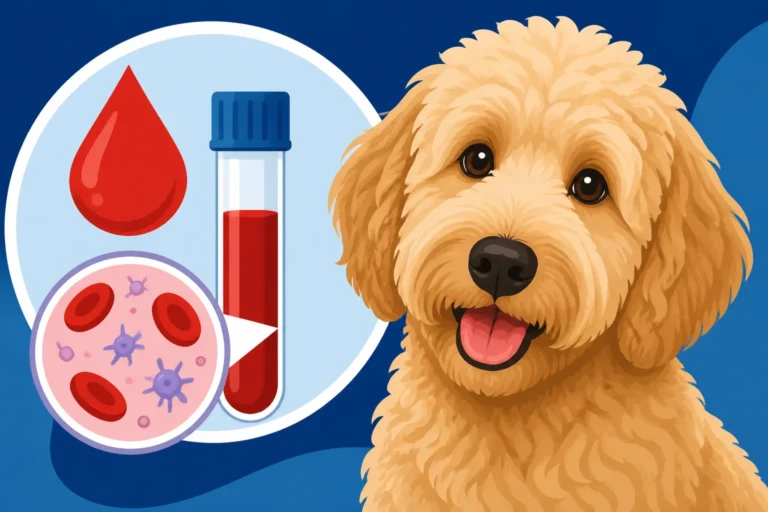
Unlike some single-gene diseases where a simple DNA test can tell you if a dog is clear, a carrier, or affected (like the prcd-PRA Test Both Labradoodle Parents Need for eye health), there isn't a definitive, commercially available DNA test to identify carriers or predict Addison's disease risk with 100% accuracy. This is largely because of its polygenic nature. How Addison's Is Diagnosed in a Labradoodle typically involves blood tests, specifically the ACTH Stimulation Test That Confirms Addison's in a Labradoodle, which confirms the adrenal glands' inability to respond to stress signals. This diagnostic test, however, only identifies affected dogs, not those who carry the predisposing genes but remain healthy themselves. This lack of a clear genetic marker makes the decision not to breed an affected dog even more critical, as it's currently the most direct way to limit the spread of these complex genetic factors.
Making Responsible Breeding Decisions
Without a definitive carrier test, breeders must rely on a combination of family history, careful observation, and a deep commitment to avoiding known risks. If a Labradoodle, or any close relative in its pedigree, has been diagnosed with Addison's, it strongly indicates that breeding that particular dog (or its direct parents) is a high-risk endeavor. The aim should be to select breeding dogs whose lines are free from documented cases of Addison's for several generations. This might mean making tough choices and removing an otherwise excellent dog from a breeding program.
Here's a table summarizing responsible breeding considerations for Addison's:
| Factor | Recommendation | Rationale |
|---|---|---|
| Diagnosed Dog | Do NOT breed. | Directly passes on affected genes; increases incidence in offspring. |
| Parent of Affected Dog | Do NOT breed. | Likely carriers of predisposing genes; high risk of passing them on. |
| Sibling of Affected Dog | Consider carefully, ideally avoid. | Increased probability of carrying same genetic predispositions. |
| Known Relatives Affected | Research pedigree thoroughly; seek lines with no known history. | Minimize the introduction of risk factors into breeding program. |
| Genetic Testing (if available) | Utilize any future tests to identify carriers. | Proactive step to eliminate disease from future generations. |
| Transparency | Be open with puppy buyers about family health history. | Builds trust and ensures informed decisions by new owners. |
It's also worth noting that some discussions exist around whether an F1 Labradoodle Is Less Likely to Get Addison's due to hybrid vigor. While hybrid vigor can reduce the incidence of some single-gene recessive diseases, it doesn't eliminate polygenic predispositions entirely, and Addison's can still occur in F1 crosses if the parent breeds carry the genes.
Support and Resources for Owners
For those who already own a Labradoodle with Addison's, there's a strong community of support available. Online forums, breed-specific groups, and veterinary specialists can provide invaluable advice and emotional support. Learning to manage Monthly Injections for an Addisonian Labradoodle, understanding dietary needs, and being prepared for emergencies like an Addisonian Crisis Costs Overnight are all part of the journey. Don't feel alone; many owners navigate this path successfully, and their dogs can lead full, happy lives with proper care. These communities often share insights into the newest research or management techniques, which can be incredibly empowering.
Life with an Addisonian Labradoodle and Its Broader Implications
A diagnosis of Addison's disease doesn't mean the end of a happy life for your Labradoodle. In fact, with diligent care, many Addisonian dogs thrive. However, it does underscore the importance of responsible breeding practices and careful financial planning for pet ownership.
Managing Addison's Disease in a Pet
If your Labradoodle is diagnosed with Addison's, the good news is that it’s a manageable condition, though it does require a lifelong commitment. The cornerstone of treatment involves replacing the missing hormones. This typically means daily oral corticosteroid medication (like prednisone) and often monthly injections of desoxycorticosterone pivalate (DOCP) to replace mineralocorticoids. Your vet will work closely with you to find the right balance, as dosage adjustments might be needed, especially during times of stress. It’s important to understand that your dog will require regular vet check-ups and blood work to monitor electrolyte levels and ensure the medication is effective. While it sounds like a lot, the vast majority of owners quickly get into a routine, and their dogs rebound beautifully, showing that an Addisonian Labradoodle Can Live Normally and enjoy a good quality of life. Owners should always have an emergency plan in place, knowing Whether an Addisonian Labradoodle Needs an Emergency Plan, especially for unexpected "crashes" or highly stressful situations.
The Role of Pet Insurance
Let's be realistic: managing a chronic condition like Addison's disease can be expensive. From initial diagnostic tests like the ACTH stimulation test to ongoing medication and emergency care, the costs can add up quickly. This is where pet insurance can be an absolute lifesaver. Many responsible pet owners choose to enroll their Labradoodles in comprehensive plans early on, before any conditions manifest. Companies like Healthy Paws are known for their strong coverage, which often includes chronic conditions once the waiting period is met and if the condition wasn't pre-existing. Having a robust pet insurance policy, such as one from Healthy Paws, can alleviate a significant portion of the financial stress, allowing you to focus on your Labradoodle's care without worrying about every vet bill. A good plan from providers like Healthy Paws ensures that you can pursue the best possible treatment without financial hesitation.
Advocating for Healthier Breeding Practices
Beyond personal decisions, every Labradoodle owner can play a role in promoting healthier breeding practices. Ask prospective breeders detailed questions about the health history of their breeding dogs and their lines, not just for Addison's but for all known genetic conditions in Labradoodles. A reputable breeder will be transparent and eager to discuss their health testing protocols and how they handle any health issues that arise in their lines. They should be able to provide clear documentation for hip and elbow clearances, eye certifications, and DNA tests for conditions like Exercise Induced Collapse and Progressive Retinal Atrophy. If a breeder is vague or dismissive about health concerns, it's a red flag. By choosing to support ethical breeders, you’re not just getting a puppy; you're contributing to a brighter, healthier future for the entire Labradoodle breed.
Disclaimer
This article is intended for informational purposes only and does not constitute veterinary advice. Always consult with a qualified veterinarian for any health concerns or before making any decisions related to your Labradoodle's care or breeding.