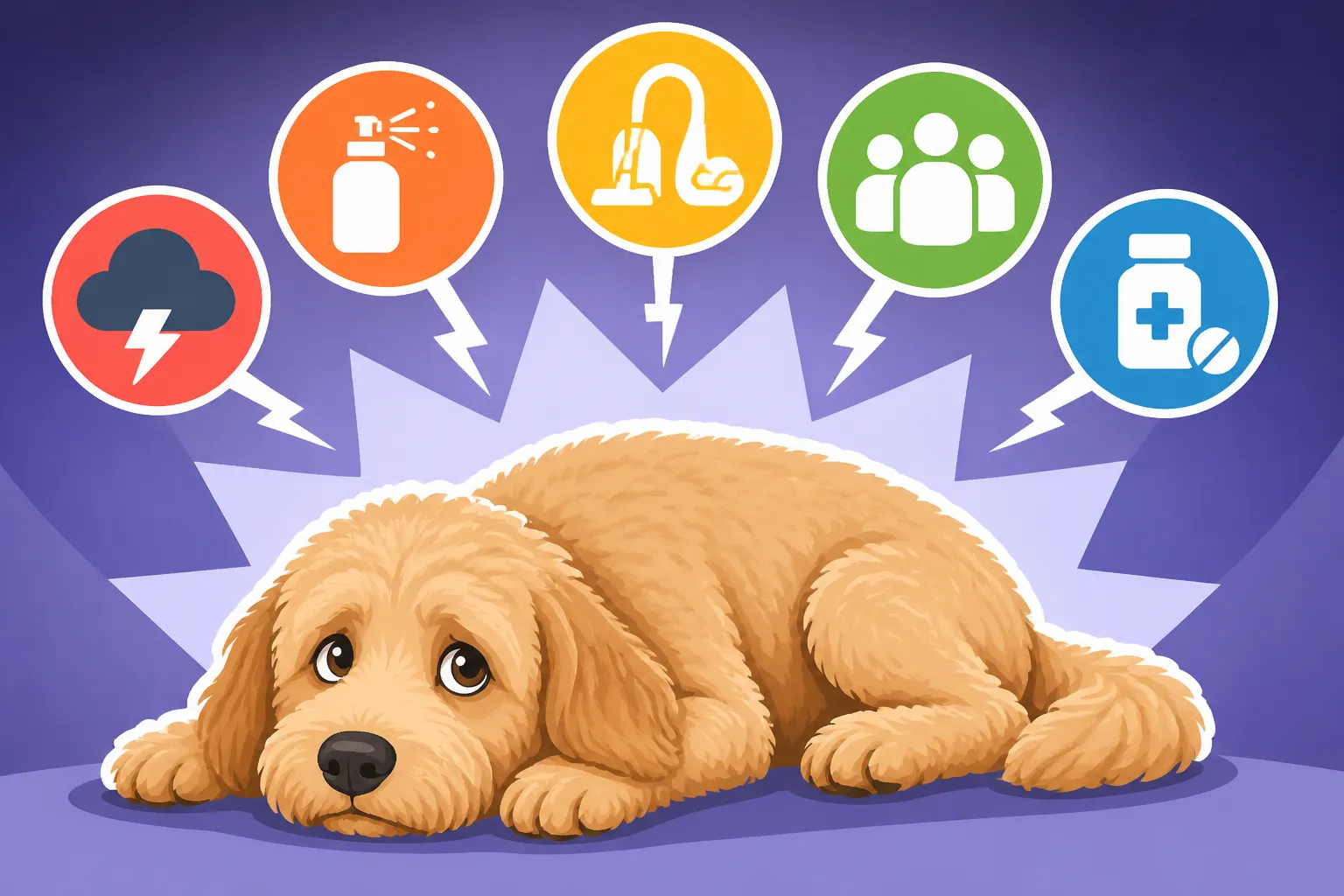
What Triggers a Labradoodle’s Collapse Episode
It’s incredibly distressing to witness your beloved Labradoodle suddenly lose coordination or even collapse during what seems like a normal day. This frightening experience leaves many owners wondering what went wrong, if it will happen again, and most importantly, how to prevent it. This comprehensive guide will delve deep into the common triggers behind collapse episodes in Labradoodles, particularly focusing on Exercise-Induced Collapse (EIC), and provide actionable strategies to manage and prevent these occurrences, ensuring your furry friend lives a long and happy life.
Understanding Exercise-Induced Collapse (EIC) in Labradoodles
When your active Labradoodle, full of zest and energy, suddenly starts to falter, it's natural to panic. One of the most common reasons for such an episode in this breed is Exercise-Induced Collapse, or EIC. It's a condition that affects many retrieving breeds, and because Labradoodles have that strong Labrador heritage, they can be susceptible. It's not a sign of weakness or poor conditioning; rather, it's a specific physiological response to certain types of activity.
What EIC Looks Like
An EIC episode typically begins after 5-20 minutes of intense activity. You might first notice a subtle change in your dog's gait. Perhaps their hind legs seem a bit wobbly, or they might start dragging their rear paws. This can quickly progress to a complete loss of coordination in the hind limbs, causing them to stumble or even fall. In some cases, the weakness can extend to all four limbs, leading to a full-body collapse.
It's crucial to understand that during an EIC episode, your Labradoodle usually remains mentally aware and alert. They might look at you, their eyes clear, but their body just isn't cooperating. Their muscles will often feel stiff and rigid, particularly in the hindquarters. The good news is that most dogs recover completely within 5-30 minutes of rest. However, this doesn't diminish the alarm it causes, and it’s important to know What a Labradoodle Collapse Episode Looks Like in detail so you can differentiate it from other issues.
The Genetic Link
The root cause of EIC in Labradoodles, and indeed in many other breeds like Labradors and Chesapeake Bay Retrievers, is a genetic mutation in the DNM1 gene. This particular gene plays a vital role in nerve signal transmission, especially during periods of high excitement or intense physical exertion. When there's a mutation, this transmission can become faulty, leading to the temporary muscle weakness and collapse.
It's an autosomal recessive trait, which means a Labradoodle must inherit two copies of the mutated gene (one from each parent) to be affected by EIC. If they inherit one copy, they are considered a carrier. Carriers won't typically show symptoms of EIC themselves, but they can pass the gene on to their offspring. This is why responsible breeders emphasize genetic testing, and it's essential to understand The DNM1 Mutation Behind Labradoodle Collapse if you're concerned about your dog or looking to breed. Thankfully, a simple DNA test can clear a Labradoodle of EIC, providing peace of mind.
How EIC Differs from Other Conditions
It’s easy to confuse an EIC episode with other serious health problems, especially when your dog collapses. However, there are key distinctions. For instance, heatstroke is a life-threatening emergency caused by overheating. Dogs with heatstroke will often pant excessively, have bright red gums, appear confused or disoriented, and their body temperature will be dangerously high. They might also vomit or have diarrhea. Unlike EIC, heatstroke does not typically involve stiffness in the limbs but rather a more generalized weakness and lethargy. Learning Telling EIC From Heatstroke in a Labradoodle is critical, as the emergency response for each is very different.
Another condition sometimes confused with EIC is hypoglycemia (low blood sugar). This is more common in very young puppies or dogs with specific metabolic disorders, and they might appear weak, disoriented, or even have seizures. However, unlike EIC, hypoglycemia isn't usually tied directly to exercise and often comes with other systemic signs. Heart conditions can also cause collapse, but these are typically accompanied by coughing, difficulty breathing, or a history of fainting episodes, and often occur with less strenuous activity. If you're ever unsure, always err on the side of caution and consult your veterinarian immediately.
Common Triggers for Collapse Episodes
While the underlying cause of EIC is genetic, certain activities and environmental conditions act as direct triggers, bringing on an episode in affected Labradoodles. It's like having a specific "switch" that, once flipped, initiates the temporary physiological cascade leading to collapse. Recognizing these triggers is the first step in effective management.
High-Intensity Exercise
This is, by far, the most common and well-documented trigger for EIC. Not all exercise is problematic; it's usually the type and intensity of activity that matters. Labradoodles, thanks to their Labrador parentage, often have a strong retrieve drive and can push themselves to the limit without appearing to tire.
Activities that commonly trigger EIC include:
- Repetitive fetching: Throwing a ball or frisbee over and over, especially in quick succession, can be a major culprit. The stop-and-start motion combined with the high-speed bursts taxes the muscles and nervous system quickly.
- Intense field work or hunting: Similar to repetitive fetching, these activities involve sustained high-energy output, often with significant excitement.
- Swimming for extended periods: While swimming is generally great for joints, strenuous swimming for longer durations can also be a trigger, especially if the dog is constantly retrieving in the water.
- Running with other dogs: The competitive drive to keep up, combined with the bursts of speed and quick changes in direction, makes this a high-risk activity. Your Labradoodle might be so engrossed in play that they override their body's signals until it's too late.
It’s important to remember that the specific threshold varies for each dog. What might trigger one Labradoodle's collapse episode might not affect another with EIC. This is why careful observation and understanding your dog’s limits are key when Exercising a Labradoodle That Carries EIC.
Excitement and Stress
Interestingly, EIC isn't purely about physical exertion. The emotional state of your Labradoodle plays a significant role. High levels of excitement or stress can exacerbate the effects of physical activity and lower the threshold for a collapse episode. Think of it this way: the same activity that might be fine on a calm, uneventful walk could trigger an episode if your dog is highly stimulated.
Consider these scenarios:
- Anticipation of play: Just the sight of a retrieve toy or getting ready for a walk with a friend's dog can ramp up their excitement levels. By the time they even start the activity, their system is already primed for a potential issue.
- Competitive environments: Participating in dog sports, even if the physical demands aren't extreme, can lead to intense excitement. The adrenaline and mental focus can contribute to an episode.
- Unfamiliar situations: A new park with lots of new smells and dogs, or a stressful vet visit followed by a short burst of play, could be more problematic than usual.
It's the combination of both physical exertion and a heightened emotional state that makes these situations particularly risky for EIC-affected Labradoodles. The nervous system, already under strain from the exercise, becomes even more overwhelmed by the rush of excitement.
Environmental Factors
The environment in which your Labradoodle exercises can significantly influence the likelihood of a collapse episode. Ignoring these factors can inadvertently set your dog up for trouble, even if the activity itself isn't exceptionally intense.
Key environmental considerations include:
- Temperature: While EIC is distinct from heatstroke, exercising in warm or hot weather can increase body temperature and place additional stress on your dog's system, potentially making an EIC episode more likely or more severe. The body has to work harder to cool itself, using up more energy reserves.
- Humidity: High humidity makes it harder for dogs to cool down through panting, compounding the effects of heat. A warm, humid day is much riskier than a warm, dry day for an EIC-affected Labradoodle.
- Terrain: Running on uneven, challenging terrain like deep sand, thick snow, or hilly ground requires more effort and muscle engagement than running on flat, even surfaces. This increased physical demand can contribute to an episode. For instance, a long session of retrieving bumpers from deep water or running through heavy underbrush might be more taxing than a simple jog on a leash.
- Duration and lack of breaks: Continuous, prolonged activity without adequate rest periods is a major trigger. Even if the intensity isn't always peak, sustained effort wears down the system.
Paying close attention to these environmental factors, in conjunction with managing exercise intensity and excitement, is crucial for preventing EIC episodes.
Managing and Preventing Collapse Episodes
Living with a Labradoodle prone to EIC, or even a carrier, requires a proactive approach to management. It's not about stopping them from being a dog, but rather about learning to work within their physiological limits and adapting your routines to keep them safe and happy. The goal is to prevent those scary collapse episodes while still allowing them to enjoy an active life.
Identifying Individual Triggers
Because every Labradoodle is unique, even among those affected by EIC, their specific triggers and thresholds can vary. This means you need to become a keen observer of your own dog's behavior and responses.
- Keep a detailed log: Start by documenting every activity, the environmental conditions (temperature, humidity), your dog's excitement level, and any signs of weakness or an actual collapse episode. Note the duration of the activity before onset and the recovery time. Over time, you’ll start to see patterns. Does it only happen after 15 minutes of non-stop fetch? Is it worse on warmer days?
- Pay attention to early signs: Before a full collapse, many Labradoodles will show subtle signs, such as a slight unsteadiness in their hindquarters, a loss of tail wag, or a generally "tired" look in their eyes despite having just started playing. Learning to recognize these early warnings allows you to intervene before a full collapse occurs.
- Experiment cautiously: Once you have a baseline, you can carefully and gradually experiment with different types of exercise, durations, and environments. Always do this with caution, in a safe area, and with an immediate plan to stop and rest if any signs appear. Never push your dog to collapse to find their limit.
Understanding your individual dog's specific triggers is the cornerstone of effective EIC management.
Modifying Exercise Routines
The key to exercising a Labradoodle with EIC is modification, not elimination. These dogs still need physical and mental stimulation, but it needs to be tailored to their condition.
- Short bursts and frequent breaks: Instead of one long, intense fetching session, try several shorter ones throughout the day, interspersed with plenty of rest time. For example, 5 minutes of fetch, 10 minutes of walking on a leash, 5 more minutes of fetch.
- Prioritize lower-impact activities: Activities like brisk walking, jogging on a leash (as opposed to off-leash sprinting), or even mental stimulation games can be excellent alternatives. If your Labradoodle loves to retrieve, consider using a flirt pole for controlled bursts or hiding toys for them to sniff out rather than endless throwing.
- Avoid high-intensity and repetitive movements: As discussed, prolonged fetching, competitive running with other dogs, or long sessions of strenuous swimming are often the biggest culprits. While some controlled swimming might be fine, keep an eye on their energy levels.
- Manage excitement: If your dog gets extremely excited by certain toys or activities, try to temper that excitement before and during play. Keep training sessions positive but calm. Work on impulse control exercises.
Remember that The Age Exercise Induced Collapse First Shows in a Labradoodle is usually during their first year, so establishing safe exercise habits early is vital for puppies and young adults.
Lifestyle Adjustments and Veterinary Care
Beyond exercise, a holistic approach to your Labradoodle's care can help manage EIC. Regular veterinary oversight is paramount, and proactive financial planning can alleviate stress during health challenges.
- Diet and hydration: Ensure your Labradoodle is on a high-quality, balanced diet appropriate for their age and activity level. While specific diets don't cure EIC, good nutrition supports overall health and energy. Always have fresh water available, especially during and after any activity, to prevent dehydration, which can worsen EIC symptoms or be confused with them.
- Weight management: Keeping your Labradoodle at a healthy weight reduces the strain on their joints and cardiovascular system, making any physical activity less taxing. Obesity can exacerbate many health issues, including those that might mimic or worsen EIC episodes. Remember, The Weight a Labradoodle Should Hold is important for their overall health and lifespan.
- Regular veterinary check-ups: Even if your dog has been diagnosed with EIC, regular vet visits are crucial to monitor their overall health and rule out other potential causes of weakness or collapse. Your vet can help you fine-tune your management plan and address any new symptoms. They might recommend The Yearly Screening a Labradoodle Should Get to catch other issues early.
- Pet insurance: Dealing with unexpected health issues like EIC can lead to significant vet bills, especially if emergency care is needed or if other conditions are being ruled out. Pet insurance can be a real lifesaver here. Companies like Healthy Paws offer comprehensive coverage that can help cover the costs of diagnostics, emergency treatments, and ongoing management for conditions that aren't pre-existing. Having a policy from a reputable provider like Healthy Paws can give you peace of mind, knowing you can provide the best care without financial strain. It's always a good idea to research plans like those offered by Healthy Paws early in your Labradoodle's life.
Emergency Protocol
Despite your best efforts, a collapse episode might still occur. Knowing how to respond calmly and effectively is crucial for your Labradoodle's safety and well-being.
- Stop activity immediately: The moment you see any sign of weakness or incoordination, stop all activity. Do not try to force your dog to continue or "walk it off."
- Move to a cool, quiet place: If possible, gently guide or carry your dog to a shaded, cool, and calm spot. Avoid any further excitement or stimulation.
- Offer water: Once they are settled and calm, offer a small amount of cool, fresh water. Do not force them to drink.
- Monitor and observe: Stay with your dog and observe them closely. Note the duration of the episode, how quickly they recover, and if they experience any other symptoms. As mentioned earlier, Labradoodles with EIC typically remain mentally alert during an episode.
- Contact your vet if recovery is slow or symptoms are unusual: While most EIC episodes resolve within 5-30 minutes, if your dog's recovery is significantly longer, they seem disoriented, or they exhibit other concerning symptoms like excessive panting, drooling, or loss of consciousness, contact your veterinarian immediately. It could be something other than EIC, or a more severe presentation.
Living with an EIC-Affected Labradoodle
Having a Labradoodle with EIC might sound daunting, but it doesn't mean a diminished life for your dog. With understanding, careful management, and a strong partnership with your vet, these dogs can still enjoy rich, fulfilling lives.
Quality of Life and Prognosis
The good news is that EIC is not typically a progressive or painful condition. With proper management of triggers, most affected Labradoodles can maintain an excellent quality of life. They can still enjoy walks, play, and interact with their families; it just needs to be approached thoughtfully. The key is to shift from uncontrolled bursts of high-intensity play to more structured, moderate activities.
There's no cure for EIC, but it is entirely manageable. The prognosis for dogs with EIC is generally very good, provided owners are diligent in avoiding triggers. Most Labradoodles with EIC will not have a shortened lifespan due to the condition itself. They can still live The Twelve to Fifteen Years a Labradoodle Lives without significant complications from EIC. However, it does require a commitment to understanding and adapting to their needs. You’ll be their advocate, ensuring their safety and well-being in all situations. Even What a Labradoodle Owner Should Watch For After Eight in terms of aging often has more to do with other common senior dog ailments than EIC.
Breeding Considerations
For those considering breeding Labradoodles, EIC carries significant implications. Because it's a known genetic condition, responsible breeding practices are absolutely essential to prevent passing it on.
- Genetic testing for all breeding dogs: Any Labradoodle intended for breeding should be tested for the DNM1 mutation. Reputable breeders will always provide clear documentation of these health clearances.
- Avoiding breeding affected dogs: Labradoodles that are affected by EIC (carry two copies of the mutated gene and show symptoms) should never be bred.
- Careful breeding with carriers: If a Labradoodle is a carrier (has one copy of the mutated gene), they can potentially be bred, but only if they are mated with a dog that has been tested and confirmed clear of the EIC gene. This ensures that no puppies will be affected by the disease, though some may still be carriers. Whether two carrier parents are a problem in Labradoodles is a definite 'yes' if the goal is to avoid producing affected puppies.
By adhering to these guidelines, breeders can significantly reduce the incidence of EIC in future generations of Labradoodles, benefiting the breed as a whole. Knowing Whether Health Tested Parents Add Years to a Labradoodle extends beyond EIC to many other potential hereditary conditions.
Here's a quick summary of common EIC triggers and prevention tips:
| Trigger Type | Specific Triggers (Examples) | Prevention/Management Strategies |
|---|---|---|
| High-Intensity Exercise | Repetitive fetching, long sprints, strenuous swimming, competitive play | Short, frequent play sessions; incorporate leash walks; use flirt poles; avoid over-exertion |
| Excitement & Stress | Anticipation of play, competitive environments, unfamiliar situations | Keep play calm; work on impulse control; introduce new environments slowly; manage arousal |
| Environmental Factors | Warm/hot weather, high humidity, uneven/deep terrain, no rest breaks | Exercise during cooler parts of the day; ensure shade & water; choose flat terrain; enforce regular rest |
Disclaimer
This article is for general informational purposes only and does not constitute professional advice. Laws, prices and regulations vary by location and change over time. Consult a qualified professional for guidance on your specific situation.