Telling Cushing’s From Addison’s in a Labradoodle
It can be incredibly confusing and worrying when your beloved Labradoodle starts showing subtle, non-specific symptoms that could point to one of several serious health issues. Often, these signs creep up slowly, leaving you wondering if it's just old age, a dietary change, or something more profound. Among the trickiest conditions to pinpoint are Cushing's disease and Addison's disease, two hormonal imbalances that, despite being almost polar opposites, can present with remarkably similar initial complaints in Labradoodles. This guide is here to help you understand the critical differences, typical symptoms, and diagnostic approaches for both, empowering you to work effectively with your vet to get your furry friend the right help.
Understanding Cushing's Disease in Labradoodles: What to Look For
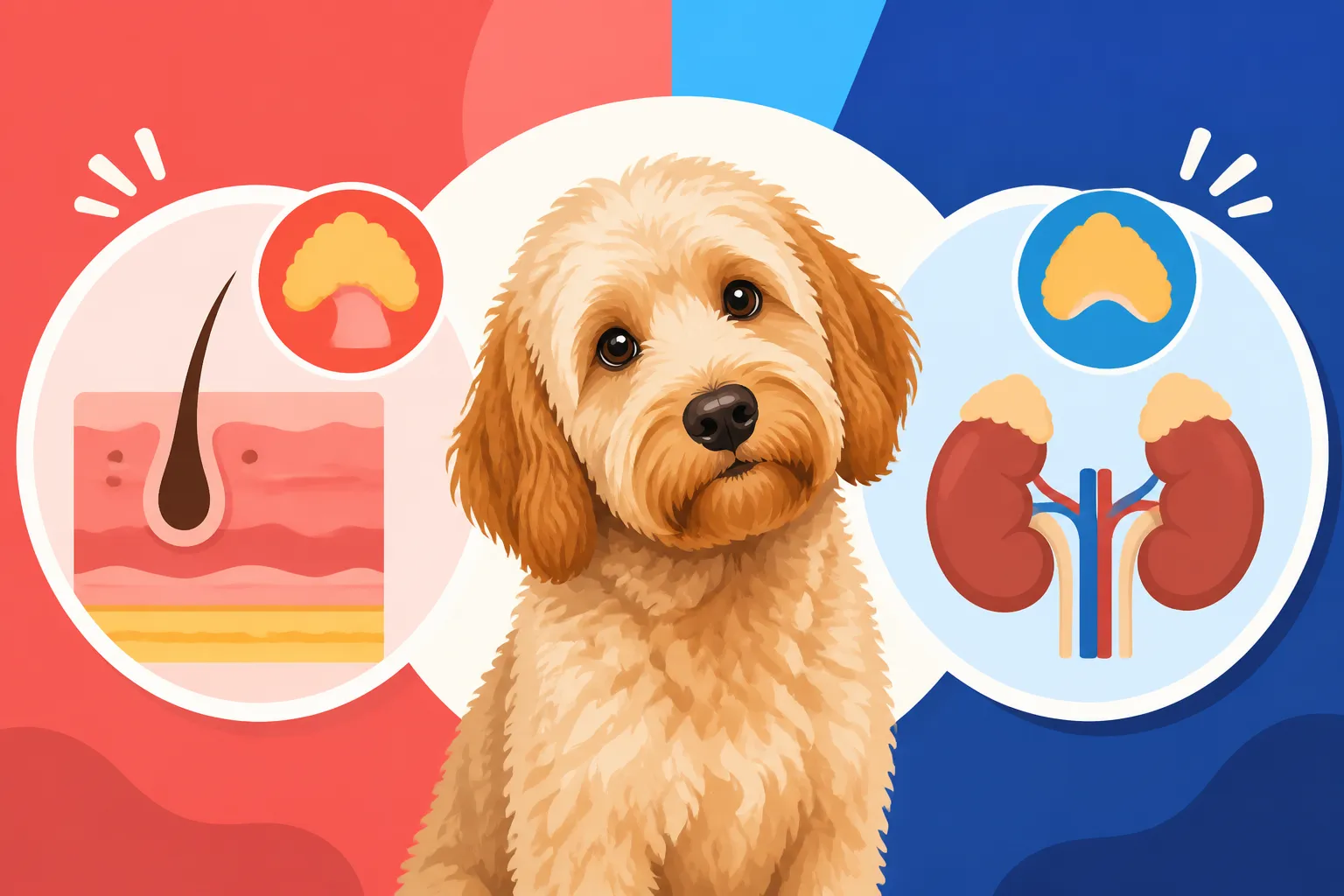
Cushing's disease, medically known as hyperadrenocorticism, is essentially a condition where your Labradoodle's body produces too much cortisol, often referred to as the "stress hormone." Think of cortisol as the body's natural steroid, vital for regulating metabolism, immune response, and helping the body respond to stress. When there's an excess, however, it can wreak havoc on various bodily systems. This overproduction usually stems from a small tumor on the pituitary gland in the brain (pituitary-dependent Cushing's, which is the most common type), or less frequently, a tumor on one of the adrenal glands, which sit near the kidneys.
The insidious nature of Cushing's means symptoms often develop gradually, and because they can mimic signs of aging or other common ailments, they're easily dismissed at first. You might notice your energetic Labradoodle becoming a bit more of a couch potato, or perhaps they're drinking water like there's no tomorrow and needing to go out to pee constantly. This increased thirst and urination (polydipsia and polyuria) is one of the classic signs, often the first one owners pick up on. It's not just a little more water; it's a dramatic, noticeable increase.
Another tell-tale sign is a change in your Labradoodle's appearance. You might see a pot-bellied appearance, almost like they've swallowed a basketball, even if they aren't actually gaining weight. This is often accompanied by thinning skin and hair loss, especially on the flanks and abdomen, while their head and legs might retain a normal coat. Their beautiful, fluffy Labradoodle coat might become sparse, dull, or even feel brittle. Bruising easily can also be a symptom, as the skin becomes more fragile. Some dogs also develop muscle weakness, leading to difficulty jumping or climbing stairs, and excessive panting, even when at rest or in cool temperatures.
The Subtle Physical Changes
It’s these subtle physical transformations that can sometimes be the most concerning for owners, especially when they love their Labradoodle's gorgeous coat. The hair loss isn't typically itchy in Cushing's, which differentiates it from many skin allergies. Instead, it's more symmetrical and diffuse, often sparing the head and limbs. You might also notice dark spots or discoloration on their skin, which is due to hyperpigmentation.
The pot-bellied appearance, which is quite characteristic, isn't always about fat gain. It's often due to the weakening of abdominal muscles and redistribution of fat, combined with an enlarged liver, all consequences of chronic cortisol excess. This can make an otherwise active dog look quite out of shape, and you might find yourself wondering if The Weight a Labradoodle Puts On Without Anyone Noticing is the cause, when in fact, it's a symptom of something more complex.
Behavioral Shifts and Other Concerns
Beyond the physical, Cushing's can also lead to noticeable changes in behavior. An increased appetite is common, with your Labradoodle acting perpetually hungry, scavenging for food, or becoming more demanding around mealtimes. This can be frustrating when you're already feeding them appropriately, and they're still acting ravenous. They might seem more lethargic, less interested in playtime, or generally just "off."
In some cases, Cushing's can lead to more serious complications if left untreated, such as an increased risk of infections, diabetes mellitus (as the excess cortisol can interfere with insulin function), or even blood clots. That's why recognizing these early, often vague signs is so crucial. Getting a proper diagnosis and starting treatment can significantly improve your Labradoodle's quality of life and potentially prevent these secondary issues.
Unraveling Addison's Disease in Labradoodles: The Great Mimicker
Addison's disease, or hypoadrenocorticism, is the exact opposite of Cushing's: it occurs when your Labradoodle's adrenal glands don't produce enough cortisol and, often, aldosterone. Aldosterone is another vital hormone that helps regulate electrolytes like sodium and potassium, which are crucial for maintaining blood pressure and fluid balance. Without these hormones, the body's systems struggle to function correctly, leading to a cascade of problems. This condition is sometimes called the "great imitator" because its symptoms are so non-specific and can wax and wane, mimicking a host of other illnesses. The Poodle side of a Labradoodle's heritage makes them genetically more predisposed to this condition than many other breeds.
Unlike Cushing's, where symptoms often progress slowly over months or years, Addison's can strike suddenly and severely, leading to an "Addisonian crisis," which is a life-threatening emergency. However, it more commonly starts with intermittent, vague symptoms that come and go, making it incredibly challenging to diagnose in its early stages. You might notice your Labradoodle having periods of lethargy, decreased appetite, vomiting, and diarrhea. These episodes can last for days or weeks, then resolve on their own, only to return later, leaving owners baffled.
The vomiting and diarrhea are often persistent and unresponsive to typical treatments, which is a key red flag. Your Labradoodle might also seem generally weak, shaky, or just not themselves. They may experience periods of extreme depression or appear withdrawn. Weight loss is also common, especially if they're frequently vomiting or refusing to eat.
The Vague and Intermittent Nature of Symptoms
The frustrating thing about Addison's is that there's no single, definitive "Addison's look" like the pot-belly of Cushing's. Instead, it’s a collection of general malaise. Many owners report that their Labradoodle just seems "off," sometimes for weeks or months, before a crisis hits. You might think it's just a sensitive stomach or a passing bug. The symptoms, like those mentioned in The Vague Signs of Addison's in a Labradoodle, often appear to resolve on their own, giving a false sense of security.
Another significant sign to watch for, though it's not always present in every case, is increased thirst and urination, similar to Cushing's, but typically less pronounced. However, the type of weakness can differ; Addisonian dogs often have a more profound, almost collapsed weakness, especially during an crisis, along with muscle tremors or a slow heart rate. Sometimes, you might notice shivering or a dull, listless demeanor.
The Addisonian Crisis: A Critical Emergency
The true danger of Addison's disease lies in the Addisonian crisis. This is an acute, severe worsening of symptoms caused by extreme electrolyte imbalances and dangerously low blood pressure. During a crisis, your Labradoodle might collapse, go into shock, have severe vomiting and diarrhea, and exhibit extreme weakness. Their gums might appear pale, and their heart rate could be very slow or irregular. This is a veterinary emergency that requires immediate hospitalization and aggressive treatment with intravenous fluids and steroids to stabilize them.
It's vital for Labradoodle owners to be aware of the possibility of this sudden collapse, especially given the breed's Poodle lineage. If your dog exhibits a sudden, unexplained collapse or severe, persistent gastrointestinal upset, do not hesitate to seek emergency veterinary care. Quick action can literally save their life. While Life on Daily Medication for an Addisonian Labradoodle is manageable, surviving an Addisonian crisis is the first hurdle.
Key Differences in Symptoms and Diagnosis for Your Labradoodle
Distinguishing between Cushing's and Addison's disease in a Labradoodle can be incredibly difficult, even for experienced veterinarians, based on symptoms alone. Both conditions can involve lethargy, gastrointestinal upset, and changes in thirst and urination. However, there are some subtle differences in presentation, and the diagnostic tests are distinct and crucial.
One of the most defining characteristics of Cushing's is that it often presents with specific physical changes like the pot-bellied appearance, symmetrical hair loss, and fragile skin. These are rarely seen with Addison's. Conversely, the profound, life-threatening collapse and severe electrolyte imbalances (especially high potassium and low sodium) are hallmarks of an Addisonian crisis, which are not typically associated with Cushing's. While both can cause increased thirst and urination, it tends to be more severe and persistent in Cushing's.
Consider this table for a quick comparison of typical presentations:
| Feature | Cushing's Disease (Hyperadrenocorticism) | Addison's Disease (Hypoadrenocorticism) |
|---|---|---|
| Cortisol Level | Too High (Excessive) | Too Low (Insufficient) |
| Onset of Symptoms | Gradual, insidious, often over months to years | Vague, intermittent, waxing and waning; can be sudden/acute |
| Common Physical Signs | Pot-bellied appearance, symmetrical hair loss, thin skin, panting | Weight loss, muscle weakness/shaking, collapse (crisis) |
| Thirst/Urination | Markedly increased (Polydipsia/Polyuria) | Can be increased, but often less severe; more profound dehydration in crisis |
| Appetite | Increased, ravenous | Decreased, anorexia |
| Gastrointestinal | Less common, occasionally mild diarrhea | Frequent vomiting, diarrhea (often severe in crisis) |
| Energy Level | Lethargy, decreased activity | Lethargy, depression, profound weakness, collapse |
| Electrolyte Imbalance | Not typically primary, can have high blood sugar | Critical: High Potassium, Low Sodium (especially in crisis) |
| Emergency Risk | Complications like diabetes, infections; rarely acute crisis | Addisonian Crisis (life-threatening collapse) |
Diagnostic Tests: The Unmistakable Clues
Because symptoms are so tricky, definitive diagnosis relies heavily on specialized blood tests that measure adrenal gland function.
For Cushing's disease, the primary screening tests include the low-dose dexamethasone suppression test or the ACTH stimulation test.
- The low-dose dexamethasone suppression test involves giving a small dose of dexamethasone (a synthetic steroid) and then measuring cortisol levels at specific intervals (usually 4 and 8 hours later). In a healthy dog, cortisol production should be suppressed. In a Labradoodle with Cushing's, the cortisol levels remain high.
- The ACTH stimulation test is also used, particularly for diagnosing adrenal-dependent Cushing's, although it can detect pituitary-dependent cases too. It involves measuring a baseline cortisol level, administering a synthetic form of ACTH (adrenocorticotropic hormone), and then measuring cortisol again an hour later. In dogs with Cushing's, the adrenal glands overreact to the ACTH, producing a significantly elevated cortisol response.
For Addison's disease, the ACTH stimulation test is the gold standard, as highlighted in The ACTH Test That Confirms Addison's in a Labradoodle.
- This test works by measuring baseline cortisol levels, administering ACTH, and then measuring cortisol levels again an hour later. In a Labradoodle with Addison's, the adrenal glands are unable to respond to the ACTH, meaning both the baseline and post-stimulation cortisol levels will be abnormally low, or even undetectable. This lack of response is definitive for Addison's.
- Additionally, routine blood work for an Addisonian Labradoodle often reveals critical electrolyte imbalances, particularly very high potassium and very low sodium, sometimes accompanied by elevated kidney values, which are key indicators that raise suspicion for the disease.
It's essential to understand that these tests are not quick and simple screenings. They often require a specific protocol, involve multiple blood draws, and can be stressful for both you and your dog. But they are invaluable in getting a precise diagnosis, which is the only way to ensure the correct life-saving treatment.
Managing Both Conditions and What to Expect
Once your Labradoodle receives a definitive diagnosis for either Cushing's or Addison's, the good news is that both conditions are manageable, though they require lifelong commitment to medication and regular veterinary check-ups. The treatments are entirely different, underscoring the importance of accurate diagnosis.
Living with Cushing's Disease
Managing Cushing's disease usually involves medication aimed at reducing the excessive cortisol production. The most common medication is trilostane, which works by inhibiting an enzyme necessary for cortisol synthesis in the adrenal glands. This medication is typically given once or twice daily. The goal isn't to eliminate cortisol entirely, but to bring it down to a more normal, healthy level.
Regular monitoring is crucial when your Labradoodle is on Cushing's medication. This typically involves ACTH stimulation tests performed periodically, especially in the initial stages of treatment, to ensure the medication dose is correct and that cortisol levels are responding appropriately without dipping too low. It's a delicate balance to strike, and your vet will guide you through this. You'll also be watching for the resolution of symptoms like excessive thirst, appetite, and panting, and hopefully, improvements in their coat and energy levels. While Whether Long Term Steroids Give a Labradoodle Diabetes is a concern for some conditions, the medication for Cushing's is designed to reduce the body's natural steroid, thus helping to manage blood sugar, not raise it.
The prognosis for Labradoodles with Cushing's who receive appropriate treatment is generally good, allowing them to live comfortably for several years after diagnosis. However, it's a chronic condition, and managing it is an ongoing partnership with your veterinary team. Many Labradoodle owners find that having pet insurance, like a comprehensive policy from Healthy Paws, can be incredibly helpful in covering the costs of these lifelong medications and frequent monitoring tests, which can add up significantly over time.
Navigating Addison's Disease
Treatment for Addison's disease involves replacing the hormones your Labradoodle's body isn't producing. For the lack of aldosterone, most dogs receive monthly injections of a medication like desoxycorticosterone pivalate (DOCP), often marketed as Zycortal. This effectively manages the electrolyte balance. For the cortisol deficiency, daily oral corticosteroid medication, such as prednisone, is prescribed, usually at a very low maintenance dose. The dose of prednisone might be increased during times of stress, like surgery, boarding, or travel, because an Addisonian dog cannot produce its own stress response.
Monitoring for Addison's disease primarily involves regular blood tests to check electrolyte levels (sodium and potassium) and to ensure the DOCP injections are maintaining them within a normal range. Your vet will establish a schedule for these checks, especially in the initial months, to fine-tune the medication. With consistent treatment, a Labradoodle with Addison's disease can live a completely normal and full life. It truly is a remarkable transformation once they are properly medicated.
Pet insurance, such as through Healthy Paws, can make a significant difference for Labradoodle families dealing with Addison's. The initial diagnostic costs and emergency treatment for an Addisonian crisis can be substantial, and ongoing monthly injections and daily oral medications represent a significant financial commitment for the lifespan of your dog. Being prepared for these costs is paramount. When considering a Labradoodle, understanding that The Yearly Screening a Labradoodle Should Get includes bloodwork that could hint at these conditions is important.
A Note on Emergencies and Veterinary Partnership
For both conditions, if your Labradoodle experiences a sudden worsening of symptoms or seems to be in distress, always contact your vet immediately. An Addisonian crisis is a clear emergency, but even well-managed Cushing's can have complications. Knowing Whether Anesthesia Is Safe for an Addisonian Labradoodle or understanding risks for a Cushing's patient during other procedures are questions your vet can answer, emphasizing the need for ongoing, open communication.
Remember, you are your Labradoodle's best advocate. Pay close attention to their behavior, appetite, thirst, and energy levels. Keep a detailed log of any symptoms you observe, no matter how minor they seem. This information, combined with your vet's expertise and diagnostic tools, is invaluable in piecing together the puzzle of their health. Don't be afraid to ask questions or seek a second opinion if you're feeling uncertain. Your Labradoodle depends on you, and with careful attention and proper veterinary care, they can continue to live a happy, comfortable life, regardless of whether it's Cushing's or Addison's.
Disclaimer
The information provided in this guide is for general educational purposes only and should not be considered a substitute for professional veterinary advice. Always consult with a qualified veterinarian for any health concerns or before making any decisions related to your Labradoodle's health and treatment.