What Changes in a Labradoodle’s Coat After Ten
Suddenly, your vibrant, bouncy Labradoodle seems to have turned a corner, and it's not just their energy levels that are shifting – their beautiful coat is telling a story too. Many owners find themselves surprised by how much their Labradoodle's coat changes once they reach senior status, often around ten years old. This guide is here to walk you through the typical coat transformations you can expect in your aging Labradoodle and provide practical advice on how to best care for their evolving fur.
The Subtle Shift: Initial Signs of Aging in the Coat
Just like us, our beloved Labradoodles show visible signs of aging, and their magnificent coats are often among the first places we notice these changes. It's not usually an overnight switch, but a gradual process that begins to unfold around the time they enter their senior years, typically after the age of seven or eight, becoming more pronounced by ten. These early signs can be subtle, sometimes leading owners to wonder if they're imagining things, but they are very real indicators of the natural progression of time.
Fading Colors and the Graying Muzzle
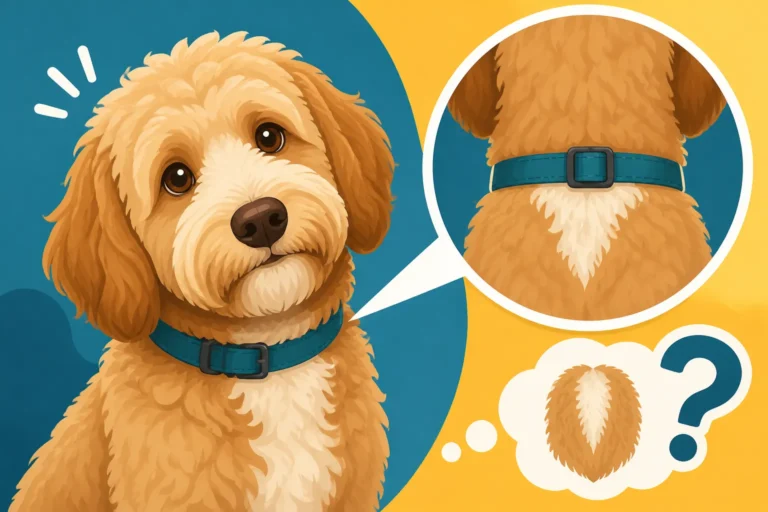
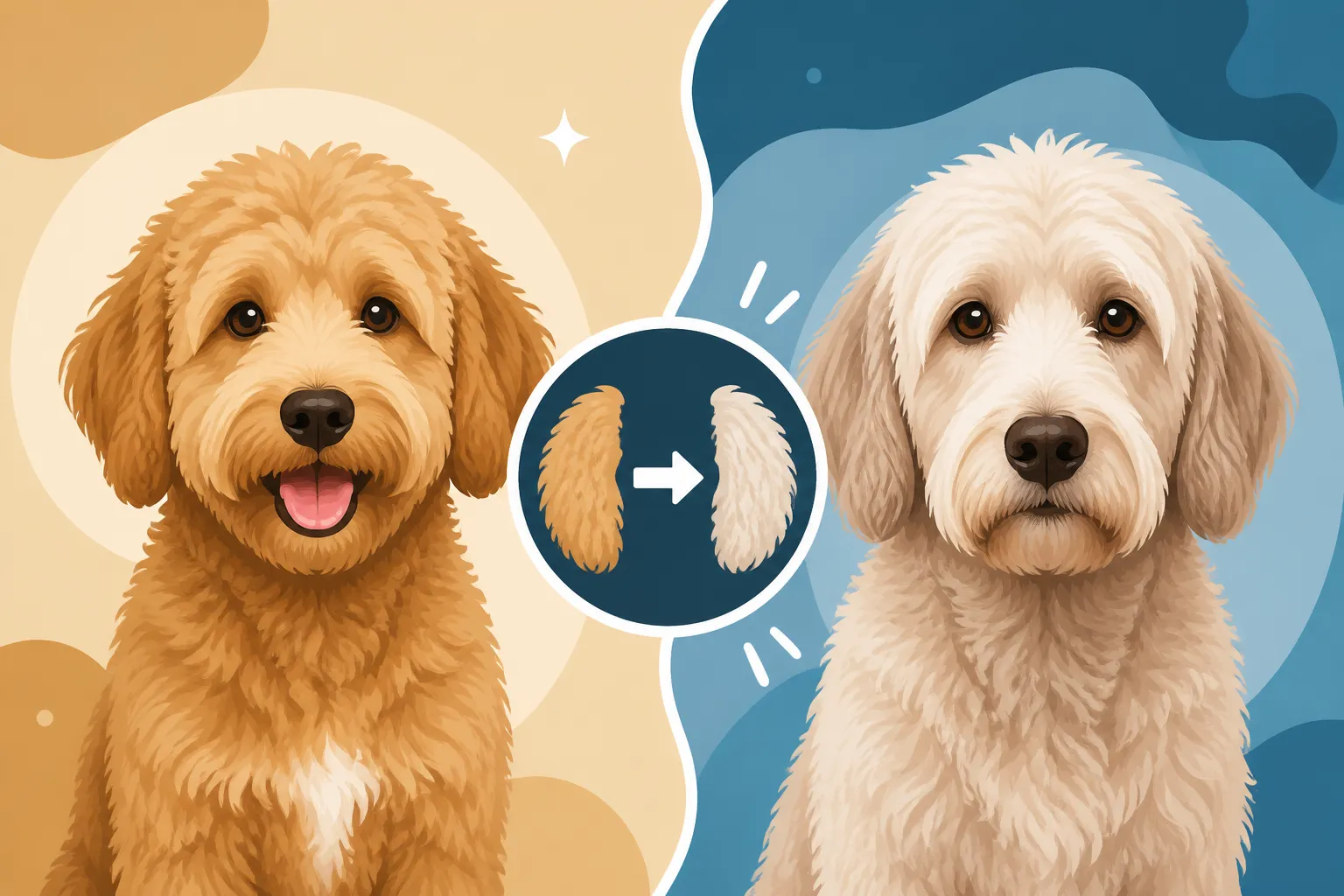
One of the most universally recognized signs of an aging dog is the graying muzzle, and your Labradoodle is no exception. That once vibrant chocolate, apricot, or black muzzle can begin to silver or whiten, often extending around their eyes, chin, and even their paws. This loss of pigment isn't just cosmetic; it's a natural biological process, akin to humans getting gray hair. It's caused by a decrease in melanin production in the hair follicles. For some Labradoodles, this might start earlier, while for others it's a definite marker of reaching those distinguished double-digit years. It’s a gentle reminder of all the wonderful years you’ve shared. Whether a Graying Labradoodle Muzzle Means Anything delves deeper into what this common change signifies.
Changes in Coat Texture and Softness
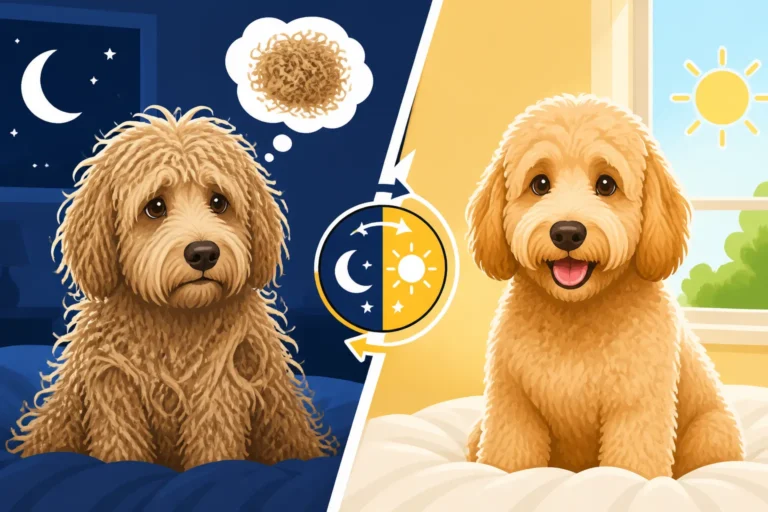
Beyond color, the actual feel of your Labradoodle's coat can undergo a noticeable transformation. While many Labradoodle puppies are known for their incredibly soft, fluffy coats, and adults for their dense fleece or wool, a senior Labradoodle's coat might start to feel different. Some owners report that their dog's coat becomes surprisingly softer and finer, almost like puppy fur again, but often accompanied by a loss of density. Conversely, others notice a distinct coarsening of the hair, making it feel less pliable and sometimes more brittle. These changes can also lead to more frequent matting, as the altered texture can tangle more easily, even with regular brushing. Understanding these shifts is key to adapting your grooming routine to keep them comfortable. What Changes in an Old Labradoodle's Coat provides a broader look at these transformations.
Common Coat Changes: Texture, Thickness, and Color
As your Labradoodle continues to age past ten, these initial subtle shifts tend to become more pronounced, introducing new challenges and considerations for their coat care. It's during this phase that you might really start to see a significant divergence from the coat you knew in their younger years. These changes are largely driven by a combination of genetics, hormonal shifts, and the general slowing down of cellular processes associated with aging.
Thinning Hair and Bald Patches
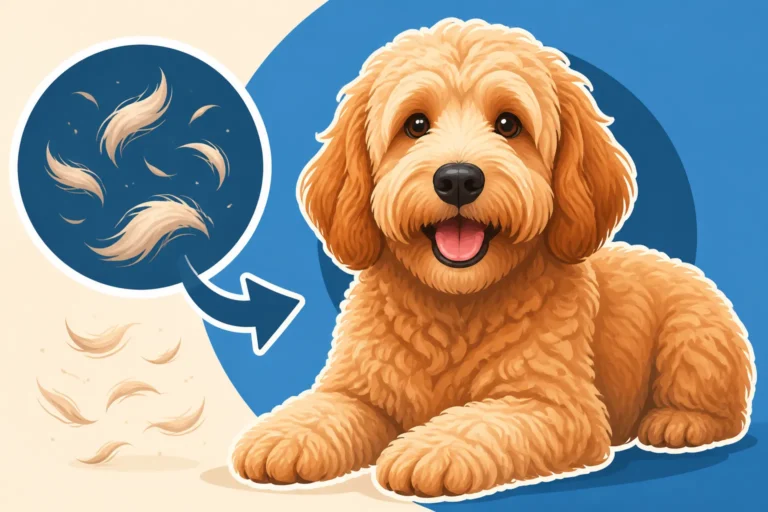
A common complaint among owners of older Labradoodles is a general thinning of the coat, which can manifest as sparser hair across their back, flanks, chest, or even on their belly. In some cases, you might even observe localized bald patches. This isn't necessarily a sign of neglect; rather, it often stems from reduced activity in the hair follicles, which naturally slow down their production cycle as a dog ages. Hormonal changes, which are more common in senior dogs, can also play a significant role. With a thinner coat, your Labradoodle might become more sensitive to temperature extremes, needing extra protection in cold weather or against strong sun. It's important to monitor these areas for any redness or irritation, as the underlying skin is now more exposed.
Increased Matting and Dryness
That change in texture we discussed earlier? It can unfortunately make your Labradoodle’s coat a magnet for mats. A coat that becomes finer or more brittle tends to knot and tangle much more easily, sometimes seemingly overnight. Additionally, senior dogs often experience a decrease in natural oil production from their skin. This leads to a drier coat that can feel rougher and appear dull. Dry skin can also be flaky and itchy, causing your dog to scratch more, which only exacerbates matting. This combination can turn grooming into a much more demanding task. To combat dryness and minimize matting, consider using moisturizing shampoos and conditioners formulated for sensitive skin. You can find excellent options from brands like Chewy or Amazon. Look for products that are sulfate-free and contain ingredients like oatmeal or aloe vera. Mats Behind a Labradoodle's Ears or Detangling Sprays for a Labradoodle might offer additional insights if you're struggling with persistent tangles.
Pigment Changes Beyond Graying
While graying is the most obvious color change, it’s not the only one. Many Labradoodles, especially those with rich, dark coats like chocolate or black, might experience a general dulling or lightening of their overall color. A deep chocolate can fade to a lighter, almost milk chocolate hue, and a vibrant apricot might become a pale cream. Some darker coats might even develop a "grizzle" pattern, with individual white hairs peppered throughout, giving a salt-and-pepper appearance. This fading is a natural part of the aging process, as pigment cells become less active. Whether a Chocolate Labradoodle Fades to Silver offers a specific example of how these color transitions can occur. While you can't stop the march of time, understanding these changes helps you appreciate your Labradoodle's unique senior appearance.
Managing the Senior Labradoodle Coat: Grooming Adjustments
Caring for an older Labradoodle's coat requires a gentle touch and an understanding of their changing needs. What worked perfectly for years might now be too strenuous or uncomfortable for them. The goal is to keep them clean, comfortable, and mat-free without causing any unnecessary stress or pain. This means adapting your techniques and being more attuned to their physical state.
Gentler Brushing Techniques
Your senior Labradoodle might not have the same patience or flexibility for long, vigorous grooming sessions they once did. Arthritis, joint stiffness, or even general fatigue can make standing for extended periods or being manipulated uncomfortable. Opt for shorter, more frequent brushing sessions – perhaps 10-15 minutes a day instead of one long weekly session. Use a softer slicker brush and a wide-toothed comb, working slowly and gently, especially around sensitive areas like the hips, elbows, and ears. Always support their body if they need to lie down. Make it a positive experience with plenty of praise and soft treats. If you’re unsure how long grooming should take, How Long Brushing a Labradoodle Takes Each Week can give you a baseline, but remember to adjust for your senior dog's comfort.
Baths and Skin Care for Sensitive Skin
With potentially drier, more delicate skin, bath time for a senior Labradoodle needs to be re-evaluated. Harsh shampoos can strip essential oils, exacerbating dryness and irritation. Instead, choose moisturizing, hypoallergenic shampoos and conditioners, readily available on platforms like Chewy or Amazon, specifically designed for sensitive skin. These can help replenish moisture and soothe any itchiness. Always ensure you thoroughly rinse all shampoo and conditioner out to prevent residue buildup, which can also irritate the skin. Drying is equally important; a damp coat can lead to skin issues. While air drying might seem gentler, a low-heat forced air dryer or careful towel drying followed by brushing can prevent matting and ensure their skin stays healthy. Shampoos That Suit a Labradoodle's Coat provides more guidance on selecting appropriate bathing products.
Professional Grooming Considerations
Even if you’ve always groomed your Labradoodle at home, a professional groomer can be an invaluable resource for senior dogs. They have specialized tools and techniques to work efficiently and gently, minimizing stress. When booking, make sure to inform the groomer that your dog is a senior and might have special needs, such as needing more breaks, lying down for parts of the groom, or having sensitive joints. A shorter, more manageable clip can be a fantastic option for older Labradoodles. A shorter coat means less matting, easier cleaning, and often greater comfort, especially in warmer months. It also reduces the frequency of intense grooming sessions. Don't be afraid to discuss a "comfort clip" over a "show clip." Whether an Old Labradoodle Needs Shorter Grooms emphasizes the benefits of adapting their style as they age.
| Feature | Young Labradoodle Coat | Senior Labradoodle Coat |
|---|---|---|
| Texture | Soft, dense, often wavy fleece or curly wool. | Can become softer, finer, brittle, or coarse; may lose density. |
| Color | Vibrant, rich, consistent pigment. | Muzzle grays, body color may dull, lighten, or "grizzle." |
| Thickness/Density | Full, thick, robust coat. | Thinner, sparser, sometimes with localized bald spots. |
| Matting Tendency | Moderate to high, depending on coat type and brushing. | Often increased due to texture changes and dryness. |
| Skin Hydration | Generally well-hydrated, good oil production. | Can be drier, flakier, less natural oil production. |
| Grooming Effort | Regular, thorough brushing and professional trims. | More frequent, gentler brushing; shorter clips often preferred. |
| Sensitivity | Generally tolerant of handling. | May be more sensitive due to joints, skin, or discomfort. |
Underlying Health Concerns Affecting the Coat
While many coat changes are a normal part of aging, it's crucial not to dismiss every change as simply "getting old." Sometimes, significant alterations in your Labradoodle's coat can be a red flag for underlying health issues. As dogs age, they become more susceptible to certain conditions that directly impact skin and coat health. Being vigilant and consulting your veterinarian about any dramatic or rapid changes is always the best course of action.
Hypothyroidism and Adrenal Issues
Hormonal imbalances are a surprisingly common culprit behind coat changes in senior dogs. Hypothyroidism, a condition where the thyroid gland doesn't produce enough hormones, often leads to a dull, dry, brittle coat, hair loss (especially on the flanks and tail), and sometimes thickened skin. The coat might also fail to regrow properly after being clipped. Similarly, adrenal gland issues, such as Addison's disease, can also manifest with poor coat quality, thinning, and patchy hair loss, alongside other more general symptoms like lethargy or gastrointestinal upset. If you notice a sudden or severe change in your Labradoodle’s coat quality, coupled with other concerning symptoms, a vet visit is essential to rule out these treatable conditions. Thyroid Failure Behind a Labradoodle's Coat Loss and The Vague Signs of Addison's in a Labradoodle offer more detailed information on these specific health challenges.
Arthritis and Mobility Limitations
It might not seem directly related, but your Labradoodle's joint health can profoundly impact their coat. Arthritis, a degenerative joint disease common in older dogs, causes pain and stiffness, particularly in the hips, knees, and elbows. This pain can make it incredibly difficult for your dog to groom themselves effectively. They might struggle to reach certain areas to scratch an itch or lick a mat away, leading to localized matting, skin irritation, or even secondary infections in those hard-to-reach spots. Furthermore, discomfort during standing or lying down can make grooming by you or a professional a painful ordeal. Recognizing these limitations is key; gentle handling and proactive professional grooming can prevent discomfort. Arthritis in a Labradoodle at Ten explores the prevalence and impact of this condition in senior Labradoodles. Providing them with comfortable bedding and avoiding strenuous activities can also make a big difference in their overall well-being.
Nutritional Deficiencies and Supplements
The nutritional needs of a senior Labradoodle differ from those of a younger, more active adult. An inadequate diet or deficiencies in key vitamins and minerals can definitely show up in their coat. As dogs age, their digestive efficiency can decrease, meaning they might not absorb nutrients as effectively, even from a good diet. A high-quality senior dog food, tailored to their age and activity level, is paramount. Brands like Ollie offer fresh food options formulated to be highly digestible and nutrient-rich, which can be fantastic for supporting skin and coat health. If kibble is your choice, seek out senior formulas from reputable brands, often found on Chewy or Amazon, that feature omega-3 and omega-6 fatty acids, zinc, and biotin. Supplements, especially fish oil (omega-3 fatty acids), can be incredibly beneficial for promoting healthy skin and a shiny coat by reducing inflammation and supporting cell health. Always discuss any dietary changes or supplements with your veterinarian to ensure they are appropriate for your specific dog. Feeding an Old Labradoodle That Has Slowed Down provides further guidance on adapting your dog's diet.
Disclaimer
This article is for general informational purposes only and does not constitute professional advice. Laws, prices and regulations vary by location and change over time. Consult a qualified professional for guidance on your specific situation.