Whether a Labradoodle Needs a Coat in Snow
When the first flakes of snow start to fall, many Labradoodle owners find themselves standing at the door, leash in hand, wondering the same thing: "Is my fluffy friend warm enough out there, or do they need a winter coat?" It's a completely valid question! Labradoodles, with their diverse coat types inherited from both their Labrador Retriever and Poodle parents, aren't always straightforward when it comes to cold weather tolerance. You see other dogs bundled up and then look at your seemingly well-insulated doodle, and the confusion sets in. This guide will help you understand your Labradoodle's natural defenses against the cold and when a little extra warmth might be just what they need to safely enjoy winter wonderland.
Understanding Your Labradoodle's Natural Insulation
Labradoodles are renowned for their wonderful, often low-shedding coats, but these coats aren't all created equal when it comes to warding off winter's chill. Depending on their genetics, your Labradoodle might have a hair, fleece, or wool coat, each with slightly different insulating properties. It's not just about how much fur they have, but the texture and density of that fur. Many people assume a thick coat automatically means they’re impervious to cold, but the reality is a bit more nuanced.
The Diverse Insulating Power of Labradoodle Coats
Let's break down the main types of Labradoodle coats. The hair coat, which is typically coarser and sheds more, might offer less insulation than its curlier counterparts because it's often less dense and lies flatter. Think more like a Labrador's single coat, though even that can vary. Then there's the fleece coat, which is often soft and wavy or spiraled. This is the coat many breeders aim for because it's usually low-shedding and has a lovely texture. A dense fleece coat can create pockets of air, acting as a decent insulator. Finally, the wool coat, which is tightly curled and dense, much like a Poodle's coat, tends to be the warmest. Its tight curls trap air effectively, providing excellent insulation. However, this also means it's prone to matting if not meticulously groomed, and mats actually reduce insulation by pulling the hair tight to the skin and preventing air circulation. If you're curious about the specifics, you can learn more about The Three Labradoodle Coats: Hair, Fleece and Wool.
Consider a sunny winter day with a light breeze. A Labradoodle with a well-maintained, dense wool coat might be perfectly comfortable bounding through the snow. Their natural curls are doing a fantastic job of keeping their body heat in. On the other hand, a Labradoodle with a sparser hair coat might start to shiver sooner, especially if they are stationary for a while. It's not just about the length of the fur, but its density and texture, which determines how well it traps warm air close to the body.
Factors Affecting a Labradoodle's Cold Tolerance
Beyond coat type, several other elements play a crucial role in how well your Labradoodle tolerates cold weather. A big, healthy The Standard Labradoodle at Fifty to Sixty Five Pounds will generally handle the cold better than a smaller or more delicate individual. Their larger body mass means they lose heat more slowly. Age is another huge factor. Puppies, with their underdeveloped thermoregulation systems and often thinner coats, are much more susceptible to cold. They simply haven't built up the body fat or muscle mass to generate and retain heat efficiently.
Conversely, older Labradoodles, especially those reaching The Birthday a Labradoodle Counts as Senior, may also struggle more. Their metabolism might slow down, their circulation can be less efficient, and underlying health conditions like arthritis can make them feel the cold more acutely. An arthritic dog might be less active, reducing their internal heat generation, and the cold can exacerbate joint pain. Think about how stiff you feel on a cold, damp day; it's similar for them. Furthermore, your Labradoodle's overall health and body condition matter. A dog that is underweight or has a compromised immune system will feel the cold much more quickly than a healthy, well-nourished dog.
When Your Labradoodle Might Really Need a Coat
While many Labradoodles are quite robust, there are definitely times when their natural coat simply isn't enough, and a little help from a canine wardrobe is a very good idea. Ignoring these signs can lead to discomfort, or even health issues like hypothermia or frostbite. You want your dog to enjoy the snow safely, not just tolerate it.
Short Haircuts and Prolonged Exposure
One of the most common reasons a Labradoodle needs a coat is if they've recently had a significant haircut. Many owners opt for a shorter clip during winter to manage matting or to make grooming easier. While this is practical, a very short "kennel clip" or "shave down" (like a one-inch blade length) removes much of their natural insulation. If your Labradoodle typically wears a long, flowing What a Fleece Coat Feels Like on a Labradoodle or a dense The Wool Coat Labradoodle and Its Upkeep, and then gets clipped down to, say, a half-inch, that's a dramatic change in their ability to stay warm. In these cases, a winter coat isn't just a fashion statement; it's a necessity.
Even with a full, natural coat, prolonged exposure to cold can eventually overwhelm a Labradoodle's ability to maintain body temperature. A quick 15-minute walk on a brisk day might be fine, but an hour-long romp in freezing temperatures, especially if they are standing still for periods or getting wet, is a different story. If you're out for an extended period, or if your dog is prone to stopping and sniffing rather than constantly moving, a coat can provide that crucial extra layer of warmth.
Age and Health Considerations
As mentioned earlier, age plays a significant role. Labradoodle puppies, especially those under six months old, have less body fat and their internal temperature regulation isn't fully developed. Their playful nature might mask their discomfort for a while, but they can get cold very quickly. A warm, waterproof coat is almost always a good idea for puppies venturing out in winter. Similarly, senior Labradoodles require extra care. Their metabolism slows down, their fur might thin, and they often have underlying conditions like arthritis or thyroid issues that make them more sensitive to cold. Caring for a Labradoodle Past Ten often involves thinking about their comfort in different weather conditions.
A dog with a chronic illness, such as Addison's disease or kidney disease, or one recovering from surgery, may also have a reduced ability to regulate their body temperature. Always consult your vet if you have concerns about your dog's health and cold tolerance. For these dogs, a coat isn't a luxury; it's a vital part of keeping them healthy and comfortable during colder months. Even if they have a decent amount of fur, their compromised system might not be able to generate or retain heat as effectively as a healthy adult dog.
Extreme Weather and Activity Levels
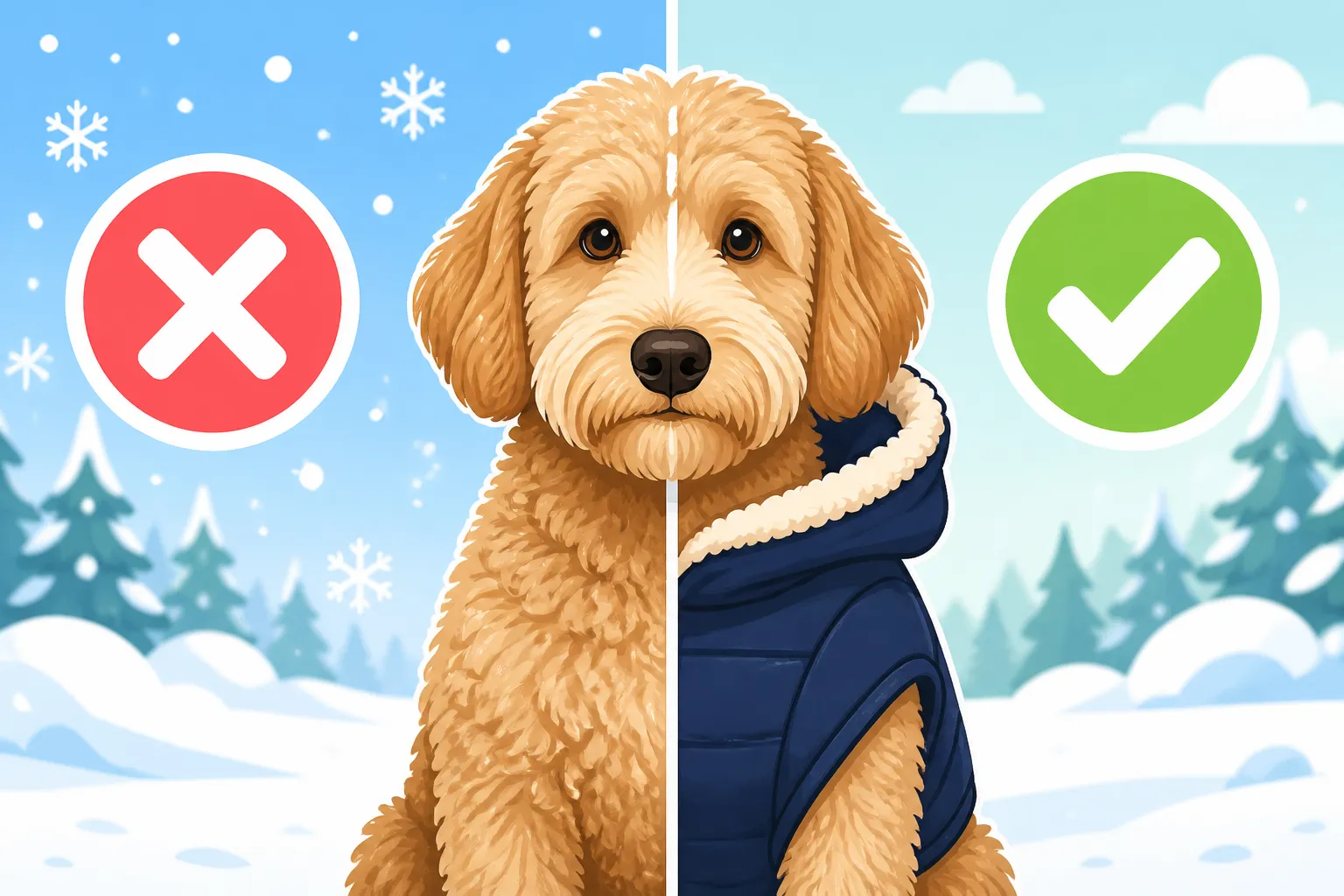
Sometimes, the weather conditions are just too extreme for any dog to go without protection. Blizzards, ice storms, or simply temperatures that plummet far below freezing warrant a coat for almost every Labradoodle. Wind chill can make even moderately cold temperatures feel biting, stripping away body heat rapidly. If it's too cold for you to stand outside comfortably without a heavy jacket, it's likely too cold for your Labradoodle to be out without one, especially for more than a few minutes.
Conversely, a Labradoodle's activity level during winter outings also influences their need for a coat. A dog that is constantly running, playing fetch, or jogging with you might generate enough body heat to stay warm for a while. However, if your Labradoodle is mostly on-leash, stopping to sniff every lamp post, or standing patiently while you chat with a neighbor, their body isn't working as hard to produce heat. Think about those times you've been standing still outside in winter versus actively shoveling snow – the difference in how you feel is significant. For less active winter excursions, a coat provides consistent warmth.
Choosing the Right Winter Wear for Your Labradoodle
Once you've decided a coat is needed, the next step is finding the right coat. It's not just about aesthetics; functionality, comfort, and safety are paramount. A poorly fitting or inappropriate coat can actually cause more problems than it solves. You want something that genuinely protects them without restricting movement or causing discomfort.
Material and Design for Optimal Protection
When selecting a winter coat, look for materials that offer both insulation and protection from the elements. A good outer layer should be waterproof or highly water-resistant. This is crucial because a wet coat, even a thick one, loses much of its insulating properties. Look for materials like treated nylon or polyester. The inner layer should provide warmth, often fleece-lined or with synthetic insulation. Think about what keeps you warm and dry in winter.
The design of the coat is also important. It should cover the main body, from the neck to the base of the tail, and ideally protect some of the chest and belly. Labradoodles often have less fur on their underside, making these areas vulnerable. Some coats come with reflective strips, which are fantastic for visibility during dark winter evenings. You can find a huge variety of options on sites like Chewy or Amazon, allowing you to compare materials and designs easily. Don't just grab the first cute sweater you see; consider what truly offers the best protection for your dog's needs.
Ensuring a Proper Fit
A coat that doesn't fit well is not only uncomfortable but also ineffective. A coat that's too tight will restrict movement, potentially chafe, and may not provide adequate insulation due to compression. One that's too loose can shift around, trip your dog, or allow cold air to seep in. When measuring your Labradoodle, you'll typically need their length (from the base of the neck to the base of the tail), chest girth (the widest part behind the front legs), and neck circumference. Always check the brand's sizing chart, as they can vary greatly.
Your Labradoodle should be able to move freely, run, jump, and relieve themselves without the coat getting in the way. Pay attention to areas like the armpits and belly, ensuring there's no rubbing. If your dog is still growing, especially during that adolescent phase where they seem to forget everything, you might need to size up sooner than you think. A well-fitting coat should be snug enough to stay in place but loose enough to allow full range of motion.
Safety Features and Visibility
Winter often means shorter days and longer nights, making visibility a key safety feature. Many quality dog coats include reflective elements, bright colors, or even integrated LED lights. These features are invaluable, especially if you walk your Labradoodle near roads or in areas with low light. You want drivers, cyclists, and other pedestrians to see your dog easily.
Consider other practical safety aspects. Does the coat have a leash attachment point that works with your harness or collar? Is it easy to put on and take off, especially if your dog is squirmy or has The Coat Change That Hits a Labradoodle at Nine Months? A coat that's a struggle to get on might not get used as often as it should. Also, ensure there are no loose straps or dangling pieces that could get snagged or chewed on. Think about the functionality and ease of use as much as the warmth it provides.
Beyond the Coat: Other Winter Considerations for Labradoodles
A warm coat is a great start, but true winter care for your Labradoodle extends beyond just what they wear. The cold weather brings with it several other challenges that you, as a responsible owner, need to address to keep your furry friend healthy and happy.
Paw Protection and Snowball Prevention
Your Labradoodle's paws are on the front lines against winter hazards. Ice, rock salt, chemical de-icers, and freezing pavement can all cause irritation, cracks, and even chemical burns. This is where dog boots or paw balms come in handy. Boots provide a physical barrier against these elements and also prevent painful ice balls from forming between their paw pads, especially for Labradoodles with long paw hair. If you have a Labradoodle, you're likely familiar with the struggle of removing Snowballs Form in a Labradoodle's Coat after a snowy walk, and paw boots can drastically reduce this problem.
If boots aren't an option (some dogs just refuse them!), a good paw balm applied before walks can create a protective layer. Always wipe your dog's paws thoroughly after every walk to remove any salt, chemicals, or ice. Neglecting paw care can lead to discomfort, limping, and even infections, so it's an essential part of their winter routine. The thought of Salt Hurts a Labradoodle's Feet is enough to make any owner diligent.
Nutrition and Hydration in Cold Weather
Cold weather can burn more calories as your Labradoodle's body works harder to stay warm. If your Labradoodle is particularly active in the snow, you might need to adjust their food intake slightly to ensure they're getting enough energy. Consult your vet before making significant dietary changes, but keep an eye on their weight and energy levels. High-quality, nutrient-dense dog food is always important, and some owners opt for fresh food options from services like Ollie to ensure their dogs are getting optimal nutrition.
Even though it's cold, hydration is just as important in winter as it is in summer. Dogs can still get dehydrated, especially if they're eating snow (which isn't a substitute for fresh water) or if indoor air is dry from heating. Ensure they always have access to fresh, unfrozen water, both indoors and out. If you're spending time outdoors, consider bringing a portable water bowl and a thermos of warm water to offer them. Staying hydrated is crucial for overall health and for efficient body temperature regulation. How Much an Adult Labradoodle Eats Daily might need a small adjustment for increased winter activity.
Post-Snow Walk Care
After a joyous romp in the snow, your Labradoodle will need a bit of post-walk care. First, inspect their paws carefully for any ice balls, cuts, or signs of irritation. Even with boots, sometimes things can sneak in. Pay special attention to the hair between their paw pads. Wipe down their entire body, paying close attention to their belly and legs, to remove any melting snow, salt, or slush. This prevents them from licking off harmful chemicals and keeps your floors cleaner!
If your Labradoodle's coat is damp or wet, especially if they've been playing vigorously, towel-dry them thoroughly. A damp coat against cold skin can lead to chilling. For those with dense wool or fleece coats, use a dog-specific force dryer if you have one, or ensure they dry completely in a warm room. This is also a good time to check for any mats that might have formed from the wetness or friction. For senior Labradoodles, quick drying is even more critical to prevent discomfort and stiffness. Think about Keeping an Old Labradoodle Comfortable in Winter and how a cozy, dry spot is paramount after an outdoor adventure.
| Factor | Does Your Labradoodle Need a Coat? | Considerations & Actions |
|---|---|---|
| Coat Type | Maybe, depending on density (hair > fleece > wool for warmth). | Hair coats offer less insulation; dense wool coats are warmest. Mats reduce insulation. |
| Haircut Length | Almost certainly if clipped short (under 1 inch). | Shorter clips remove natural insulation. |
| Age | Yes, for puppies (under 6 months) and seniors (over 8-10 years). | Puppies have poor thermoregulation; seniors have slower metabolism, potential health issues. |
| Body Condition | Yes, if underweight or thin. | Less body fat means less natural insulation. |
| Health Status | Yes, if sick, arthritic, or recovering from surgery. | Compromised health reduces ability to regulate body temperature. Cold can exacerbate joint pain. |
| Outdoor Temperature | Yes, in extreme cold, freezing rain, or heavy wind chill. | If it's too cold for you without a heavy coat, it's too cold for them. |
| Duration of Exposure | Yes, for extended periods (over 30-45 minutes) in cold. | Even warm dogs get cold with prolonged exposure, especially if stationary. |
| Activity Level | Yes, for low-activity walks where they're not generating much heat. | High activity can generate heat, but standing still or slow walking will lead to cooling. |
| Wetness | Yes, if they frequently get wet in snow or rain. | A wet coat loses insulation; choose waterproof materials. |
Ultimately, whether your Labradoodle needs a coat in the snow comes down to observing your individual dog, understanding their unique coat, and assessing the specific weather conditions. When in doubt, it’s always better to err on the side of caution and provide that extra layer of warmth. Your Labradoodle relies on you to keep them safe and comfortable, no matter the season.
Disclaimer
This article is for general informational purposes only and does not constitute professional advice. Laws, prices and regulations vary by location and change over time. Consult a qualified professional for guidance on your specific situation.