The Yearly Bill on a Fleece Coated Labradoodle
Bringing a Labradoodle into your life is an absolute joy, but let's be realistic – the financial commitment can sometimes feel like an elephant in the room. Many prospective and current owners find themselves wondering exactly what the yearly price tag truly looks like, especially for those beautiful, high-maintenance fleece coats. This guide is here to help you navigate the recurring costs associated with owning a fleece-coated Labradoodle, from grooming to vet visits, food, and everything in between, so you can plan effectively and give your furry companion the best life possible.
The Unique Grooming Demands of a Fleece Coat
The fleece coat is often considered the "holy grail" of Labradoodle coats for its soft, wavy, and low-shedding qualities. It's truly lovely to touch and beautiful to look at, but this luxurious texture comes with its own set of grooming challenges and, consequently, expenses. Understanding these demands is the first step to budgeting accurately for your beloved Doodle.
The Regular Professional Grooming Schedule
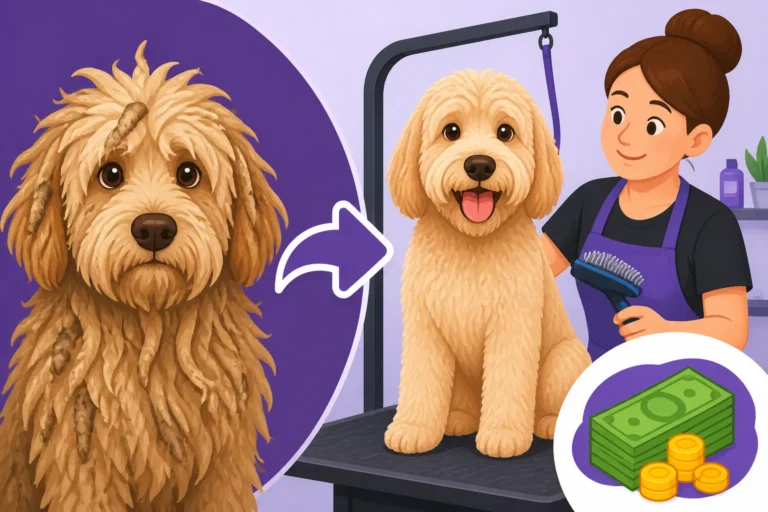
Unlike some other breeds, a fleece-coated Labradoodle absolutely requires regular professional grooming. We're not talking about a once-a-year trim here; most fleece-coated Doodles need to see a professional groomer every 6 to 8 weeks, sometimes even more frequently if their coat is particularly dense or prone to matting. Skipping these appointments, or stretching them out too long, almost guarantees a matted mess that will be painful for your dog and much more expensive to fix.
Think of it this way: that fluffy, soft fleece is a magnet for dirt, debris, and tangles. Without consistent bathing, brushing, and trimming, it quickly becomes a felted mat. A good groomer will thoroughly brush out your dog, bathe them with appropriate shampoos and conditioners, perform a full blow-dry (which is crucial to prevent matting), and then clip and scissor their coat to your desired length. They'll also handle nail trims, ear cleaning, and often express anal glands, all of which are essential for hygiene and comfort. The cost for these sessions can vary wildly based on your location, the groomer's experience, and the size and temperament of your Labradoodle. It's one of the biggest regular expenses you'll face.
Essential At-Home Grooming Supplies
While professional grooming is non-negotiable, you absolutely have to do your part at home between appointments. This isn't just about keeping your dog looking tidy; it's about maintaining their comfort and health, and making the professional grooms easier (and sometimes cheaper!). The initial investment in quality at-home grooming tools can feel steep, but they are crucial. You'll need a good quality slicker brush, a metal comb, detangling spray, dog-specific shampoo and conditioner, nail clippers or a grinder, and ear cleaning solution.
Learning to properly Brushing a Labradoodle to the Skin, Not the Surface is a skill every Labradoodle owner needs to master. Simply brushing over the top of the coat isn't enough; mats form close to the skin, where they can pinch and pull, causing discomfort and even skin infections. Daily or every-other-day brushing for 15-30 minutes, using your slicker brush and comb to ensure you get all the way down to the skin, will save you a world of trouble. Products available on sites like Chewy can help you stock up on everything from brushes to gentle, hydrating shampoos designed for curly or wavy coats. Don't forget that at around nine months, your Labradoodle will likely go through The Coat Change That Hits a Labradoodle at Nine Months, making this at-home regimen even more critical to prevent severe matting.
The Reality of Matted Coat Fees
This is where the costs can really skyrocket, and it's a frustration many Labradoodle owners face if they fall behind on grooming. If your fleece-coated Labradoodle arrives at the groomer with a matted coat, you'll almost certainly incur additional fees. Groomers charge extra for de-matting because it's an incredibly time-consuming, difficult, and often painful process for the dog. In severe cases, where the matting is extensive and tight to the skin, de-matting isn't even an option; the only humane solution is to shave the dog down completely, often called a "kennel clip" or "strip." This can be heartbreaking for owners who love their dog's fluffy look, but it's essential for the dog's well-being.
Imagine paying for a full groom, only to be told your dog is so matted they need a full shave and an extra fee on top of that. This can easily double the cost of a regular grooming session. Furthermore, a dog that has been shaved down due to matting will need to regrow its coat, which means a period where they might not look their best, and you'll need to be extra diligent with brushing to prevent the problem from reoccurring. Understanding What a Groomer Charges to Strip a Matted Labradoodle is a sobering reality check and a strong motivator to keep up with that brush at home.
Annual Veterinary Care and Preventative Health
Beyond the glamour of the coat, your Labradoodle's overall health is paramount, and this comes with its own set of regular costs. Preventative care is always less expensive and less stressful than treating an illness or injury, so budgeting for routine vet visits and preventative medications is a non-negotiable part of responsible Labradoodle ownership.
Routine Check-ups and Vaccinations
Every Labradoodle, regardless of age, needs at least one annual wellness exam with a veterinarian. For puppies, this will be more frequent in their first year as they complete their vaccination series and undergo initial health checks. During these annual visits, your vet will perform a thorough physical examination, checking everything from their teeth and gums to their heart, lungs, and joints. They'll also recommend necessary booster vaccinations to protect against common canine diseases like rabies, distemper, parvovirus, and potentially leptospirosis or Lyme disease, depending on your geographic area and your dog's lifestyle.
These routine check-ups are also the perfect opportunity to discuss any concerns you might have about your dog's behavior, diet, or emerging health issues. Your vet might also recommend The Yearly Screening a Labradoodle Should Get, such as a fecal exam to check for parasites or routine blood work for older dogs. While these visits might seem straightforward, they are vital for catching potential issues early, which can save you significant money and heartache in the long run.
Flea, Tick, and Heartworm Prevention
Parasite prevention is a year-round necessity for Labradoodles, especially given their active, outdoor-loving nature. Fleas, ticks, and heartworms pose serious health risks and can be costly and difficult to treat once established. Fortunately, there are many effective preventative medications available, typically administered monthly or quarterly. Your vet will help you choose the best option for your dog, considering their weight, lifestyle, and any sensitivities.
These preventative medications, whether oral tablets, topical treatments, or injectables, represent a consistent monthly or quarterly expense. While it might seem like a small amount each time, it quickly adds up over a year. Many owners try to save money by skipping doses or only administering them seasonally, but this puts your Labradoodle at significant risk. A single case of heartworm disease, for example, can be life-threatening and incredibly expensive to treat, far exceeding the cost of years of prevention. Reliable retailers like Chewy often offer convenient auto-ship options for these medications, ensuring you never run out.
Potential Hereditary Health Screenings
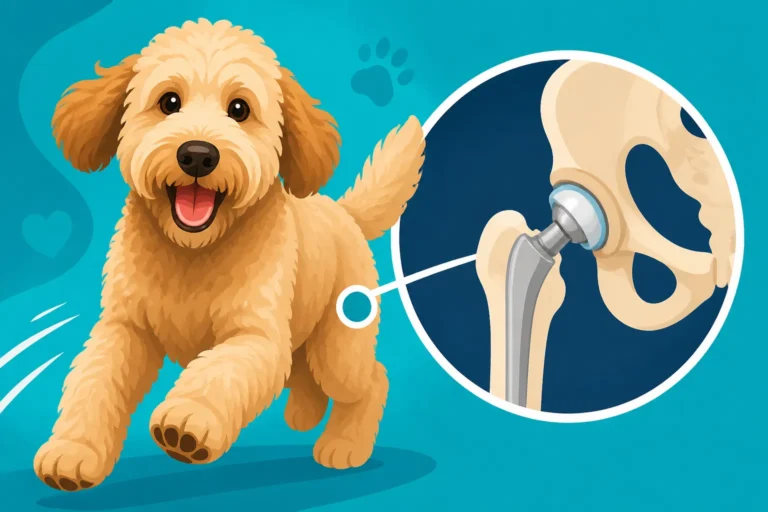
Labradoodles, being a crossbreed of Labrador Retrievers and Poodles, can inherit certain predispositions to health conditions from both parent breeds. While responsible breeders conduct health clearances on their breeding dogs to minimize these risks, it doesn't eliminate them entirely. As your Labradoodle ages, or if specific symptoms arise, your vet might recommend additional screenings or tests. These could include specialized eye exams, thyroid panels, or imaging for joint issues.
Conditions like Hips and Elbows in a Sixty Pound Labradoodle, Addison's Disease, or certain eye conditions like Progressive Retinal Atrophy can manifest later in life. While you hope your dog remains healthy for The Twelve to Fifteen Years a Labradoodle Lives, being prepared for potential diagnostic costs is wise. For instance, if your vet suspects a joint issue, X-rays or even specialist consultations could be necessary. These aren't annual, predictable costs, but rather potential expenses that can impact your yearly budget if they arise. Discussing these possibilities with your vet, especially as your Labradoodle approaches What a Labradoodle Owner Should Watch For After Eight, can help you understand what to anticipate.
Food and Nutrition Expenses
Feeding a Labradoodle isn't just about putting kibble in a bowl; it's about providing the right nutrition to fuel their active lifestyle, maintain their coat health, and support their overall well-being. Given their size and energy levels, Labradoodles can eat a fair amount, making food a significant part of your yearly budget.
High-Quality Kibble vs. Specialty Diets
The foundation of your Labradoodle's diet will likely be dog food, and the cost here can vary widely. High-quality kibble from reputable brands offers a balanced diet and is often the most economical choice. However, "high-quality" doesn't necessarily mean the most expensive; it means looking for formulas with real meat as the first ingredient, appropriate protein and fat levels for an active dog, and limited fillers. The specific caloric needs of your Labradoodle will depend on their size, age, and activity level, but expect a standard-sized Labradoodle to consume a good amount of food daily.
Some Labradoodle owners opt for specialty diets, such as fresh-cooked, raw, or limited-ingredient foods, perhaps due to allergies, sensitivities, or personal preference. While these diets can offer benefits, they are almost always more expensive than kibble. For example, a service like Ollie delivers freshly prepared meals customized to your dog's needs, but this convenience and quality come at a higher price point. If you choose a specialty diet, it's crucial to consult with your vet or a veterinary nutritionist to ensure it provides complete and balanced nutrition for your Labradoodle. Ultimately, choosing a diet that supports Keeping a Labradoodle's Weight in Range is key to long-term health.
Treats and Chews for Training and Enrichment
Let's be honest, who can resist spoiling their Labradoodle with treats? Beyond just being tasty rewards, treats and chews play an important role in training, dental hygiene, and mental enrichment. Whether you're using small, soft treats for daily training sessions or longer-lasting chews to keep them occupied, these items become a regular line item in your budget.
When selecting treats, prioritize healthy options that align with your dog's main diet. Look for treats made with wholesome ingredients and avoid those with excessive sugars or artificial additives. Dental chews can help reduce plaque and tartar buildup, contributing to better oral health, which can save on future vet dental cleaning costs. Chewy offers a vast selection, making it easy to find healthy and engaging options. Remember, moderation is key; too many treats can lead to weight gain, which can exacerbate other health issues.
Supplements for Joint Health or Coat
As Labradoodles age, or if they have specific predispositions, you might consider adding supplements to their diet. Joint supplements, typically containing glucosamine and chondroitin, are popular for larger breeds known for potential hip and elbow issues. Omega-3 fatty acids, often derived from fish oil, can benefit coat health, skin conditions, and even cognitive function.
While not always necessary, especially for young, healthy dogs on a balanced diet, supplements can be a valuable addition for certain individuals. Your vet is the best resource to advise whether your Labradoodle could benefit from specific supplements. They can also recommend appropriate dosages and brands. These additions, while generally not exorbitantly expensive on a monthly basis, do add to the overall yearly cost of feeding and caring for your Labradoodle.
Training and Enrichment Needs
Labradoodles are intelligent, energetic dogs, and without proper outlets for their minds and bodies, they can become bored and destructive. Investing in training and enrichment isn't just about having a well-behaved dog; it's about fostering a happy, confident companion and preventing costly behavioral issues down the line.
Puppy Classes and Advanced Training
Starting with puppy classes is an excellent investment for any Labradoodle owner. These classes provide crucial socialization opportunities for your puppy, teaching them how to interact politely with other dogs and people. They also teach you, the owner, foundational obedience skills like sit, stay, come, and leash manners. Many Labradoodle owners find that formal training is beneficial because these dogs are smart and can be quite willful if not guided consistently.
As your Labradoodle grows, you might consider advanced obedience classes, agility, or other dog sports. These activities provide mental stimulation and a physical outlet that is perfect for their active nature. For example, if you find your The Ten Month Old Labradoodle That Forgets Everything during adolescence, a refresher course or new challenge can be invaluable. Even private training sessions with a certified professional can be a worthwhile expense if you're struggling with a specific behavior or want to fast-track your dog's learning. These costs are variable, but budgeting for at least initial puppy classes is highly recommended.
Toys, Puzzles, and Daycare
Beyond formal training, daily enrichment is crucial. Labradoodles love to play, and providing a variety of toys helps keep them engaged and prevents boredom-induced chewing on your furniture. Durable chew toys, puzzle toys that dispense treats, and interactive fetch toys are all excellent choices. Regularly rotating toys can keep them novel and exciting.
For those times when you can't provide all the physical and mental stimulation your Labradoodle needs, doggy daycare or a dedicated dog walker can be a lifesaver. This is especially true if you work long hours, as Labradoodles are known for being "Velcro dogs" and can struggle with being left alone for extended periods. The Velcro Labradoodle That Cannot Be Left might thrive in a daycare environment, which offers supervised play, socialization, and plenty of exercise. While daycare or walking services add a significant weekly or monthly expense, they can be invaluable for your dog's well-being and your peace of mind.
Pet Insurance and Emergency Fund
Even with the best preventative care and a healthy diet, unforeseen accidents or illnesses can strike. A major veterinary emergency can lead to bills in the thousands of dollars, causing immense financial strain. Pet insurance or a dedicated emergency fund is critical for cushioning these unexpected costs.
Pet Insurance Premiums and Coverage
Pet insurance works much like human health insurance, helping to cover a portion of unexpected veterinary expenses. Policies typically have a monthly or annual premium, a deductible, and a reimbursement rate. For a Labradoodle, especially given their breed predispositions, having insurance can be a smart move. When considering What Insuring a Labradoodle Puppy Runs Monthly, it's important to know that premiums can vary based on your dog's age, breed, location, and the level of coverage you choose.
Companies like Healthy Paws are popular among pet owners for their comprehensive accident and illness plans. While pet insurance won't cover pre-existing conditions, getting a policy when your Labradoodle is young and healthy ensures coverage for future accidents, illnesses, and many hereditary conditions that might arise later. This can provide immense peace of mind, knowing you won't have to make difficult financial decisions in a crisis.
Building an Emergency Savings Account
Even with pet insurance, it's wise to have a dedicated emergency savings account for your Labradoodle. Most insurance policies have a deductible you'll need to meet before they start reimbursing, and they often don't cover 100% of the costs. This fund can also cover routine expenses not covered by insurance, like annual wellness exams or preventative medications, if you prefer not to include them in your monthly budget.
Aim to build up a fund that could cover a significant emergency bill. This financial cushion ensures that if your Labradoodle experiences a sudden illness, like a severe allergic reaction, or an injury, like a torn ligament, you're prepared. This proactive approach means you can focus on your dog's health rather than scrambling to find funds during an already stressful time.
Miscellaneous and Hidden Costs
It's easy to budget for the big-ticket items, but many smaller, often overlooked expenses add up throughout the year. Ignoring these "hidden" costs can lead to budget surprises, so it's good to be aware of them.
Licensing, Waste Bags, and Cleaning Supplies
Every dog owner needs to factor in the basic costs of daily living with a dog. Licensing your Labradoodle with your local municipality is usually an annual requirement and a small but necessary expense. This often includes a tag that helps ensure your dog can be returned if they ever get lost.
Then there are the consumables: waste bags are a daily necessity, and buying them in bulk can help save money. Accidents happen, especially with puppies, so having pet-specific cleaning supplies on hand is crucial. Enzyme cleaners are particularly effective at neutralizing odors and stains from pet messes. Consider also the wear and tear on your home – a rambunctious Labradoodle can be tough on carpets, furniture, and even landscaping, which might lead to repair or replacement costs over time.
Travel, Boarding, or Pet Sitting
If you travel for work or leisure, your Labradoodle's care while you're away is an important consideration. Boarding kennels, pet sitters, or in-home dog walkers all come with a cost. Boarding facilities charge daily rates, which can quickly add up for longer trips. Pet sitters or dog walkers, who come to your home, offer a more personalized experience but often have hourly or daily fees.
It's important to research and choose reputable care providers well in advance, especially during peak travel seasons. These costs can be sporadic but significant when they arise, so it's wise to set aside some funds for these occasions. If you plan to travel with your Labradoodle, remember to budget for pet-friendly accommodations, travel crates, and any potential airline fees.
Yearly Cost Breakdown for a Fleece-Coated Labradoodle
To give you a clearer picture, here's a general overview of the typical annual expenses for a fleece-coated Labradoodle. Please remember these are broad ranges, and your specific costs will depend on your location, your choices, and your dog's individual needs.
| Category | Estimated Annual Cost Range (USD) | Notes |
|---|---|---|
| Grooming | $800 – $1,500+ | 6-8 professional grooms per year (approx. $100-200 per session), plus at-home supplies (brushes, shampoo, conditioner, nail clippers). Can be higher with matting. |
| Vet Care | $400 – $800 | Annual wellness exam, vaccinations, fecal tests, year-round flea/tick/heartworm prevention. Does NOT include illness or emergency care. |
| Food & Treats | $600 – $1,200+ | High-quality kibble for a medium-to-large dog, plus daily treats and occasional chews. Specialty diets (fresh, raw) will be significantly higher. |
| Training & Enrichment | $100 – $600+ | Puppy classes, advanced classes, or occasional private sessions. Cost of toys, puzzle feeders. Doggy daycare or dog walker would add significantly to this, potentially reaching thousands. |
| Pet Insurance/Emergency Fund | $300 – $900+ | Annual premiums for accident/illness insurance, or funds regularly saved for a self-funded emergency. |
| Miscellaneous | $100 – $300 | Licensing fees, waste bags, cleaning supplies, occasional dog sitter/boarding (if not covered by separate budget item), minor repairs due to dog wear-and-tear. |
| Total Annual Estimate | $2,300 – $5,300+ | This estimate excludes major unexpected medical emergencies, dental cleanings, spay/neuter surgery, or significant behavioral interventions, which can add thousands. |
It's clear that while the initial purchase price of a Labradoodle puppy is a one-time expense, the ongoing costs of care truly add up over the years. Being prepared for these financial commitments ensures you can provide your fleece-coated companion with the love, care, and attention they deserve for their entire life.
Disclaimer
This article is for general informational purposes only and does not constitute professional advice. Laws, prices and regulations vary by location and change over time. Consult a qualified professional for guidance on your specific situation.