Whether a Breeder’s DNA Panel Covers Health Too
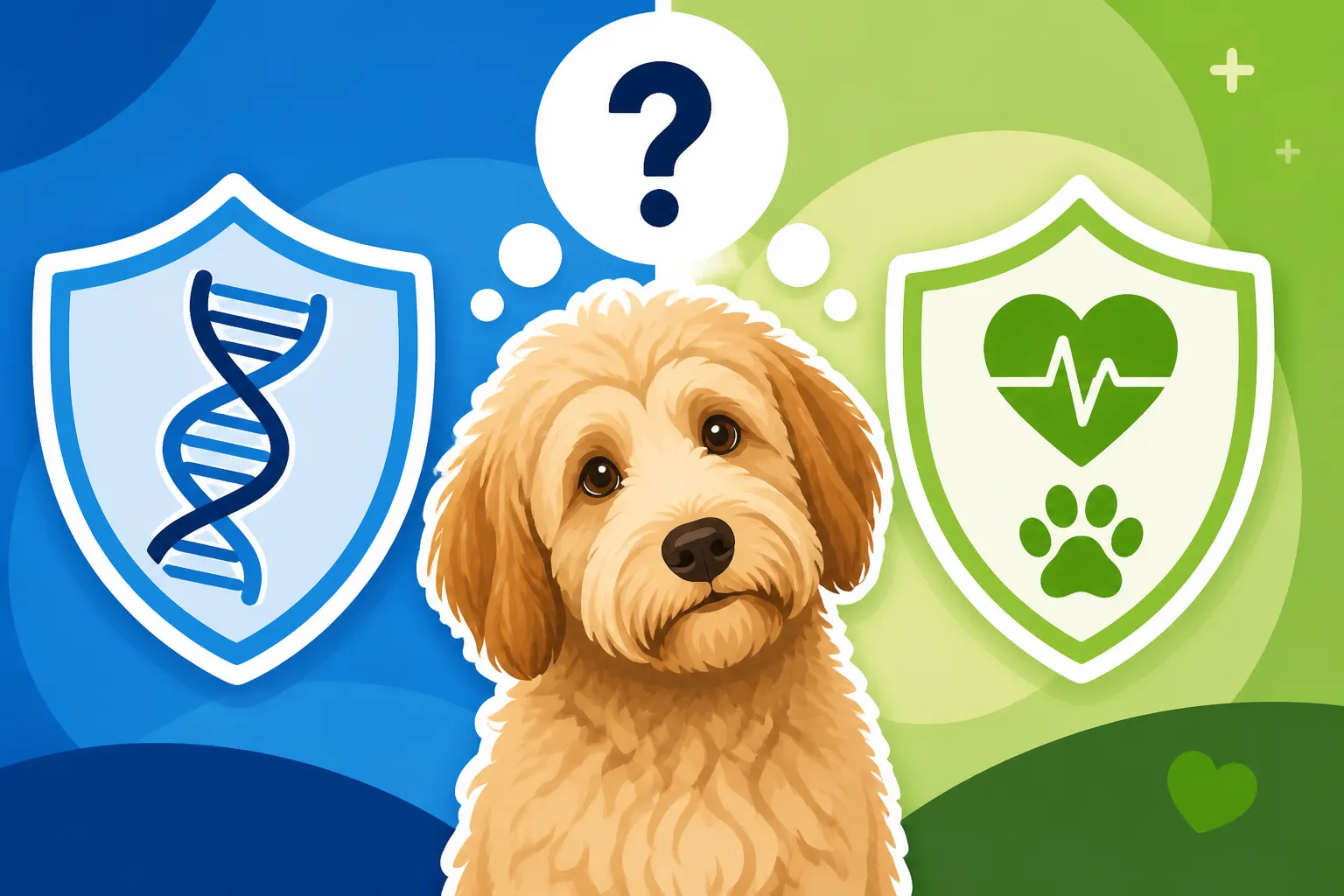
Many hopeful Labradoodle owners find themselves a bit lost in the scientific jargon surrounding breeding practices, especially when breeders talk about "DNA panels." It's easy to assume this single term covers every possible genetic trait and health issue, leading to confusion and sometimes misplaced confidence. This guide will clarify exactly what a breeder's DNA panel typically tests for and help you understand the crucial distinction between coat genetics and health screenings, so you can make truly informed decisions about your future furry family member.
Understanding the "DNA Panel": More Than Just a Coat Test
When a breeder mentions a "DNA panel," it's often a broad term that can encompass several different types of genetic tests. The frustration for many prospective owners is that they don't always realize these panels might prioritize certain traits over others, or that "DNA tested" doesn't automatically mean "tested for all relevant health conditions." It's a key area where miscommunication can happen.
The Allure of Predictable Coats and Traits
Let's be honest, a huge part of the Labradoodle's appeal lies in its wonderful, often low-shedding coat. Many breeders invest in DNA testing specifically to predict and select for these desirable coat traits. They want to know if their breeding dogs carry genes for the "furnishings" (that signature beard and eyebrows), the curl type, and the shedding level. This helps them assure prospective buyers that their puppies are more likely to develop the fleece or wool coats that are so popular, rather than a flatter, shedding "hair coat."
For instance, a breeder might use a DNA panel to check for the R-spondin 2 (RSPO2) gene, which determines whether a puppy will have furnishings. Without this gene, a Labradoodle would have a flat face more like a Labrador, potentially shedding more. They also look at genes influencing coat texture and curl, helping them understand if Two Fleece Parents Give a Fleece Labradoodle or if, with earlier generations, Whether an F1 Labradoodle's Coat Is a Gamble can be more unpredictable. These tests are incredibly valuable for predicting appearance and potential allergy-friendliness, which are often top priorities for buyers.
Beyond the Fluff: The Health Aspect of DNA Testing
While coat prediction is important, a responsible breeder's DNA panel must also include health clearances. This is where the real depth and crucial information for a puppy's well-being truly lie. Unfortunately, sometimes a breeder might highlight "DNA tested" when they've only focused on coat traits, leaving potential genetic health risks unaddressed. This isn't always intentional deception; sometimes it's simply a lack of comprehensive understanding or an oversight on the breeder's part. It falls to the prospective owner to ask the right, detailed questions.
It's vital for you, as a future owner, to understand that genetic health testing is about screening for inherited diseases that can significantly impact a dog's quality of life and potentially lead to costly veterinary care. These tests are distinct from those for coat type. They're about preventing heartbreaking conditions from being passed down to new generations. Without these health-focused tests, even a puppy with a perfect fleece coat could carry a hidden genetic burden.
Diving Deep into Genetic Health Testing for Labradoodles
The Labradoodle, being a hybrid of the Labrador Retriever and the Poodle, can inherit genetic predispositions from both sides of its family tree. This means that a truly comprehensive health DNA panel for a Labradoodle needs to cast a wide net, looking for conditions common to both parent breeds. This proactive approach by breeders is what truly sets them apart and gives puppies the best possible start in life.
Common Genetic Conditions and Their DNA Tests
Several significant genetic conditions are routinely screened for in Labradoodle breeding stock. These are often debilitating diseases that can affect a dog's mobility, vision, or overall health. For instance, The DNM1 Mutation Behind Labradoodle Collapse (Exercise-Induced Collapse or EIC) is a condition inherited from the Labrador side, causing dogs to lose control of their hind limbs during strenuous exercise. A DNA test can identify if a dog is clear, a carrier, or affected. Understanding Whether an EIC Carrier Labradoodle Is Safe to Own is important for potential buyers.
Another critical condition is Progressive Retinal Atrophy (PRA), particularly prcd-PRA, which leads to blindness. The prcd-PRA Test Both Labradoodle Parents Need is a common and vital screening, as this form of PRA can be inherited from either the Labrador or Poodle lineage. Other conditions like Von Willebrand's Bleeding in a Labradoodle, a clotting disorder, and some forms of thyroid disease or epilepsy, also have genetic components that can be identified through DNA panels. A breeder who focuses on these tests is genuinely prioritizing the longevity and health of their puppies.
What Specific Tests Are We Talking About?
When we talk about specific health DNA tests, we're looking at panels that target genes directly linked to these diseases. For instance, most reputable labs offer comprehensive "Doodle Panels" or "Poodle/Labrador Panels" that bundle these tests together. These panels will include screening for conditions like The Progressive Retinal Atrophy Labradoodles Are Tested For, which can rob a dog of its sight. They might also screen for Centronuclear Myopathy (CNM), a muscle wasting disease, or Degenerative Myelopathy (DM), a progressive spinal cord disease.
It's not just about getting a DNA test; it's about getting the right DNA tests for the breed. These are distinct from tests that tell you about coat color or curl. They provide crucial information about the puppy's susceptibility to serious illnesses. Imagine the heartbreak and expense of discovering your beloved Labradoodle has a condition like EIC or PRA that could have been identified and potentially avoided through responsible breeding. This is why these specific tests are so invaluable and why you should absolutely ask to see them.
Interpreting Results: Clear, Carrier, or Affected
Understanding the results of these genetic health tests is paramount. For most recessive genetic diseases, a dog can be:
- Clear: This means the dog does not carry the gene for the disease and cannot pass it on to its offspring.
- Carrier: This means the dog carries one copy of the gene for the disease but will not develop the disease itself. If bred to another carrier, there's a risk of producing affected puppies.
- Affected: This means the dog has two copies of the gene and will develop the disease. Affected dogs should not be bred.
A responsible breeder carefully evaluates these results for both parent dogs. For instance, a carrier parent can be safely bred to a clear parent, as all puppies will either be clear or carriers, but none will be affected. However, breeding two carriers together is a huge no-no, as it can produce affected puppies. This knowledge empowers breeders to make responsible pairings, minimizing the risk of genetic diseases in their litters. It's a testament to their commitment to healthy puppies when they can confidently present these results and explain what they mean for the puppy you're considering.
Empowering Yourself: Questions to Ask Your Breeder
Navigating the world of breeders can feel daunting, but being prepared with informed questions is your best defense against less-than-stellar practices. When it comes to genetic testing, don't be shy about asking for specifics. A truly reputable breeder will welcome your questions and be transparent with their answers and documentation.
Beyond a Simple "DNA Panel" Assertion
Never settle for a simple "yes, our dogs are DNA tested." This phrase, without further detail, is essentially meaningless when it comes to comprehensive health screening. You need to push for specifics. Ask your breeder for a list of every single genetic disease included in their DNA panel. Then, ask to see the official, verifiable results for both the mother and the father of the litter you're interested in. These results should come from a reputable genetic testing laboratory. Many breeders use services that provide online verifiable certificates, which adds an extra layer of trust.
Don't be afraid to ask for the actual names of the conditions they test for. Common ones will include EIC, prcd-PRA, and Von Willebrand's. If they can only talk about "coat genetics" but seem vague on health, that should raise a red flag. A great breeder will be able to walk you through their reports, explain what "clear," "carrier," or "affected" means for each condition, and how they made their breeding choices based on those results. Transparency is key here, and it’s a good indicator of their dedication to the breed's health.
Complementary Health Screenings Beyond DNA
It's crucial to understand that DNA tests, while incredibly important for identifying single-gene disorders, do not cover everything. Many significant health issues are multifactorial, meaning they are influenced by a combination of genetics and environmental factors, or they involve many genes that aren't yet fully understood or testable via a simple DNA swab. This is where physical screenings performed by veterinary specialists come in.
For Labradoodles, orthopedic issues are a prime example. Conditions like hip and elbow dysplasia are prevalent in both parent breeds. There are no definitive DNA tests that can guarantee a puppy will be free of these complex conditions. Instead, breeders rely on evaluations like those from the Orthopedic Foundation for Animals (OFA) or PennHIP. These involve taking X-rays of the parent dogs' hips and elbows under sedation and having them evaluated by a panel of experts. You absolutely need to ask about Hips and Elbows in a Sixty Pound Labradoodle and confirm Whether Both Labradoodle Parents Need OFA Hips or PennHIP clearances. Similarly, eye health, beyond prcd-PRA, is assessed through regular examinations by a board-certified veterinary ophthalmologist, with results often submitted to the Canine Eye Registry Foundation (CERF) or OFA Eye Certification Registry (CAER). Always ask about Asking a Breeder for Labradoodle Eye Certificates.
The Breeder's Holistic Responsibility
A truly responsible breeder understands that a comprehensive health program is a multi-faceted endeavor. It's not just about one set of tests; it's a holistic approach to ensuring the well-being of their breeding stock and, consequently, their puppies. This includes:
- Thorough DNA health panels: As discussed, covering conditions like EIC, PRA, and vWD.
- Orthopedic clearances: OFA or PennHIP for hips and elbows.
- Eye certifications: Annual exams by a veterinary ophthalmologist.
- Cardiac screenings: Sometimes recommended, especially for certain lines or sizes.
- General veterinary check-ups: Ensuring parents are in peak physical condition.
They also consider temperament, longevity of the parent lines, and the overall health history of their dogs. When a breeder presents a stack of certificates – not just one – and can articulate their breeding philosophy around health, you know you're dealing with someone who genuinely cares. This diligence provides the best possible foundation for a healthy Labradoodle puppy, giving you peace of mind that you're bringing home a dog with the greatest chance for a long, happy life.
The Broader Picture of Labradoodle Health and Longevity
Bringing a Labradoodle into your home is a significant commitment, and while a breeder's comprehensive health testing gives you a fantastic head start, it's just the beginning of a lifelong journey of care. Understanding the full scope of health considerations, beyond just initial DNA panels, will help you prepare for and support your Labradoodle throughout their life.
Why Comprehensive Testing Matters for a Lifetime
The initial investment in a puppy from health-tested parents isn't merely a luxury; it's a proactive measure that can save you immense heartbreak and potentially enormous veterinary bills down the line. While no guarantee can ever be made that a dog will never experience health issues, selecting a puppy from parents thoroughly screened for genetic conditions significantly reduces the risk of inheriting debilitating and costly diseases. Think about managing conditions like Life on Daily Medication for an Addisonian Labradoodle or dealing with the challenges of Epilepsy Recorded in Labradoodle Lines. These are lifelong commitments, both emotionally and financially.
When breeders put in the work to test for conditions like these, they are contributing to the overall health and improvement of the Labradoodle breed. They are actively working to breed out undesirable genetic traits, ensuring that future generations have a better quality of life. As a puppy owner, supporting these breeders reinforces responsible practices and helps move the entire community towards healthier dogs. This commitment to genetic testing reflects a breeder's ethical responsibility to the animals they bring into the world.
Supporting Your Labradoodle's Health Journey: Beyond Breeding
Once your Labradoodle puppy comes home, its health becomes your responsibility. This means committing to a comprehensive wellness plan that includes:
- Regular Veterinary Check-ups: These are crucial for preventative care and early detection of any health issues. The Yearly Screening a Labradoodle Should Get is vital, even if your dog seems perfectly healthy.
- Appropriate Nutrition: Feeding your Labradoodle a high-quality, balanced diet is fundamental to their health. Many owners explore options like fresh food services such as Ollie or reliable brands available through retailers like Chewy, ensuring their dogs receive optimal nutrients to support their growth and maintain a healthy weight.
- Consistent Exercise: Labradoodles are active dogs and need regular physical activity to maintain muscle tone, joint health, and a healthy weight.
- Mental Stimulation: Don't forget their intelligent Poodle side! Plenty of mental enrichment keeps their minds sharp and prevents boredom-related behavioral issues.
- Grooming: Their unique coats require diligent grooming to prevent matting and skin issues.
- Pet Insurance: Despite all the preventative measures, unexpected accidents or illnesses can still occur. Considering pet insurance from providers like Healthy Paws can provide a financial safety net, helping you afford the best possible care without economic stress.
These daily choices and ongoing care measures complement the excellent start your puppy received from a responsible breeder's health testing program. It’s a partnership between breeder and owner, all focused on the dog’s welfare.
Lifelong Commitment and Responsible Ownership
Ultimately, DNA panels and health clearances are powerful tools that offer incredible insight into a Labradoodle's genetic predisposition. However, they are just one piece of the much larger puzzle of responsible pet ownership. A healthy Labradoodle is the result of exceptional breeding practices, diligent early care, and a lifetime of dedicated attention, preventative medicine, and love.
By understanding the difference between coat DNA panels and comprehensive health panels, asking the right questions, and committing to ongoing care, you are setting your Labradoodle up for the best possible life. Your goal is to keep your companion sound, happy, and thriving for as long as possible, ideally Keeping a Labradoodle Sound Into Its Teens and enjoying every moment together.
Disclaimer
This article is for general informational purposes only and does not constitute professional advice. Laws, prices and regulations vary by location and change over time. Consult a qualified professional for guidance on your specific situation.