What a Labradoodle Owner Should Watch For After Eight
As your beloved Labradoodle crosses that magical threshold of eight years old, a whole new chapter begins. It's a time when you might start noticing subtle shifts – a little less bounce in their step, a few more naps in their favorite sunny spot, or perhaps a slight hesitation on the stairs. These changes can be concerning, making you wonder what's normal and what truly warrants attention. This comprehensive guide is here to walk you through the key areas to monitor in your senior Labradoodle, helping you identify potential health issues early and ensure their golden years are as comfortable and joyful as possible.
Recognizing the Early Signs of Aging in Your Labradoodle
Watching your vibrant, energetic Labradoodle transition into their senior years can be bittersweet. One day they're a whirlwind of fur and playful antics, and the next, you catch them taking a leisurely stroll where they once bounded. It's crucial to understand that aging isn't a disease, but it does bring about natural changes that require a keen eye and a proactive approach from owners. The key is to distinguish between the normal slowing down and the early indicators of underlying health concerns.
Subtle Changes in Behavior and Energy Levels
You know your Labradoodle better than anyone. You understand their quirks, their routines, and their daily energy cycles. When they start to age, these patterns can subtly shift, and it’s these slight deviations that are often the first clues something is changing. It's not usually a dramatic overnight transformation, but rather a gradual evolution.
For instance, that morning enthusiasm for a walk might still be there, but the walk itself becomes shorter, or they might tire out more quickly. Instead of chasing a ball relentlessly, they might prefer a gentle game of fetch, or even just watching the ball roll. You might notice they're sleeping more during the day, seeking out softer, warmer spots for their naps. While increased sleep is common in older dogs, a sudden, drastic increase in lethargy or a reluctance to engage in activities they once loved could signal discomfort or a deeper issue. Perhaps they're a little slower to respond to their name, or they seem a touch disoriented at times, bumping into furniture in a familiar room, especially in dim light. These seemingly minor changes in their usual playful, intelligent demeanor can be telling.
Physical Indicators Beyond the Gray Muzzle
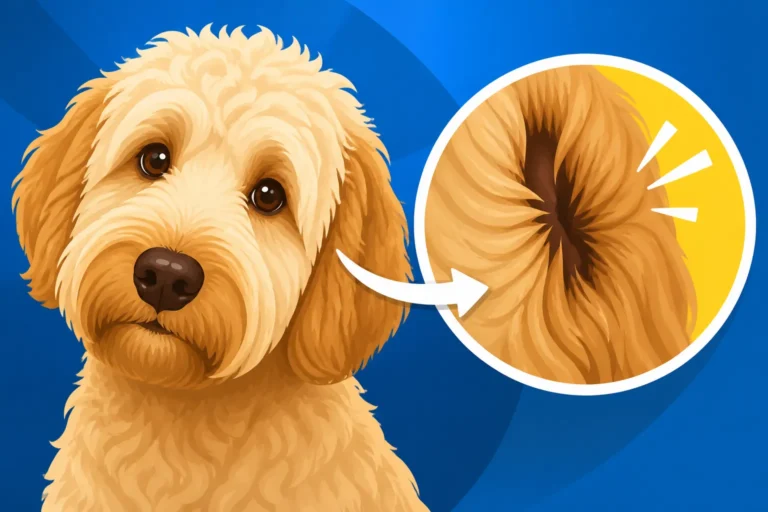
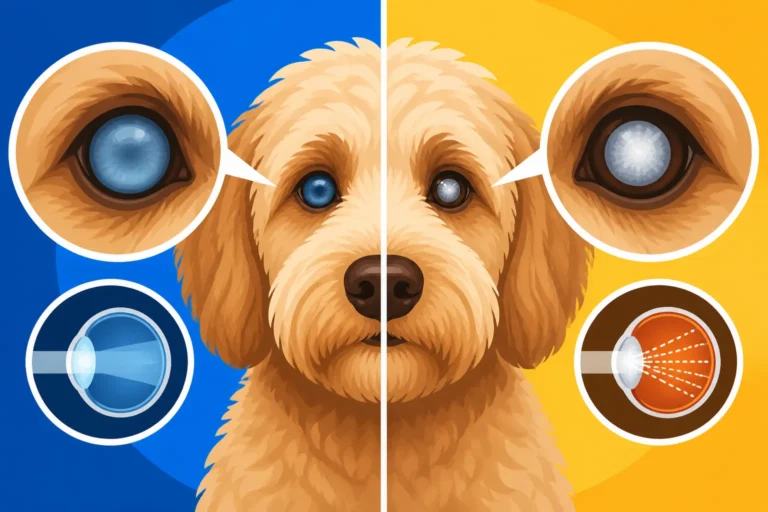
Beyond the obvious silvering around their muzzle, which is a charming hallmark of age, there are other physical changes that can give us insight into our Labradoodle's health. Their beautiful, often low-shedding coat might start to feel different – perhaps a bit coarser, thinner in places, or less vibrant. You might also notice their eyes, once bright and sparkling, developing a slightly cloudy or bluish haze. This is often nuclear sclerosis, a common age-related change that doesn't usually impair vision significantly, but it's still worth monitoring with your vet to rule out more serious conditions like cataracts. You can learn more about Cataracts in a Middle Aged Labradoodle as your dog ages.
Beyond the coat and eyes, pay close attention to their movement. Are they getting up from a lying position with a little more stiffness, especially after a long nap? Do they seem reluctant to jump into the car or onto the sofa? This could be a sign of developing joint issues. Also, keep an eye on their weight; some older Labradoodles gain weight due to reduced activity, while others might inexplicably lose it, which can be a red flag for underlying illness. Lastly, don't overlook their breath. Bad breath isn't just unpleasant; it can be a sign of dental disease, which can lead to more serious systemic health problems if left unchecked. A diligent owner pays attention to all these details, as they collectively paint a picture of their Labradoodle's overall well-being.
Common Health Concerns in Senior Labradoodles
As Labradoodles enter their senior years, just like us, they become more susceptible to certain health challenges. Knowing what these commonly encountered issues are can empower you to recognize symptoms early and seek timely veterinary intervention, making a significant difference in your dog's comfort and longevity. Many of these conditions are manageable, especially when caught in their nascent stages.
Joint Issues: Arthritis, Hip, and Elbow Dysplasia
One of the most prevalent complaints among owners of aging Labradoodles is a noticeable stiffening or lameness. This is often due to degenerative joint diseases like arthritis, which is essentially the wear and tear of cartilage in the joints over years of activity. Because Labradors and Poodles, the parent breeds, can be predisposed to conditions like hip and elbow dysplasia, these issues can become more pronounced as a Labradoodle ages. Even if your dog was cleared of these conditions in their youth, years of impact can exacerbate existing structural weaknesses or simply lead to the natural degeneration of joints.
You might observe your Labradoodle struggling to rise, a decreased willingness to go for long walks, difficulty with stairs or jumping, or even a subtle limp that seems to come and go. Cold, damp weather often makes these symptoms worse. While arthritis can't be cured, it can be very effectively managed with a combination of medication, supplements, physical therapy, and environmental modifications. Your vet might recommend anti-inflammatory drugs (NSAIDs), joint supplements like glucosamine and chondroitin, or even newer injectable therapies that can offer significant relief. Managing your dog's weight is also critical, as excess pounds put additional strain on already compromised joints. Discover more about Arthritis in a Labradoodle at Ten to understand potential interventions.
Vision and Hearing Loss
Just like us, older dogs can experience a decline in their senses. Vision loss is quite common, often starting with nuclear sclerosis, which we mentioned earlier – a clouding of the lens that makes the eyes appear bluish. While this usually doesn't severely impact their daily life, cataracts are another common age-related eye condition that can develop. Cataracts cause a more opaque clouding of the lens, which can lead to significant vision impairment or even blindness. If you notice your Labradoodle bumping into objects, hesitating in unfamiliar places, or being more startled by sudden movements, it's time for an eye check-up. Regular yearly eye exams are highly recommended as your Labradoodle ages.
Hearing loss is often more subtle and can be harder for owners to pinpoint. Your Labradoodle might not respond to their name or commands as readily, seem less aware of sounds around the house (like the doorbell or your arrival home), or even appear to ignore you more often. Sometimes, owners mistake hearing loss for stubbornness or cognitive decline. It's often a gradual process, and dogs adapt remarkably well by relying more on their other senses, like sight and smell. If you suspect hearing loss, try visual cues for commands or use vibrations (like stomping your foot) to get their attention. Keeping their environment consistent and safe is paramount.
Dental Disease and Oral Health
This is one of those often-overlooked areas that can have a huge impact on your senior Labradoodle's overall health and comfort. By the time dogs reach eight years old, a significant majority have some form of dental disease, ranging from tartar buildup to gingivitis, and even painful infections or tooth loss. The bacteria from dental disease doesn't just stay in the mouth; it can enter the bloodstream and affect vital organs like the heart, kidneys, and liver.
Signs of dental disease include bad breath (halitosis), visible tartar (yellow or brown buildup on teeth), red or swollen gums, drooling, difficulty eating, reluctance to chew hard toys, pawing at the mouth, or even bleeding gums. While brushing your Labradoodle's teeth regularly throughout their life is the best preventative, it's never too late to start, although professional dental cleanings under anesthesia will likely be necessary to address existing issues. Your veterinarian can assess the severity of the dental disease and recommend appropriate treatment, which often involves scaling, polishing, and sometimes extractions. Good oral hygiene is an investment in your Labradoodle's long-term health and comfort.
Serious Medical Conditions to Monitor
While some age-related changes are benign, others can be indicative of more serious underlying medical conditions. Being aware of these potential health challenges and their early warning signs is crucial for any Labradoodle owner committed to providing the best care possible. Early detection often leads to more effective treatment and a better prognosis.
Cancer and Tumor Development
Sadly, cancer is a leading cause of death in older dogs, and Labradoodles are no exception. Just like humans, dogs can develop various types of cancers, which can affect almost any part of the body. The insidious nature of cancer means symptoms can be vague and easily dismissed as "just old age" in the early stages. This is why vigilance is so important.
What should you look for? Any new lumps or bumps, especially those that grow rapidly, change shape, or feel firm and fixed. Many lumps are benign fatty tumors (lipomas), but only a vet can tell for sure through a fine needle aspirate or biopsy. Other signs include unexplained weight loss despite a good appetite, loss of appetite, lethargy, persistent lameness not responding to typical arthritis treatment, difficulty breathing, chronic coughing, changes in bathroom habits (straining, blood in urine/stool), or non-healing sores. Regular physical exams by your veterinarian are paramount, as they are trained to feel for subtle abnormalities. Knowing that your pet insurance, like a policy from Healthy Paws, covers diagnostic tests and treatment for cancer can provide immense peace of mind during such a challenging time. For more information, consider reading Cancer in an Older Labradoodle.
Cognitive Dysfunction Syndrome CDS
Often likened to Alzheimer's disease in humans, Canine Cognitive Dysfunction Syndrome (CDS) is a neurodegenerative disorder that affects many older dogs. It's a heartbreaking condition where your once sharp and responsive Labradoodle might start showing signs of confusion and disorientation. This isn't just "getting old" – it's a specific condition that impacts their brain function.
The acronym "DISHA" helps owners remember the common signs:
- Disorientation: Getting lost in familiar places, staring blankly at walls, not recognizing family members.
- Interaction changes: Becoming less interested in playing or greeting, or conversely, becoming clingy.
- Sleep-wake cycle changes: Pacing or barking at night, sleeping more during the day.
- House-soiling: Having accidents indoors despite being house-trained.
- Activity level changes: Decreased activity or repetitive behaviors like licking, pacing, or circling.
If you observe several of these signs, discuss them with your vet. While there's no cure, certain dietary supplements, prescription medications, and environmental adjustments can help manage the symptoms and improve your Labradoodle's quality of life. Providing routine and familiar surroundings can also be incredibly beneficial.
Organ Function Decline: Kidney and Liver Disease
As dogs age, their internal organs can become less efficient. The kidneys and liver are particularly vulnerable, as they work tirelessly to filter waste and process nutrients. Early-stage kidney or liver disease often has no overt symptoms, which is why yearly blood and urine tests become increasingly important for senior Labradoodles.
When symptoms do appear for kidney disease, they often include increased thirst and urination, decreased appetite, weight loss, lethargy, and sometimes vomiting. For liver disease, signs can be similar: lethargy, loss of appetite, vomiting, diarrhea, increased thirst and urination, and sometimes a yellowish tinge to the gums or eyes (jaundice). Both conditions require careful management, often involving special prescription diets, medications, and fluid therapy to support organ function and slow disease progression. Catching these conditions early through routine senior panels allows for intervention before significant damage occurs.
Endocrine Disorders: Thyroid and Addison's Disease
Endocrine disorders involve the malfunction of glands that produce hormones, and two common ones in older Labradoodles are hypothyroidism and, less commonly, but significantly, Addison's disease.
Hypothyroidism occurs when the thyroid gland doesn't produce enough thyroid hormone. This hormone regulates metabolism, so a deficiency can lead to a host of subtle symptoms. These include weight gain (even without an increase in food), lethargy, cold intolerance, a dull or thinning coat, dry skin, and sometimes behavioral changes like increased anxiety or aggression. Diagnosis is usually straightforward with a blood test, and treatment involves daily thyroid hormone replacement medication, which typically results in a dramatic improvement in symptoms. You might want to read more about Thyroid Failure in a Labradoodle.
Addison's Disease, while often seen in younger to middle-aged dogs, can also present in senior Labradoodles. It's an autoimmune condition where the adrenal glands don't produce enough cortisol (and sometimes aldosterone). The signs are notoriously vague and can mimic many other conditions, earning it the nickname "the great imitator." Symptoms can wax and wane and include lethargy, poor appetite, vomiting, diarrhea, increased thirst and urination, shaking, and muscle weakness. In severe cases, an "Addisonian crisis" can occur, which is a life-threatening emergency. If your Labradoodle is experiencing intermittent, non-specific symptoms, especially if they worsen under stress, your vet might recommend specific tests to rule out Addison's. Once diagnosed, it's typically managed with daily medication and monthly injections, allowing dogs to live full, normal lives. Understanding The Vague Signs of Addison's in a Labradoodle can be really helpful.
Adapting Your Labradoodle's Care Routine
Just as our needs change as we age, so too do those of our Labradoodles. Their once robust bodies and boundless energy might require a gentler approach, and their care routine should evolve to meet these new requirements. It’s about being observant and making thoughtful adjustments to ensure their continued comfort and well-being.
Nutritional Adjustments for the Senior Dog
The dietary needs of a senior Labradoodle are quite different from those of a rambunctious puppy or an active adult. As they slow down, their metabolism also typically slows, and their energy requirements decrease. Continuing to feed them the same amount of their adult food can quickly lead to unwanted weight gain, which puts extra strain on their joints and organs.
Look for high-quality senior dog food formulas, which are generally lower in calories, higher in fiber (to aid digestion and promote satiety), and often fortified with joint-supporting supplements like glucosamine and chondroitin. Some senior diets also include omega-3 fatty acids for cognitive and joint health. If your Labradoodle has specific health conditions like kidney disease or diabetes, your vet might recommend a prescription diet tailored to manage those conditions. Portion control becomes even more critical, and you might need to adjust their daily intake based on their activity level and ideal body weight. It's a good idea to discuss your Labradoodle's diet with your veterinarian at their annual check-up to ensure their nutritional needs are being met effectively. Find out more about Feeding an Old Labradoodle That Has Slowed Down as their needs change.
Exercise Modifications to Maintain Mobility
While an older Labradoodle might not be up for marathon fetch sessions or long, strenuous hikes, regular exercise remains incredibly important for maintaining muscle mass, joint flexibility, and mental well-being. The key is moderation and adaptation. Instead of one long, intense walk, consider two or three shorter, gentler strolls throughout the day.
Swap high-impact activities for low-impact ones. Swimming can be an excellent option for senior Labradoodles as it provides a full-body workout without putting stress on their joints. Walking on softer surfaces like grass or dirt paths instead of pavement can also be more comfortable. Pay close attention to your dog's cues. If they start to lag, show signs of stiffness, or seem hesitant, it's time to head home. On really hot or cold days, shorter potty breaks might be sufficient, opting for indoor mental games instead. Consistency is more important than intensity. Even a slow, gentle walk around the block can do wonders for their physical and mental health. Consider discussing appropriate exercise levels with your vet, especially if your Labradoodle has diagnosed joint issues.
Grooming Considerations for an Older Coat and Skin
Your Labradoodle's beautiful coat, whether it's fleece or wool, might also change as they age. It could become drier, thinner, or more prone to matting. Their skin might become more sensitive or develop dry patches. Plus, older dogs can be less tolerant of long, vigorous grooming sessions.
Regular, gentle brushing is still essential to prevent mats, which can be incredibly painful and pull on sensitive older skin. You might need to adjust your tools to a softer brush or a wider-toothed comb to avoid irritating their skin. Pay special attention to areas prone to matting like behind the ears, in the armpits, and around their tail. Baths might need to be less frequent, using a gentle, moisturizing shampoo and conditioner to combat dryness. Ensure they are thoroughly but gently dried, as dampness can lead to skin issues. Getting them used to lying down or being supported during grooming can make the process more comfortable for both of you. Many older dogs also benefit from shorter clips to make grooming at home easier and reduce the risk of mats. You can explore What Changes in an Old Labradoodle's Coat to prepare. Regular nail trims are also paramount, as overgrown nails can impact their gait and cause discomfort or injury.
The Importance of Regular Veterinary Check-ups
This cannot be stressed enough: regular veterinary check-ups are the cornerstone of senior Labradoodle care. While you are their closest observer, your veterinarian has the medical expertise and diagnostic tools to detect issues that might be invisible to the naked eye. These visits shift from routine vaccinations to a more comprehensive health assessment aimed at early disease detection and prevention.
Comprehensive Senior Dog Health Screenings
Think of senior dog health screenings as the equivalent of our annual physicals, but even more vital as our pets can't tell us what's wrong. Typically, these screenings for Labradoodles aged eight and above involve a thorough physical examination, going beyond what's done for younger dogs. Your vet will pay extra attention to their joint mobility, oral health, eyes, ears, and any new lumps or bumps.
Beyond the physical, blood work is critical. This usually includes a complete blood count (CBC) to check for anemia, infection, or inflammation, and a chemistry panel to assess organ function (kidneys, liver, pancreas). A urinalysis is also standard, providing information about kidney function, hydration status, and potential urinary tract infections or metabolic diseases like diabetes. In some cases, thyroid function tests, blood pressure measurements, or even imaging (X-rays, ultrasound) might be recommended, especially if your vet detects any concerning signs during the physical exam. These screenings establish a baseline and allow your vet to spot trends or subtle changes in organ function before your Labradoodle even shows clinical symptoms, which is often too late for many serious conditions. Knowing that you have pet insurance, perhaps with Healthy Paws, can certainly alleviate some of the financial worry associated with these necessary diagnostic tests.
Working with Your Vet on a Proactive Care Plan
Once your Labradoodle has undergone their senior health screening, your veterinarian will be able to provide invaluable insights into their current health status. This is your opportunity to work collaboratively to develop a proactive care plan tailored specifically to your dog's individual needs. It's not a one-size-fits-all approach; every senior Labradoodle is unique.
This care plan might involve specific dietary recommendations, a modified exercise regimen, or the introduction of joint supplements or pain management strategies if arthritis is detected. If blood work indicates early kidney or liver changes, specific prescription diets or medications might be initiated to support these organs and slow the progression of disease. For cognitive decline, your vet might suggest specific therapies or medications. This plan isn't static; it's an ongoing conversation. You should feel empowered to ask questions, voice your concerns, and discuss any changes you've observed at home. Regular follow-up appointments, often every six months for senior dogs rather than annually, allow your vet to monitor the effectiveness of treatments and make adjustments as needed. This partnership with your veterinarian is the best way to ensure your Labradoodle enjoys the highest possible quality of life in their senior years.
Maintaining Your Senior Labradoodle's Quality of Life
As our Labradoodles age, our focus shifts from simply managing health issues to actively enhancing their overall quality of life. It’s about more than just keeping them alive; it’s about ensuring their golden years are filled with comfort, joy, and dignity. This involves looking beyond just physical health to address their mental and emotional well-being too.
Mental Stimulation and Enrichment
Just because your Labradoodle is getting older doesn't mean their brain stops needing a workout! In fact, mental stimulation is arguably even more crucial for senior dogs, especially those showing early signs of cognitive decline. Keeping their minds active can help slow down the progression of CDS and keep them engaged with the world around them.
This doesn't mean teaching them complex new tricks. Simple, low-impact mental exercises can be incredibly effective. Food puzzles and interactive toys that dispense treats when manipulated are fantastic. Scent games, like hiding treats around the house for them to find, tap into their natural sniffing instincts and are less physically demanding. Continuing to practice familiar commands, even if they're a little slower to respond, helps reinforce cognitive pathways. Gentle training sessions, perhaps reviewing "sit" or "stay" with high-value treats, can also be mentally enriching. Introducing new, safe smells during a walk, or even letting them "sniff-explore" a new, safe environment (like a quiet park at an off-peak hour), can provide wonderful sensory enrichment. The goal is to keep their minds engaged and prevent boredom, which can contribute to anxiety or pacing behaviors.
Creating a Comfortable and Accessible Home Environment
As mobility decreases and senses dull, adapting your home environment becomes vital for your Labradoodle's safety and comfort. Simple changes can make a huge difference in their daily life and prevent injuries.
Consider investing in orthopedic dog beds for all their favorite napping spots. These beds provide superior support for aching joints and help alleviate pressure points. Ramps or pet stairs can be invaluable for accessing furniture they once jumped onto effortlessly, like the sofa or your bed, or even for getting into the car. If they have slippery floors, consider adding rugs or non-slip mats in high-traffic areas to prevent falls, which can be devastating for an older dog with fragile bones. Ensure their food and water bowls are easily accessible, perhaps elevated slightly if bending down is difficult. For dogs with vision loss, avoid rearranging furniture frequently and keep pathways clear. Use nightlights in hallways or around their bed to help them navigate during darker hours. A consistent environment minimizes anxiety and confusion, especially for those with cognitive changes. Even simple measures like a reflective collar or vest can improve safety on evening walks.
Emotional Support and Bonding
More than anything else, your senior Labradoodle needs your love, patience, and understanding. As they face physical and cognitive challenges, their emotional needs can become more pronounced. Some older dogs might become clingier, seeking more reassurance, while others might become more withdrawn or even irritable if they are in pain or confused.
Continue to spend quality time together, even if it's just gentle petting sessions, quiet snuggles on the couch, or simply being in the same room. Your presence and familiar routine provide immense comfort and security. Be patient with accidents, slower responses, or moments of confusion – remember they're not doing it intentionally. Speak to them in a calm, reassuring tone. Offer them comfort and security when they seem disoriented or anxious. While it's hard to see them age, focusing on their comfort and happiness, and cherishing every moment, is the greatest gift you can give your loyal companion in their twilight years. It's a special bond that only strengthens with time and shared experiences, making The Point a Labradoodle's Owner Has to Decide incredibly difficult, but also more meaningful when you know you've done everything you could.
Here's a quick reference table to help you keep track of common signs and what they might suggest in your aging Labradoodle:
| Symptom Category | Specific Observations | Potential Issues (after 8 years) | What to Do |
|---|---|---|---|
| Mobility & Movement | Stiffness, difficulty rising, limping, reluctance to jump/climb stairs, stumbling | Arthritis, Hip/Elbow Dysplasia, Torn Cruciates in an Active Labradoodle, Neurological issues | Vet check-up for pain management & diagnosis, joint supplements, physical therapy, consider a policy from Healthy Paws. |
| Energy & Behavior | Increased sleeping, lethargy, less interest in play, confusion, pacing, anxiety | Cognitive Dysfunction Syndrome (CDS), Hypothyroidism, Pain, Underlying illness | Vet assessment, mental stimulation, consistent routine, medications/supplements as prescribed. |
| Appetite & Weight | Decreased appetite, unexplained weight loss, increased appetite with weight loss | Dental disease, Kidney/Liver disease, Cancer, Diabetes, Hypothyroidism | Vet check-up including blood work and dental exam, dietary adjustments. |
| Vision & Hearing | Bumping into objects, cloudy eyes, not responding to sounds, easily startled | Cataracts, Nuclear Sclerosis, Hearing loss, Glaucoma | Vet check-up, eye exam, adapt home environment, use visual cues. |
| Oral Health | Bad breath, visible tartar, red/swollen gums, drooling, difficulty eating | Periodontal disease, Tooth abscesses | Professional dental cleaning, regular home dental care. |
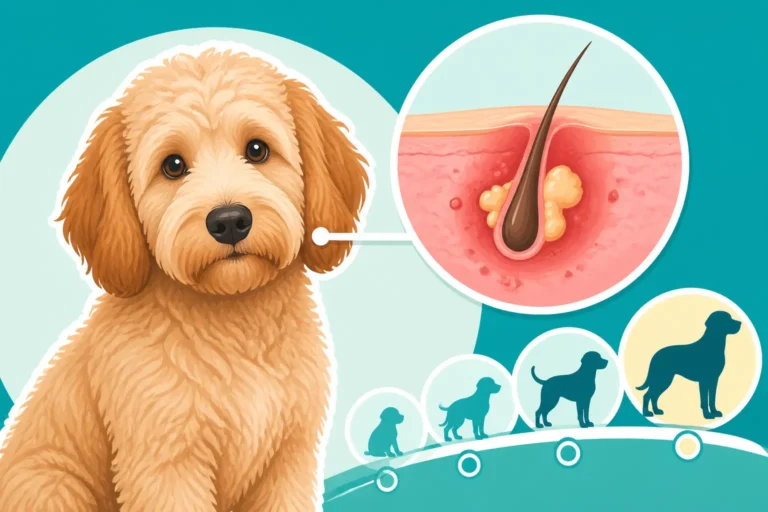
| Skin & Coat | Dull, thinning coat, dry skin, new lumps/bumps, excessive itching | Hypothyroidism, Sebaceous Adenitis in a Labradoodle's Skin, Allergies, Skin tumors/cancer, nutritional deficiencies | Vet check-up, skin biopsy for lumps, appropriate grooming, dietary changes. |
| Urination/Thirst | Increased thirst, increased urination, accidents indoors | Kidney disease, Diabetes, Addison's Disease, Urinary tract infection | Vet check-up including blood work and urinalysis. |
| Breathing/Coughing | Persistent cough, difficulty breathing, panting at rest | Heart disease, Lung disease, Allergies, Cancer | Urgent vet check-up. |
| Digestive Issues | Vomiting, diarrhea, constipation | Pancreatitis After a Labradoodle Raids the Trash, Kidney/Liver disease, Dietary intolerance, Cancer | Vet check-up, dietary adjustments. |
Disclaimer
The information provided in this guide is intended for educational purposes only and should not be considered a substitute for professional veterinary advice. Always consult with a qualified veterinarian for any health concerns or before making any decisions about your Labradoodle's medical care or diet. Individual situations may vary, and only a vet can provide an accurate diagnosis and treatment plan tailored to your specific pet.