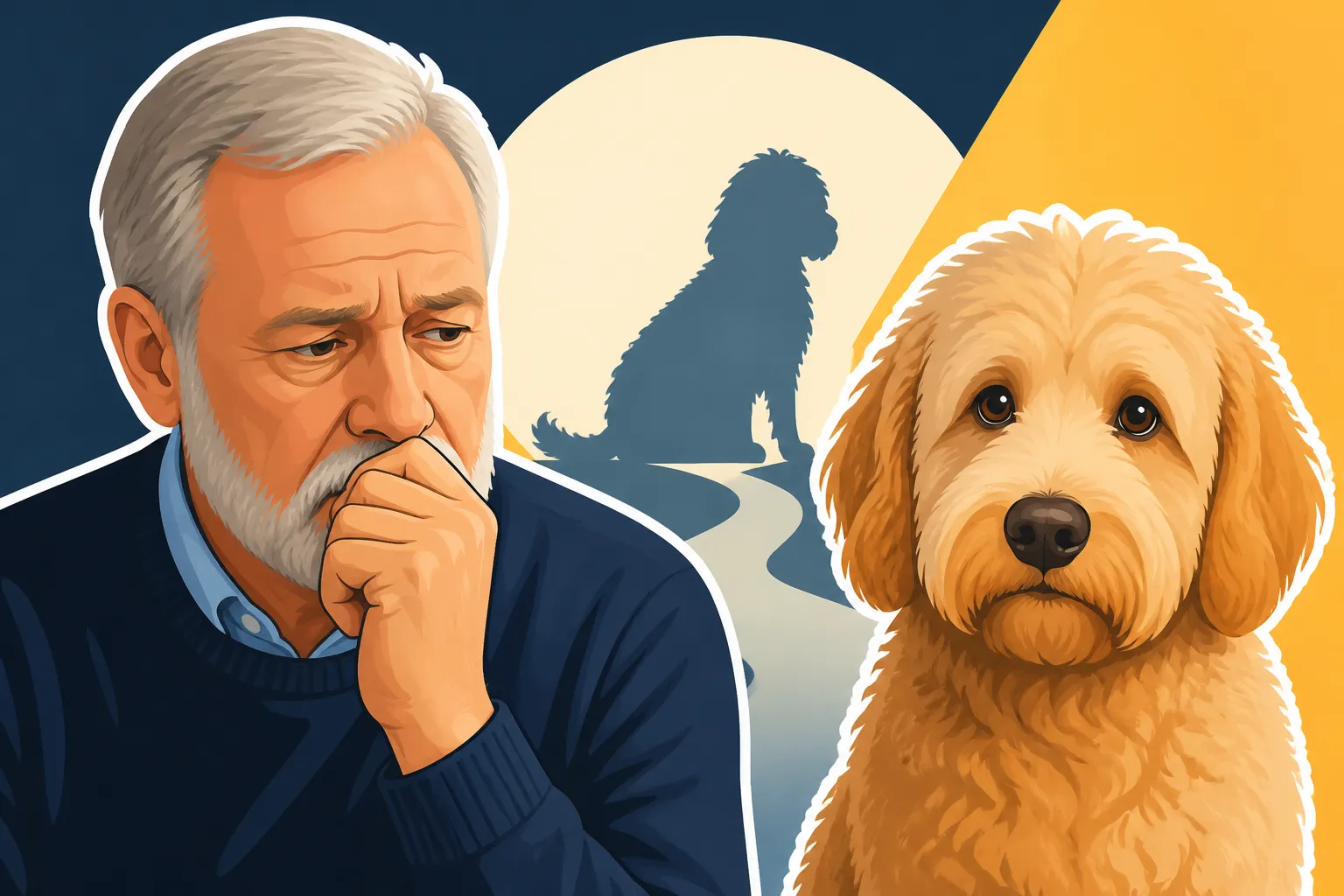
Wally Conron and the Labradoodle He Regrets
It’s a truly fascinating paradox, isn't it? The Labradoodle, a breed celebrated by so many for its charm, intelligence, and often its low-shedding coat, was actually conceived by a man who now publicly expresses deep regret for its creation. This guide delves into the surprising story of Wally Conron, the individual who first intentionally crossed a Labrador Retriever and a Standard Poodle, and explores the reasons behind his change of heart, along with the subsequent impact on the Labradoodle's development and reputation.
The Origin Story: A Guide Dog for a Cause
Imagine a world where a blind person needed a guide dog, but their spouse suffered from severe allergies. This was the precise dilemma Wally Conron, then the breeding manager for Guide Dogs Victoria in Australia, faced in the late 1980s. His mission was noble, driven by a desire to help someone maintain their independence without compromising their family's health. It was a problem that traditional guide dog breeds, like the Labrador, simply couldn't solve due to their shedding coats.
The Initial Request and Sultan's Role
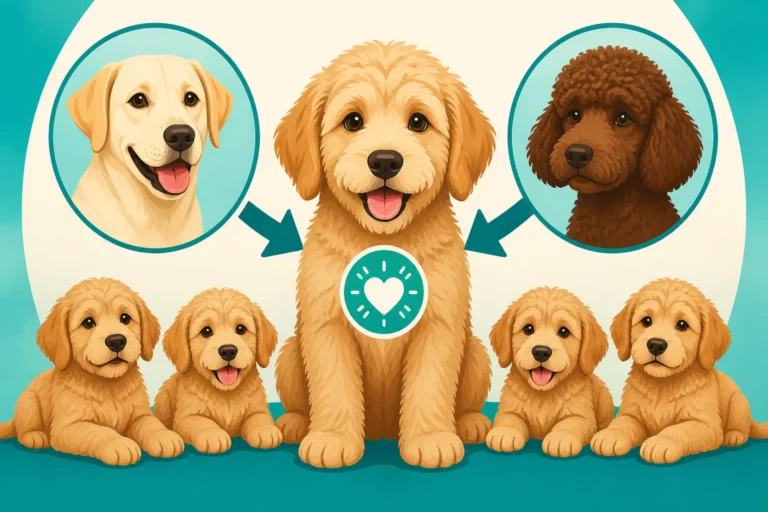
In 1989, Conron received a heartfelt request from a visually impaired woman in Hawaii whose husband was severely allergic to dog dander. He knew he needed a dog with the trainability and temperament of a Labrador but the hypoallergenic qualities of a Poodle. This wasn't just a random cross; it was a carefully considered decision rooted in a profound need. He sought to combine the best traits of two exceptional breeds. The first successful pairing, a cross between a Standard Poodle named Harley and a Labrador Retriever named Brandy, produced three puppies. One of these puppies, named Sultan, the Labradoodle That Proved the Idea, was sent to Hawaii, successfully becoming the world's first documented Labradoodle guide dog. He was bright, eager to please, and, crucially, didn't trigger the husband's allergies. This initial success, meant to be a solution for one specific person, laid the groundwork for a phenomenon. Indeed, it was The 1989 Cross That Made the First Labradoodle that inadvertently launched a global trend.
The Challenge of Allergen-Friendly Guide Dogs
Conron’s primary motivation was to create a functional assistance dog. Guide Dogs Victoria had a specific set of criteria: trainability, a calm demeanor, good health, and an appropriate size. The Labrador excelled in many of these areas, but the shedding coat was a significant hurdle for allergic individuals. Poodles, on the other hand, possessed the non-shedding coat and high intelligence, but often lacked the same robust working drive and steady temperament typically found in guide dog lines.
The idea was that a first-generation (F1) cross might inherit the best of both worlds – the Labrador's willingness to work and the Poodle's coat characteristics. This was a pioneering effort to breed for a specific functional need, prioritizing a human's quality of life. The challenge wasn't just about combining traits; it was about ensuring consistency, which, as Conron would soon discover, is incredibly difficult in hybrid crosses. The journey to understand Why a Guide Dog Had to Be Allergy Friendly was a core driver of this initial breeding decision.
The Unexpected Popularity Surge
What Conron hadn't anticipated was the public's reaction. Once the story of Sultan and his success broke, demand for these "Labradoodle" puppies exploded. People weren't just looking for guide dogs; they wanted family pets with the promise of intelligence and a low-shedding coat. The name itself was catchy and appealing. Suddenly, everyone wanted a Labradoodle, irrespective of whether they needed an assistance animal or had allergies.
This surge in popularity wasn't inherently bad, but it happened so quickly that it outpaced any structured, ethical breeding framework. It became a marketing sensation, overshadowing the thoughtful, purposeful intention behind its initial creation. This rapid rise meant that many individuals saw an opportunity for profit rather than a chance to contribute to a well-developed, healthy breed.
Why Wally Conron's Vision Shifted
While Sultan's success was initially a triumph, the aftermath led Conron to a profound sense of disillusionment and regret. He watched as his carefully considered hybrid spiraled into something he never intended. His vision was a solution for a specific problem; the reality became a widespread, often irresponsible, commercial enterprise.
The Unforeseen Commercial Exploitation
Conron’s regret stemmed largely from the rapid commercialization of the Labradoodle. What started as a dedicated effort to help a blind woman with allergies quickly morphed into a lucrative trend. He observed countless individuals, whom he famously dubbed "greedy breeders," jumping on the bandwagon without any understanding of genetics, health testing, or temperament.
These opportunistic breeders, driven solely by profit, often bred dogs indiscriminately, paying no mind to genetic health clearances, temperament assessments, or even the basic welfare of the parent animals. They saw dollar signs in the "hypoallergenic" and "designer dog" labels, creating a market saturated with poorly bred animals. This exploitation directly undermined the ethical foundations upon which Conron had built the first Labradoodle. His public statements often centered on Why Conron Called the Labradoodle a Mistake, highlighting this rampant commercialism.
The Loss of Breeding Integrity
For Conron, the heart of the problem was the complete loss of breeding integrity. His initial goal was to produce healthy, stable working dogs. When the popularity soared, the focus shifted dramatically from purpose-driven breeding to mass production. This meant that the desirable traits he sought – consistent temperament, robust health, and predictable coat types – became secondary, or even completely ignored.
Breeders, many with little to no experience, were breeding any Poodle with any Labrador, leading to highly unpredictable outcomes. Some puppies had excellent temperaments and coats, but many others inherited problematic traits from either parent or a chaotic mix of both. This lack of consistency meant that buyers often received a dog very different from the idealized "Labradoodle" they had envisioned. The idea of Whether Hybrid Vigor Is Real in a Labradoodle was often touted, but without careful breeding, the benefits of hybrid vigor were often lost to genetic roulette.
Health and Temperament Concerns
Perhaps the most significant source of Conron's regret was the prevalence of health and temperament issues in many of the indiscriminately bred Labradoodles. Both Labradors and Poodles are prone to certain hereditary conditions, such as hip and elbow dysplasia, various eye diseases, and certain autoimmune disorders like Addison's Disease. Responsible breeders of purebreds screen for these conditions diligently. However, many "doodle" breeders neglected these crucial health screenings.
As a result, a generation of Labradoodles began to emerge with a higher incidence of these genetic problems, leading to heartache and significant vet bills for unsuspecting owners. Temperament, too, became a major concern. Without careful selection of breeding stock, puppies could inherit behavioral issues from either parent, ranging from extreme shyness to excessive energy or even aggression, making them far from the ideal family companion or assistance dog Conron had envisioned. Understanding The Temperament a Labradoodle Gets From Each Parent is vital, and without careful selection, the worst of both worlds can emerge.
The Impact of Unregulated Breeding
The absence of a governing breed club or official recognition meant that there were no universal standards for breeding Labradoodles. This lack of regulation created a vacuum, which unfortunately was filled by individuals more concerned with quick profits than the long-term health and well-being of the dogs they produced.
The "Backyard Breeder" Phenomenon
The unregulated nature of the Labradoodle boom gave rise to the "backyard breeder" phenomenon. These are individuals who breed dogs without proper knowledge, facilities, or ethical considerations. They often lack an understanding of canine genetics, health clearances, or responsible socialization practices. Their primary motivation is to sell puppies, often with little regard for the quality of life of the parent dogs or the health of the offspring.
This often leads to puppies being raised in less-than-ideal conditions, without early veterinary care or critical socialization experiences. The consequences for these puppies can be lifelong, including behavioral problems, chronic health issues, and a shorter lifespan. Many unsuspecting owners found themselves with dogs requiring extensive medical intervention or behavioral modification, shattering the dream of their perfect "designer" dog.
Unpredictable Coats and Allergies
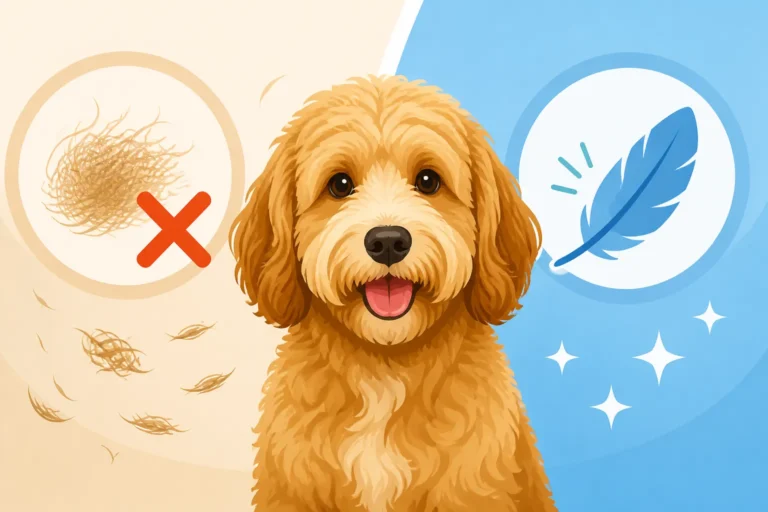
One of the main selling points of the Labradoodle was its supposed hypoallergenic coat, inherited from the Poodle side. However, without careful breeding, the genetics of coat type are highly unpredictable in early generations. This meant that many Labradoodles, especially first-generation (F1) crosses, ended up with coats that shed just as much, if not more, than a Labrador. Some had wiry, difficult-to-manage coats, while others developed the dense, matting coats that require extensive The Three Labradoodle Coats: Hair, Fleece and Wool grooming.
Families who purchased a Labradoodle specifically for allergy reasons were often bitterly disappointed, sometimes even forced to rehome their beloved pet due to persistent allergic reactions. This unpredictability in coat type became a significant source of frustration and contributed to Conron's feelings of regret, as the very problem he sought to solve often wasn't consistently addressed by subsequent breeders. The ongoing debate around Whether a Labradoodle Is Truly Hypoallergenic continues to be a point of confusion for many prospective owners.
Behavioral and Genetic Health Risks
The lack of health testing by many breeders significantly increased the risk of genetic diseases being passed down through Labradoodle lines. Conditions common in Labradors, like hip and elbow dysplasia, Exercise Induced Collapse and the Labradoodle's Labrador Half, and certain cancers, mixed with Poodle-specific issues such as Addison's Disease, Sebaceous Adenitis in a Labradoodle's Skin, and progressive retinal atrophy (PRA). Without screening, puppies could inherit multiple predispositions, leading to compounded health problems.
Beyond physical health, temperament also suffered. A poorly bred Labradoodle might exhibit extreme shyness, anxiety, or hyperactivity, making them challenging pets, particularly for first-time dog owners. These traits are often a result of parents with less-than-ideal temperaments or a lack of proper early socialization. The heartbreaking reality for many owners was facing unforeseen medical bills and behavioral challenges, rather than the healthy, easygoing companion they had hoped for. It really underscores the importance of seeking out breeders who prioritize Whether Health Tested Parents Add Years to a Labradoodle.
The Difference Between a Labradoodle and an Australian Labradoodle
The confusion between the terms "Labradoodle" and "Australian Labradoodle" is rampant, and it’s a crucial distinction to understand, especially in the context of Wally Conron's regret. While the initial Labradoodle was a simple Labrador-Poodle cross, the Australian Labradoodle emerged from a desire to standardize the breed and overcome the very unpredictability Conron lamented. In essence, Why an Australian Labradoodle Is Not a Labradoodle is a critical piece of information for anyone considering these dogs.
The Intent Behind the Australian Labradoodle
After the initial Labradoodle gained popularity, a group of dedicated breeders in Australia recognized the breed's potential but also its significant inconsistencies. They shared Wally Conron's desire for a predictable, healthy, and temperamentally sound dog, but instead of abandoning the concept, they decided to refine it. Their goal was to move beyond the F1 (first-generation) cross and establish a multi-generational breed with consistent traits.
This meant carefully selecting breeding stock, introducing additional breeds to broaden the gene pool and stabilize desired characteristics, and adhering to strict health and temperament testing protocols. The Australian Labradoodle was developed with a vision of producing dogs that would "breed true," meaning offspring would reliably inherit the parents' traits, including the desired fleece or wool coat, intelligent and social temperament, and robust health.
Broader Genetic Pool for Predictability
To achieve this consistency, the founders of the Australian Labradoodle program intentionally infused a few other breeds into the lineage, differentiating them significantly from the simple Labrador-Poodle cross. While the core foundation remains the Labrador Retriever and Standard Poodle, they introduced the English Cocker Spaniel, American Cocker Spaniel, and Irish Water Spaniel at various points in time. The Four Breeds Inside an Australian Labradoodle allowed breeders to solidify specific physical and temperamental traits, such as certain coat types, sizes, and a more consistent disposition.
This broader genetic pool allowed for more careful selection over multiple generations, reducing the "genetic lottery" aspect of early Labradoodles. The goal was to eliminate undesirable traits and promote those most beneficial for a family companion or assistance dog. This meticulous, multi-generational breeding program stands in stark contrast to the often haphazard breeding of the generic Labradoodle.
The Journey Towards Breed Standardization
The Australian Labradoodle has a much clearer path toward breed standardization, with dedicated associations like the Australian Labradoodle Association of America (ALAA) and the Worldwide Australian Labradoodle Association (WALA) establishing breed standards, codes of ethics, and health testing requirements for their registered breeders. These organizations work to maintain the integrity of the Australian Labradoodle, promoting responsible breeding practices and ensuring the well-being of the dogs.
Prospective owners can often find more detailed pedigrees and health clearances for Australian Labradoodles, offering a greater degree of predictability in terms of health, coat, and temperament. This commitment to consistency and ethical breeding is precisely what Wally Conron felt was missing from the broader Labradoodle world, and it's what sets the Australian Labradoodle apart as a distinct entity with a dedicated community striving for a recognized and well-defined breed standard.
What Responsible Breeding Looks Like Today
In the wake of Conron's regret and the often-chaotic early years of the Labradoodle, many dedicated and ethical breeders have emerged. These individuals are committed to producing healthy, well-adjusted dogs, and they understand that responsible breeding goes far beyond simply crossing two different breeds. They are the ones trying to uphold the original spirit of thoughtfulness that Conron initially held.
The Importance of Health Testing and Clearances
A hallmark of a responsible breeder is their unwavering commitment to comprehensive health testing for their breeding dogs. They don't just "clear" the parents; they actively screen them for genetic conditions common to both Labradors and Poodles. This includes testing for hip and elbow dysplasia through organizations like OFA (Orthopedic Foundation for Animals) or PennHIP, as well as genetic eye conditions like progressive retinal atrophy (PRA) through DNA tests or ophthalmologist examinations (CAER). Conditions like Addison's Disease a Labradoodle Inherits From the Poodle and Exercise Induced Collapse and the Labradoodle's Labrador Half are also crucial targets for testing.
These health clearances are not just a piece of paper; they are a significant investment in time and money, demonstrating a breeder's dedication to minimizing the risk of passing on debilitating diseases to puppies. Responsible breeders should be transparent about these test results, often providing copies for prospective owners. This proactive approach helps ensure puppies have the best possible start in life, free from preventable hereditary ailments. If a breeder can provide documentation for The Health Tests a Labradoodle Breeder Should Show, it's a huge green flag.
Ethical Breeder Practices and Transparency
Beyond health testing, ethical breeders practice a holistic approach to breeding. This includes careful selection of breeding pairs based on temperament, genetic diversity, and conformation to breed standards (even if informal for the Labradoodle). They prioritize the well-being of their breeding dogs, ensuring they are healthy, well-cared for, and have appropriate breaks between litters.
Transparency is key. A reputable breeder will welcome questions, allow you to visit their facility (or conduct thorough video calls if geographically distant), and let you meet the mother dog (and often the sire, if they own him). They will also be upfront about their waiting lists, pricing, and contract terms. They should ask you as many questions as you ask them, ensuring their puppies are going to responsible, loving homes. Furthermore, they will offer ongoing support and guidance long after you take your puppy home, fostering a lifelong relationship. This is a far cry from the "puppy mill" mentality that so concerned Conron.
The Role of Breed Clubs and Registries
While the Labradoodle isn't recognized by major kennel clubs like the AKC, several dedicated organizations play a crucial role in promoting responsible breeding within the "doodle" community. Groups like the Australian Labradoodle Association of America (ALAA) and the Worldwide Australian Labradoodle Association (WALA) for Australian Labradoodles, and various local Labradoodle clubs for generic Labradoodles, work to establish voluntary standards, provide education, and maintain registries.
These clubs often have strict codes of ethics that members must follow, covering aspects like health testing, responsible breeding practices, and puppy placement. While membership in such a club doesn't guarantee a perfect puppy, it indicates a breeder's commitment to higher standards than those who operate entirely independently. For prospective owners, seeking out breeders associated with reputable registries or clubs can provide an extra layer of assurance, demonstrating a dedication to the breed's future and the welfare of their dogs.
Navigating the Labradoodle Landscape as a Prospective Owner
Given the complex history and varying quality of Labradoodle breeding, navigating the landscape as a prospective owner can feel overwhelming. However, by being informed and diligent, you can significantly increase your chances of finding a healthy, well-adjusted companion that truly lives up to the Labradoodle's best potential.
Asking the Right Questions to Breeders
When you start talking to breeders, don't be shy about asking direct, probing questions. This isn't just a transaction; it's a long-term commitment. You want to understand their philosophy and practices inside and out. Ask about the health testing performed on both parents, specifically requesting documentation for hips, elbows, eyes (PRA), and genetic diseases like EIC and Addison's. A good breeder will be happy to share these results and explain what they mean.
Inquire about the temperament of the parent dogs and how puppies are socialized from birth. Ask about their guarantee – What a Labradoodle Health Guarantee Actually Covers should be clear and in writing. A reputable breeder will also ask you many questions to ensure you're a good fit for one of their puppies, demonstrating their care for their dogs' future homes. Don't fall for vague answers or breeders who rush you into a deposit.
Understanding Coat Types and Grooming Needs
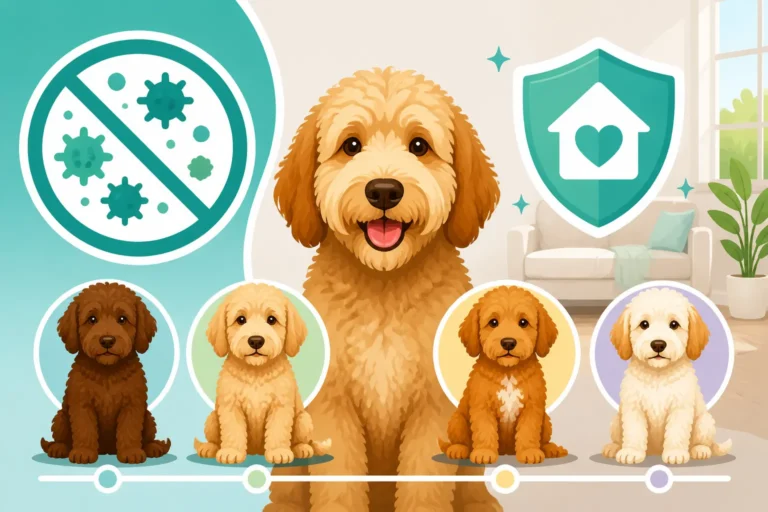
One of the biggest misunderstandings about Labradoodles often revolves around their coats. As Conron discovered, not all Labradoodles are non-shedding or low-maintenance. There are typically three main coat types: hair, fleece, and wool. A hair coat is more like a Labrador's, sheds, and is generally not allergy-friendly. Fleece coats are soft, wavy, and typically low-shedding. Wool coats are dense, curly, and most like a Poodle's, offering the best chance for allergy sufferers but requiring significant grooming.
It's crucial to understand that even low-shedding coats need regular grooming to prevent matting. We're talking weekly, thorough Brushing a Labradoodle to the Skin, Not the Surface sessions, not just a quick run-through. Many owners underestimate the grooming commitment, especially when What Happens to a Labradoodle's Coat at Nine Months – the dreaded "coat change" – begins. Be prepared for regular professional grooming appointments or invest in high-quality grooming tools from places like Chewy and learn to do it yourself. This isn't a wash-and-wear dog for most coat types!
Preparing for the Commitment Beyond the Puppy Stage
Bringing a Labradoodle into your home is a significant commitment that extends far beyond the cute puppy stage. These are intelligent, energetic dogs that thrive on interaction, training, and exercise. They are not content to be left alone for long periods without stimulation. Prepare for consistent training, socialization, and daily exercise to prevent boredom-induced behaviors like destructive chewing or excessive barking.
Consider the ongoing costs: quality food (many options available on Chewy), regular vet check-ups, potential unexpected medical expenses, and consistent grooming. Labradoodles, with their Poodle intelligence and Labrador enthusiasm, require mental stimulation as much as physical activity. Enroll in puppy classes, continue with obedience training, and consider dog sports to keep their minds engaged. A well-exercised and well-trained Labradoodle is a joy, but an under-stimulated one can become a handful, leading to the frustrations that sometimes see these dogs in rescue situations.
Addressing the "Mistake" Label: A Balanced Perspective
Wally Conron's strong statements about regretting the Labradoodle's creation often leave prospective owners feeling conflicted. It's important to approach this "mistake" label with a balanced perspective, understanding his intentions and the realities of a breed that has brought immense joy to countless families.
Conron's Concerns Versus Owner Experiences
Conron's regret primarily stems from the widespread irresponsible breeding that led to unhealthy and temperamental dogs, diluting his original vision of a purposeful assistance animal. His concerns were valid, addressing a genuine problem within the early days of the "doodle" craze. He was worried about the suffering of dogs and the heartbreak of owners.
However, for many responsible Labradoodle owners, their experience is overwhelmingly positive. They speak of intelligent, affectionate, and loyal companions that enrich their lives daily. These owners often diligently sought out reputable breeders, understood the commitment involved, and provided excellent care, which allowed their Labradoodles to flourish. The divergence between Conron's regret and positive owner experiences highlights the vast spectrum of quality within the Labradoodle population, underscoring that the issue lies not with the concept of the cross, but with the execution by irresponsible breeders.
The Evolving Understanding of Hybrid Vigor
The concept of "hybrid vigor" (heterosis) suggests that the offspring of two unrelated purebred lines can be healthier and more robust than either parent, due to increased genetic diversity and a reduction in the expression of recessive disease genes. This was part of the initial appeal of crossing two distinct breeds like the Labrador and Poodle. However, as Conron observed, simply mixing breeds doesn't automatically guarantee hybrid vigor, especially if the parent stock isn't health tested.
Today, ethical breeders of both Labradoodles and Australian Labradoodles strive to maximize the benefits of hybrid vigor while actively mitigating genetic risks. They achieve this through meticulous health screening, careful selection of breeding pairs to avoid common genetic pitfalls, and sometimes through strategic outcrossing. The understanding has evolved: hybrid vigor is a potential benefit, but it must be cultivated through responsible, informed breeding practices, not just assumed by virtue of being a crossbreed. The goal is a healthier gene pool, not just a mixed one.
The Enduring Appeal and Positive Attributes
Despite Wally Conron's regret, the Labradoodle's enduring appeal is undeniable, and for good reason. When bred responsibly, Labradoodles truly possess many wonderful attributes that make them exceptional family pets and, in some cases, still successful assistance or therapy dogs. They are often highly intelligent, eager to please, and generally quite social, inheriting the cleverness of the Poodle and the friendly, outgoing nature of the Labrador. Their intuitive nature and capacity for bonding are frequently praised by their owners.
Their often low-shedding coats are a huge bonus for many families, reducing allergens and making household maintenance easier (though not eliminating grooming needs!). Many Labradoodles are highly adaptable, excelling in various activities from agility to therapy work. Their cheerful disposition and boundless energy can bring immense joy to active families. The key, as always, lies in finding a Labradoodle from a reputable source that prioritizes health, temperament, and ethical breeding, ensuring that the positive attributes truly shine through. Even Wally Conron, in later interviews, has acknowledged the good that some Labradoodles have brought into the world.
Conclusion
Wally Conron's journey with the Labradoodle is a potent reminder of the complex realities behind popular dog breeds. What began as a heartfelt mission to create an allergen-friendly guide dog quickly spiraled into a commercial phenomenon he deeply regretted due to widespread irresponsible breeding. His frustration stemmed from the loss of integrity, the unpredictable health issues, and the inconsistent temperaments that emerged when profit superseded ethical practices.
Yet, amidst his regret, the Labradoodle's story is also one of resilience and dedication. Responsible breeders, particularly those involved in the development of the Australian Labradoodle, have taken up the mantle, striving to produce healthy, stable, and predictable companions. For prospective owners, Conron's story serves as a vital lesson: do your homework, choose your breeder wisely, and understand the full commitment required for these intelligent and active dogs. The Labradoodle, in its best form, truly is a wonderful companion, a testament to the potential when breeding is approached with care, integrity, and a genuine love for dogs.
Disclaimer
This article is for general informational purposes only and does not constitute professional advice. Laws, prices and regulations vary by location and change over time. Consult a qualified professional for guidance on your specific situation.